


Inicio
Pregnancy, Breastfeeding, and Pumping: The Ultimate Guide for Moms
Is Pumping Breast Milk Bad? Separating Evidence from Emotion
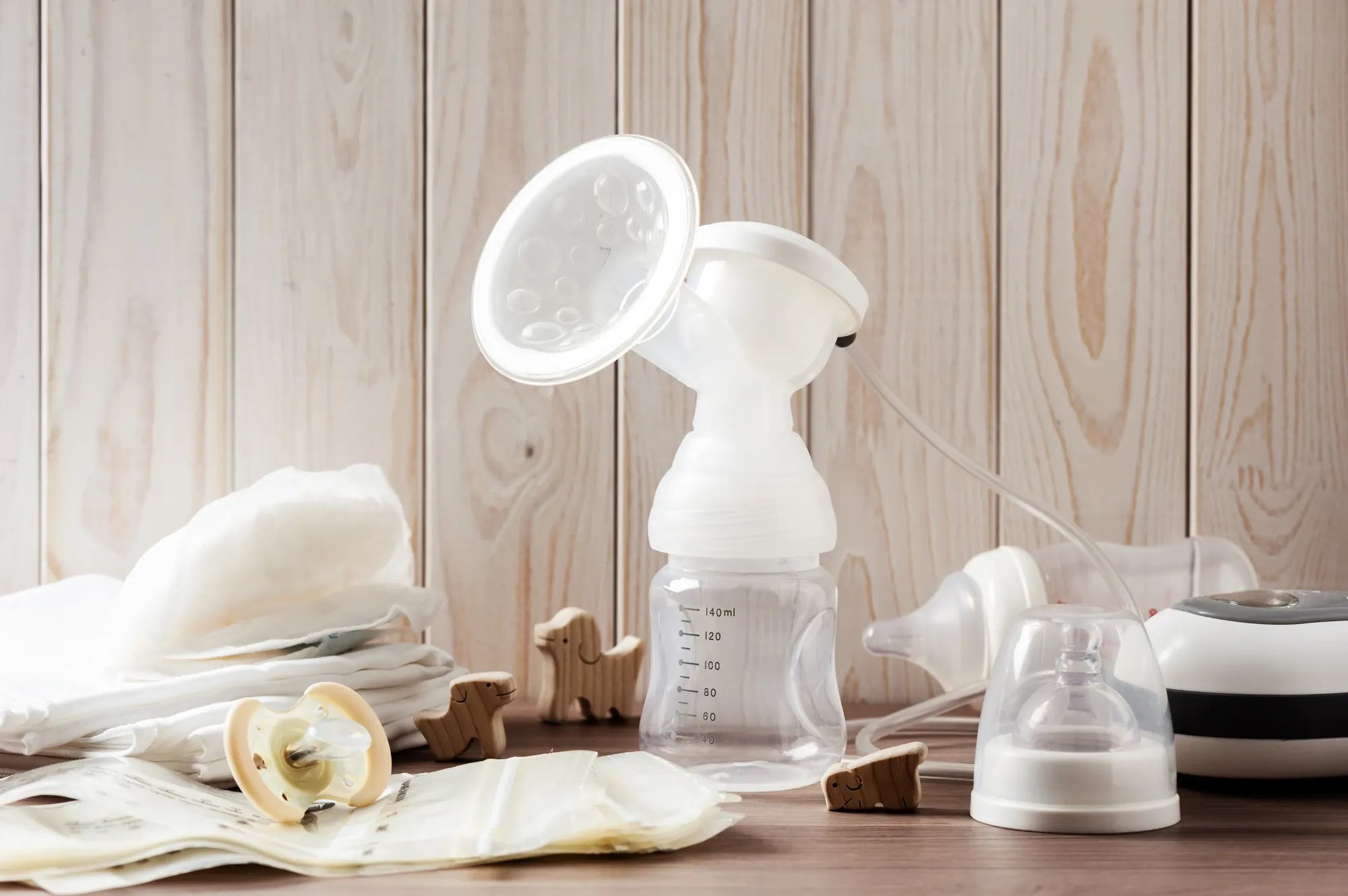
Is Pumping Breast Milk Bad? Separating Evidence from Emotion
Navigating the Pumping Question with Confidence
For countless breastfeeding mothers, the question "Is pumping breast milk bad?" creates a swirl of anxiety and doubt. This concern often stems from conflicting advice, cultural narratives prioritizing direct nursing, and the fear of inadvertently harming milk supply or the nutritional quality of milk. The goal of this article is to cut through the noise and provide clarity. We will separate enduring myths from scientific facts using evidence-based information from lactation science and maternal health guidelines, offering reassurance and actionable guidance for any mother considering or currently using a breast pump.
Pumping is not a modern deviation but a vital tool that has evolved to support diverse feeding journeys. Understanding its role objectively is the first step toward feeding confidence. Whether you're returning to work, managing latch challenges, seeking shared feeding responsibilities, or simply want flexibility, pumping can be a cornerstone of your breastfeeding success. Let's explore the facts.
Understanding Breast Milk Production: The Supply & Demand System
To assess whether pumping is "bad," we must first understand the fundamental physiology of lactation. Milk production operates on a precise supply-and-demand principle. The primary regulator is the removal of milk from the breast, which signals your body to produce more.
This signaling happens through a feedback inhibitor called FIL (Feedback Inhibitor of Lactation). When milk sits in the alveoli (the milk-producing sacs), FIL levels rise, telling your body to slow production. Effective milk removal, whether by a baby's latch or a pump's suction, lowers FIL levels, prompting increased production. Therefore, the mechanism is triggered by milk removal, not solely by the method of removal.
Pumping, when done effectively and consistently, provides the same crucial "demand" signal to your body as a nursing baby. It tells your mammary glands: "More milk is needed." The key variables are frequency, effectiveness (complete emptying), and consistency—not the tool itself. A high-quality, well-fitted pump is designed to mimic a baby's sucking pattern to efficiently trigger this biological process.
Ignoring this demand signal by not removing milk regularly is what can negatively impact supply, not the act of pumping. Therefore, from a purely physiological standpoint, pumping is a neutral or positive action; it is the pattern of milk removal that dictates outcomes.
Debunking Common Myths: Is Pumping Truly "Second Best"?
Cultural narratives often frame direct breastfeeding as the gold standard and pumping as a distant, inferior second. This mindset can lead to unnecessary guilt. Let's dismantle these myths with evidence.
Myth 1: Pumping Inherently Reduces Milk Supply
This is perhaps the most pervasive fear. The truth is nuanced: ineffective or infrequent pumping can impact supply, but regular, effective pumping maintains and can even build it. A pump is a mechanical tool; its success depends on proper use.
Many mothers successfully establish and maintain an abundant supply exclusively through pumping. The issue arises if pump sessions are skipped, if the flange fit is incorrect leading to poor milk removal, or if the pump lacks adequate suction strength. For mothers with low supply, strategic "power pumping" (simulating cluster feeding) using a pump is a standard clinical recommendation to boost production, proving the pump's efficacy as a supply-building tool.
Myth 2: Pumped Milk Loses Nutritional Value
Expressed breast milk is live, dynamic nutrition. When handled and stored correctly, it retains the vast majority of its nutritional components, antibodies, enzymes, and beneficial bacteria. The process of pumping does not "strip" milk of its value.
Proper storage is key. According to CDC and Academy of Breastfeeding Medicine guidelines, fresh milk stored in a clean container in the refrigerator (at 4°C or 39°F) maintains its integrity for up to 4 days. Freezing preserves it longer, with some gradual loss of certain immune factors over time, but it remains far superior to formula in its protective qualities. The act of pumping itself does not degrade macronutrients like fat, protein, and lactose.
Myth 3: Exclusive Pumping is Unnatural or Harmful
This myth invalidates the immense dedication of Exclusive Pumping (EP) mothers. For many, EP is not just a choice but a necessity and a lifeline. Reasons include: severe latch issues, prematurity where the baby cannot nurse directly, maternal medical conditions or medications, a baby with anatomical challenges, or the mother's personal mental health and autonomy.
Providing breast milk via a bottle is in no way harmful to the baby. The bonding experience adapts; it occurs during cuddling, eye contact, and skin-to-skin contact during bottle feeds. EP is a demanding, full-time commitment that deserves support and respect, not stigma. It is a completely valid and healthy way to feed a baby.
The Real Considerations: Challenges and Practical Solutions
While pumping is not "bad," it does present unique challenges. Acknowledging and solving these makes the journey sustainable.
Challenge: Discomfort, Pain, and Flange Fit
Pain is a sign that something needs adjustment, not that pumping is wrong. The most common culprit is an incorrect flange size. Flanges that are too large or too small can cause friction, reduced output, nipple damage, and pain.
Solution: Measure your nipple diameter (without areola compression) and select a flange that allows 1-3mm of space around the nipple during pumping. Many pumps, like those from MomMed, include multiple flange size options in the box. The suction should feel strong but not painful; start on low stimulation mode to trigger let-down, then increase to a comfortable, effective level.
Challenge: Time Commitment and Impact on Maternal Well-being
Pumping adds a logistical layer: washing parts, scheduling sessions, and the time spent attached to the pump. This can lead to feeling tethered and contribute to burnout, especially when also handling feedings.
Solution: Integration and efficiency are key. Create a pumping station with supplies. Pump during typical baby naps or while working at a desk. Consider hands-free options. For managing the "double duty" of pumping while bottle-feeding, portable, wearable pumps can be transformative. Prioritizing self-care—staying hydrated, eating enough, and seeking support—is not indulgent; it's essential for maintaining milk supply and mental health.
Choosing the Right Tools: How Pump Technology Supports Your Journey
Modern breast pump innovation directly addresses the historical challenges of pumping, making it a more comfortable, efficient, and integrated part of motherhood.
Key features to seek include multiple suction modes (a rapid, gentle mode to stimulate let-down and a slower, deeper mode for expression) that mimic a baby's natural pattern. Adjustable suction levels allow for personalized comfort. Ultra-quiet motors are crucial for discretion, night pumping without waking others, and reducing stress.
Portability and hands-free design represent the most significant leap forward. Wearable pumps, inserted directly into a bra, grant mobility and freedom. A trusted maternal and baby care brand like MomMed specializes in this innovation. Their award-winning S21 Double Wearable Breast Pump, for instance, offers hospital-grade performance in a silent, cordless design. This allows a mother to pump while commuting, working, caring for other children, or simply relaxing, directly mitigating the feeling of being "stuck" to a pump. All MomMed pumps use BPA-free, food-grade silicone for baby safety, a non-negotiable standard.
Making an Informed Choice: Pumping vs. Direct Feeding
The "best" method is the one that works for your family's health and well-being. Here’s a balanced comparison to guide your decision.
| Scenario | Pumping Can Be Particularly Beneficial | Direct Feeding May Be Simpler |
|---|---|---|
| Returning to Work | Essential for maintaining supply and providing milk while separated. | Not feasible during work hours without baby present. |
| Shared Feeding Duties | Allows partners/family to participate in feeds, bonding with baby and giving mom rest. | Feeding responsibility rests primarily with the nursing parent. |
| Low Milk Supply Management | Enables precise tracking of intake and allows for strategic power pumping sessions. | Can make intake tracking less precise; baby's efficiency is variable. |
| Maternal or Infant Medical Issues | Allows continued milk provision despite separation, latch problems, or maternal treatments. | May not be possible if baby cannot latch effectively or mom cannot nurse directly. |
| Desire for Flexibility/Schedule | Provides freedom for appointments, events, or longer periods away from baby. | Requires baby to be with mom or for feeds to be timed around outings. |
The choice is rarely absolute. Many mothers find a hybrid or "combo-feeding" approach—mixing direct nursing with occasional or regular pumping—offers the ideal balance of bonding, flexibility, and shared responsibility.
FAQ: Your Top Pumping Concerns, Answered
Q: Can I combine breastfeeding and pumping?
A: Absolutely. This is called combo-feeding and is very common. Many moms nurse directly when with baby and pump to create a stash for times of separation or to allow others to give a bottle.
Q: How soon after birth can I start pumping?
A> For mothers of term, healthy babies who are latching well, it's often advised to wait 3-4 weeks to establish supply and avoid oversupply. However, for medical reasons (prematurity, poor latch, maternal separation), pumping should begin within 6 hours of birth. Always consult with a lactation consultant or your healthcare provider for personalized advice.
Q: Is the let-down reflex different with a pump?
A> It can be, especially initially. The psychological and physical trigger of your baby may be stronger. To help, try looking at photos/videos of your baby, smelling an item of their clothing, using relaxation techniques, or applying a warm compress to the breast before pumping. Consistency helps train your body to respond to the pump.
Q: How do I know if my pump is effective?
A> Signs of effective pumping include: a rhythmic, spraying flow of milk (not just drops), breasts feeling softer after a session, getting a volume that generally aligns with your baby's typical feeding amounts over 24 hours, and absence of pain. If output is consistently low or pain persists, check flange fit and pump settings, and consider consulting an LC.
Q: Are all breast pumps created equal?
A> No. Key differences include motor strength (affecting suction and efficiency), cycle and suction settings, noise level, portability, and closed-system design (which prevents milk from backing into the tubing and motor). Investing in a quality pump from a reputable brand like MomMed, known for reliable, comfortable, and innovative products, can significantly impact your pumping experience and success.
Empowering Your Unique Feeding Path
The evidence is clear: pumping breast milk is not bad. It is a valid, safe, and often indispensable tool for providing the profound benefits of breast milk to your baby. The narrative that positions it as inferior is not supported by lactation science. Success in infant feeding is defined by a nourished baby and a mother who feels supported in her choices—whether that involves exclusive nursing, exclusive pumping, combo-feeding, or any combination therein.
Your journey is unique. Arm yourself with accurate information, seek support from lactation professionals when needed, and choose tools that align with your life and comfort. Trusted innovations in pump technology, like wearable designs, exist to empower your freedom and well-being. Dismiss the myths, address the real challenges with practical solutions, and move forward with confidence in the feeding path you choose.
Shop the MomMed collection at mommed.com for all your breastfeeding and pregnancy needs, from award-winning wearable breast pumps like the S21 to pregnancy test kits and baby care essentials, designed to support moms and moms-to-be with reliable, comfortable, and innovative products.