


Inicio
Pregnancy, Breastfeeding, and Pumping: The Ultimate Guide for Moms
Is Pumping Bad for Your Breasts? Separating Evidence from Fiction
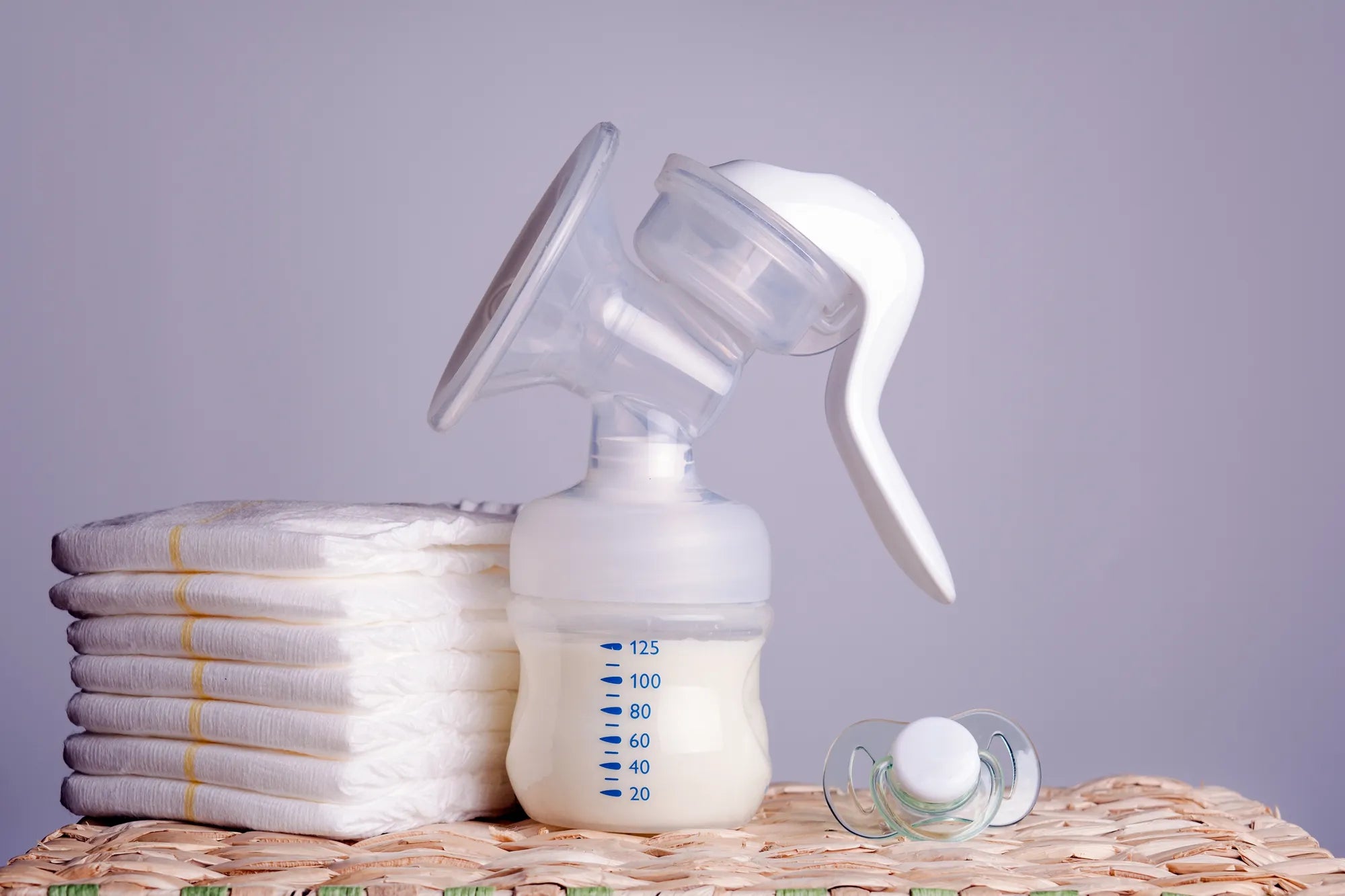
Is Pumping Bad for Your Breasts? Separating Evidence from Fiction
Navigating Breast Pumping Concerns with Confidence
You’re sitting with your pump, the rhythmic whirring filling the room, and a nagging thought crosses your mind: "Is this constant suction harming my breasts?" This question, "Is pumping bad for your breasts?", is a common and valid concern for countless mothers who rely on pumping to feed their babies. The fear of causing permanent damage, pain, or negatively altering breast tissue can create unnecessary anxiety during an already demanding time.
This article exists to replace that fear with facts. We will systematically explore the evidence, separating enduring myths from physiological truths. The core answer, supported by lactation science, is that breast pumping is not inherently bad for your breasts when performed correctly with appropriate equipment. However, improper use can lead to discomfort and issues.
Our goal is to provide you with the knowledge to pump confidently and safely. We’ll cover how pumps work, address specific worries about sagging and pain, detail the critical importance of proper flange fit, and outline a healthy pumping routine. By the end, you’ll understand that pumping is a tool designed to work with your body's natural lactation physiology, not against it.
Understanding How Breast Pumps Work: Physiology, Not Aggression
To understand if pumping is bad for your breasts, we must first understand what a breast pump is designed to do. A modern electric breast pump is an engineering marvel built to mimic a key biological process: a baby's suckling at the breast. It does not aggressively "pull" milk out by sheer force.
The pump operates using two key settings: cycle (speed) and vacuum (suction level). The stimulation or let-down mode uses a fast, light cycle to trigger your milk ejection reflex (MER), similar to a baby's initial quick sucks. Once milk begins to flow, you switch to expression mode, which uses a slower, deeper cycle to remove milk efficiently.
This process is a gentle simulation of natural feeding. The vacuum created draws the nipple and areolar tissue into the tunnel of the breast shield (flange), and the rhythmic release allows for rest. A well-designed pump extracts milk by encouraging your body's own let-down reflex, not by brute force. When used correctly, it is an extension of the breastfeeding relationship, not a harsh substitute.
Contrast this with the myth that pumps are "unnatural" or inherently traumatic. The reality is that innovation in pump technology, like that seen in trusted brands such as MomMed, focuses on replicating natural nursing patterns with customizable comfort, prioritizing the health of breast tissue during every session.
Myth vs. Fact: The Core Concerns Demystified
Let's tackle the most pervasive concerns head-on, using current lactation science and expert guidance to distinguish alarming myths from reassuring facts.
Myth: Pumping Causes Sagging or Permanent Damage to Breast Tissue
This is perhaps the most common fear. The belief is that the suction of pumping stretches Cooper's ligaments (the connective tissue that provides structural support), leading to irreversible sagging.
The Fact: Major health and lactation authorities, including the Office on Women's Health and La Leche League International, confirm that breastfeeding itself does not cause breasts to sag. The primary factors are pregnancy, genetics, age, and significant weight fluctuations.
During pregnancy, hormonal changes cause the breasts to enlarge, stretching the skin and ligaments. After weaning, when glandular tissue shrinks back, the skin may not fully retract, leading to a changed appearance. This process occurs regardless of whether you nurse directly, pump exclusively, or do not lactate at all.
Proper pumping with a correctly fitted flange applies vacuum to the milk ducts within the nipple and areola to extract milk. It does not exert force on the structural ligaments of the breast itself. Therefore, pumping is not a causative factor in breast ptosis (sagging).
Myth: Pumping Inevitably Leads to Pain and Nipple Trauma
Many mothers accept a certain level of pain as a "normal" part of pumping. This misconception can lead to unnecessary suffering and early weaning.
The Fact: While improper pumping can certainly cause pain, damage, and trauma, pain is not a standard feature of correct pumping. It is a vital signal from your body that something is wrong. Persistent pain indicates issues such as incorrect flange size (the #1 cause), suction set too high, poor pump cycle settings, or prolonged session times.
Nipples should move freely in the tunnel without rubbing, and the areola should have minimal pull. Discomfort during initial let-down is common, but sharp pain, pinching, burning, or blanching (whitening) of the nipple are signs to stop and reassess your setup immediately.
Fact: Pumping Can Help Maintain or Increase Milk Supply
Far from being detrimental, pumping is a powerful tool for establishing and protecting milk production. Lactation operates on the core principle of supply and demand.
Effective, frequent milk removal—whether by a baby or a pump—signals the pituitary gland to produce the hormones prolactin (for milk creation) and oxytocin (for milk release). For mothers who are separated from their babies, have latching difficulties, or are trying to increase output, regular pumping sessions are essential to tell the body "make more milk."
Strategic pumping, such as power pumping, can mimic cluster feeding to boost supply. Thus, when integrated properly, pumping is a positive, proactive measure for breast health and feeding success, not a harmful one.
Fact: The Right Equipment is Crucial for Comfort and Safety
This fact cannot be overstated. The safety and comfort of your pumping experience are directly tied to the quality and fit of your equipment. Using a poorly designed pump or the wrong size flange is where most problems begin.
Innovations in pump technology specifically aim to protect breast tissue. Features like graduated suction levels, adjustable cycle speeds, and soft, flexible flanges are not just luxuries; they are mechanisms that allow you to find a gentle, effective rhythm unique to your body.
Trusted brands prioritize these features. For instance, MomMed breast pumps are designed with multiple expression modes and levels, and use BPA-free, food-grade silicone in their components to ensure safety and comfort, acknowledging that the right tools are foundational to a healthy pumping journey.
Choosing the Right Pump: Features That Protect Breast Health
Not all pumps are created equal. Selecting a pump with health-conscious features is an investment in your long-term comfort and pumping sustainability. Here’s what to look for.
The Importance of a Customizable, Gentle Cycle
A one-size-fits-all suction pattern can be a recipe for discomfort. Look for a pump that offers separate control over cycle speed and vacuum strength. This allows you to mimic your baby's unique pattern: a faster, lighter cycle to trigger let-down and a slower, deeper one for efficient milk removal.
The ability to start at a very low suction and gradually increase to a comfortable, effective level is key. The myth that "higher suction equals more milk" is dangerous and false. Excessive vacuum can cause tissue damage, edema (swelling), and actually inhibit milk flow. Effective milk removal comes from comfort and stimulation, not force.
Why Flange Fit is Non-Negotiable
Flange fit is the single most important factor in preventing damage and ensuring efficiency. The standard 24mm or 27mm flanges included with most pumps fit only about 50% of women. Your nipple should center in the tunnel without excess areola being pulled in, and it should move freely without friction.
| Symptom of Poor Fit | Likely Flange Issue |
|---|---|
| Nipple rubs/redness on sides | Tunnel is too narrow |
| Areola is pulled far into tunnel | Tunnel is too wide |
| Only tip of nipple moves | Tunnel is too long/narrow |
| Blanching (whitening) of nipple | Vacuum too high or tunnel too small |
Many mothers require a different size, often smaller. Measuring your nipple diameter (not areola) and purchasing correctly sized flanges is essential. Soft, flexible silicone flanges can also enhance comfort and fit.
The Advantage of Hands-Free, Wearable Design
Wearable pumps offer a significant benefit for breast health that goes beyond convenience: posture and relaxation. Being tethered to a wall outlet often leads to hunching over, creating tension in the neck, shoulders, and chest muscles.
This tension can physically inhibit the milk ejection reflex. A wearable pump, like the MomMed S21 Double Wearable Breast Pump, allows you to move naturally, sit back, and relax. A more relaxed body promotes better oxytocin flow, leading to more efficient let-downs and emptier breasts, which is crucial for preventing issues like clogged ducts and maintaining supply.
Building a Healthy Pumping Routine: Best Practices for Breast Health
Knowledge of equipment must be paired with correct technique. Implementing these best practices forms a protective framework for your breasts.
Finding Your Perfect Settings and Session Length
Start every session on the lowest comfortable suction in stimulation mode. Only increase vacuum to a level that feels effective but never painful. A typical pumping session lasts 15-20 minutes per breast, or until milk flow significantly slows. Pumping for excessively long periods ("marathon pumping") does not yield more milk and can cause inflammation.
Frequency is more important than duration. Mimicking a baby's feeding schedule with 8-12 sessions in 24 hours is standard for establishing supply. Always allow your pump to finish its cycle—don’t yank flanges off while suction is still applied.
Essential Post-Pumping Care
After pumping, gently pat nipples dry. Applying a few drops of your own breast milk and letting it air-dry can be healing. For dry or irritated nipples, use purified lanolin or a coconut oil-based cream. Regularly massage your breasts, especially while pumping, to help drain all ducts and promote tissue health.
Ensure all pump parts that contact milk are thoroughly cleaned after each use to prevent bacterial growth, which can lead to mastitis. Also, rotate flange positions slightly each session to ensure even pressure distribution.
Recognizing When to Seek Help
Be vigilant for red flags. Consult an International Board Certified Lactation Consultant (IBCLC) or your healthcare provider if you experience: persistent pain despite correct flange fit; cracked, bleeding, or scabbed nipples; visible bruising on the breast or areola; a sudden, painful drop in milk output; or symptoms of mastitis (red, wedge-shaped sore spot, fever, flu-like aches).
An IBCLC can do a hands-on assessment of your pumping technique, flange fit, and pump settings—this single consultation can be transformative.
Pumping vs. Direct Nursing: A Comparative Impact
Understanding how pumping compares to direct breastfeeding can provide further context for its safety.
| Factor | Direct Nursing | Pumping (with correct technique) |
|---|---|---|
| Mechanism | Baby's tongue compression & suction | Vacuum & release cycle simulation |
| Impact on Supply | Governed by baby's demand | Governed by pump schedule/emptiness |
| Risk of Nipple Damage | Possible with poor latch | Possible with poor flange fit/high suction |
| Impact on Breast Shape | Not a causative factor for sagging | Not a causative factor for sagging |
| Prevention of Engorgement/Mastitis | Effective, frequent draining | Effective, frequent draining |
| Key to Success | Proper latch & positioning | Proper flange fit & pump settings |
As the table shows, both methods are safe and effective when the core principles of proper fit and frequent milk removal are followed. The risks are parallel (poor latch vs. poor flange fit), not inherent to one method over the other.
Frequently Asked Questions (FAQs)
Q: Can pumping cause mastitis?
A: Pumping itself does not cause mastitis. However, ineffective pumping that leaves milk ducts inadequately drained can contribute to clogged ducts, which may develop into mastitis. Regular, effective emptying via proper pumping helps prevent it.
Q: Is it safe to pump multiple times a day for months on end?
A> Yes. With proper flange fit, comfortable settings, and a good routine, long-term exclusive pumping is a safe and sustainable way to feed your baby. Many mothers pump successfully for a year or more.
Q: How do I know if my pump is "bad" for my breasts?
A> Your body gives clear signals: consistent pain during or after sessions, nipple trauma (cracking, bleeding, blisters), bruising, or a significant drop in supply despite regular pumping. These are signs to immediately check flange size, lower suction, and/or consult a lactation professional.
Q: Does pumping decrease sensitivity or sensation over time?
A> Temporary numbness or reduced sensation during a session can occur due to the vacuum, but permanent loss of sensation is not a typical outcome of correct pumping. If you experience persistent numbness, check your suction strength and flange fit.
Q: Are wearable pumps as safe and effective as traditional ones for breast health?
A> Modern, high-quality wearable pumps from reputable brands are designed with the same physiological principles. They can be just as safe and effective, provided they also offer customizable settings and you use the correct flange size. Their benefit for relaxation can actually improve milk ejection, supporting breast health.
Empowering Your Feeding Journey with Knowledge and Care
The journey of feeding your baby, whether at the breast, with a bottle of pumped milk, or a combination, is deeply personal. The question "Is pumping bad for your breasts?" stems from a place of care and concern for your own well-being as you nurture your child. The evidence is clear: pumping is a physiologically sound, safe practice when approached with the right information and tools.
Arming yourself with knowledge about flange fit, pump settings, and healthy routines transforms pumping from a source of anxiety into an empowered choice. It allows you to harness the technology to meet your feeding goals while listening to and respecting your body's signals. Discomfort is a guide, not a given.
Your comfort and your baby's nutrition are paramount. By choosing equipment designed with your health in mind, like pumps that offer gentle customization and proper fit, you invest in a sustainable and positive experience. Trust in the evidence, trust in quality design, and most importantly, trust in your ability to navigate this path.
Ready to build a comfortable, confident pumping routine? Shop the MomMed collection at mommed.com for all your breastfeeding and pregnancy needs, including award-winning wearable breast pumps designed with your comfort and breast health as a priority.