


Inicio
Pregnancy, Breastfeeding, and Pumping: The Ultimate Guide for Moms
How to Pump Engorged Breast: A Comprehensive Guide for Comfort and Relief
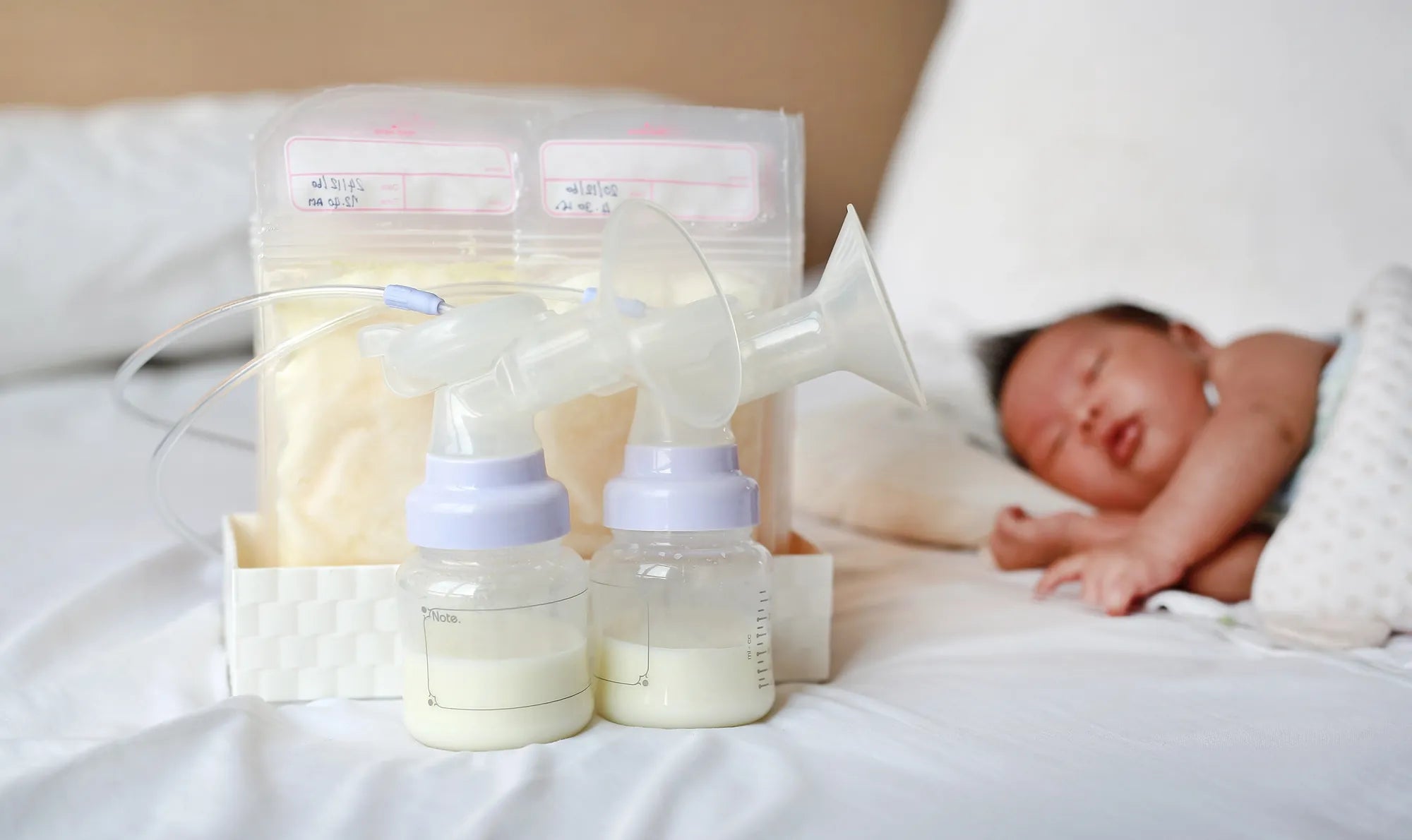
How to Pump Engorged Breast: A Comprehensive Guide for Comfort and Relief
Breast engorgement creates intense pressure, pain, and difficulty latching or pumping. This comprehensive guide delivers the exact methods to find relief. You will learn the physiological causes, immediate soothing techniques, a detailed pumping protocol, and how to select tools that support rather than aggravate sensitive tissue. Mastering how to pump engorged breast effectively is key to maintaining milk supply and comfort.
Understanding Breast Engorgement: The Physiology of Discomfort
Engorgement is more than just full breasts; it's a combination of vascular congestion, milk accumulation, and interstitial edema (swelling). This typically occurs when milk production significantly outpaces removal. The initial "coming in" of milk around days 2-5 postpartum is a primary trigger due to hormonal shifts.
Other common causes include a sudden drop in feeding frequency, ineffective milk removal from poor latch or pump fit, and oversupply. Differentiating between normal fullness and problematic engorgement is critical. Normal fullness involves breasts feeling fuller and heavier but remain pliable. Problematic engorgement presents with hard, shiny, warm, and painfully taut skin, often with flattened nipples.
This distinction matters for management. Severe engorgement can compress milk ducts, hindering milk flow and increasing mastitis risk. Understanding this physiology informs every step of the relief process, emphasizing the need to reduce swelling to facilitate milk removal.
Before You Pump: Critical Soothing Strategies for Immediate Relief
Attempting to pump a severely engorged breast without preparation can be ineffective and painful. Pre-pumping techniques aim to reduce areolar edema, making latch or flange seal possible.
Apply a warm compress for 5-10 minutes or take a warm shower to encourage vasodilation and milk flow. Follow this with gentle, lymphatic-focused massage. Using the flats of your fingers, stroke from the outer breast toward the armpit and collarbone to move excess fluid away from the nipple.
A key technique is Reverse Pressure Softening (RPS). Apply steady, gentle pressure with two or three fingers around the base of the nipple for 1-3 minutes. This temporarily pushes swelling backward, softening the areola so a flange can form a proper seal or a baby can latch deeply.
These steps are not optional extras; they are foundational to successful pumping when engorged. They transition the breast from a state of inflammatory congestion to one more receptive to milk removal.
How to Pump an Engorged Breast: A Step-by-Step Clinical Protocol
A systematic approach prevents tissue damage and promotes efficient drainage. This protocol prioritizes comfort and mimics the natural feeding pattern of a well-latched baby.
Step 1: Optimal Pump and Environment Setup
Select a pump with adjustable, gentle settings. Hospital-grade or high-quality wearable pumps like the MomMed S21 are ideal for their efficient yet customizable suction. Engorgement can temporarily change nipple size, so verify flange fit—it should allow nipple movement without excessive areola pull-in.
Create a calm environment. Stress inhibits oxytocin, the hormone responsible for milk ejection. Have water nearby, use relaxation techniques, and look at photos or videos of your baby to stimulate let-down.
Step 2: Initiating Let-Down with Gentle Stimulation
Begin with the pump's massage or let-down mode on the lowest comfortable setting. Do not start with high suction. Combine pumping with hands-on techniques: use your palms to gently compress the breast from the chest wall toward the nipple while pumping.
This "hands-on pumping" is clinically proven to remove more milk and reduce engorgement faster by manually assisting fluid movement. Wait for milk flow, indicated by sprays or drips, before progressing.
Step 3: Adjusting Settings for Effective, Comfortable Drainage
Once milk flows steadily, switch to expression mode. Increase suction only to a level that feels effective but not painful. The goal is comfort, not maximum power. Pumping an engorged breast often requires shorter, more frequent sessions (10-15 minutes every 2-3 hours) rather than prolonged, painful attempts.
This frequency helps regulate supply without signaling your body to produce excessively more. If using a double pump, you may find single pumping on the most engorged side first is more manageable.
Step 4: Essential Post-Pumping Care
After pumping, apply cold therapy. Cold gel packs or chilled, washed cabbage leaves placed on the breasts (avoiding the nipple) for 15-20 minutes constrict blood vessels, reduce swelling, and provide analgesic relief. Wear a supportive, non-constricting bra.
Gentle lymphatic massage can be repeated post-pump to continue moving fluid. Hydration and rest are crucial components of recovery, supporting your body's natural healing processes.
MomMed Solutions: Engineered for Engorgement Comfort
Pumping while engorged demands specific product features. MomMed pumps are designed with these clinical challenges in mind. The MomMed S21 Double Wearable Breast Pump offers hospital-grade performance with 9 adjustable suction levels and 3 stimulation modes, allowing you to find the precise, gentle setting needed for sensitive tissue.
Its BPA-free, food-grade silicone flanges and breast shields provide a soft, comfortable seal against swollen skin. The hands-free, wearable design is particularly beneficial during engorgement, as it allows full freedom to apply warm compresses, perform hands-on compression, or manage other tasks during a session.
This combination of medical-grade efficiency, material safety, and ergonomic design directly addresses the core need for effective yet gentle milk removal during periods of intense engorgement, making the process more manageable.
What to Avoid: Common Mistakes That Worsen Engorgement
Certain well-intentioned actions can exacerbate the problem. First, avoid skipping or drastically delaying feedings or pump sessions. Consistency is key to regulating supply.
Do not use the highest pump suction setting in an attempt to "force" milk out. This can damage nipple tissue, increase inflammation, and cause vasospasm. Similarly, avoid pumping for excessively long durations (e.g., over 30 minutes in one session), which can lead to further trauma.
Aggressive, deep-tissue massage can increase inflammation and bruising. Strokes should always be gentle. Finally, avoid tight-fitting bras, underwire, or restrictive clothing that can compress ducts and impede lymphatic drainage, creating a perfect environment for plugged ducts and mastitis.
Comparing Relief Methods: Efficacy and Best Use Cases
| Method | Primary Action | Best For | Considerations |
|---|---|---|---|
| Hands-On Pumping | Manual compression during pumping | Maximizing milk removal during a session; severe engorgement | Most effective when combined with electric pumping |
| Reverse Pressure Softening (RPS) | Reduces areolar edema | Pre-pump preparation when nipples are flattened | Short-term technique (1-3 mins), requires clean hands |
| Cold Therapy (Gel Packs/Cabbage) | Reduces inflammation & pain | Post-pumping relief; between sessions | Avoid direct nipple contact; limit to 20 min intervals |
| Warm Compress/Shower | Promotes vasodilation & milk flow | Pre-pump stimulation for let-down | Use for 5-10 mins only; not recommended if mastitis is suspected |
| Frequent, Short Pump Sessions | Regular milk removal without overstimulation | Managing oversupply-related engorgement | More sustainable than infrequent, long sessions |
Frequently Asked Questions (FAQs)
Q: How long does it take for engorgement to go away with proper pumping?
A: With consistent, gentle milk removal every 2-3 hours, significant relief is often seen within 24-48 hours. The breast should feel noticeably softer and less painful. If severe hardness and pain persist beyond 48 hours, consult an IBCLC to rule out other issues.
Q: Should I pump until my breasts are completely soft and empty?
A: During acute engorgement, the goal is comfort and softening of the areola, not necessarily complete emptiness. Fully draining can signal your body to produce even more milk, potentially perpetuating an oversupply cycle. Pump to comfort and to maintain supply.
Q: Can I use a wearable pump like the MomMed S21 for engorgement?
A: Absolutely. Its hospital-grade motor provides efficient milk removal. The hands-free design is a major advantage, allowing you to use hands-on compression techniques simultaneously. Ensure the flange fit is correct despite swelling, as this is critical for effectiveness.
Q: Is it normal for milk output to decrease when I'm engorged?
A: Yes. Severe swelling can compress ducts, making it mechanically harder for milk to flow. This is why pre-pump softening techniques are so important. Output typically returns to normal once the edema is reduced and milk can flow freely.
Q: When should I call a doctor or lactation consultant immediately?
A: Seek prompt medical advice if you develop a fever (over 101°F/38.3°C), chills, body aches, or red, wedge-shaped streaks on the breast. These are signs of possible mastitis requiring potential antibiotic treatment. Also consult an IBCLC if engorgement does not start improving within two days of consistent management.
Mastering Management for Long-Term Breastfeeding Success
Engorgement, while challenging, is a temporary phase that responds well to informed, gentle care. The core principles remain: reduce swelling first, remove milk frequently and comfortably, and support healing with cold therapy and rest. Integrating these techniques with reliable, thoughtfully designed tools transforms a painful experience into a manageable one.
Your pumping journey should empower, not exhaust. By understanding how to pump engorged breast tissue safely, you protect your milk supply, your comfort, and your confidence as a feeding parent. Trust your body's signals and seek support when needed—you are navigating one of the most complex biological processes with resilience.
Shop the MomMed collection at mommed.com for all your breastfeeding and pregnancy needs, including wearable pumps designed for comfort during every challenge, from early engorgement to maintaining long-term supply.