


Inicio
Pregnancy, Breastfeeding, and Pumping: The Ultimate Guide for Moms
How to Fly with Breast Pump: A Comprehensive Guide for Traveling Moms
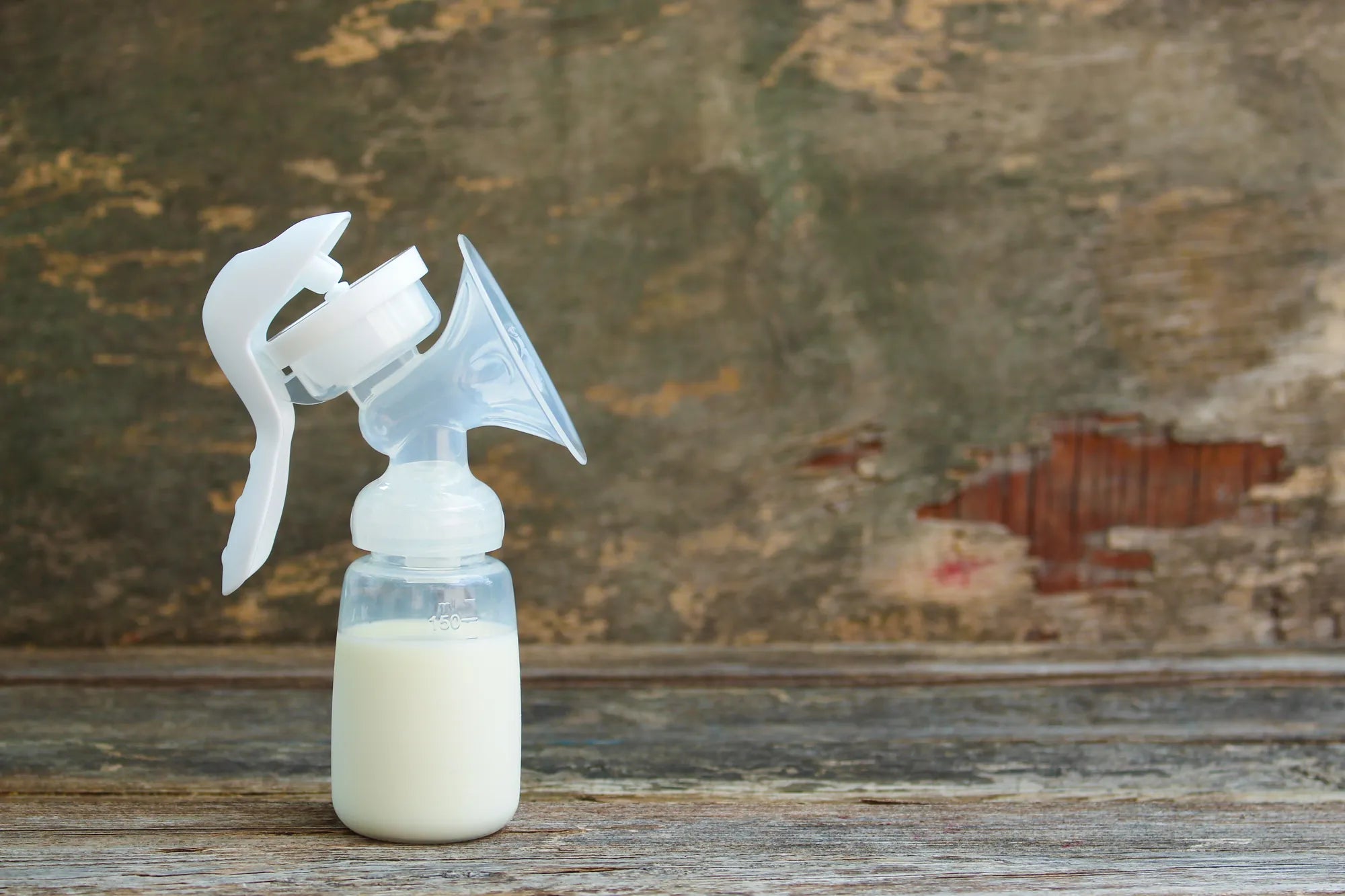
How to Fly with Breast Pump: A Comprehensive Guide for Traveling Moms
Traveling with a breast pump can feel daunting, but with the right knowledge and preparation, it is entirely manageable. This guide provides a clear, step-by-step roadmap for navigating air travel while maintaining your pumping schedule and ensuring your baby’s milk supply is safe and secure. You will learn your legal rights, master the art of packing, discover strategies for pumping in transit, and gain the confidence to handle any travel scenario. As a trusted maternal and baby care brand, MomMed specializes in creating reliable, comfortable products like our wearable breast pumps to support moms on the go.
Know Your Rights: TSA and Airline Regulations for Breast Pumps and Milk
Understanding federal regulations is your first line of defense against travel stress. The Transportation Security Administration (TSA) and Federal Aviation Administration (FAA) have explicit rules protecting breastfeeding travelers.
Breast pumps are considered medical devices. You are allowed to bring your pump, a cooler, and breast milk—whether you are traveling with or without your child. This is a crucial right for all pumping moms.
Breast milk, formula, and juice for infants are exempt from the standard 3.4-ounce (100ml) liquid rule. You can carry reasonable quantities in your carry-on bag, and TSA officers cannot limit the amount. It is advisable to inform the officer at the security checkpoint that you are carrying these items.
For screening, you can request a visual inspection of your milk and pump parts to avoid X-ray exposure, though TSA states the X-ray won’t harm the milk. Having your items organized in a separate bin can expedite the process. Ice packs and freezer packs are also allowed, regardless of their state of matter (frozen or slushy).
Pre-Flight Preparation: Your Essential Travel Pumping Checklist
Thorough preparation is key to a smooth journey. Start by creating a dedicated travel kit for your breast pump and supplies at least a day before your flight.
Your checklist should include every component of your pumping system. Forgetting a small part like a valve or membrane can render your pump unusable. Pack extras of these critical accessories.
Pump and Power Essentials
Your primary pump unit is non-negotiable. If you have a portable or wearable pump like the MomMed S21, its all-in-one design is ideal for travel. Ensure it is fully charged and pack the charger and any charging cables.
Bring a high-capacity portable power bank. Airport outlets and plane seat power ports are not always available or reliable. A power bank ensures you can pump anywhere.
Cleaning and Storage Supplies
Maintaining hygiene on the road is vital. Pack a travel-sized bottle of dish soap, a compact bottle brush, and a large zip-top bag for dirty parts. Disposable pump wipes or microwave steam sterilization bags are excellent for quick cleaning in airport bathrooms or hotel rooms.
For milk storage, bring more milk storage bags or bottles than you think you’ll need. Include a high-quality insulated cooler bag and several ice packs. Consider using pre-frozen ice packs that stay solid longer.
Packing and Carrying Your Pump: Carry-On vs. Checked Luggage
Always carry your breast pump, a small amount of milk, and essential accessories in your carry-on luggage. This rule cannot be overstated.
Checked bags can be lost, delayed, or exposed to extreme temperatures in the cargo hold, which could damage your pump or spoil your milk. Your carry-on bag keeps these critical items under your control at all times.
Organize your pump bag for easy access at security. Use clear, separate pouches for clean parts, dirty parts, and milk storage. When you reach the checkpoint, you can quickly present your cooler and pump for inspection without rummaging through your entire bag.
Wearable pumps offer a significant packing advantage. Models like the MomMed S12 or S21 are compact, cord-free, and fit discreetly in a bag, freeing up space for other travel essentials and simplifying the security process.
Navigating the Airport: Finding Privacy, Power, and Convenience
Airports are increasingly accommodating nursing and pumping mothers, but knowing where to look is essential.
Many major airports now feature dedicated lactation pods or mother’s rooms. These private spaces typically include a comfortable chair, a table, and an electrical outlet. Apps like Mamava or the airport’s own website can help you locate these rooms before you travel.
If a dedicated room isn’t available, don’t panic. Most women’s restrooms have a fold-down table in the accessible stall. While not ideal, it can work in a pinch. You have the right to pump wherever you and your baby are allowed to be.
For power, scout out gate areas with available outlets. Some airports have charging stations. Your portable battery pack is your best friend here, allowing you to pump without being tethered to a wall.
Pumping in the Air: Strategies for Discretion and Comfort
Pumping on an airplane is feasible with a little planning. The key is discretion and preparation to ensure your comfort and privacy.
When selecting your seat, a window seat is preferable. It provides more privacy and a wall to lean against. Aisle seats offer easier bathroom access but less privacy from the aisle traffic.
Using a wearable, cordless breast pump is arguably the best option for in-flight pumping. You can discreetly place the pumps inside your bra under a loose shirt or nursing cover, connect them to a portable battery in your pocket, and pump hands-free without drawing attention. The ultra-quiet motors in MomMed pumps are specifically designed for discretion.
Communicate with the flight attendants if you need assistance. They can sometimes provide a small cup of ice for your cooler or point you to the most discreet area. Be prepared with a large scarf or nursing cover for added privacy.
Storing and Transporting Breast Milk Safely While Traveling
Adhering to safe milk storage guidelines is critical for your baby’s health. Travel can disrupt normal refrigeration, so plan carefully.
Follow these general storage rules: freshly expressed milk can be kept at room temperature (up to 77°F or 25°C) for up to 4 hours. In an insulated cooler with ice packs, it can be kept for up to 24 hours. Once refrigerated (at 40°F or 4°C), use it within 4 days.
| Storage Method | Temperature | Safe Duration for Fresh Milk |
|---|---|---|
| Room Temperature | Up to 77°F (25°C) | Up to 4 hours |
| Insulated Cooler with Ice Packs | Cool, not frozen | Up to 24 hours |
| Refrigerator | 40°F (4°C) or below | Up to 4 days |
| Freezer | 0°F (-18°C) or below | Up to 12 months |
When packing your cooler, place ice packs on the bottom and top of the milk containers for even cooling. Use frozen ice packs, not just cold ones, for longer trips. You can ask a flight attendant or a coffee shop in the airport to refill a cup with ice if needed.
For international travel or long layovers, research your options. Some airport lounges or information desks may have a refrigerator you can use briefly. Never be afraid to politely ask for assistance to keep your baby’s food safe.
Frequently Asked Questions for the Traveling Pumping Mom
Can TSA make me taste or test my breast milk?
No. TSA officers are prohibited from asking you to taste, test, or otherwise consume your breast milk, formula, or juice as part of the screening process. They may test it using a separate liquid screening procedure, but you can always request a visual inspection instead.
What is the best type of breast pump for air travel?
Wearable, cordless breast pumps are highly recommended for travel. Their compact, all-in-one design eliminates bulky tubes and external bottles, making them easier to pack and use discreetly in tight spaces like airplane seats. The MomMed S21 Double Wearable Pump, for instance, offers hospital-grade suction in a quiet, portable design ideal for travelers.
How can I clean my pump parts during a long travel day?
If you don’t have access to soap and water, use pump cleaning wipes that are safe for food-contact surfaces. Wipe all parts that touch milk thoroughly. Alternatively, you can use microwave sterilization bags with a small amount of water at an airport restaurant or lounge. The “fridge method” is also an option for short-term storage: place rinsed parts in a sealed zip-top bag in your cooler and wash properly at your destination.
Is it okay to pump in my airplane seat?
Yes, it is perfectly acceptable to pump in your seat. For maximum discretion and ease, a wearable pump under a cover is ideal. Ensure you have all your supplies within reach before you sit down. Be mindful of your seatmate’s comfort, but remember that you are legally entitled to express milk for your child.
What if my milk supply dips due to travel stress or schedule changes?
It’s common to experience a temporary dip. Stay hydrated, try to pump or nurse on your usual schedule as much as possible, and use breast massage while pumping to encourage let-down. Hands-free pumps can make it easier to stick to your schedule. The stress is often temporary, and your supply should rebound once you’re back in your routine.
Conclusion: Embrace Your Journey with Confidence
Traveling as a pumping mom requires preparation, but it should not be a source of anxiety. By knowing your rights, packing strategically with a reliable wearable pump, and planning for storage and cleaning, you can navigate airports and flights with assurance. Your commitment to providing breast milk for your baby is commendable, and with these tools, the world remains open to you. For gear designed to support your journey, from ultra-quiet wearable pumps to efficient cleaning accessories, shop the MomMed collection at mommed.com for all your breastfeeding and pregnancy needs.