


Inicio
Pregnancy, Breastfeeding, and Pumping: The Ultimate Guide for Moms
How Soon Will a Pregnancy Test Read Positive: A Comprehensive Guide
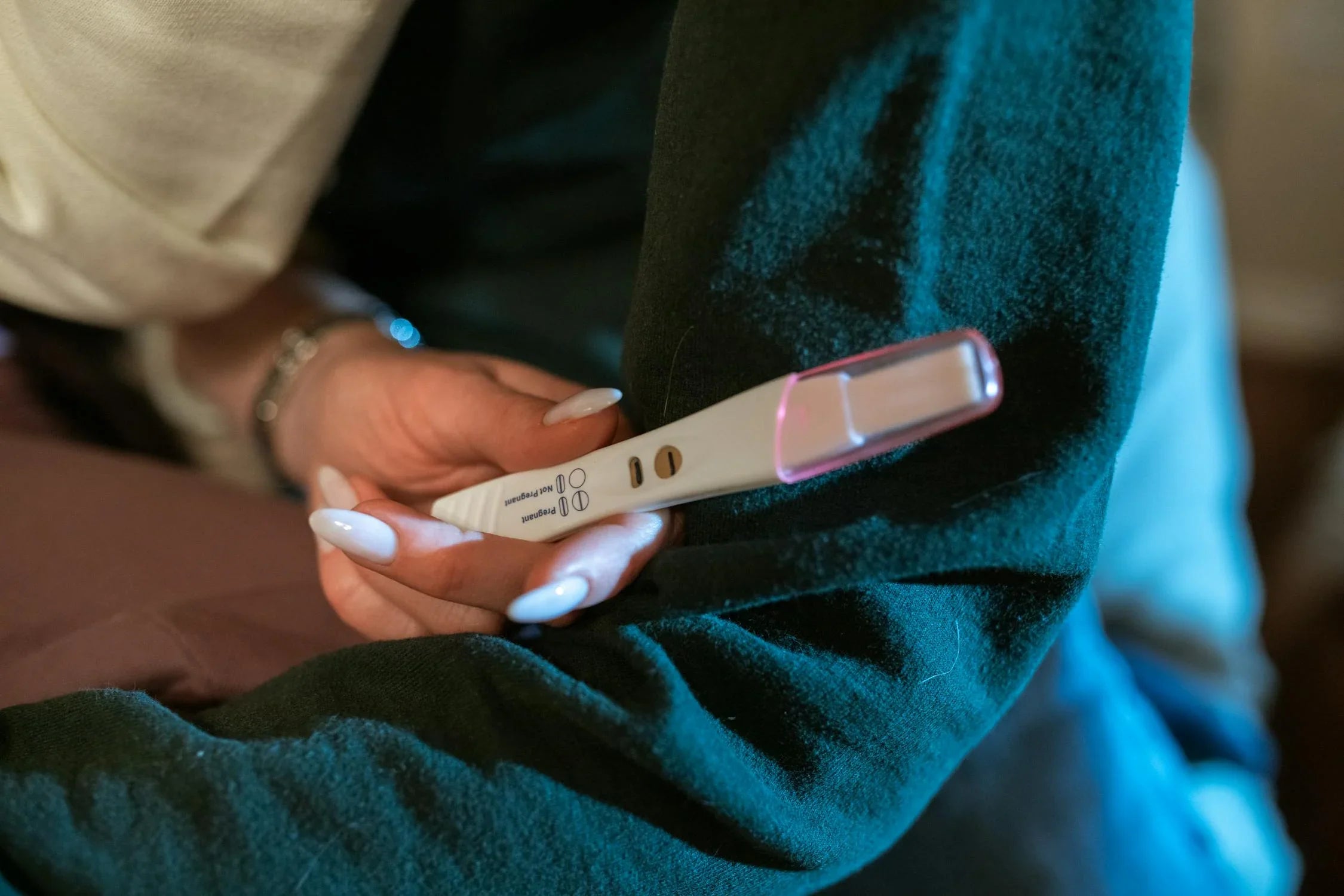
How Soon Will a Pregnancy Test Read Positive: A Comprehensive Guide
You're holding that small, crucial box, heart racing with a mix of hope and anxiety. The burning question is simple yet complex: how soon will a pregnancy test read positive? The answer isn't just a date on a calendar; it's a delicate interplay of biology, timing, and technology. This comprehensive guide cuts through the confusion with clear, factual information. You'll learn the science behind the test, understand the critical timeline from conception to detection, and discover how to get the most accurate result possible. We'll also explore what comes next, including how trusted maternal care brands like MomMed support you from this first moment of discovery through your breastfeeding journey.
The Science Behind the Positive: How Pregnancy Tests Work
All home pregnancy tests operate on the same fundamental principle: they detect the presence of the hormone human Chorionic Gonadotropin (hCG) in your urine. This hormone is often called the "pregnancy hormone" because it's produced almost exclusively by the cells that will eventually form the placenta.
After a fertilized egg implants into the uterine lining, hCG production begins. The hormone enters your bloodstream and is filtered out by the kidneys into your urine. Home tests contain antibodies that are specifically designed to bind to the hCG molecule. When urine is applied, if hCG is present above a certain threshold, it triggers a chemical reaction that produces a visual signal—a colored line, a plus sign, or a digital "pregnant" reading.
Not all tests are created equal. Their key differentiator is sensitivity, measured in milli-international units per milliliter (mIU/mL). A test with a sensitivity of 10 mIU/mL can detect lower levels of hCG than a test rated for 25 mIU/mL, meaning it has the potential to show a positive result earlier. However, higher sensitivity also requires more precise timing and technique.
It's crucial to understand that a test does not—and cannot—detect pregnancy itself. It detects hCG. Therefore, the question of "how soon" is entirely dependent on when implantation occurs and how quickly your body produces enough hCG to cross the test's detection threshold.
Key Factors That Determine "How Soon"
Pinpointing the earliest possible positive test requires understanding three interconnected biological events: ovulation, implantation, and hCG production. Your result timeline is a direct consequence of these processes.
Implantation: The Non-Negotiable Starting Line
Implantation is the event that initiates pregnancy signaling. After ovulation and fertilization, the resulting embryo travels down the fallopian tube. It typically implants into the uterine wall between 6 to 10 days after ovulation, with day 9 being a common average.
This window explains why a test can never be positive before approximately 6-8 days post-ovulation. No implantation means no hCG production. The process of implantation itself can sometimes cause light spotting, known as implantation bleeding, which is often mistaken for an early period.
hCG Levels and the Crucial Doubling Time
Once implantation happens, hCG production starts. In early viable pregnancies, hCG levels increase rapidly, roughly doubling every 48 to 72 hours. This exponential rise is why testing a day or two can make a dramatic difference.
For example, if your hCG is at 8 mIU/mL on a Monday, a 10 mIU/mL sensitivity test will show negative. By Wednesday, with levels potentially at 24 mIU/mL, the same test would likely show positive. Testing too early, even if you are pregnant, will yield a false negative simply because the hormone hasn't accumulated to a detectable concentration.
The Impact of Your Menstrual Cycle and Ovulation
Your cycle length and ovulation day are the frameworks for your personal testing calendar. A woman with a textbook 28-day cycle who ovulates on day 14 can expect her period around day 28. A woman with a 35-day cycle likely ovulates later, shifting everything back.
The most common advice—"test from the day of your missed period"—assumes a 14-day luteal phase (the time from ovulation to period). If you ovulated earlier or later than day 14, your "day of missed period" changes accordingly. Tracking ovulation through methods like basal body temperature charting or ovulation predictor kits provides a more accurate personal baseline for timing a test.
A Practical Timeline: When to Test for Accurate Results
This day-by-day guide, assuming a 14-day luteal phase and ovulation on day 14, illustrates the probability of an accurate positive result. Use it as a general framework, adjusting for your own cycle data.
| Days Past Ovulation (DPO) | Relation to Missed Period | Typical hCG Range (mIU/mL) | Chance of Detection* | Recommendation |
|---|---|---|---|---|
| 7-8 DPO | 5-6 days before | 0-5 | Very Low | Testing is not reliable. Implantation may not have occurred. |
| 9-10 DPO | 3-4 days before | 5-50 | Low to Moderate | Some ultra-sensitive tests (<10 mIU/mL) may show a faint positive. A negative is not definitive. |
| 11-12 DPO | 1-2 days before | 20-100 | Moderate to High | Many early-result tests will show positive if pregnant. First faint lines often appear. |
| 13-14 DPO | Day of missed period | 50-200 | High | Recommended testing day for standard tests. Accuracy is >99% for many brands when used correctly. |
| 15+ DPO | 1+ days after | 100+ | Very High | Results are highly reliable. If period is missed and test is negative, consider other causes or retest in 3 days. |
*Chance assumes a viable intrauterine pregnancy with normal hCG doubling times.
The most significant jump in reliability occurs between 10 and 14 days past ovulation. Patience, while difficult, is the most effective strategy for avoiding the emotional rollercoaster of ambiguous early results.
Choosing and Using Your Test for the Best Results
Selecting the Right Test: Sensitivity Over Hype
When choosing a test, look for the sensitivity rating on the package. Tests like the MomMed Early Detection Pregnancy Test are designed with high sensitivity to provide clarity during the early window. Digital tests are not inherently more sensitive; they simply translate the line result into words, which can be helpful for avoiding line confusion but may have a slightly higher hCG threshold to trigger a clear digital message.
Standard strip tests, midstream tests, and digital tests are all clinically accurate when used at the right time. Your choice should be based on personal preference for result display and the specific sensitivity level that meets your need for early information.
Best Practices for Testing: Maximizing Accuracy
Proper technique is as important as timing. Follow these steps to ensure your result is trustworthy:
- Use First-Morning Urine: Your first bathroom visit of the day provides the most concentrated urine sample, offering the highest level of hCG if present.
- Read Instructions Thoroughly: Timing varies. Some tests require a 5-second hold in the stream, others a 10-second dip. Reading the result window after 3 minutes versus 10 minutes can also affect interpretation.
- Check Expiration Dates: An expired test may contain degraded antibodies, leading to false negatives or faulty result lines.
- Set a Timer: Read the result strictly within the time window specified in the instructions. An "evaporation line"—a colorless indent where the test line would be—can sometimes appear after the valid read time and be mistaken for a faint positive.
A faint line, as long as it appears within the valid time window and has color, is almost always a true positive. It simply indicates a lower, early level of hCG.
Navigating the Results and Next Steps
Understanding a Positive Pregnancy Test
A positive test is a definitive indicator that hCG is present in your system. Congratulations are in order! Your next step is to schedule an appointment with your healthcare provider, typically around 8 weeks from your last menstrual period, for confirmation and prenatal care initiation.
Your provider will likely confirm with a quantitative blood test, which measures the exact level of hCG, and later, a dating ultrasound. It's advisable to begin or continue taking a prenatal vitamin with folic acid immediately upon receiving a positive home test result.
Understanding a Negative Test
A negative result when testing before or on the day of an expected period requires careful interpretation. If your period is late but the test is negative, the most likely explanations are that you ovulated later than calculated or that your period is delayed due to stress, illness, or hormonal fluctuations.
The recommended course of action is to wait 3 to 5 days. If your period still hasn't arrived, take a second test. If multiple tests remain negative and your period is significantly late, consult your healthcare provider to investigate other causes for amenorrhea.
When to Seek Medical Advice
Contact a doctor or midwife: after any positive test to begin prenatal care; if you experience severe abdominal pain, heavy bleeding, or dizziness alongside a positive test (potential signs of ectopic pregnancy); or if you have persistently missed periods with repeated negative pregnancy tests to explore underlying hormonal conditions.
Frequently Asked Questions (FAQ)
Q1: Can I get a false positive pregnancy test?
True false positives are rare. More common causes of a "false" positive include: reading an evaporation line after the time window, recent pregnancy loss (hCG can remain for weeks), certain fertility medications containing hCG (like trigger shots), or, very rarely, medical conditions like ovarian tumors. Most positive lines with color are true positives.
Q2: How soon will a pregnancy test read positive with twins?
Because twin pregnancies often produce higher levels of hCG earlier, you might get a positive result a few days sooner than with a singleton pregnancy. The initial positive line may also appear darker or develop more quickly due to the elevated hormone concentration.
Q3: Does the darkness of the test line mean anything?
In early pregnancy, line darkness generally correlates with hCG concentration. A faint line today should become darker over the next 48-72 hours as levels rise. However, line darkness should not be used to gauge the health or progression of a pregnancy compared to a blood test. Variations in urine concentration and test brand also affect line intensity.
Q4: I got a positive digital test but a negative line test. Which is correct?
This is unusual but can happen. Digital tests sometimes have a higher hCG threshold to trigger the "pregnant" message to avoid false positives. A sensitive line test may detect a very low level that the digital reader does not yet register. Retest with first-morning urine in 48 hours. The line test is likely detecting the early rise.
Q5: Can medications or medical conditions affect test results?
Most common medications (antibiotics, birth control, pain relievers) do not affect pregnancy test results. As noted, only medications containing hCG can cause a false positive. Medical conditions that affect pituitary function or certain cancers are extremely rare causes. When in doubt, consult your physician.
MomMed: Supporting You From Test to Feeding and Beyond
The moment you see a positive result, your journey transforms from anticipation to preparation. As a trusted maternal and baby care brand, MomMed is dedicated to supporting you through every subsequent stage with reliable, innovative, and comfortable products.
Understanding how soon a pregnancy test will read positive empowers you with knowledge at the very start. That same commitment to clarity and support extends to your breastfeeding experience. Many new moms face challenges like establishing milk supply, finding a comfortable pumping rhythm, and managing engorgement.
This is where MomMed's expertise shines. Developed with input from lactation consultants, products like the award-winning MomMed S21 Double Wearable Breast Pump are designed to address these very concerns. Its hospital-grade performance ensures efficient milk removal, which is crucial for building and maintaining supply, while its wearable, cordless design offers the freedom new mothers need. Proper flange fit—a critical factor in comfort and output—is addressed with multiple size inclusions, helping to prevent nipple pain and trauma.
From the accuracy of an early pregnancy test to the gentle efficiency of a wearable pump, the principle is the same: providing evidence-based, thoughtfully designed tools that empower you. All MomMed breast pumps, including the S12 Single Wearable and Swing models, use BPA-free, food-grade silicone for baby's safety and your peace of mind, making them a seamless part of your transition into motherhood.
Conclusion: Empowered by Knowledge, Supported on the Journey
The quest to know how soon a pregnancy test will read positive is rooted in a desire for certainty at a life-changing moment. The most reliable strategy is to test from the day of your missed period using a high-sensitivity test and first-morning urine. While the temptation to test early is powerful, understanding the science of implantation and hCG doubling times can help manage expectations and reduce anxiety.
Whether you're in the waiting window, celebrating a positive result, or planning for the arrival of your little one, remember that each stage comes with its own questions and needs. Equip yourself with accurate information and products that prioritize safety, comfort, and performance. Your journey is unique, and having trusted partners makes all the difference.
Shop the MomMed collection at mommed.com for all your breastfeeding and pregnancy needs, from early detection tests to innovative wearable pumps designed for the modern mom.