


Inicio
Pregnancy, Breastfeeding, and Pumping: The Ultimate Guide for Moms
How Often Can I Get a New Breast Pump: A Comprehensive Guide
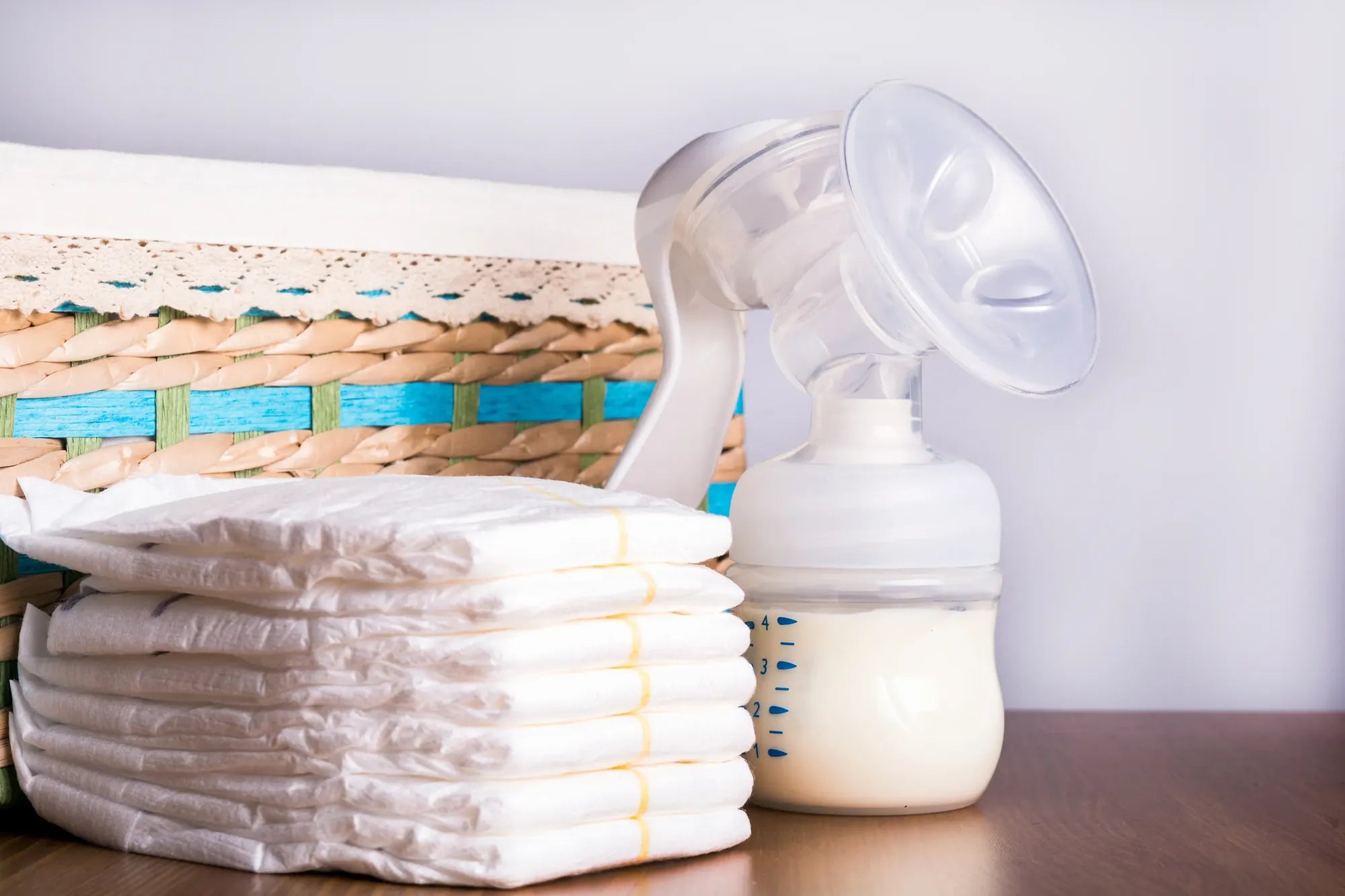
How Often Can I Get a New Breast Pump: A Comprehensive Guide
Navigating the logistics of obtaining a breast pump can feel overwhelming, especially when balancing the needs of your baby, your body, and often, insurance paperwork. The central question for many parents is straightforward yet complex: How often can I get a new breast pump? The answer isn't a simple number of months or years. It depends on a matrix of factors including your insurance coverage, the pump's performance, your personal circumstances, and the product's inherent lifespan. This comprehensive guide will demystify the rules, explore common scenarios, and provide you with the knowledge to secure the equipment you need, whether it's your first pump or a replacement. As a trusted brand in maternal care, MomMed is here to help you understand your options, from insurance-covered models to innovative wearable pumps designed for longevity and comfort.
The Insurance Landscape: Navigating Coverage Rules
For most families in the United States, health insurance is the primary gateway to obtaining a breast pump. The Affordable Care Act (ACA) mandates that most health plans provide breastfeeding support and equipment without cost-sharing. However, the specifics of "how often" are governed by a key principle: coverage is typically for one breast pump per pregnancy.
This means the clock resets with each new pregnancy, not with a calendar year. Your eligibility for a new, fully-covered pump begins when you are expecting again. The timing for ordering can vary by insurer; some allow you to order as soon as you have a confirmed pregnancy, while others require you to be within 30 to 90 days of your due date.
It's crucial to contact your insurance provider directly or use a dedicated breast pump insurance verification service. They can clarify your plan's specific "Durable Medical Equipment" (DME) benefits, list of in-network providers, and any required paperwork from your obstetrician or midwife. Assuming annual coverage is a common mistake that leads to frustration.
When Might Insurance Cover a Replacement Pump?
While the "one per pregnancy" rule is standard, there are exceptional circumstances where insurance may approve a replacement pump outside of a new pregnancy. Approval is not guaranteed and requires proper documentation and justification.
Irreparable Malfunction or Loss: If your pump motor fails completely and is outside the manufacturer's warranty period, your insurer may cover a replacement. You will likely need a letter from the manufacturer stating the pump is beyond repair or a receipt for a repair attempt. Similarly, if a pump is lost or stolen, a police report or detailed statement may be required.
Significant Change in Medical Need: This is a more nuanced category. If your or your baby's medical situation changes dramatically, a different type of pump may be deemed medically necessary. Examples include a premature baby requiring a hospital-grade pump for establishing supply, a mother diagnosed with a condition like IGT (Insufficient Glandular Tissue) needing a specific pump, or the development of severe nipple damage requiring a pump with vastly different settings.
Product Recall or Safety Issue: In the event of a formal manufacturer recall due to a safety defect, insurance companies often have protocols to replace the affected unit with a comparable model. Always register your pump with the manufacturer to receive direct notifications.
Beyond Insurance: Scenarios for Purchasing a New Pump
Many parents find themselves considering an out-of-pocket purchase for a new breast pump, regardless of insurance timelines. This decision is a personal investment in comfort, efficiency, and adapting to your evolving lifestyle. Understanding these scenarios can help you justify the expense.
Perhaps your insurance-provided pump is a basic, single-user model that doesn't suit your return-to-work schedule. Maybe you find the sessions too time-consuming or uncomfortable. Investing in a secondary or upgraded pump can be transformative for your breastfeeding journey, reducing stress and making the process more sustainable.
It's also common to seek a different style of pump. You might start with a traditional electric pump but realize the need for discreet, mobile pumping. This is where wearable pumps, like the MomMed S21, become a valuable second purchase, offering freedom that a primary plug-in model cannot.
Upgrading for Convenience and Performance
The evolution from a basic pump to a advanced model is a major reason for purchasing new equipment. Modern pumps offer features that directly impact a parent's quality of life and pumping output.
Hands-Free, Wearable Design: This is the most significant upgrade. Wearable pumps like the MomMed S21 Double Wearable Breast Pump allow for complete mobility. You can pump while preparing meals, working at a computer, caring for an older child, or even during a commute. This convenience can lead to more consistent pumping sessions, which is crucial for maintaining milk supply.
Enhanced Comfort and Efficiency: Newer pumps often feature more sophisticated stimulation and expression modes that mimic a baby's natural nursing pattern more closely. Adjustable suction strength and cycle speed allow for a personalized, comfortable experience, which can improve let-downs and yield. Quieter motors, a hallmark of MomMed pumps, also make pumping less intrusive at home or in shared spaces.
The Natural Lifecycle of a Breast Pump
Like any electromechanical device, a breast pump has a finite functional lifespan. Understanding this lifecycle is key to knowing when replacement is advisable for performance, hygiene, and safety reasons.
A high-quality double electric pump used multiple times daily is generally designed to last for 1 to 2 years of regular use. The motor will gradually lose power and efficiency. More importantly, plastic and silicone parts degrade over time, even with meticulous cleaning. Backflow protectors and membranes become less effective, potentially compromising the closed system and allowing moisture into the motor tubing.
Hygiene is a paramount concern. Microscopic cracks can develop in bottles, flanges, and valves, harboring bacteria and mold that are difficult to eradicate. Replacing worn parts is essential, but when the core motor unit is old and key components are no longer performing, investing in a new pump is often safer and more cost-effective than continual part replacement.
MomMed Spotlight: Choosing a Pump That Grows With You
At MomMed, our design philosophy centers on creating products that support mothers throughout their entire journey, not just at the starting line. We understand that a breast pump is a significant tool, and it should be built to offer reliability, comfort, and adaptability over time.
Our commitment to innovation in maternal care means our pumps are engineered with features that address the common pain points leading to premature pump replacement. From robust motors to ergonomic, wearable designs, we aim to provide a product that feels like a long-term partner in your feeding journey.
By focusing on durability and user-centric design, a MomMed pump isn't just a single-pregnancy device; it's an investment that can potentially serve you through multiple children, especially when maintained properly and paired with our genuine replacement parts.
Built to Last: Durability and Hospital-Grade Performance
The core of any reliable breast pump is its motor. MomMed pumps, including our award-winning S21 model, are built with a powerful, hospital-grade motor designed for thousands of hours of use. This ensures consistent suction performance over many months, preventing the drop in efficiency that can sabotage milk supply.
We utilize medical-grade, BPA-free materials for all parts that come into contact with breast milk. This commitment to safety and quality means our components are more resistant to wear and tear. Furthermore, features like ultra-quiet operation (below 45 dB) and multiple, programmable suction modes aren't just luxuries; they contribute to a less stressful pumping experience, encouraging regular use and extending the practical life of the pump in your daily routine.
The Advantage of a Wearable Design for Long-Term Use
The innovation of a wearable pump directly correlates to its longevity in a parent's life. A pump that seamlessly integrates into your daily activities is a pump you will use consistently and effectively for longer.
The MomMed S21's hands-free, in-bra design eliminates the feeling of being "tethered" to a wall outlet or a bulky machine. This mobility supports mental well-being and can make the difference between continuing to pump or weaning earlier than desired. By reducing the physical and logistical burdens, a wearable pump like the S21 supports a sustainable, long-term breastfeeding or pumping relationship, making it a worthwhile investment that pays dividends in flexibility and peace of mind throughout your journey.
Making the Decision: A Practical Checklist
Use this step-by-step checklist to systematically evaluate your situation and determine if it's time for a new breast pump.
1. Review Your Insurance Timeline: Are you in a new pregnancy? If yes, you are likely eligible for a new pump. Contact your insurer for their specific process. If not, do you have documented evidence of a qualifying event (malfunction, medical need change, loss)?
2. Diagnose Your Current Pump: Is the motor noticeably weaker or louder? Are you replacing valves, membranes, or duckbills more frequently than recommended (every 1-3 months)? Despite thorough cleaning, is there persistent moisture in the tubing or an unexplained drop in output? These are signs of aging.
3. Evaluate Your Lifestyle Needs: Have you returned to work or need more mobility? Would a hands-free pump significantly increase your pumping opportunities and reduce stress? Does your current pump's size, noise, or lack of portability create a barrier?
4. Conduct a Cost-Benefit Analysis: Compare the cost of continuously buying replacement parts for an aging pump versus investing in a new, more efficient model. Consider the value of your time and comfort. An upgrade that allows you to pump while multitasking has tangible benefits.
5. Research Your Options: If buying new, identify features that matter most: wearability, battery life, suction patterns, noise level, and ease of cleaning. Read reviews and ensure the pump has a good warranty and accessible customer support for parts.
Comparison: Insurance Pump vs. Premium Wearable Upgrade
The table below highlights typical differences between a standard insurance-provided pump and a premium wearable pump purchased out-of-pocket, like the MomMed S21.
| Feature | Typical Insurance-Provided Pump | Premium Wearable Pump (e.g., MomMed S21) |
|---|---|---|
| Primary Cost | Fully covered (per pregnancy) | Out-of-pocket investment |
| Design | Often traditional, plug-in with tubes | True wearable, cordless, in-bra design |
| Mobility | Limited; must be near outlet | Complete freedom of movement |
| Noise Level | Can be moderate to loud | Ultra-quiet (often <45 dB) |
| Use Case | Reliable primary or home-use pump | Ideal for on-the-go, work, or as a primary pump |
| Long-Term Value | High for initial cost, may lack advanced features | High for convenience and lifestyle integration |
Your Top Questions Answered (FAQ)
Q: Can I get both a manual and an electric pump through insurance?
A: It depends on your specific plan. Some insurers allow you to choose a combination (e.g., a double electric and a manual pump), while others strictly limit you to one pump per pregnancy. Always verify with your provider.
Q: What documentation do I need for an insurance replacement due to malfunction?
A> Typically, you need a written statement or receipt from a repair attempt, or a letter from the pump's manufacturer confirming it is beyond repair and not under warranty. Your insurer's DME department can provide exact requirements.
Q: How do I properly maintain my pump to make it last longer?
A> Follow the manufacturer's cleaning instructions meticulously. Replace soft parts (valves, membranes, duckbills) every 1-3 months or as soon as they lose elasticity. Never let milk backflow into the tubing. Store the pump in a clean, dry place. Use only genuine replacement parts designed for your model.
Q: Is the MomMed S21 pump covered by insurance?
A> Coverage varies by individual insurance plan. MomMed offers an insurance verification tool on our website to help you check your eligibility. Many plans that offer out-of-network benefits may provide reimbursement. Our team can also assist with necessary documentation.
Q: My pump is over a year old and my supply seems to be dropping. Could the pump be the issue?
A> Yes, a worn-out pump motor or degraded parts can significantly reduce suction efficiency, leading to incomplete emptying and a subsequent drop in supply. Before assuming it's a physiological issue, try replacing all soft parts. If problems persist, the motor itself may be failing, indicating it's time for a new pump.
Conclusion: Empowering Your Feeding Journey with the Right Tools
The frequency with which you can or should get a new breast pump is uniquely tied to your insurance coverage, your pump's physical condition, and the evolving demands of your life. While insurance provides a crucial foundation, your personal needs for comfort, efficiency, and mobility are equally valid reasons to consider an upgrade. Recognizing the signs of a pump nearing the end of its lifespan—from declining performance to hygiene concerns—protects both your milk supply and your baby's health. Investing in a durable, well-designed pump like those from MomMed is ultimately an investment in your own well-being and the sustainability of your feeding journey. Choose tools that empower you, adapt with you, and provide the reliable support you deserve every step of the way. Shop the MomMed collection at mommed.com for all your breastfeeding and pregnancy needs.