


Inicio
Pregnancy, Breastfeeding, and Pumping: The Ultimate Guide for Moms
How Many Times Can You Breast Pump a Day: A Comprehensive Guide for Every Mom
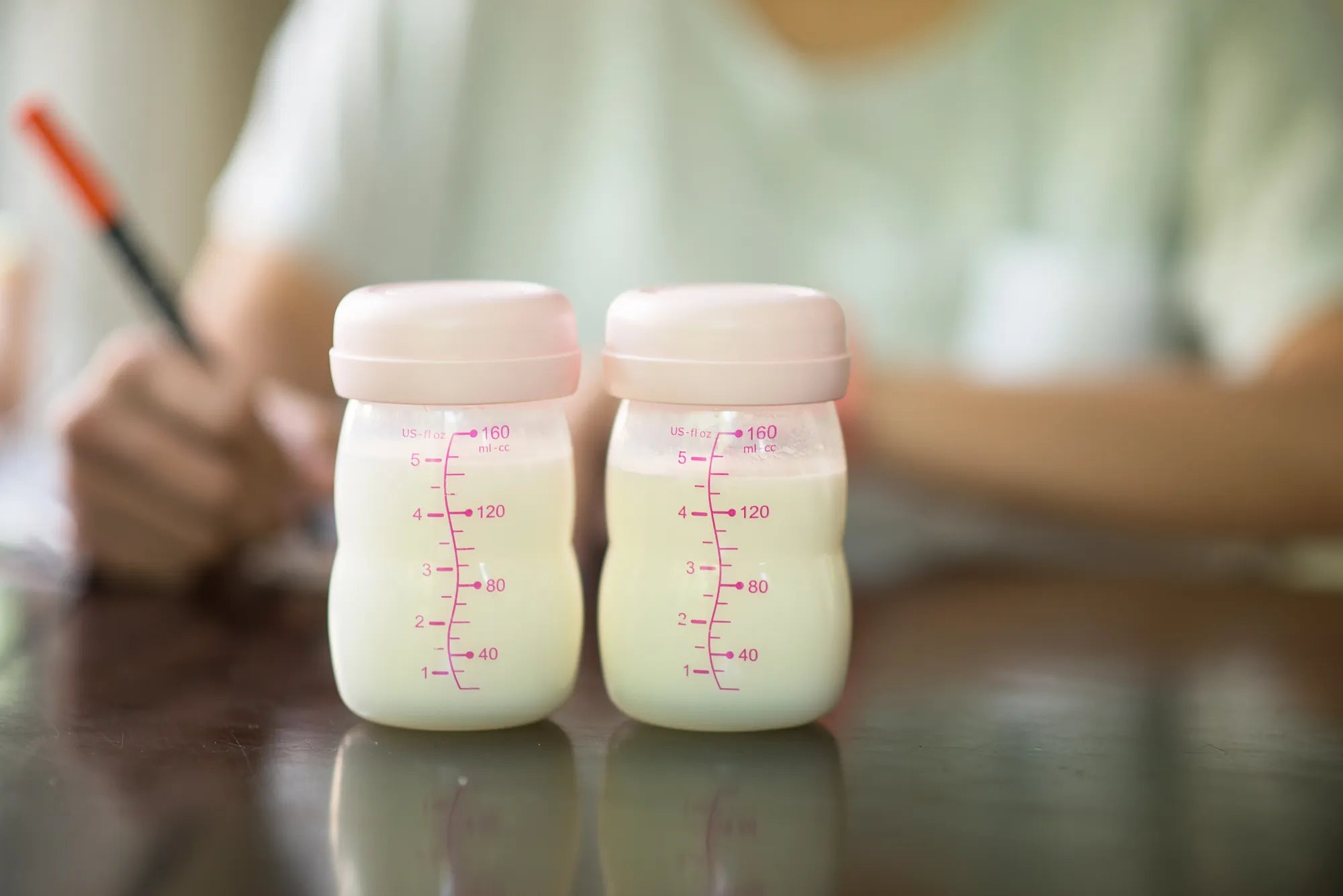
How Many Times Can You Breast Pump a Day: A Comprehensive Guide for Every Mom
How many times can you breast pump a day is the cornerstone question for establishing a successful and sustainable routine, whether you're exclusively pumping, returning to work, or building a freezer stash. The answer isn't a single magic number but a personalized rhythm influenced by your baby's age, your milk supply goals, and your body's unique response. This comprehensive guide will break down the science, provide clear scheduling frameworks, and offer practical strategies to help you find your ideal pumping frequency. You'll learn how to navigate the early weeks, maintain supply long-term, and use tools like MomMed's comfortable, innovative pumps to make the process more efficient and less stressful.
Understanding the "Why": The Science of Supply and Demand
Breast milk production operates on a simple yet powerful biological principle: supply and demand. The more frequently and effectively milk is removed from your breasts, the stronger the signal your body receives to produce more. This process is regulated primarily by a protein called Feedback Inhibitor of Lactation (FIL).
When milk accumulates in the alveoli (the milk-producing sacs), the concentration of FIL increases. This high level of FIL signals to your body to slow down production. Conversely, when the breast is emptied regularly, FIL levels drop, prompting your body to ramp up milk synthesis. Therefore, pumping frequency is the primary lever you control to manage your supply.
This principle applies differently across two key phases: establishing supply and maintaining it. In the first 4-12 weeks postpartum, frequent removal (8-12 times in 24 hours) is crucial to set a robust production capacity. Once your supply is well-established, you can often maintain it with slightly fewer sessions, provided they are consistent and effective. Understanding this science empowers you to make informed decisions rather than guessing about your schedule.
Key Factors That Determine Your Ideal Pumping Schedule
Your perfect daily pumping count is a personal equation. It's shaped by a combination of physiological factors and lifestyle realities. Let's examine the core variables you need to consider to solve for your optimal frequency.
Your Baby's Age and Feeding Stage
A newborn's stomach is tiny and requires frequent feeding, which directly dictates initial pumping frequency. For the first month, aiming for 8-12 sessions per 24 hours, mimicking a newborn's natural feeding pattern, is the gold standard for building a full milk supply. This often means pumping every 2-3 hours, including at least one session overnight.
As your baby grows (around 4-6 months), their stomach capacity increases and they may go longer between feeds. An exclusive pumper might find they can maintain supply with 6-8 pumping sessions per day, spaced more evenly. During weaning, the goal shifts to reducing frequency gradually to avoid engorgement and clogged ducts, signaling your body to slow production.
The schedule also differs vastly if you are exclusively pumping (EP) versus pumping to supplement direct breastfeeding. An EP mom must replicate all baby's feeds via the pump. A mom who pumps once or twice a day to create a stash or for occasional bottles will have a vastly different frequency focused on maintaining, not establishing, her primary supply.
Your Milk Supply Goals
Are you trying to increase a low supply, maintain your current output, or manage an oversupply? Your goal is the compass for your schedule. To increase supply, you typically need to add 1-2 extra pumping sessions per day or incorporate "power pumping" (simulating cluster feeding) for a short period. Consistency over several days is key to seeing results.
For maintaining a healthy supply, consistency in timing and frequency is more important than an extremely high number of sessions. Many moms find a "sweet spot" of 5-7 pumps per day that keeps their output stable. If you are managing an oversupply, you must reduce frequency very gradually—dropping one session every few days—to avoid triggering mastitis or clogged ducts while gently lowering production.
Returning to Work or Being Away from Baby
This is a major logistical shift. The general rule is to pump as often as your baby would normally feed during the hours you are apart. For a typical 8-hour workday, this usually means 2-3 pumping sessions. Maintaining this consistency on workdays is critical to protect your supply.
On weekends or days at home, you may choose to pump less frequently if you are breastfeeding directly. However, some moms find their bodies respond best to a consistent routine seven days a week. Using a high-efficiency, portable pump like the MomMed S21 Wearable Breast Pump can make workplace pumping more discreet and manageable, increasing the likelihood you'll stick to your necessary schedule.
Sample Pumping Schedules: From Newborns to Working Moms
Visualizing a schedule can be incredibly helpful. Below are sample frameworks. Remember, these are templates to adapt, not rigid prescriptions.
Exclusive Pumping for a 2-Month-Old (8 sessions per day)
This schedule aims for roughly every 3 hours, with one longer stretch at night to allow for some rest.
- 6:00 AM: Pump
- 9:00 AM: Pump
- 12:00 PM: Pump
- 3:00 PM: Pump
- 6:00 PM: Pump
- 9:00 PM: Pump
- 12:00 AM: Pump
- 3:00 AM: Pump (optional, can be dropped if supply is well-established and you need sleep)
Working Mom Pumping Schedule (3 sessions during 9-5 workday)
This mom breastfeeds in the morning and evening and pumps during the workday to provide bottles for the next day.
- 7:00 AM: Direct Breastfeed
- 10:00 AM: Pump at work
- 1:00 PM: Pump at work
- 4:00 PM: Pump at work
- 7:00 PM: Direct Breastfeed
- Before bed: Optional pump or direct feed if baby wakes.
Quality Over Quantity: Maximizing Output Per Session
Focusing solely on how many times can you breast pump a day misses a critical component: session efficacy. A 15-minute efficient pump can often yield more than a 30-minute ineffective one. Key strategies include using "hands-on pumping" (gentle breast massage before and during pumping), ensuring a proper flange fit (nipple should move freely without excess areola pulled in), and finding a relaxed setting to trigger let-downs.
The pump you use plays a monumental role in efficiency and comfort. A pump with adjustable suction patterns and cycles can better mimic a baby's nursing, leading to more complete emptying. Discomfort can inhibit let-downs, making frequent pumping feel like a chore. This is where innovation in pump design directly supports your frequency goals.
The Role of a Comfortable, Effective Pump
MomMed pumps are engineered with the science of milk removal and mom's comfort in mind. The S21 Double Wearable Breast Pump, for instance, features a BPA-free, food-grade silicone flange designed for a comfortable seal. Its portable, hands-free design allows you to move freely, reducing stress and potentially improving milk flow through relaxation. When you're not anchored to a wall outlet or tangled in tubes, fitting in those crucial extra sessions—or simply maintaining your schedule on a busy day—becomes significantly more feasible. An effective pump that you don't dread using is a key factor in sustaining the optimal daily pumping frequency for your journey.
Recognizing the Signs: When to Adjust Your Frequency
Your body gives clear feedback on whether your current schedule is working. It's essential to listen and adjust accordingly. Persistent signs of undersupply, such as your baby showing hunger cues shortly after a full bottle or not gaining weight adequately, may indicate a need to add a pumping session or evaluate pump effectiveness.
Conversely, symptoms of oversupply or poor drainage include frequent engorgement, recurrent clogged ducts, or mastitis (breast pain, redness, fever). This might mean you need to pump more frequently to fully empty, or if oversupply is the issue, you may need to pump for comfort only (not to empty) as you gradually extend time between sessions. Extreme fatigue and feeling "chained to the pump" are also valid signs that your current frequency may be unsustainable and needs modification for your mental health.
Pumping Frequency Comparison: Key Scenarios
This table summarizes how the goal of how many times can you breast pump a day changes across common situations.
| Scenario | Typical Daily Frequency | Primary Goal | Key Considerations |
|---|---|---|---|
| Establishing Supply (0-12 weeks) | 8-12 times | Build a full milk production capacity | Include at least one night session. Consistency is critical. |
| Exclusive Pumping (3-6 months) | 6-8 times | Fully replace all infant feeds | Focus on complete emptying. Schedule stability maintains supply. |
| Working Mom (Pumping at work) | 2-4 times during separation | Provide milk for absence & maintain supply | Mimic baby's feeding interval. Portable pumps are invaluable. |
| Supplementing (1-2 bottles/day) | 1-3 times | Create a small stash or occasional bottles | Often done after morning feeds when supply is naturally higher. |
| Weaning from the Pump | Gradually reducing | Slowly decrease milk production | Drop one session every 3-7 days. Pump for comfort, not to empty. |
Common Questions About Daily Pumping (FAQ)
Q: Can you pump too many times a day?
A: While "too many" is rare for moms building supply, excessive pumping (e.g., every hour for prolonged periods) can lead to nipple damage, excessive fatigue, and potentially contribute to oversupply issues, which come with their own risks like mastitis. It's more about sustainable, effective removal.
Q: How long should I wait between pumping sessions?
A> In the early months, 2-3 hours between sessions is common. As supply regulates, you may extend to 3-4 hours during the day, with one longer 4-6 hour stretch at night for sleep. The interval should allow your breasts to refill adequately but not become overly full for extended periods.
Q: Is it okay to pump only 2-3 times a day?
A: For most moms, 2-3 times a day is not enough to establish or maintain a full milk supply in the first 6 months. It may be sufficient for a mom with a well-established supply who is weaning, or for a mom who is partially supplementing with formula. Monitoring your output and baby's growth is essential.
Q: How does pumping at night affect supply?
A> Prolactin, the milk-making hormone, is highest at night. A night session (between 1-5 AM) can be particularly powerful for signaling your body to produce more milk. Many moms find dropping the night pump is one of the first changes that leads to a supply dip.
Q: How do I know if I'm pumping enough for my baby?
A> The best indicators are your baby's output and growth. They should have 5-6 wet diapers and 3-4 soiled diapers per day (after the first week) and follow their growth curve. For exclusive pumpers, a rough guide is to pump about 25-35 oz (750-1050 mL) total per day for a 1-6 month old, but individual needs vary.
Your Schedule, Your Journey
Determining how many times can you breast pump a day is a dynamic process of observation and adjustment. Start with evidence-based guidelines, then tailor them to your body's signals, your baby's needs, and the realities of your life. There is no universal answer, but there is a right answer for you and your baby at each stage. Trust the process, consult with an IBCLC if you hit challenges, and equip yourself with tools that make the journey smoother. You deserve a pumping experience that supports your goals without sacrificing your well-being.
Finding the right pump is a foundational step in creating a sustainable routine. Explore the MomMed collection at mommed.com for innovative, comfortable, and reliable breast pumps like the award-winning S21 Wearable, designed to empower you in your feeding journey. Shop the MomMed collection at mommed.com for all your breastfeeding and pregnancy needs.