


Inicio
Pregnancy, Breastfeeding, and Pumping: The Ultimate Guide for Moms
How Long Can You Keep Breast Milk Out After Pumping: Essential Guidelines
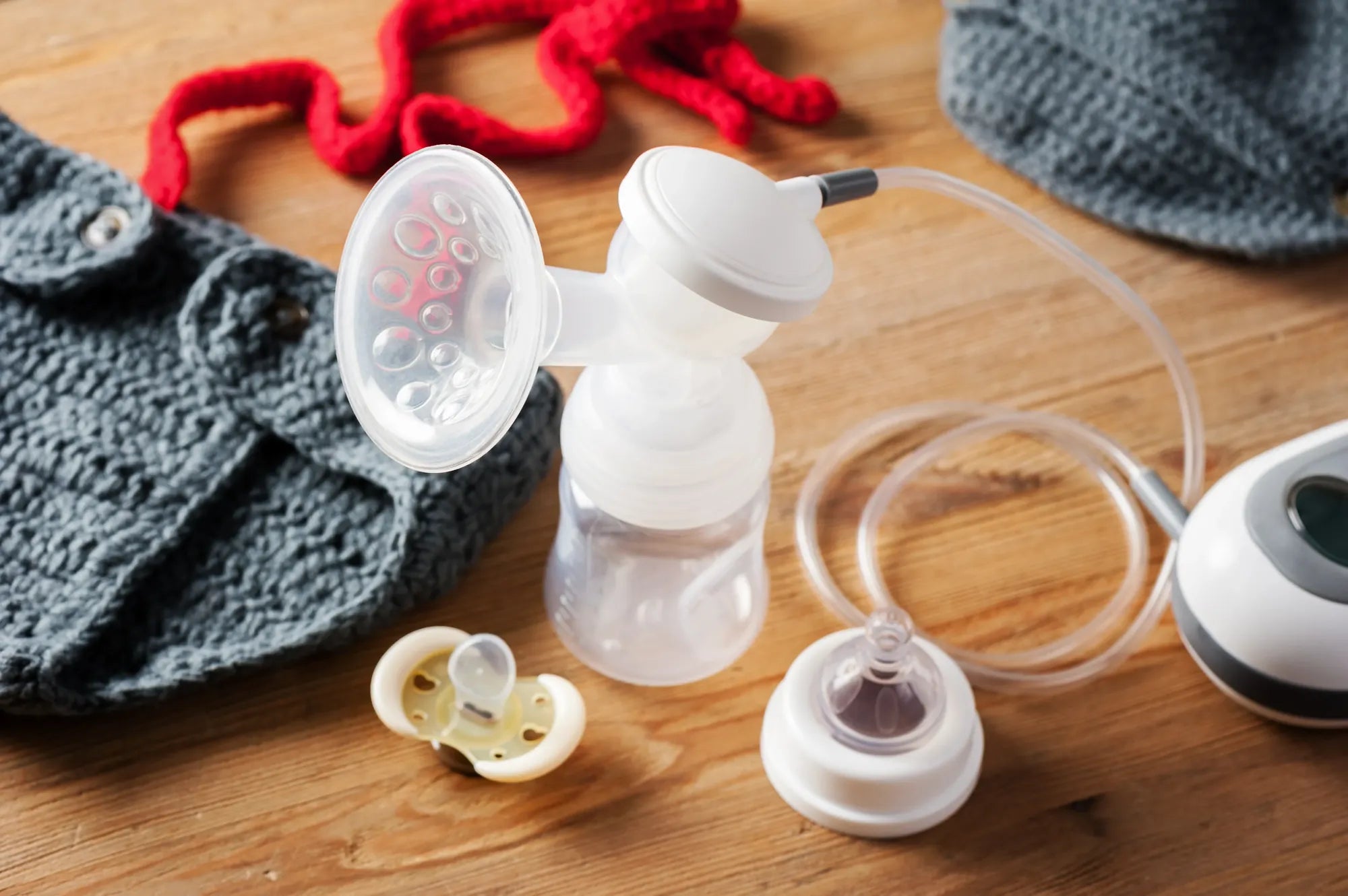
How Long Can You Keep Breast Milk Out After Pumping: Essential Guidelines
Safeguarding Your Liquid Gold
For pumping mothers, every ounce of expressed breast milk represents significant time, effort, and dedication. Protecting its nutritional and immunological value is paramount. The central question, "How long can you keep breast milk out after pumping?" is crucial for both safety and preventing waste.
This guide provides clear, evidence-based guidelines from leading health authorities. You will learn the precise timelines, the science behind them, and practical strategies to navigate storage confidently. Understanding these rules ensures your baby receives the safest, highest-quality milk possible, whether you're at home or on the move.
Understanding the "Danger Zone": Why Temperature Matters
Breast milk is a living substance, rich in antibodies, probiotics, and nutrients. However, this same biological complexity makes it susceptible to bacterial growth when stored improperly. The core principle of milk storage revolves around temperature control to inhibit this growth.
The "temperature danger zone" is defined by food safety experts as between 40°F (4°C) and 140°F (60°C). In this range, bacteria can double in number in as little as 20 minutes. Freshly pumped milk starts out sterile within the breast, but it can be introduced to bacteria from the skin, pump parts, or the air during expression.
Room temperature guidelines are not one-size-fits-all. They depend heavily on two key variables: the initial bacterial load from pumping hygiene and the actual ambient temperature of the room. A cooler, cleaner start grants milk a longer safe window outside refrigeration.
This is why following strict protocols for handling and using reliable, hygienic equipment is the non-negotiable first step. Brands like MomMed prioritize this by designing breast pumps with BPA-free, food-grade silicone components in closed systems to minimize contamination risk from the very first drop.
The Essential Timeline: Room Temperature, Fridge, and Freezer Guidelines
Official guidelines from the Centers for Disease Control and Prevention (CDC) and the Academy of Breastfeeding Medicine provide a consistent framework. The following table summarizes the storage times for fresh human milk under different conditions, offering a quick reference for daily use.
| Storage Location | Temperature | Recommended Time | Key Considerations |
|---|---|---|---|
| Room Temperature | Up to 77°F (25°C) | Up to 4 hours | Ideal conditions; cooler is better. |
| Insulated Cooler Bag | With ice packs | Up to 24 hours | Packs must be frozen, milk containers kept cool. |
| Refrigerator | 39°F (4°C) or below | Up to 4 days | Store in the back, not the door. |
| Freezer (separate door) | 0°F (-18°C) or below | 6-12 months ideal | Use airtight containers; label with date. |
| Deep Freezer | -4°F (-20°C) or below | 12 months | Best for long-term storage. |
Freshly Pumped Milk at Room Temperature
The widely accepted standard is that freshly expressed breast milk can be kept at room temperature (up to 77°F or 25°C) for up to 4 hours. This guideline assumes typical indoor conditions and proper handling. Some sources, like La Leche League International, note that in cooler (60-70°F), cleaner environments, this window may extend to 6-8 hours.
However, for maximum safety, especially with newborns, erring on the side of the 4-hour rule is strongly advised. The clock starts ticking from the moment the milk is expressed. If the room is particularly warm—above 77°F—the safe duration shortens significantly, and refrigeration or cooling should be prioritized immediately.
Refrigerated and Frozen Breast Milk
While this article focuses on the "out after pumping" window, understanding the full storage continuum is vital. Milk placed in the refrigerator at 39°F (4°C) or colder is best used within 4 days, though some guidelines allow for up to 5-8 days under very clean conditions.
For long-term storage, a standard freezer compartment with a separate door can preserve milk for 6-12 months. A deep freezer maintains quality for about 12 months. Always use the "first in, first out" principle and store milk in the coldest part of the appliance, away from the door.
Factors That Can Shorten or Extend Milk's Freshness
The 4-hour room temperature rule is a baseline. Several key variables can influence this timeline, making your judgment and conditions critical components of milk safety.
Pump and Handling Hygiene
This is the most critical controllable factor. Bacteria introduced during pumping set the stage for spoilage. Always wash hands thoroughly with soap and water before handling pump parts or breasts. Pump parts should be cleaned after every use according to manufacturer instructions.
Using a pump with a closed system design, like the MomMed S21 Wearable Breast Pump, prevents milk and moisture from backflowing into the tubing and motor, significantly reducing the risk of mold and bacterial contamination. Ensuring all parts that touch milk are made of food-safe, BPA-free materials is non-negotiable for infant safety.
Ambient Room Conditions
A hot summer day, direct sunlight on a counter, or a stuffy, humid room can rapidly accelerate bacterial growth, potentially reducing safe time to 2 hours or less. Conversely, milk pumped and left in a cool, dry, shaded room around 60°F may remain safe closer to the 6-hour mark.
Always assess your environment. If you're sweating, the room is likely too warm for prolonged milk storage. Never leave a bottle or milk bag in a hot car or near a heating vent.
Your Baby's Health Status
The recipient of the milk is a crucial consideration. For full-term, healthy infants, the standard guidelines apply. However, for premature infants, newborns under one month old, or babies who are immunocompromised or hospitalized, stricter protocols are mandatory.
In these cases, pediatricians often recommend limiting room temperature time to 1-2 hours maximum, with immediate refrigeration being the gold standard. Always follow the specific guidance provided by your baby's healthcare team.
Best Practices for Pumping On-the-Go with MomMed
Modern motherhood often means pumping away from home. Fortunately, innovation in breast pump technology and accessories provides practical solutions to maintain milk safety without being tethered to a refrigerator.
The Advantage of a Closed System & Portable Cooling
A closed-system pump is essential for hygienic, on-the-go pumping. It acts as a barrier, ensuring expressed milk cannot travel back into the motor or tubing. This design, featured in MomMed pumps, keeps the milk pathway clean and protects the pump's integrity.
For storage, a high-quality insulated cooler bag with frozen ice packs is a mobile mom's best friend. Placing freshly expressed bottles or bags directly into this cooler immediately after pumping effectively stops the "room temperature" clock and resets it to the "cooler with ice packs" timeline of up to 24 hours. This allows for full-day outings or workdays with peace of mind.
Maximizing Comfort and Efficiency to Preserve Quality
A mother's stress and discomfort can impact milk ejection and flow. An efficient, comfortable pumping session leads to better milk removal, which is beneficial for supply and ensures the milk is expressed effectively from the start.
Wearable pumps like the MomMed S21 offer discreet, hands-free operation with adjustable suction cycles. This allows mothers to pump in a relaxed state, which can promote a better let-down and optimize the quality of the milk collected. Comfortable, well-fitting flanges are also crucial for efficient expression and preventing nipple damage, which could introduce infection risks.
Troubleshooting Common Scenarios and FAQs
Real-life situations often create questions. Here are evidence-based answers to common dilemmas.
Q: Can I refrigerate breast milk that's been sitting out for 3 hours?
A: Yes. If freshly expressed milk has been at room temperature for less than 4 hours, it is safe to move it to the refrigerator. The total storage time would then be the remaining refrigerator time (e.g., if refrigerated after 3 hours out, use it within 4 days).
Q: How can I tell if breast milk has gone bad?
A> Trust your senses. Spoiled breast milk often has a distinctly sour or rancid odor, similar to spoiled cow's milk. A soapy smell alone is usually due to high lipase activity and is safe, though some babies may refuse it. Visually, significant separation is normal, but if it doesn't re-mix with gentle swirling or has clumps, it may be spoiled. When in doubt, discard it.
Q: What if my baby doesn't finish a bottle during a feeding?
A> Once a baby's mouth has touched the bottle, saliva introduces bacteria. The CDC recommends using that bottle within 2 hours of the start of the feeding. Do not refrigerate it for later. It's best to offer smaller amounts to avoid waste.
Q: Does the type of container affect how long milk can be out?
A> Yes. Use clean, food-grade containers specifically designed for milk storage, such as hard-sided bottles or pre-sterilized breast milk bags. Ensure they are sealed tightly. Avoid using ordinary plastic bags or containers not intended for food, as they may leach chemicals or not seal properly.
Q: Can I combine freshly pumped milk with milk already in the fridge?
A> You can, but with caution. Cool the newly expressed milk in the refrigerator or under cold running water first. Never add warm milk to already cooled milk, as it can raise the temperature of the stored batch into the danger zone. Combine milks pumped on the same day.
Advanced Storage and Handling Techniques
Beyond the basics, several techniques can optimize milk quality and safety throughout the storage process.
When freezing, leave about an inch of space at the top of bags or containers to allow for expansion. Lay bags flat to freeze; this creates thin, brick-like shapes that thaw quickly and stack efficiently. Always label every container with the date and volume. Consider adding your baby's name if the milk will be used at a daycare facility.
Thawing should be done gradually. The safest methods are overnight in the refrigerator, under cool then warm running water, or in a container of warm water. Never thaw or warm breast milk in a microwave, as it creates dangerous hot spots that can scald your baby and destroys valuable nutrients and antibodies.
Once thawed in the refrigerator, use the milk within 24 hours. Never refreeze previously frozen and thawed breast milk. If left at room temperature after thawing, use it within 1-2 hours.
Confidence in Your Feeding Journey
The journey of providing breast milk is one of profound care. Mastering storage guidelines—particularly the crucial 4-hour rule for room temperature—empowers you to protect that effort. Remember, hygiene is the foundation, environmental conditions are the variable, and when in any doubt, it is always safest to discard.
Your dedication deserves tools that support your success. MomMed is committed to being that partner, offering innovative, reliable products designed with your real-life challenges in mind. From the award-winning, hygienic closed system of the S21 Wearable Pump to safe storage accessories, we provide solutions that help you navigate feeding with greater ease and confidence.
Shop the MomMed collection at mommed.com for all your breastfeeding and pregnancy needs, and ensure your liquid gold is preserved with the safety and quality your baby deserves.