


Inicio
Pregnancy, Breastfeeding, and Pumping: The Ultimate Guide for Moms
How Do You Know When You're Done Breast Pumping: A Comprehensive Guide for Every Mom
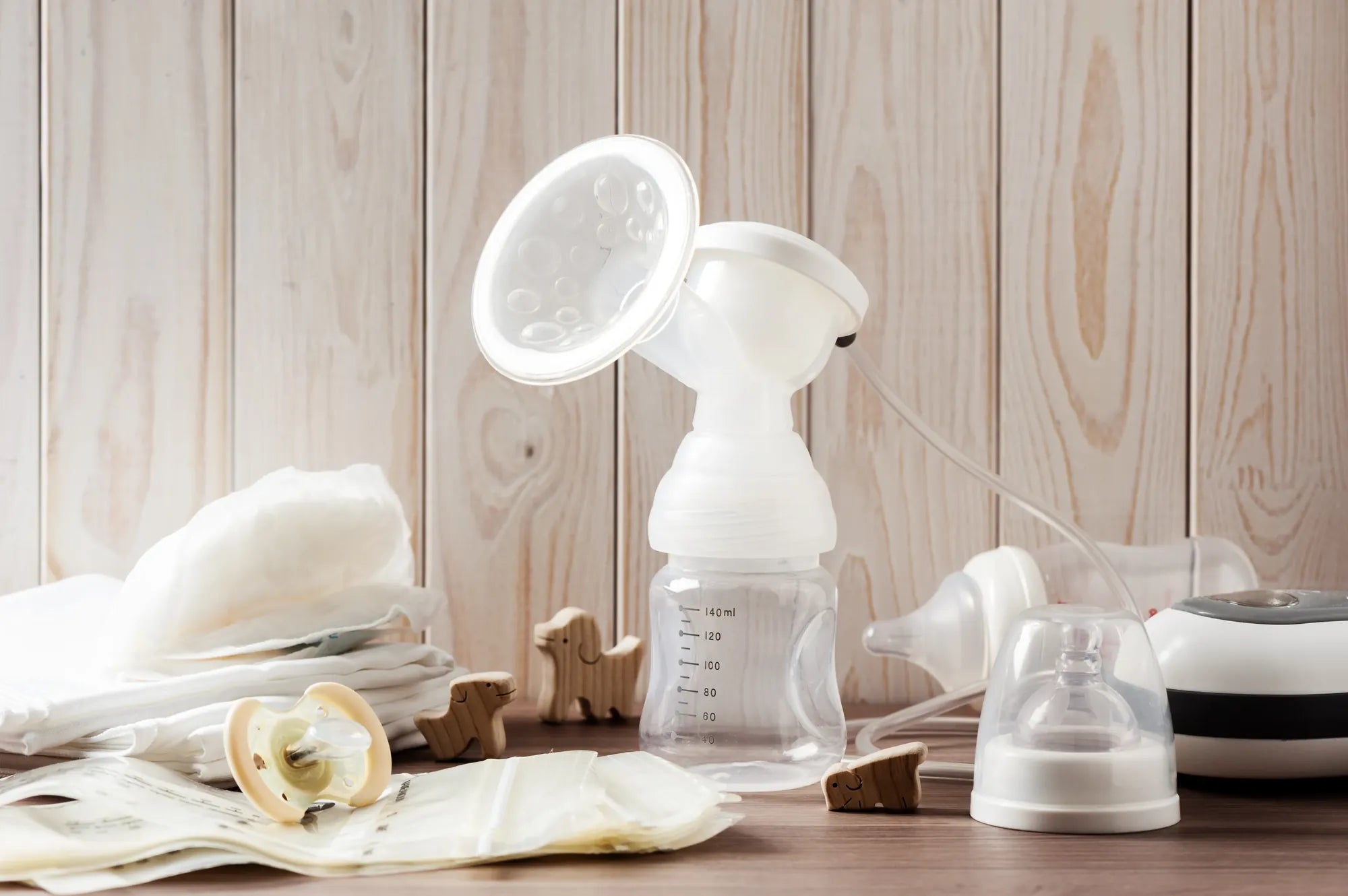
How Do You Know When You're Done Breast Pumping: A Comprehensive Guide for Every Mom
Introduction: Understanding the "Finish Line" of Your Pumping Journey
The question of how do you know when you're done breast pumping is one that resonates deeply with every pumping parent. It's not just a logistical query; it's an emotional milestone wrapped in practicality. Unlike a clear medical endpoint, this decision is deeply personal, influenced by your body, your baby, and your life.
There is no universal right answer, only the right answer for your family. This comprehensive guide will walk you through the physiological signals, emotional readiness cues, and practical steps to navigate this transition with confidence and comfort.
From establishing your supply to weaning from it, MomMed is committed to supporting you with reliable, comfortable, and innovative products designed for every stage of your feeding journey.
Key Signs Your Body is Naturally Weaning from Pumping
Your body often provides the first clues that your pumping journey is nearing its natural conclusion. Recognizing these signs can help you work with your physiology, not against it.
A consistent, gradual drop in milk output over several weeks is a primary indicator. It's normal for output to fluctuate daily, but a sustained downward trend, despite maintaining your usual pumping frequency and technique, suggests a natural supply regulation.
You may notice your breasts feel consistently softer and less full, even before a scheduled pumping session. The pronounced feeling of heaviness or engorgement you experienced in early lactation becomes rare or absent.
The sensation of the milk let-down—often felt as tingling or tightening—may become less intense or harder to trigger during pumping sessions. This reflects a hormonal shift as your body produces less oxytocin in response to the pump.
Setting Realistic Output Expectations
It's crucial to differentiate between a natural weaning process and a temporary supply dip. Stress, hydration, menstrual cycle return, and illness can cause short-term decreases.
A natural weaning trend is progressive and relatively stable when other factors are constant. Tracking output in a journal or app can help you identify a true pattern versus a temporary blip.
Lifestyle & Personal Readiness: Emotional and Practical Cues
Beyond biology, your mental and logistical readiness is equally valid. Knowing when you're done breast pumping often aligns with achieving personal goals and reclaiming autonomy.
Many parents set initial targets, such as providing breast milk for 6 months, 1 year, or until their baby starts solids. Reaching these self-determined milestones can bring a profound sense of accomplishment and a natural endpoint.
The sheer time commitment of pumping—cleaning parts, managing schedules, being tethered to a machine—can become overwhelming. A strong desire to reclaim that time for yourself, your baby in other ways, or your work is a significant practical cue.
Feeling "touched out" or experiencing persistent pumping-related stress, dread, or resentment are important emotional signals. Your well-being is a critical component of your baby's health, and stopping pumping to improve your mental state is a valid and healthy choice.
The Gradual Weaning Process: A Step-by-Step Guide
Abruptly stopping pumping can lead to engorgement, clogged ducts, or mastitis. A gradual approach is essential for comfort and breast health. This method allows your body to slowly reduce milk production.
Planning Your Weaning Schedule
You can wean by dropping entire sessions or by shortening the duration of each session. A common method is to eliminate one pumping session every 3-7 days. Start by dropping your least productive or most inconvenient session.
Alternatively, reduce the time spent pumping at each session by 2-5 minutes every few days until you are down to just 5 minutes per session, then drop it entirely. Listen to your body; if you feel uncomfortable, slow the pace.
Adjusting Your MomMed Pump Settings for Comfort
Modern pumps like the MomMed S21 Wearable Breast Pump are invaluable tools for a comfortable wean. Instead of using the high-stimulation "Let-Down" mode, try pumping in a gentler, continuous mode at a lower suction level.
The goal during weaning is to remove just enough milk for comfort, not to empty the breast completely, which signals your body to make more. The customizable settings on MomMed pumps allow you to find the perfect, gentle rhythm for this phase.
Managing Discomfort and Engorgement
If you experience fullness, use hand expression for just 1-2 minutes to take the edge off. Apply cold packs or cool cabbage leaves to your breasts for 15-20 minutes to reduce swelling and inflammation.
Wear a supportive, comfortable bra that is not too tight. Avoid excessive heat or massage on the breasts, as this can stimulate more milk production. A product like the MomMed Wearable Pump can be used for brief, discreet relief if needed without a full session.
How to Know Your Baby is Ready: Developmental Milestones
Your decision on when you're done breast pumping is often made in tandem with your baby's growth. Observing their readiness provides reassurance that their nutritional needs will continue to be met.
The American Academy of Pediatrics recommends exclusive breastfeeding for about 6 months, with continued breastfeeding alongside complementary foods for 1 year or longer. Many parents use the 1-year mark as a key developmental and nutritional milestone.
By 12 months, your baby should be consuming a significant variety of solid foods, including iron-rich proteins, fruits, vegetables, and grains. Their primary nutrition shifts from milk to food.
Your baby should be able to drink well from a sippy cup or straw cup. This shows they can efficiently hydrate and consume cow's milk or a fortified alternative if desired, independent of a bottle or breast.
Navigating the Transition: Pumping vs. Direct Feeding Weaning
The process of knowing when you're done breast pumping can differ from weaning a baby from direct breastfeeding. Understanding these nuances helps set appropriate expectations.
| Factor | Weaning from Exclusive Pumping | Weaning from Direct Breastfeeding |
|---|---|---|
| Primary Signal | Parent's schedule, output, and personal readiness. | Often baby-led, following reduced feeding cues. |
| Supply Regulation | Directly controlled by pump frequency/duration. Easier to measure and adjust systematically. | Influenced by baby's demand; can be less predictable. |
| Bonding Transition | Focus shifts from pump sessions to other caregiving rituals. | Requires replacing the comfort and closeness of nursing with new routines. |
| Tool Dependency | Reliant on the pump; weaning also means phasing out equipment. | Less equipment involved from the start. |
| Common Challenge | Managing oversupply or engorgement via a machine-based schedule. | Managing baby's emotional attachment to nursing for comfort. |
This comparison highlights that exclusive pumpers have more direct, mechanical control over the weaning timeline, which can be both a pro and a con, requiring disciplined pacing.
Common Concerns and Questions About Stopping
It's normal to have worries as you consider ending your pumping journey. Here are evidence-based answers to the most frequent questions.
Will Stopping Pumping Affect My Bond with My Baby?
No. Bonding is multifaceted. Feeding is just one of countless connections you share. Intentionally replacing pumping time with focused cuddles, reading, baby massage, or playtime can deepen your bond in new ways. The closeness of skin-to-skin contact remains powerful and is not dependent on milk transfer.
What If My Baby Gets Sick and I Need Milk Again?
This is a common fear. While relactation or inducing lactation again is possible, it requires significant dedication. A more practical approach is to maintain a small "just-in-case" freezer stash as you wean. If you have stopped completely and a need arises, pediatrician-recommended formula or donor milk are safe, nutritious options to support your baby's health.
How Do I Handle Feelings of Guilt or Sadness?
These feelings are valid and common. Acknowledge them without judgment. You are making a decision for the well-being of your entire family, which includes your own health. Celebrate the incredible effort you put into providing breast milk. Remember, a happy, present parent is more beneficial than a stressed parent who pumps.
What Should I Do with My Pump and Supplies?
Once you are fully weaned and sure you will not need to pump, you can sanitize and store your pump if planning for future children. For closed-system pumps like all MomMed models, parts that touched milk (flanges, valves, bottles) can be recycled if not donated. Many communities have organizations that accept gently used pumping supplies.
How Do I Know When You're Done Breast Pumping for Good Versus Needing a Break?
A break is temporary, often to address burnout, with an intent to resume. The decision to be done is more final and often comes with a sense of resolution or peace alongside the physical signs of weaning. If you're unsure, try a structured break (e.g., dropping to minimal sessions for a week). Your emotional and physical response will often clarify your true desire.
Conclusion: Honoring Your Journey and Embracing the Next Chapter
Determining how do you know when you're done breast pumping is a profound personal decision, synthesized from your body's signals, your baby's development, and your own heart. There is no prize for enduring discomfort or misery; the true achievement is in the dedicated love that fueled every session.
Whether you pumped for weeks, months, or years, you have accomplished something extraordinary. As you close this chapter, a new one opens—filled with different forms of connection and discovery with your growing child.
MomMed is proud to have supported you with comfortable, innovative products like our wearable pumps, designed for every phase of motherhood. As your needs evolve, we continue to be here with reliable, safe essentials for feeding, care, and beyond. Your journey is unique, and you have navigated it with strength.
Shop the MomMed collection at mommed.com for all your breastfeeding and pregnancy needs, from your first pump to your last, and every milestone in between.