


Inicio
Pregnancy, Breastfeeding, and Pumping: The Ultimate Guide for Moms
How and When to Breast Pump: A Comprehensive Guide for New Mothers
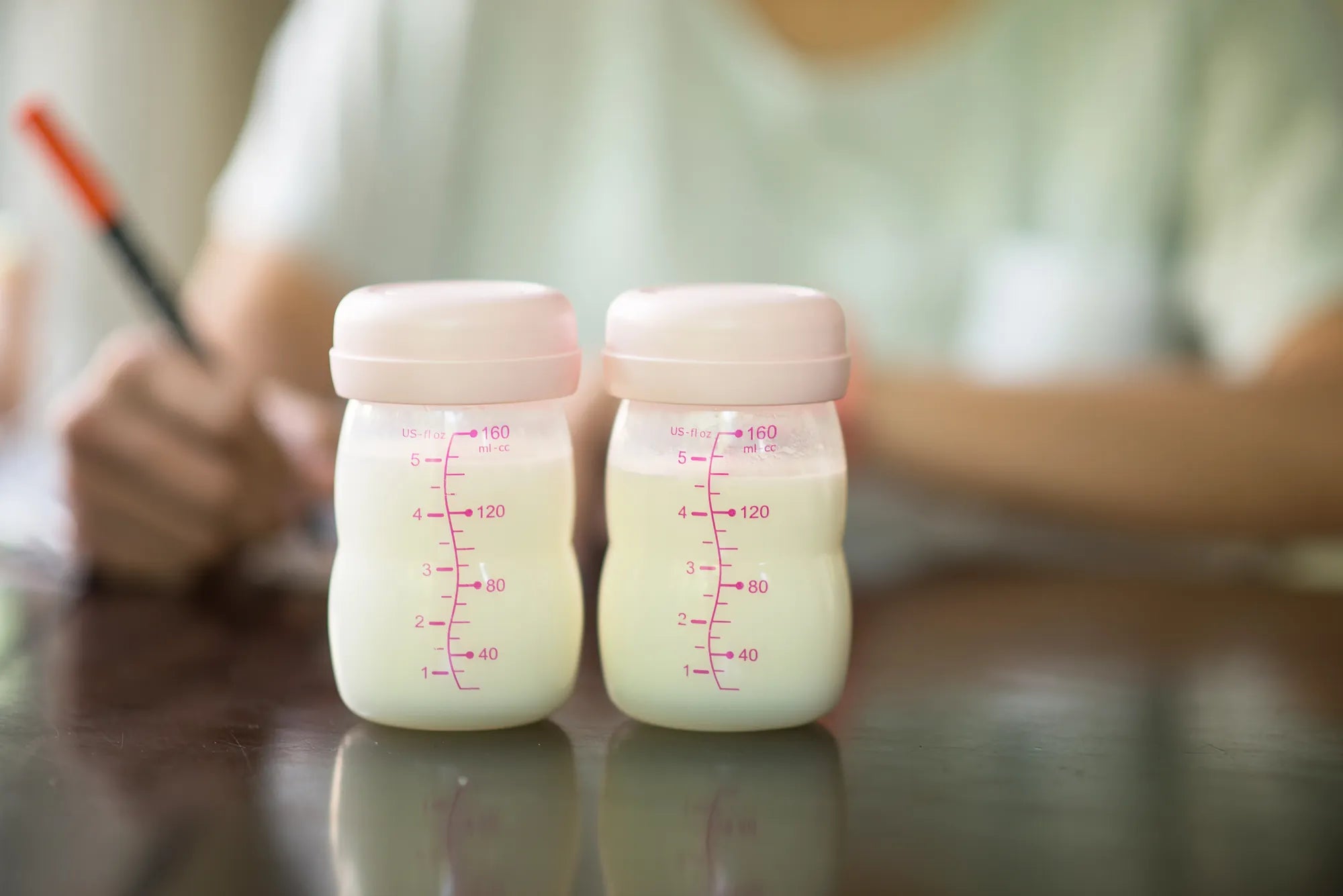
How and When to Breast Pump: A Comprehensive Guide for New Mothers
Embracing the Flexibility of Breast Pumping
Breastfeeding is a profound journey of nourishment and bonding, but it doesn't have to mean being physically tethered to your baby 24/7. Understanding how and when to breast pump is the key to unlocking flexibility, involving partners, and meeting your personal feeding goals. This comprehensive guide for new mothers will walk you through every critical step, from the first days postpartum to building a freezer stash for your return to work. We'll cover practical techniques, safety protocols, and how modern pumping technology can support you. Mastering how and when to breast pump empowers you to provide your baby with breast milk on your own terms.
Understanding the "When": Key Times to Use a Breast Pump
Pumping isn't a one-size-fits-all practice; it's a strategic tool used for different reasons at various stages. Knowing the right time to pump can help you achieve specific goals, from building supply to creating freedom. Your reasons for pumping will likely evolve alongside you and your baby.
Preparing for Baby's Arrival: Antenatal Expression
For some mothers, pumping begins even before delivery. Antenatal expression of colostrum—often called "colostrum harvesting"—can be recommended after 36-37 weeks of pregnancy if there's a medical indication. This might include gestational diabetes, a history of low milk supply, or if baby is expected to have feeding difficulties. With your healthcare provider's approval, gentle hand expression or pumping can help you collect this immune-rich "liquid gold." Having a small stash on hand can be invaluable if your baby needs supplemental feeds in the first few days, providing nutrition and comfort while your mature milk comes in.
The Early Days: Establishing Your Milk Supply
The first 2-6 weeks postpartum are critical for establishing a robust milk supply, driven by hormone levels and frequent milk removal. Pumping during this period is often used to stimulate production. If your baby isn't latching effectively, pumping after attempted feeds signals your body to make more milk. For mothers whose babies need supplementation, pumping allows you to provide your own milk. Even if breastfeeding is going well, a short pumping session after your first morning feed (when prolactin is high) can help build a small reserve and familiarize you with your pump.
For Ongoing Flexibility: Returning to Work, Building a Stash, and Shared Feeding
This is the most common long-term scenario for how and when to breast pump. Planning your return to work involves creating a pumping schedule that mimics your baby's feeding pattern to maintain supply. Building a freezer stash gradually—by adding one extra pumping session a day—reduces last-minute stress. Furthermore, pumping enables shared feeding, allowing partners and family members to bond with baby during bottle feeds. This not only provides you with breaks but also fosters a supportive feeding team.
For Specific Situations: Managing Engorgement, Low Supply, and Baby's Needs
Pumping is a practical solution for several specific challenges. For painful engorgement, pumping for just 2-3 minutes or until comfortable (not empty) can provide relief. To address perceived low milk supply, techniques like "power pumping" (mimicking cluster feeding) can help boost production. For babies who are premature, have a tongue-tie, or are hospitalized, regular pumping is essential to initiate and maintain a milk supply until they can feed directly at the breast.
Mastering the "How": A Step-by-Step Guide to Effective Pumping
Effective pumping combines the right equipment with proper technique. Comfort is not a luxury; it's a prerequisite for efficient milk removal and a sustainable routine. Follow these steps to maximize output and minimize discomfort.
Gathering Your Gear: Choosing and Preparing Your Pump
The single most important factor for comfort and output is correct flange (breast shield) fit. A flange that is too small or too large can cause pain, reduce milk flow, and damage tissue. Measure your nipple diameter (without areola) and consult your pump's sizing guide. Many mothers need a different size than the standard flanges provided. Next, ensure all parts are clean, dry, and correctly assembled. For ultimate convenience, wearable breast pumps like the MomMed S21 Double Wearable Pump offer a hands-free, cordless design, allowing mobility that traditional plug-in pumps cannot match.
The Pumping Session: Technique for Maximum Comfort and Output
Start with clean hands and a relaxed environment. Gently massage your breasts and use hand expression for a minute to stimulate let-down. Begin pumping with the let-down or stimulation mode—a fast, light suction pattern. After milk starts flowing steadily (usually within 1-2 minutes), switch to the expression mode with a slower, deeper suction. Adjust the suction level to the highest comfortable setting; more pain does not equal more milk. Use breast compression and massage during pumping to fully drain ducts. Finish with a minute of hand expression to ensure completeness.
Storing Your Liquid Gold: Safety Guidelines from Collection to Feeding
Proper storage is non-negotiable for your baby's safety. Always use clean, food-grade containers or breast milk bags. Follow the "first in, first out" rule when using your stash. The table below outlines current CDC and Academy of Breastfeeding Medicine guidelines.
| Storage Location | Temperature | Freshly Expressed Milk | Thawed from Frozen |
|---|---|---|---|
| Room Temp | Up to 77°F (25°C) | Up to 4 hours | 1-2 hours |
| Refrigerator | 39°F (4°C) or below | Up to 4 days | Up to 24 hours |
| Freezer | 0°F (-18°C) or below | Within 6 months (best within 3) | Do not refreeze |
Thaw milk overnight in the refrigerator or by placing the sealed container in warm water. Never use a microwave, as it destroys nutrients and creates hot spots.
Finding Your Rhythm: Building a Pumping Schedule That Works
Consistency is more important than frequency. A sustainable schedule aligns with your body's milk production physiology and your baby's needs. Your schedule will change as your baby grows and your life circumstances evolve.
Pumping in Sync with Your Baby (The First 6 Weeks)
In the early weeks, your primary goal is to establish supply. If breastfeeding directly, add 1-2 pumping sessions after morning feeds when prolactin levels are highest. This avoids replacing a direct feed, which is more efficient for supply. A sample day might involve feeding baby at 7 AM, then pumping at 7:30 AM, and perhaps again after the late evening feed. This collected milk can be used for a bottle feed that allows you a longer stretch of sleep.
Pumping in Place of Feedings (For Working Moms & Exclusive Pumping)
When you're away from baby, you'll need to pump for every missed feeding to maintain supply. The "magic number" theory suggests most mothers need 8-12 effective milk removals per 24 hours in the early months. For an 8-hour workday, plan to pump every 2-3 hours, mirroring how often your baby would feed. Exclusive pumpers follow a rigorous schedule of 8-10 sessions per day initially, which can be gradually spaced out after supply is well-established around 12 weeks postpartum.
Choosing Your Partner in Pumping: Why Design and Comfort Matter
Your breast pump is more than a device; it's your partner in achieving your feeding goals. The right pump can make the difference between a stressful chore and an integrated, manageable part of your day. Innovations in pump technology directly address the practical challenges of how and when to breast pump.
The Freedom of Wearable Pumps: Redefining Mobility
Traditional pumps often confine you to one spot near an outlet. Wearable pumps revolutionize this experience. Slip them into your bra—they're discreet, cordless, and silent enough to use during a work video call, while preparing dinner, or playing with an older child. This freedom means you can stick to your pumping schedule without sacrificing your ability to move through your day. Brands like MomMed specialize in this hands-free technology, designed to empower mothers with choice and flexibility.
Engineering for Comfort and Performance: What to Look For
Key features directly impact your success and comfort. Look for pumps with multiple modes and suction levels to find your perfect, comfortable setting that mimics a baby's natural nursing pattern. Ultra-quiet, hospital-grade motors ensure discreet operation and reliable performance for long-term use. Crucially, all parts that touch skin or milk, like the flanges and milk collection cups, should be made from BPA-free, food-grade silicone. MomMed pumps, for instance, adhere to these stringent safety standards, ensuring the milk you collect is pure and safe for your baby.
Breast Pump Comparison: Finding Your Fit
Choosing a pump depends on your primary use case, lifestyle, and budget. The table below compares common pump types to help you decide.
| Pump Type | Best For | Key Advantages | Considerations |
|---|---|---|---|
| Wearable (e.g., MomMed S21) | Active moms, returning to work, multitasking | Complete hands-free mobility, discreet, quiet | Higher initial investment, requires charging |
| Double Electric Plug-in | Primary daily pump, exclusive pumping, low supply | Powerful, consistent suction, efficient for full sessions | Tethered to outlet, less portable, can be noisy |
| Single Electric / Manual | Occasional use, travel backup, relief from engorgement | Portable, affordable, quiet, no power needed (manual) | Slower, less efficient for regular full sessions |
Common Breast Pumping Questions Answered (FAQ)
Q: How much milk should I expect to pump in a session?
A: Output varies widely. In the early weeks, 0.5-2 oz total per session is normal as your supply regulates. After 6-12 weeks, a typical session for a missed feeding might yield 3-5 oz total. Remember, your baby is more efficient than any pump, so pumped amounts are not a direct indicator of your supply.
Q: Why am I only getting drops when I pump?
A> This is common and can be due to several factors: incorrect flange size, stress, improper pump settings (stuck in stimulation mode), not being "triggered" by baby, or timing (pumping too soon after a feed). Ensure a proper fit, relax with deep breaths, look at photos/videos of your baby, and try hand expression first to stimulate let-down.
Q: Can I mix milk from different pumping sessions?
A> Yes, but with a key rule: cool the newly expressed milk in the refrigerator first. You can combine chilled milk from the same day. Do not add warm, freshly pumped milk to already frozen milk, as it can partially thaw the frozen stash.
Q: How do I clean my pump parts efficiently?
A> For daily maintenance, rinse parts immediately after use and wash with hot, soapy water in a basin used only for baby items, or run them through the dishwasher (top rack) if they are dishwasher-safe. Sanitize according to the manufacturer's instructions—typically daily for newborns and preterm infants, and less frequently for older, healthy babies.
Q: Is it normal for pumping to be uncomfortable?
A> Pumping should not be painful. Discomfort or pain signals a problem, most commonly an incorrect flange size or suction set too high. A slight tugging sensation is normal, but sharp pain, pinching, or redness are not. Adjust your settings and reassess your flange fit.
Your Journey, Your Way
Mastering how and when to breast pump is a skill that develops with practice and patience. Every ounce you provide is an achievement, whether you pump occasionally or exclusively. Embrace the learning curve, listen to your body, and celebrate your dedication. Modern tools like comfortable, innovative wearable pumps are designed to support, not complicate, your unique path. You are nourishing your baby with love and resilience. For a pump designed with a mother's real life in mind, shop the MomMed collection at mommed.com for all your breastfeeding and pregnancy needs.