


Inicio
Pregnancy, Breastfeeding, and Pumping: The Ultimate Guide for Moms
Does Using a Breast Pump Help Milk Come In? A Science-Based Guide
Does Using a Breast Pump Help Milk Come In? A Science-Based Guide
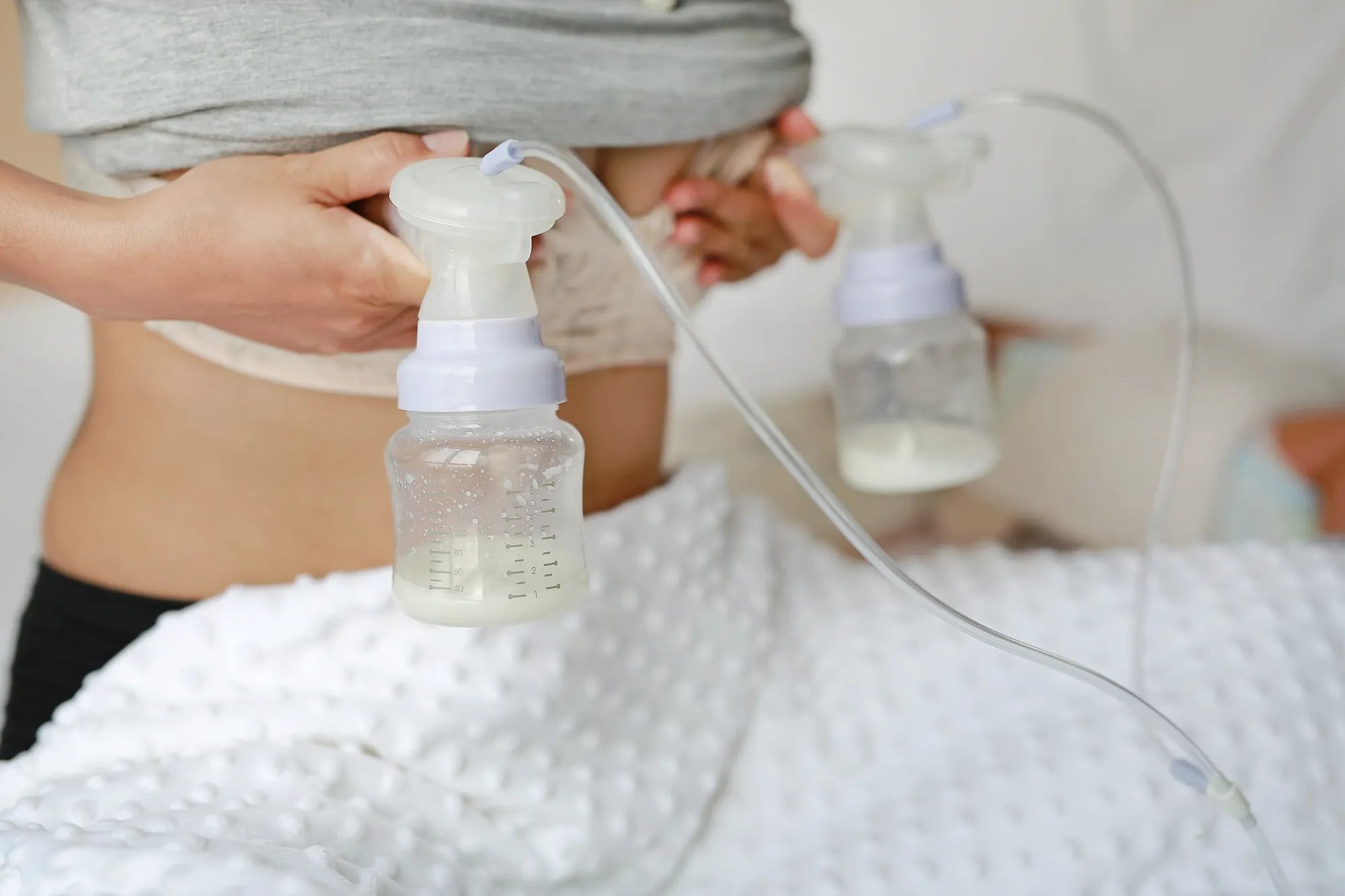
You're in the early postpartum days, waiting for that significant shift from small amounts of colostrum to a fuller milk supply. It's a time filled with anticipation and, often, anxiety. The central question many new parents ask is: does using a breast pump help milk come in? The short, evidence-based answer is yes—when used strategically, a breast pump can be a powerful tool to initiate, encourage, and support your milk supply during the vital transition known as lactogenesis II. This article will provide a deep dive into the physiology of milk production, the precise mechanisms by which pumping helps, and actionable, step-by-step guidance to harness this tool effectively for your unique breastfeeding journey.
Understanding Lactogenesis II: The “Milk Coming In” Process
Lactogenesis II, commonly called "milk coming in," is the biological process where your body transitions from producing small volumes of thick, antibody-rich colostrum to producing larger volumes of mature milk. This typically occurs between 2 and 5 days postpartum, though timing can vary. The process is triggered by the dramatic drop in progesterone following the delivery of the placenta.
Your body operates on a core principle: milk production is a supply-and-demand system. The more milk is removed from the breasts, the more signals your body receives to produce more. Effective, frequent removal is the single most important factor for establishing a healthy milk supply. This is where the role of a breast pump becomes clear—it is a tool to create or supplement that demand.
Common reasons for delayed or perceived low supply at this stage include infrequent feeding, ineffective latch, a sleepy baby, maternal factors like retained placenta, or stress. A breast pump can intervene in these scenarios by ensuring regular, effective milk removal, directly signaling your body to ramp up production.
Understanding this physiological foundation is key. Using a pump isn't about replacing your baby; it's about partnering with your body's natural design to ensure the demand signal is strong and consistent, paving the way for a robust milk supply.
The Science: How Pumping Signals Your Body to Produce Milk
The mechanism is elegantly simple. Milk removal—whether by a baby, a pump, or hand expression—stimulates nerve endings in the nipple and areola. This stimulation prompts the pituitary gland in your brain to release two key hormones: prolactin and oxytocin.
Prolactin is the primary milk-making hormone. Its levels peak during and after milk removal, telling the alveoli (the milk-making cells in your breast) to produce more milk for the next feeding. Frequent removal maintains elevated baseline prolactin levels, crucial in the early weeks for establishing long-term supply capacity.
Oxytocin triggers the milk-ejection reflex, or "let-down." This causes the tiny muscles around the alveoli to contract, pushing milk down into the milk ducts. A successful pumping session depends on achieving multiple let-downs. Pumps that offer stimulation and expression modes are designed to mimic a baby's initial rapid sucks to trigger oxytocin release, followed by longer, slower sucks to remove milk.
Research, including studies cited by the Academy of Breastfeeding Medicine, supports early pumping to increase milk volume, particularly for mothers separated from their infants or those with preterm babies. The pump acts as a surrogate for the baby, ensuring the hormonal feedback loop is activated on a consistent schedule, which is critical for initiating and sustaining lactogenesis II.
Strategic Pumping Protocols to Encourage Milk Supply
Timing and technique are everything. Simply attaching a pump without a strategy may not yield optimal results. Here are evidence-based protocols for using a pump to help your milk come in and build supply.
1. Early Initiation: The First 24-72 Hours
If your baby is latching well and feeding frequently (8-12 times in 24 hours), you may not need to pump immediately. However, for mothers with babies in the NICU, those with latch difficulties, or those wanting to stimulate supply aggressively, pumping within the first 6 hours postpartum can be beneficial. Start with short sessions of 10-15 minutes every 2-3 hours, focusing on stimulation even if little to no colostrum is expressed.
2. Pumping After Nursing
This is a highly effective technique for boosting supply. After your baby finishes feeding on both breasts, use a double electric pump for an additional 10-15 minutes. This signals to your body that the "demand" was greater than what the baby took, encouraging increased production. It’s particularly useful if your baby is sleepy or not fully draining the breast.
3. Power Pumping
Power pumping is designed to mimic cluster feeding, a baby's natural way of boosting supply. It’s a short-term strategy, typically done once a day for a few days. A common schedule is: pump for 20 minutes, rest for 10, pump for 10, rest for 10, pump for 10. This concentrated period of stimulation and removal can significantly elevate prolactin levels and encourage increased production.
4. Consistent Frequency Over Duration
In the early days, pumping frequency is more critical than the length of each session. Aim for 8-12 pumping sessions in 24 hours, including at least one session at night when prolactin levels are naturally higher. Consistency in this pattern is key to establishing a strong supply foundation.
Choosing the Right Tool: Why Pump Quality and Fit Are Critical
Not all breast pumps are created equal, especially when your goal is establishing a primary milk supply. The right pump can make the difference between effective, comfortable milk removal and a frustrating, inefficient experience that may not adequately stimulate your breasts.
A hospital-grade or high-quality double electric pump is the recommended standard for the "milk coming in" phase. These pumps are designed for multiple users (with personal accessory kits) and are powerful enough to maintain suction over frequent, long-term use. They effectively mimic a baby's natural suckling pattern with adjustable suction and cycle speeds.
Flange fit is non-negotiable. The flange (or breast shield) is the tunnel that fits over your nipple. An incorrect fit—too large or too small—can reduce milk output, cause pain, and damage nipple tissue. Your nipple should move freely in the tunnel without rubbing against the sides, and only a small amount of areola should be drawn in. Most pumps come with standard size flanges (24mm or 28mm), but many women need different sizes. MomMed provides a printable sizing guide with its pumps and offers multiple flange sizes to ensure a comfortable, effective fit, which is fundamental for signaling optimal milk production.
For mothers seeking ultimate flexibility and comfort during this demanding period, a wearable breast pump like the award-winning MomMed S21 can be a game-changer. Its hospital-grade performance in a silent, cordless design allows for hands-free pumping, making it easier to maintain the frequent pumping schedule required in the early weeks without being tethered to a wall. The ability to move around and even care for your baby while pumping reduces stress and can positively impact let-down and milk output.
Method Comparison: Pumping, Hand Expression, and Direct Nursing
Each milk removal method has its place in establishing supply. The following table compares their roles, especially during the lactogenesis II phase.
| Method | Primary Role in "Milk Coming In" | Pros | Cons | Best For |
|---|---|---|---|---|
| Direct Nursing at the Breast | Gold standard for supply establishment. Provides optimal stimulation via skin-to-skin and baby's saliva. | Most efficient for milk removal; promotes bonding; regulates baby's intake naturally. | Requires effective latch; dependent on baby's cooperation and alertness. | Mothers with babies who latch well and feed frequently. |
| Electric Breast Pump (Double) | Powerful supplemental or primary tool to create demand. Crucial for separation or low supply. | Efficiently empties both breasts simultaneously; consistent, adjustable suction; can build a freezer stash. | Requires equipment, setup, and cleaning; can feel mechanical. | Mothers needing to boost supply, with babies in NICU, or returning to work. |
| Wearable Pump (e.g., MomMed S21) | Flexible tool to maintain frequent pumping schedule without being stationary. | Hands-free, discreet, portable; reduces stress of being tied down; encourages more frequent sessions. | Battery life limits session length; may have slightly less suction than top plug-in models. | Mothers valuing mobility, multitasking, or those who find traditional pumps stressful. |
| Hand Expression | Valuable skill for colostrum harvesting and relieving engorgement. Useful when a pump isn't available. | No equipment needed; gentle; excellent for colostrum collection in first days. | Can be tiring for hands; less efficient for fully emptying breasts long-term. | Early colostrum collection, relieving pressure quickly, or supplementing pumping. |
The most successful approach often involves a combination of these methods, tailored to your and your baby's daily needs.
Addressing Common Concerns and Troubleshooting
Navigating early pumping comes with questions. Here’s expert advice on common hurdles.
"I'm only getting drops. Is it working?" Yes. In the first few days, you are collecting colostrum, which is measured in teaspoons, not ounces. Every drop is liquid gold. The pumping action itself is providing the crucial stimulation. Volume will increase as your milk transitions.
"Pumping is painful." Pain is a sign something is wrong. Re-evaluate flange size—this is the most common issue. Ensure suction is set to a comfortable level, not the maximum. Use lubrication (like coconut oil or dedicated breast cream) on the flange rim. Pain should not be endured.
"I feel engorged, but milk won't come out with the pump." Severe engorgement can compress milk ducts. Apply a warm compress or take a warm shower before pumping, and gently massage your breasts. Use hand expression for a few minutes to soften the areola and trigger a let-down before using the pump.
Hygiene and Maintenance: Clean pump parts that touch milk after every use. Have multiple sets of accessories to reduce washing frequency. Ensure your pump motor and tubing are functioning properly; weak suction will not effectively remove milk.
Frequently Asked Questions (FAQ)
Q1: Can pumping too early cause oversupply or problems?
For most mothers, following a schedule that mimics a newborn's feeding pattern (8-12 times in 24 hours) will not create an unnatural oversupply. It supports the body's natural capacity. However, excessive pumping far beyond this frequency in the absence of need could lead to engorgement issues. It's best to tailor your schedule to your personal goals, ideally with guidance from a lactation consultant.
Q2: How long should I pump per session when trying to bring in my milk?
In the first few days, 15-20 minutes per session is sufficient, as the goal is stimulation. Once milk volume increases, a good rule is to pump for 2-5 minutes after the last drops of milk flow. Most mothers find 20-30 minutes per session allows for multiple let-downs and effective emptying.
Q3: Is a manual pump or hand expression just as good for bringing in milk?
While effective for colostrum and occasional use, a double electric pump is generally more efficient for establishing supply because it stimulates both breasts simultaneously, saving time and maximizing prolactin response. The consistent, rhythmic suction can also be easier to maintain than manual effort over frequent sessions.
Q4: My milk has come in, but I want to exclusively pump. Can I use a pump to establish my full supply?
Absolutely. Many mothers successfully establish and maintain a full supply exclusively via pumping. The key principles remain: frequent, effective milk removal (8-12 times per day) with a high-quality double electric pump, perfect flange fit, and complete breast emptying. Consistency in the early weeks is paramount.
Q5: When should I seek help from a professional?
Consult an International Board Certified Lactation Consultant (IBCLC) or your healthcare provider if: you see no increase in milk volume by day 5 postpartum, pumping is consistently painful, your baby is not gaining weight, or you have symptoms of mastitis (fever, red, painful wedge-shaped area on the breast). Early support can resolve most issues quickly.
Holistic Support: Beyond the Pump
While the pump is a vital tool, overall well-being profoundly impacts milk supply. Hydration is critical; drink to thirst, with water readily available during pumping sessions. Nutrition matters—focus on regular, balanced meals and snacks. Even more crucial is rest; stress and fatigue can inhibit oxytocin. Try to relax during pumping—look at photos or videos of your baby, listen to calming music, or practice deep breathing.
Skin-to-skin contact with your baby, even when you're primarily pumping, boosts oxytocin and prolactin. Hold your baby against your bare chest as often as possible. Remember, your mental health is part of your breastfeeding journey. Seeking support from partners, family, or online communities of pumping mothers can provide invaluable encouragement and practical tips.
Empowering Your Unique Feeding Pathway
The journey to a mature milk supply is a partnership between your body, your baby, and the tools you choose. Does using a breast pump help milk come in? The evidence resoundingly shows that it can be an exceptionally effective strategy. By providing consistent, effective demand, a high-quality breast pump like those from MomMed—designed with BPA-free, food-grade materials for safety and comfort—can play a pivotal role in initiating and building your supply, whether you're navigating separation, latch challenges, or simply want the flexibility that pumping affords.
Trust your instincts, be patient with the process, and know that every ounce you produce is an achievement. Equip yourself with knowledge and the right tools, and don't hesitate to seek professional support. Your feeding journey is yours to define, and with the right approach, you can confidently meet your goals.
Ready to find the perfect pump to support your "milk coming in" journey and beyond? Shop the MomMed collection at mommed.com for hospital-grade, comfortable, and innovative breastfeeding solutions, including the award-winning S21 wearable pump, along with all your pregnancy and baby care essentials.