


Inicio
Pregnancy, Breastfeeding, and Pumping: The Ultimate Guide for Moms
Does the Dishwasher Sanitize Breast Pump Parts? A Comprehensive Guide
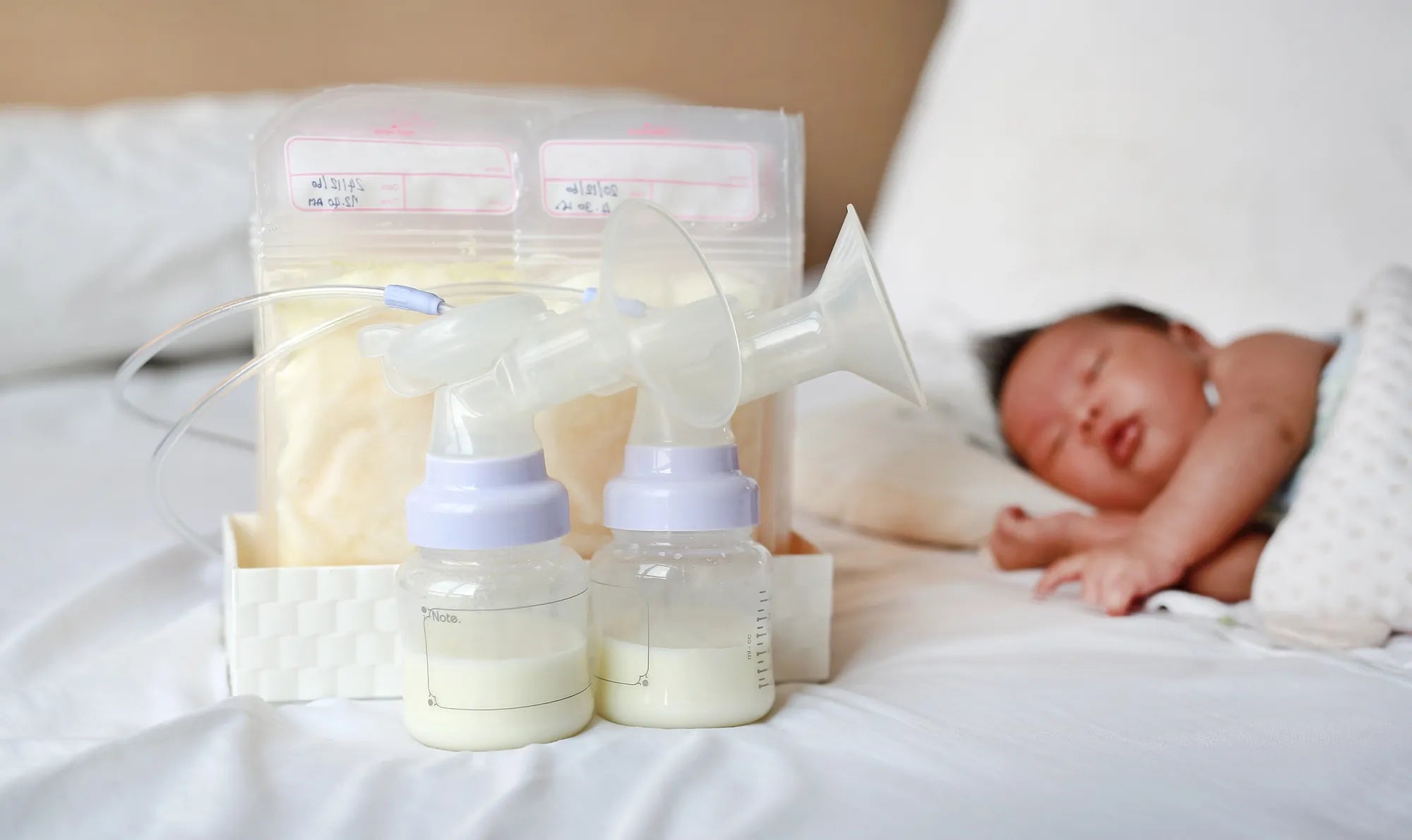
Does the Dishwasher Sanitize Breast Pump Parts? A Comprehensive Guide
When it comes to caring for your baby, ensuring that all feeding equipment is clean and sanitized is a top priority. Breast pump parts, in particular, require meticulous cleaning to prevent the growth of harmful bacteria. Many parents wonder if using a dishwasher is a safe and effective method for sanitizing these essential items. This article delves into the details, providing you with the information you need to make an informed decision.
Understanding the Importance of Sanitizing Breast Pump Parts
Breast pump parts come into direct contact with breast milk, which is a nutrient-rich environment that can harbor bacteria if not properly cleaned. Sanitizing these parts is crucial to ensure the safety and health of your baby. While washing with hot, soapy water is a common practice, sanitizing takes cleanliness to the next level by eliminating bacteria that may remain after washing.
Can a Dishwasher Sanitize Breast Pump Parts?
The short answer is yes, a dishwasher can sanitize breast pump parts, but there are important considerations to keep in mind. Most modern dishwashers have a sanitize cycle that uses high temperatures to kill bacteria. However, not all breast pump parts are dishwasher-safe. It's essential to check the manufacturer's guidelines to determine if your specific parts can withstand the heat and water pressure of a dishwasher.
Pros of Using a Dishwasher for Sanitizing
Using a dishwasher to sanitize breast pump parts offers several advantages. First, it's convenient, especially for busy parents who may not have the time for manual washing and sanitizing. Second, the high temperatures reached during the sanitize cycle can effectively kill bacteria, providing a thorough clean. Additionally, dishwashers often have specialized racks that can securely hold small parts, preventing them from being damaged during the wash cycle.
Cons of Using a Dishwasher for Sanitizing
Despite its convenience, there are some drawbacks to using a dishwasher for sanitizing breast pump parts. One major concern is the potential for damage. High temperatures and strong water jets can warp or crack certain materials, rendering the parts unusable. Another issue is the risk of contamination from other dishes. If the dishwasher is not cleaned regularly, residues from food particles and detergents can transfer to the breast pump parts.
Best Practices for Dishwasher Sanitizing
If you decide to use a dishwasher to sanitize your breast pump parts, follow these best practices to ensure safety and effectiveness. Always place the parts on the top rack to minimize exposure to high heat and strong water jets. Use a gentle, non-toxic detergent to avoid chemical residues. Run the dishwasher on the sanitize cycle, and ensure that the parts are completely dry before use. Regularly clean and maintain your dishwasher to prevent contamination.
Alternative Methods for Sanitizing Breast Pump Parts
If you're hesitant to use a dishwasher or if your breast pump parts are not dishwasher-safe, there are alternative methods for sanitizing. Boiling the parts in water for 5-10 minutes is a traditional and effective method. Steam sanitizers, which use high-temperature steam to kill bacteria, are another popular option. Microwave steam bags offer a quick and convenient solution, though they may not be suitable for all materials. Always follow the manufacturer's guidelines when using these methods.
Frequently Asked Questions
Can I use bleach to sanitize breast pump parts? Yes, you can use a diluted bleach solution to sanitize breast pump parts. However, it's crucial to rinse the parts thoroughly to remove any bleach residue before use.
How often should I sanitize breast pump parts? It's recommended to sanitize breast pump parts at least once a day, especially if your baby is younger than three months, has a weakened immune system, or if you're exclusively pumping.
Can I air dry breast pump parts after sanitizing? Yes, air drying is a safe and effective method for drying breast pump parts after sanitizing. Ensure that the parts are placed on a clean, dry surface to prevent contamination.
Ensuring that your breast pump parts are properly sanitized is essential for your baby's health. While using a dishwasher can be a convenient and effective method, it's important to weigh the pros and cons and follow best practices to ensure safety. By taking the time to properly clean and sanitize your breast pump parts, you can provide your baby with the safest and healthiest feeding experience possible.
Compartir