


Inicio
Pregnancy, Breastfeeding, and Pumping: The Ultimate Guide for Moms
Does Pumped Breast Milk Need to Be Warmed Up? A Science-Backed Guide
Does Pumped Breast Milk Need to Be Warmed Up? A Science-Backed Guide
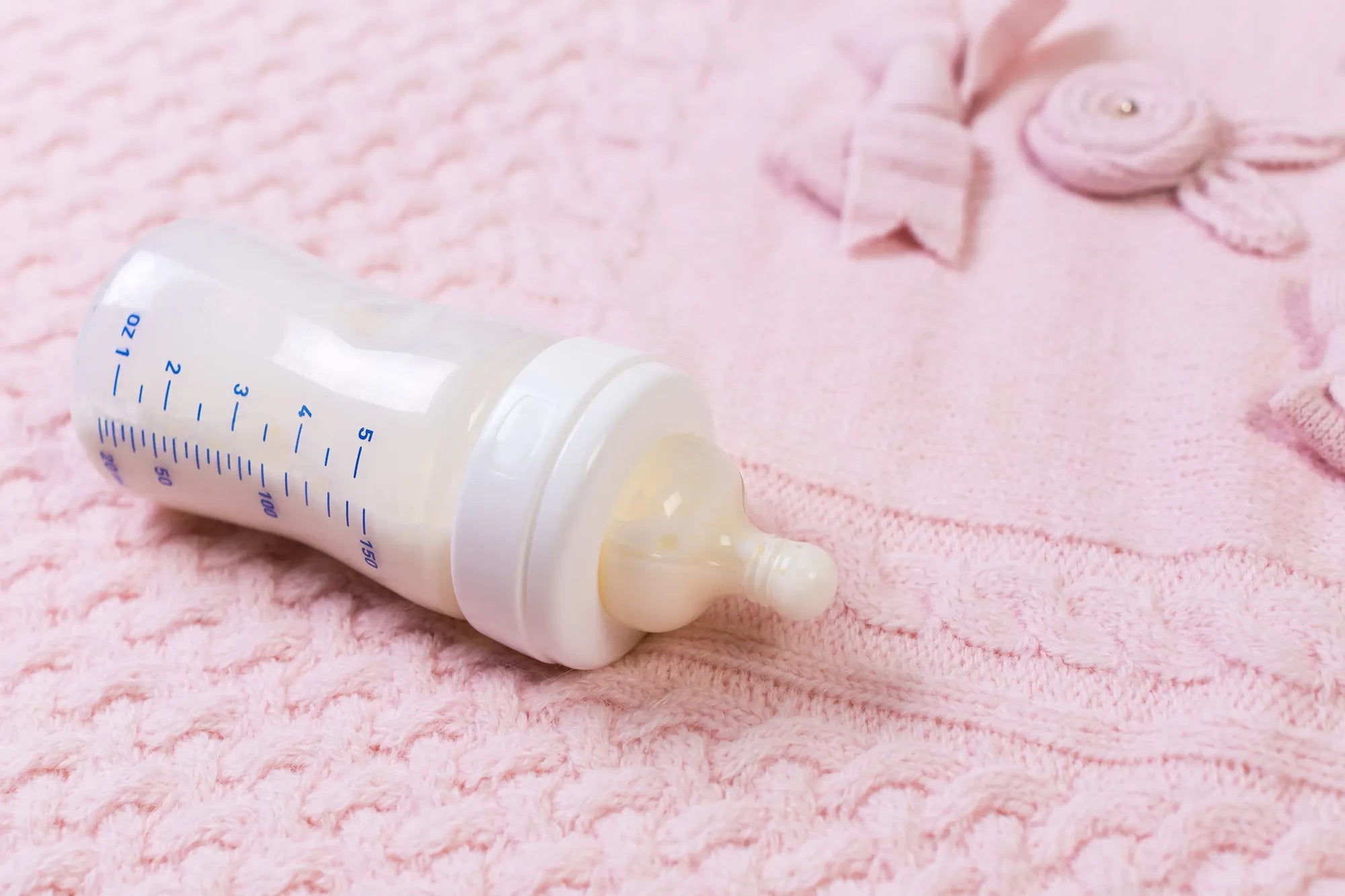
You’ve just finished a pumping session, and the bottle of liquid gold is ready. Your baby starts fussing, signaling it’s time to eat. Do you run the bottle under warm water, or can you offer it straight from the fridge? The question, “Does pumped breast milk need to be warmed up?” is a common crossroads for parents. The definitive answer is no, it is not a nutritional or safety requirement. However, the choice to warm or not involves understanding infant preference, nutrient preservation, and practical convenience. This article will explore the facts, debunk myths, and provide clear guidance to empower your feeding journey, whether you use a traditional pump or innovative solutions like those from MomMed, a trusted maternal and baby care brand.
The Science of Breast Milk: Temperature and Nutrient Integrity
To understand the warming debate, we must first appreciate what’s in breast milk. It’s a dynamic, living fluid containing proteins, fats, carbohydrates, vitamins, minerals, live cells, and bioactive components like antibodies and enzymes. A prevalent concern is that cold temperatures might damage these precious elements. Scientific evidence consistently shows this is not the case.
Refrigeration and freezing are designed to preserve. Studies indicate that properly stored cold or frozen breast milk retains its nutritional profile. The caloric content, macronutrients (fats, proteins), and most vitamins remain stable. The critical immunological factors—secretory IgA antibodies and white blood cells—are also largely preserved through cold storage, though some gradual reduction can occur over extended freezing periods.
The real risk to nutrients comes from excessive heat, not cold. High temperatures can denature proteins and deactivate delicate enzymes and antibodies. This is why methods like microwaving or boiling water are strongly discouraged. The goal, if you choose to warm, is gentle thermalization—bringing the milk to a baby-comfortable temperature without subjecting it to high heat that could degrade its beneficial properties. Therefore, the core fact remains: offering pumped breast milk cold, cool, or at room temperature delivers complete nutrition.
To Warm or Not to Warm? Weighing the Pros and Cons
The decision is personal and often situational. There is no universally right answer, only what works best for your baby and your family’s lifestyle. Here is a balanced analysis of both approaches.
The Case for Warming Breast Milk
Many babies have a distinct preference for warm milk, and there are valid reasons to accommodate this. Fresh breast milk is at body temperature when a baby nurses directly. Offering a bottle warmed to a similar temperature (about 98.6°F or 37°C) can mimic this natural experience, which may be comforting and familiar, especially for newborns.
For some infants, particularly those transitioning between breast and bottle, the similarity in temperature can encourage better acceptance of the bottle. If a baby consistently refuses cold milk, warming it becomes a practical strategy to ensure they consume adequate volumes for growth and hydration. The warmth can also have a soothing effect, which might be particularly helpful during fussy periods or before sleep.
The Benefits of Offering Cool or Room-Temperature Milk
Choosing not to warm milk offers significant advantages, primarily centered on convenience and safety. The most notable benefit is speed—there’s no waiting when a hungry baby needs to eat immediately. This is invaluable during night feeds or when you’re out and about.
It also simplifies the feeding process. You eliminate the need for warm water, bottle warmers, and temperature checks. This reduces the risk of accidentally overheating the milk. Furthermore, by avoiding the warming step, you completely sidestep any potential, however minimal, for heat-related nutrient degradation. It fosters flexibility, making feeding on-the-go or at daycare much easier.
| Consideration | Warming Milk | Offering Cool/Room-Temp Milk |
|---|---|---|
| Baby Preference | Often preferred; mimics breastfeeding. | Some babies accept readily; others may refuse. |
| Convenience | Requires time, equipment, and planning. | Ultimate convenience; feed instantly. |
| Nutrient Safety | Risk of nutrient loss if overheated. | Zero risk of heat-related nutrient damage. |
| Best For | Fussy feeders, preemies (per NICU advice), bedtime routines. | On-the-go, night feeds, busy parents, daycare. |
| Safety Risk | Risk of hot spots if microwaved; must test temperature. | No burn risk; always a safe temperature. |
The Safe Way to Warm Breast Milk: A Step-by-Step Protocol
If you decide to warm your baby’s milk, following a safe method is non-negotiable to preserve nutrients and prevent burns. The cardinal rule: never use a microwave. Microwaves heat unevenly, creating dangerous “hot spots” that can scald your baby’s mouth while the bottle feels cool to the touch.
The gold-standard methods involve gentle, indirect heat. The most common is a warm water bath. Place the sealed bottle or storage bag in a bowl or container of warm (not hot) tap water. Let it sit for a few minutes, gently swirling the container occasionally to evenly distribute the warmth. Alternatively, a dedicated bottle warmer is a convenient investment, as it’s designed to heat to a safe, consistent temperature.
Always thaw frozen milk completely in the refrigerator before warming. Never warm milk directly from the freezer or at room temperature, as this can allow harmful bacteria to proliferate in the outer layers while the center remains frozen. After warming, gently swirl (do not shake vigorously) to mix the fat, which may have separated. Test the temperature by dripping a few drops on the inside of your wrist; it should feel warm, not hot.
Once breast milk is warmed, it should be used within two hours. Do not re-warm a partially consumed bottle, as bacteria from the baby’s mouth can contaminate it. Similarly, never re-refrigerate or re-freeze milk that has been warmed. Adhering to these guidelines ensures your baby’s milk is both safe and nutritious.
Special Considerations: Preemies, Storage, and Routine
Certain situations call for specific protocols. For parents of premature or medically fragile infants, the guidelines can be more precise. Hospital Neonatal Intensive Care Units (NICUs) often recommend feeding preemies milk warmed to body temperature. This is because these tiny babies expend significant calories to maintain their body heat, and consuming cold milk could further increase their energy expenditure. Always follow the specific advice of your neonatal healthcare team.
Handling thawed milk correctly is another key area. Milk thawed in the refrigerator can be kept there for up to 24 hours before use. This thawed milk can be served cold, allowed to reach room temperature, or gently warmed based on your baby’s preference. The same “use within two hours” rule applies once it leaves the fridge or is warmed. Understanding these storage timelines empowers you to plan feeds confidently and reduce waste.
Establishing a flexible routine is often the ultimate goal. Some parents find a hybrid approach works best: offering room-temperature or cool milk during the day for convenience and a warm bottle as part of a calming bedtime ritual. Listening to your baby’s cues and adapting to the needs of the day reduces stress and makes the feeding journey more sustainable for everyone.
How MomMed Supports Your Flexible Feeding Journey
Navigating these choices is easier with reliable, thoughtfully designed products. MomMed specializes in creating solutions that support moms at every stage, from pregnancy to feeding. Their philosophy aligns perfectly with the flexibility of modern breastfeeding and pumping.
For expressing milk, MomMed’s award-winning wearable breast pumps, like the S21 Double Wearable model, offer unparalleled convenience. Their quiet, efficient operation and cord-free design allow you to pump discreetly and maintain your mobility, making it simpler to build and maintain your milk supply. A consistent supply is the first step to having milk available for all temperature preferences.
When it comes to storage and feeding, MomMed’s accessories are designed with safety and ease in mind. Their BPA-free, food-grade silicone bottles and storage bags are made for safe freezing and refrigeration. The easy-to-clean parts and compatible bottle systems simplify the process of transferring milk from pump to fridge to baby, whether you’re warming it or not. By providing dependable, innovative tools, MomMed empowers you to make the feeding choice that works for your moment—be it a warm, comforting bottle or a cool, quick snack.
Debunking Common Myths About Milk Temperature
Misinformation can create unnecessary anxiety. Let’s clarify some persistent myths. First, cold milk does not cause stomach cramps or digestive issues for healthy, full-term infants. A baby’s digestive system warms the milk to body temperature very quickly after ingestion. Discomfort is more likely linked to other factors like gas, fast flow, or an intolerance.
Second, the idea that warm milk helps with sleep is more about routine than biology. The ritual of a warm, cozy feed can be a sleep cue, but the temperature itself isn’t a sedative. A baby who accepts cold milk will sleep just as well after a cool bottle if it’s part of their consistent bedtime routine.
Finally, some believe that warming milk “releases more nutrients.” This is a misunderstanding. Nutrients are bioavailable in cold milk. Excessive heating can actually degrade them. The act of warming doesn’t unlock anything; it simply changes the sensory experience for the baby.
Frequently Asked Questions (FAQs)
Can I re-warm a bottle my baby didn’t finish?
No. Once a bottle has been offered to your baby, bacteria from their mouth have entered the milk. Re-warming can encourage bacterial growth. According to safety guidelines, any leftover milk should be discarded within two hours of the start of the feeding.
Is it okay to warm breast milk directly from the freezer?
It is not recommended. The safest method is to thaw frozen milk overnight in the refrigerator or by holding it under cool running water. Warming from frozen can create an uneven temperature zone where parts of the milk enter the “danger zone” (40°F–140°F) for bacterial growth while the center remains ice.
Will giving cold milk cause tummy cramps or gas?
There is no scientific evidence that cold milk causes cramps in healthy infants. The milk warms rapidly in the stomach. Gas is typically caused by air swallowing during feeding, an immature digestive system, or components in the mother’s diet, not the milk’s temperature.
How long does it take to warm a bottle in warm water?
It depends on the volume and starting temperature. A 4-ounce bottle from the refrigerator typically takes 3-5 minutes in a bowl of warm tap water. Always swirl and test the temperature on your wrist rather than relying on time alone.
Can I mix cold freshly pumped milk with already warmed milk?
It’s best to avoid this, as adding cold milk can cool the warmed milk to an unsafe temperature range that promotes bacterial growth. Cool the freshly expressed milk in the refrigerator first, then combine cold batches. Alternatively, you can warm the colder milk separately before mixing.
Empowering Your Choice for a Smoother Journey
The core takeaway is powerful in its simplicity: warming pumped breast milk is a parental choice, not a biological necessity. Your baby receives complete nutrition whether the bottle is cool, room-temperature, or gently warmed. The decision can—and should—revolve around what your baby accepts and what makes your daily routine manageable. Embrace the flexibility. The convenience of a ready-to-go cold bottle can be a lifesaver during hectic days, while the comfort of a warm feed can be a cherished part of your bonding ritual. Trust the science that supports both methods, and always prioritize safe handling practices. MomMed is here to support that flexibility with innovative, reliable products designed for real-life parenting. You have the knowledge and the tools to feed your baby with confidence, on your terms.
Shop the MomMed collection at mommed.com for all your breastfeeding and pregnancy needs, from wearable pumps like the S21 to essential feeding gear, and discover products designed to empower your unique journey.