


Inicio
Pregnancy, Breastfeeding, and Pumping: The Ultimate Guide for Moms
Does Pumped Breast Milk Need to Be Warmed Up? Exploring the Facts
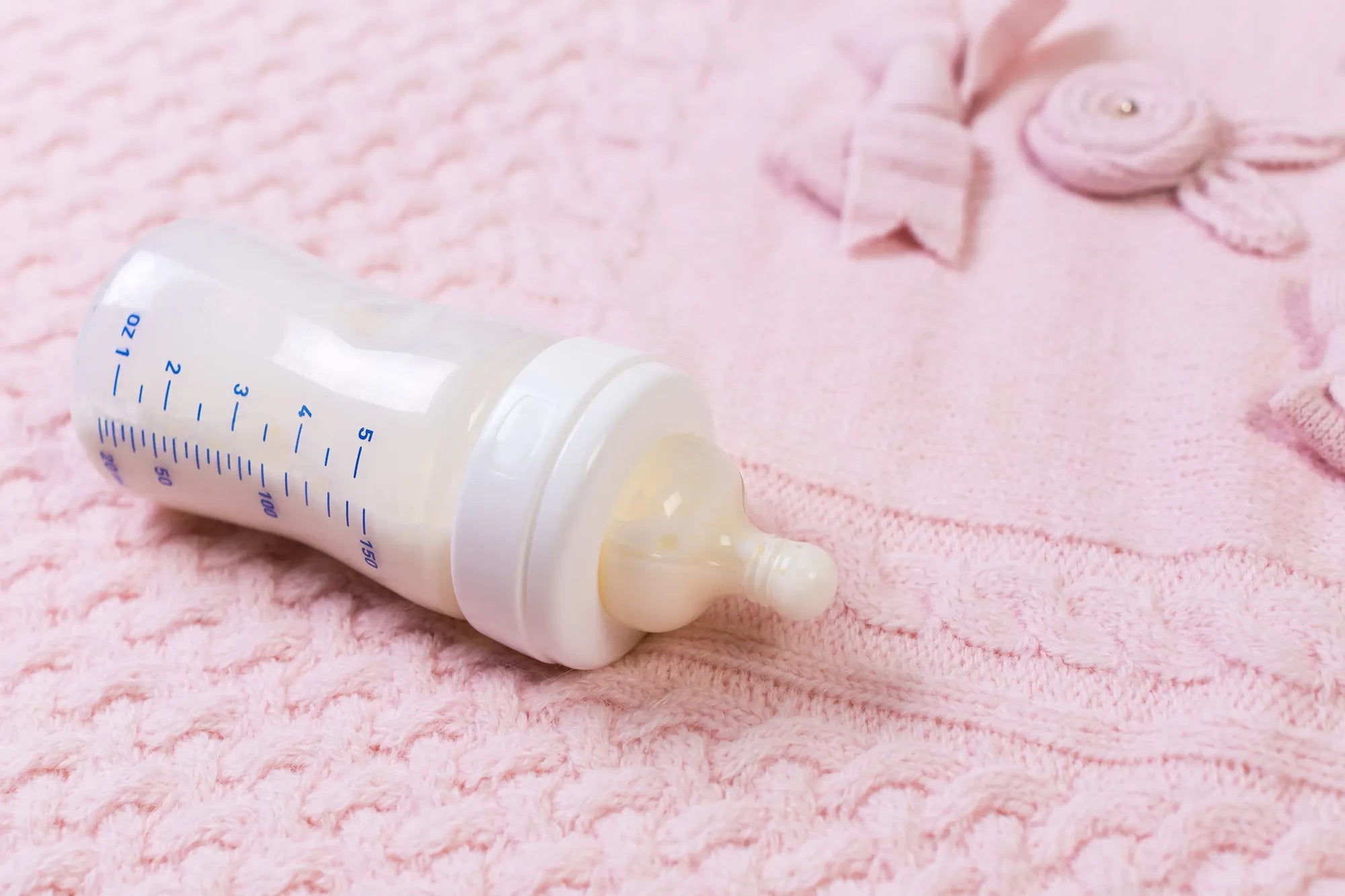
Does Pumped Breast Milk Need to Be Warmed Up? Exploring the Facts
For new parents, the journey of feeding their baby pumped breast milk can be filled with questions and uncertainties. One of the most common queries is whether pumped breast milk needs to be warmed up before feeding. The answer isn’t as straightforward as it might seem, as it depends on various factors, including your baby’s preferences and safety considerations. Let’s dive into the details to help you make an informed decision.
Understanding Pumped Breast Milk
Pumped breast milk is a convenient way to ensure your baby receives the nutrients they need, even when you’re not available to nurse directly. It can be stored in the refrigerator or freezer and used as needed. However, the temperature of the milk when it’s served can impact your baby’s feeding experience. While some babies are perfectly fine with cold milk, others may prefer it warmed. Understanding the properties of breast milk and how it reacts to temperature changes is key to making the right choice.
Does Pumped Breast Milk Need to Be Warmed Up?
The short answer is no, pumped breast milk does not need to be warmed up. Breast milk is safe to feed to your baby at room temperature, cold, or warmed. The decision to warm it up is often based on your baby’s preferences and comfort. Some babies may refuse cold milk, while others may not mind it at all. Additionally, warming milk can help preserve its natural composition and make it more similar to the temperature of milk directly from the breast.
Benefits of Warming Pumped Breast Milk
Warming pumped breast milk can offer several benefits, including:
- Improved Acceptance: Babies who are used to feeding directly from the breast may find warmed milk more familiar and comforting.
- Preservation of Nutrients: Gentle warming can help maintain the milk’s nutritional profile, ensuring your baby gets the full benefits.
- Enhanced Digestion: Warm milk may be easier for some babies to digest, reducing the likelihood of discomfort or gas.
Drawbacks of Warming Pumped Breast Milk
While warming milk has its advantages, there are also some potential drawbacks to consider:
- Time-Consuming: Warming milk can take time, especially if you’re in a hurry or your baby is hungry.
- Risk of Overheating: If milk is heated too quickly or at too high a temperature, it can destroy some of the beneficial components and even pose a burn risk to your baby.
- Inconvenience: When you’re on the go, warming milk may not always be practical.
How to Safely Warm Pumped Breast Milk
If you decide to warm your baby’s milk, it’s important to do so safely. Here are some tips:
- Use Warm Water: Place the milk container in a bowl of warm water for a few minutes until it reaches the desired temperature.
- Avoid Microwaves: Microwaving breast milk can create hot spots that may burn your baby’s mouth and damage the milk’s nutrients.
- Test the Temperature: Always test the milk on your wrist before feeding it to your baby to ensure it’s not too hot.
When to Skip Warming Pumped Breast Milk
There are situations where warming milk may not be necessary or practical. For example:
- On-the-Go Feeding: When you’re traveling or away from home, feeding cold milk can be more convenient.
- Baby’s Preference: If your baby doesn’t mind cold milk, there’s no need to warm it.
- Time Constraints: In emergencies or when your baby is very hungry, skipping the warming process can save time.
Expert Tips for Feeding Pumped Breast Milk
Here are some additional tips to ensure a smooth feeding experience:
- Label and Date Milk: Always label your pumped milk with the date to ensure you use the oldest milk first.
- Shake Gently: After warming, gently swirl the milk to mix any separated fat layers.
- Follow Storage Guidelines: Be mindful of how long breast milk can be stored in the refrigerator or freezer to maintain its quality.
Ultimately, whether or not to warm pumped breast milk is a personal choice that depends on your baby’s needs and your lifestyle. By understanding the benefits and drawbacks, you can make an informed decision that works best for you and your little one. Remember, the most important thing is that your baby is fed, loved, and cared for—whether the milk is warm or cold!
Compartir