


Inicio
Pregnancy, Breastfeeding, and Pumping: The Ultimate Guide for Moms
Does Breast Milk Pumped at Night Have Melatonin? Exploring the Science
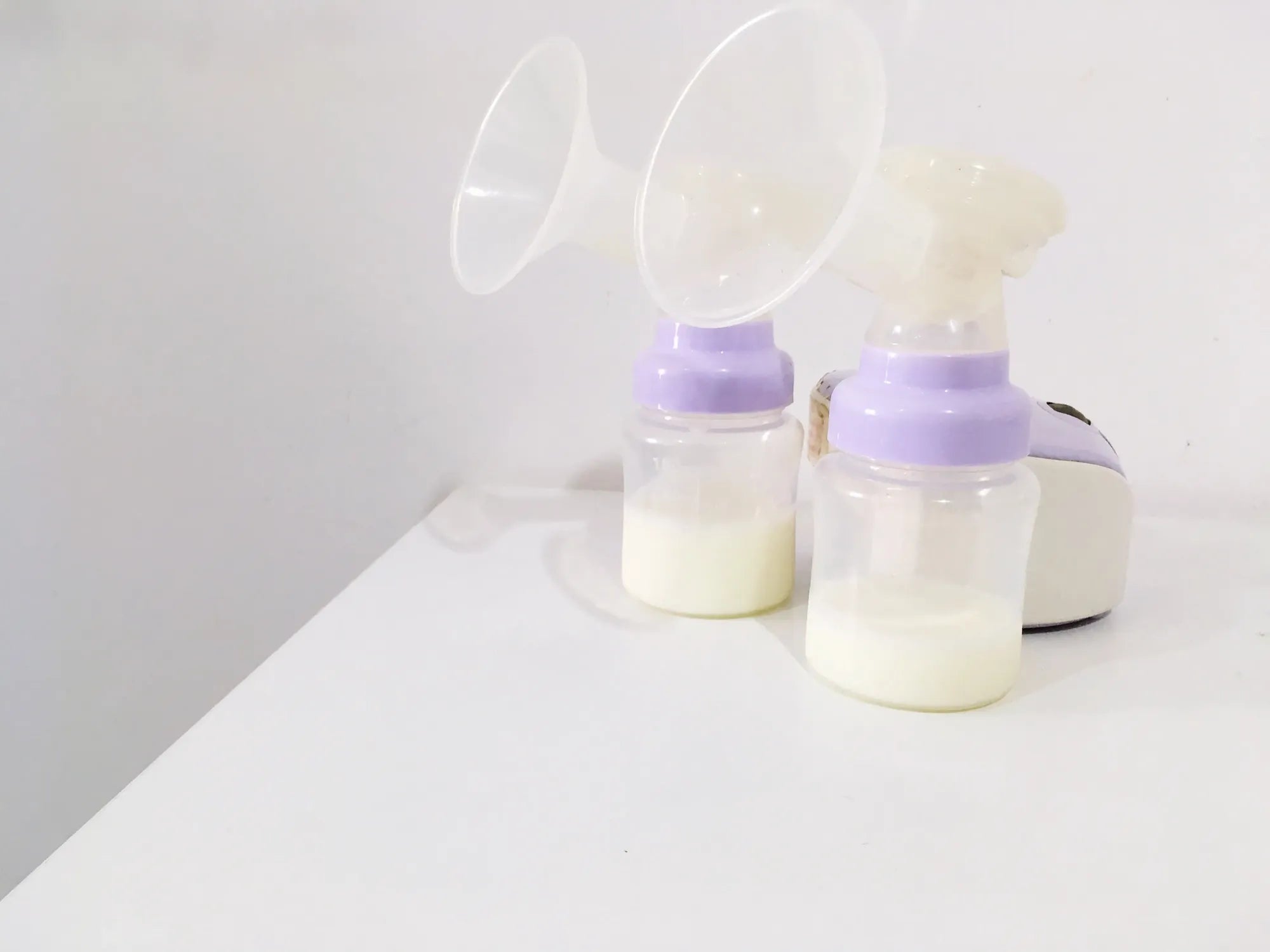
Does Breast Milk Pumped at Night Have Melatonin? Exploring the Science
Introduction: The Nighttime Nursing Question
For countless breastfeeding mothers, the 2 a.m. feeding or pumping session is a familiar ritual. In the quiet darkness, a question often arises: is this milk somehow different? Many mothers intuitively feel that "night milk" possesses unique, sleep-inducing properties for their babies. This leads us directly to the core scientific inquiry: does breast milk pumped at night have melatonin?
The answer is a resounding yes, supported by growing research. This article will delve deep into the science of circadian rhythms in human milk, explaining not just the presence of melatonin but its significance. We will explore what this means for managing pumped milk, optimizing feeding schedules, and how innovative products from trusted brands like MomMed can support mothers in aligning with these natural biological patterns for the benefit of both mom and baby.
Understanding Melatonin: More Than Just a Sleep Aid
Melatonin is often labeled simply as the "sleep hormone," but its role in the body is far more complex. It is a neurohormone secreted by the pineal gland in the brain, primarily in response to darkness. Its production helps regulate the sleep-wake cycle, signaling to the body that it's time to rest.
In infants, whose own circadian systems are immature and developing, melatonin plays a crucial foundational role. It doesn't just promote sleepiness; it helps set the internal biological clock, regulating rhythms for body temperature, hormone secretion, and even digestion. Furthermore, melatonin possesses antioxidant and anti-inflammatory properties, contributing to overall cellular health.
The presence of melatonin in breast milk is therefore a significant evolutionary adaptation. It acts as a chronobiotic signal—a time-keeping message—from mother to infant, helping to synchronize the baby's developing circadian rhythms with the external day-night cycle. This transfer is a prime example of how breast milk provides dynamic, personalized nutrition that changes to meet the infant's needs.
The Circadian Rhythm of Breast Milk: A Dynamic Fluid
Breast milk is not a static substance with a uniform composition. It is a dynamic, living fluid that changes in response to a multitude of factors, with time of day being one of the most significant. This field of study is known as chrononutrition.
Scientific studies have consistently demonstrated a clear 24-hour pattern in milk composition. Melatonin concentrations in breast milk are virtually undetectable during daylight hours. As evening approaches and the mother is exposed to darkness, her pineal gland increases melatonin production, and this hormone is transferred into her milk.
Research indicates that melatonin levels in milk begin to rise in the early evening, peak typically around midnight to 3 a.m., and then gradually decline towards morning. This rhythm is directly tied to the mother's own internal circadian clock and light exposure. Even if a mother is awake at night, provided she is in a dark or low-light environment, her body will continue to produce and secrete melatonin into her milk.
This diurnal variation means that the nutritional and hormonal profile of milk expressed at 10 a.m. is biochemically distinct from milk expressed at 2 a.m. Understanding this rhythm allows parents to think of milk not just as food, but as a time-sensitive biological signal.
Night Milk vs. Day Milk: What the Research Says
The Evidence for Nighttime Melatonin
Multiple peer-reviewed studies have confirmed the presence of melatonin in nighttime breast milk. A seminal study published in the journal Nutritional Neuroscience analyzed milk samples and found melatonin levels were highest during the night, correlating with maternal plasma melatonin peaks.
Another key finding is that the melatonin rhythm in milk persists even if the mother's sleep schedule is disrupted, as long as her light-dark cycle is maintained. This is crucial for pumping mothers who may be up at odd hours. The hormone transfer is a function of the mother's circadian rhythm and environmental darkness, not strictly her sleep state.
It's important to note that the absolute concentration of melatonin in milk is low compared to supplemental doses, but it is physiologically relevant for an infant. This natural, time-released provision is believed to be ideal for gently guiding an infant's developing system without overwhelming it.
Other Diurnal Variations in Milk Composition
Melatonin is not the only component on a daily schedule. Research shows that breast milk is a symphony of changing ingredients. Levels of cortisol—a hormone associated with alertness and energy—are highest in milk produced during the morning hours, potentially helping to promote daytime wakefulness.
Certain nucleotides, the building blocks of DNA and RNA, also fluctuate. Some, like adenosine and guanosine, which have been linked to sleep regulation, appear in higher concentrations at night. Fat content can also show variation, with some studies suggesting a higher fat content in evening milk.
This table summarizes key diurnal variations in breast milk composition:
| Component | Higher Concentration During | Potential Role for Infant |
|---|---|---|
| Melatonin | Night (Peak: Midnight-3 AM) | Sleep promotion, circadian rhythm setting, antioxidant |
| Cortisol | Morning (Peak: 6-8 AM) | Promoting alertness, energy metabolism, stress response modulation |
| Certain Nucleotides (e.g., Adenosine) | Night | Sleep induction, immune system support |
| Immunoglobulin A (IgA) | May vary; some studies suggest morning | Immune defense, gut protection |
This holistic view confirms that the question does breast milk pumped at night have melatonin is part of a bigger picture. Night milk provides a unique biochemical package designed for rest and recovery.
Practical Implications for Pumping and Feeding Moms
To Mix or Not to Mix? Guidance on Milk Management
For mothers who pump, this science leads to practical questions about milk storage and feeding. The first and most critical rule is that all your breast milk—day or night—is complete nutrition and safe for your baby at any time. However, if you wish to leverage the potential circadian benefits, strategic management can help.
It is highly recommended to label pumped milk with both the date and the time of day it was expressed. This simple practice allows you to identify "night milk" (e.g., milk pumped between 7 p.m. and 7 a.m.). When possible, especially for a fussy baby or one with sleep difficulties, offering night milk during nighttime feeds may provide those gentle, sleep-associated signals.
While mixing milk from different pumping sessions is common and nutritionally fine for creating larger feed volumes, it will dilute the time-specific hormonal profile. If optimizing for circadian cues is a goal, consider feeding time-matched milk when you can. Always prioritize having enough milk for your baby over perfect circadian alignment.
Maximizing the Benefits: Tips for Night Pumping
Pumping at night can be challenging but is often necessary to maintain milk supply, as prolactin (the milk-making hormone) levels are also higher at night. To support your own melatonin production and thus its transfer into your milk, create a conducive environment.
Use a dim red or amber night light instead of bright white or blue light if you need to see. Keep the environment quiet and calm. This is where innovative technology can be a game-changer. A wearable, ultra-quiet breast pump allows you to pump with minimal disruption.
For instance, the MomMed S21 Double Wearable Breast Pump is designed specifically for scenarios like this. Its whisper-quiet motors and hands-free, cordless design enable you to pump comfortably in bed or a rocking chair without fully waking yourself or your partner. By making the process less intrusive, it helps preserve your own precious sleep and supports your body's natural melatonin cycle, which in turn benefits the milk you express.
Addressing Common Concerns: Supply, Safety, and Schedules
Many mothers worry that skipping night feedings or pumps will harm their supply. It's true that frequent removal of milk, including at night especially in the early months, is a key driver of milk production due to elevated prolactin. However, as supply regulates, many mothers find they can adjust.
If you are exclusively pumping, maintaining at least one night session for the first few months is often recommended for supply. The MomMed S12 Single Wearable Pump can be a great option for a quicker, more discreet session if double pumping isn't needed. Always consult an IBCLC (International Board Certified Lactation Consultant) for a personalized plan.
Regarding safety, the endogenous melatonin in your milk is perfectly safe for your baby. It is a natural part of human lactation. This is fundamentally different from giving an infant or child an over-the-counter melatonin supplement, which is not recommended without direct pediatrician supervision. You are providing a biological signal in the precise form and dose nature intended.
For working moms, aligning feeding schedules with milk type can require planning. You might pump "night milk" during your last pump before bed and your first morning pump, saving those bottles for the caregiver to use during evening and nighttime feeds the next day. Clear communication and labeling are essential.
FAQ: Common Questions About Melatonin in Breast Milk
Q: Can I give my baby daytime milk at night? Will it keep them awake?
A: Yes, you can safely feed daytime milk at night. It is still nourishing and complete. While it lacks the higher melatonin levels of night milk, it is unlikely to actively "keep them awake." However, for a baby struggling with sleep, offering night milk may provide a subtle, helpful sleep cue.
Q: Does pumping at night affect my own sleep and health?
A> It can, which is why efficiency and comfort are paramount. Disrupting your deep sleep frequently can lead to exhaustion. Using a comfortable, quiet, wearable pump like the MomMed S21 can minimize this disruption, allowing you to potentially doze or rest while pumping, thereby protecting your own health and sleep cycle.
Q: If I pump milk at night but my baby drinks it during the day, does the melatonin still work?
A> The melatonin in the milk will be ingested, but its strongest effect is likely as a time-matched signal. Drinking night milk during the day might not have a strong sedative effect, as the baby's own circadian system and environmental cues (light, activity) are signaling "daytime." The potential antioxidant benefits, however, are still present.
Q: Do I need to worry about my diet increasing melatonin in my milk?
A> Your dietary intake of melatonin (found in foods like cherries, nuts, and oats) has a minimal effect on the melatonin levels in your milk, which are primarily governed by your pineal gland and circadian rhythm. Focus on maintaining a healthy, balanced diet for overall nutrition rather than trying to "boost" melatonin through food.
Q: How do MomMed pumps help with maintaining these natural milk rhythms?
A> Consistency is key to maintaining milk supply and composition rhythms. MomMed pumps, with their focus on comfort, portability, and quiet operation (using BPA-free, food-grade materials), reduce the burden of pumping. This makes it easier to stick to a regular expression schedule that aligns with your body's natural cycles, whether you're pumping during a night feed or building a stash during the day.
Conclusion: Harnessing Nature's Intelligent Design
The science is clear and remarkable: breast milk is a chronobiological fluid, and breast milk pumped at night does have melatonin. This is not a flaw or an inconsistency, but a feature of its intelligent design—a way for mothers to passively guide their infants' development toward a stable day-night cycle. Understanding this rhythm empowers you with knowledge, but it should not become a source of stress or rigid rules.
Use this information flexibly as a tool in your parenting toolkit. Label your milk, try time-matched feeds when it's practical, and prioritize your own rest and well-being. The goal is a fed baby and a healthy mother. Modern innovations exist to support this balance. By choosing equipment that aligns with your life—like comfortable, efficient wearable pumps—you can work with your biology, not against it.
Embrace the wonder of your body's ability to produce such dynamic nourishment. Whether you breastfeed directly, pump exclusively, or do a combination, you are providing irreplaceable nutrition. For mothers looking to integrate this science seamlessly into their lives, explore tools designed for your success. Shop the MomMed collection at mommed.com for all your breastfeeding and pregnancy needs, from wearable pumps that support nighttime expression to pregnancy tests and baby care essentials, all designed with the modern mother's journey in mind.