


Inicio
Pregnancy, Breastfeeding, and Pumping: The Ultimate Guide for Moms
Do You Refrigerate Breast Milk After Pumping? Essential Guidelines for Safe Storage
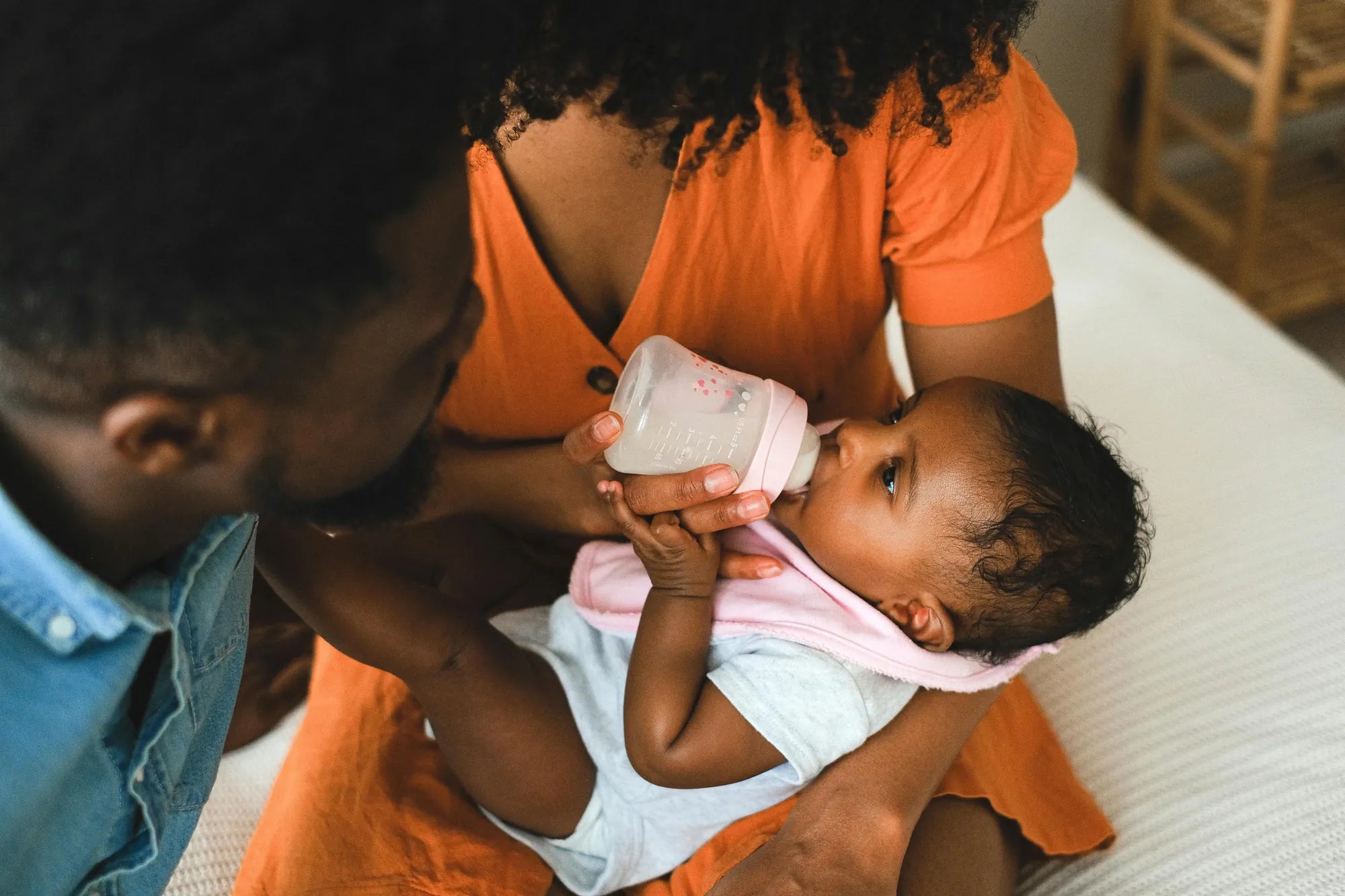
Do You Refrigerate Breast Milk After Pumping? Essential Guidelines for Safe Storage
Introduction to Breast Milk Storage
For every pumping mom, the liquid gold you express represents nourishment, immunity, and profound care for your baby. Ensuring its safety from pump to bottle is a non-negotiable part of the journey. The central question, Do you refrigerate breast milk after pumping?, is the critical first step in a protocol that protects your baby's health and your hard work. This guide delivers the essential, evidence-based guidelines you need. We'll translate official recommendations from the Centers for Disease Control and Prevention (CDC) and the American Academy of Pediatrics (AAP) into clear, actionable steps. Mastering safe storage empowers you to provide for your baby confidently, whether you're building a freezer stash for returning to work or simply storing milk for the next feed.
The Golden Rule: When to Refrigerate vs. When to Freeze
The short answer to Do you refrigerate breast milk after pumping? is a definitive yes, if you are not using it immediately. Freshly expressed breast milk is a perishable food that requires prompt cooling to inhibit bacterial growth. The foundational rule is clear: refrigerate or freeze breast milk within 4 hours of pumping if it will not be fed to your baby right away. This timeline is the gold standard for ensuring safety.
Understanding the "room temperature" window is key. Freshly pumped milk can safely remain at room temperature (up to 77°F or 25°C) for up to 4 hours. However, if the room is warmer (above 77°F), that safe window shortens. In very warm conditions (above 90°F or 32°C), milk should be used within 1 hour. When in doubt, the safest practice is to refrigerate it promptly. This directly addresses the core concern behind Do you refrigerate breast milk after pumping?
Freezing becomes the best option for longer-term storage. If you know you won't use the milk within 4 days, place it in the freezer as soon as possible after pumping. Freezing preserves the milk's nutritional and immunological properties for extended periods. The decision between refrigeration and freezing hinges on your anticipated use. Refrigeration is for short-term needs (within the week), while freezing is for building a strategic stash.
The Step-by-Step Guide to Storing Freshly Pumped Milk
Establishing a consistent routine right after pumping eliminates guesswork and ensures safety. Follow this checklist every time you finish a session. First, wash your hands thoroughly before handling any pump parts or storage containers. This simple step is your first line of defense against contamination.
Next, label your storage container immediately. Use a waterproof marker to note the date and time of expression, and the volume if desired. This practice is crucial for adhering to the "first in, first out" rule we'll discuss later. Always use clean, dedicated storage containers. Pour the milk carefully, leaving some space at the top—about an inch for bags or bottles that will be frozen, as milk expands.
Seal the container tightly. If using a bag, squeeze out excess air before sealing to help preserve nutrients. Place the container in the back of the refrigerator or freezer, where temperatures are coldest and most stable. Avoid storing milk in the door, where temperature fluctuations are more common. This systematic approach turns the question, Do you refrigerate breast milk after pumping?, into a confident habit.
Choosing the Right Storage Container
The vessel you choose matters for safety and convenience. All containers must be made of food-grade, BPA-free materials. Glass or hard plastic bottles with tight-fitting lids are excellent for refrigeration and are reusable. They are ideal for milk you plan to use within a few days, as they are sturdy and easy to warm.
For freezing, dedicated breast milk storage bags are often the best choice. They are pre-sterilized, space-efficient for stacking, and designed to withstand freezing. Look for bags that are thick, have a double-zip seal, and a writable surface. A common mistake is pumping directly into a bag using an adapter; while convenient, ensure the bag is securely attached to avoid spills. Whichever you choose, the principle behind Do you refrigerate breast milk after pumping? remains: use a clean, sealed container designed for the purpose.
How Long Does Breast Milk Last? A Detailed Storage Timeline
Adhering to validated storage times is paramount for your baby's safety. These timelines, based on CDC guidelines, provide a clear framework. The countdown begins from the moment the milk is expressed. Consistency in following these limits ensures the milk your baby receives is always fresh and safe.
The following table summarizes the key storage durations under different conditions. It serves as a quick, reliable reference that every pumping mom should bookmark.
| Storage Location | Temperature | Safe Duration for Fresh Milk | Key Notes |
|---|---|---|---|
| Room Temperature | Up to 77°F (25°C) | Up to 4 hours | Ideal for immediate use. Shorter time in warmer rooms. |
| Insulated Cooler | With ice packs | Up to 24 hours | Essential for transport. Keep ice packs in contact with containers. |
| Refrigerator | 40°F (4°C) or below | Up to 4 days | Store in the back, not the door. Use within 96 hours. |
| Freezer (inside fridge) | Variable, often 5°F (-15°C) | Up to 2 weeks | Not ideal for long-term; temperature fluctuates with door openings. |
| Standalone Freezer | 0°F (-18°C) or below | 6 to 12 months | Best for long-term stash. Maintains consistent cold temperature. |
| Deep Freezer | -4°F (-20°C) or below | 12 months | Optimal preservation of nutrients and antibodies. |
For thawed milk, the rules change. Once frozen breast milk is thawed in the refrigerator, it should be used within 24 hours. Never refreeze thawed milk. If thawed at room temperature or in warm water, it should be used immediately. This detailed timeline answers not just Do you refrigerate breast milk after pumping?, but for how long and under what precise conditions.
Safely Using Stored Milk: Thawing and Warming Best Practices
Retrieving your stored milk safely is as important as storing it correctly. The safest method for thawing frozen breast milk is to place it in the refrigerator overnight. This slow thaw preserves more of the milk's beneficial properties. If you need it faster, hold the sealed container under lukewarm running water or place it in a bowl of warm water.
Never use a microwave or boiling water to thaw or warm breast milk. Microwaves create dangerous hot spots that can scald your baby's mouth and destroy precious immune factors and nutrients. After thawing or warming, gently swirl the container to remix the fat, which naturally separates. Do not shake vigorously, as this can break down some protein structures.
Test the milk's temperature by dropping a few dots on the inside of your wrist; it should feel lukewarm, not hot. Once warmed, use the milk within 2 hours. If your baby does not finish a bottle of previously frozen and warmed milk, it is safest to discard the remainder after that feeding. This careful process ensures the milk you worked so hard to express provides maximum benefit.
The "First In, First Out" Rule and Organizing Your Stash
Managing a growing milk stash requires a simple system. The "First In, First Out" (FIFO) rule is your best organizational tool. Always use the oldest expressed milk first. This prevents any milk from being stored beyond its safe date. In practice, when adding new milk to the freezer, place the newer bags or bottles behind the older ones.
Consider using a bin or basket dedicated to breast milk in your freezer. You can organize it by week or month. Some moms find it helpful to use a freezer inventory log—a simple list on the freezer door noting dates and quantities. This organization turns the abstract concept of Do you refrigerate breast milk after pumping? into a tangible, manageable system that reduces waste and ensures your baby always gets the freshest available stored milk.
Special Considerations for MomMed Wearable Pump Users
For moms using innovative wearable pumps like the award-winning MomMed S21 Double Wearable Breast Pump, the storage process integrates seamlessly with pumping. The primary convenience is the ability to pump directly into the BPA-free, food-grade silicone collection cups, which are sealed and portable. This design minimizes transfers and potential contamination during the pumping session itself.
However, the core safety principle remains unchanged. After your pumping session is complete, you must still address the question: Do you refrigerate breast milk after pumping? The answer is yes. Even though the MomMed collection cups are safe for storage, for optimal organization and to free up your pump parts for cleaning, it is best to transfer the milk to a dedicated storage bag or bottle labeled with the date and time. The sealed, discreet design of the MomMed wearables means you can finish a session and place the entire unit in the fridge for a short period (up to 4 hours) if you cannot transfer the milk immediately—a feature known as the "fridge hack" that many moms appreciate for its efficiency. Always consult your pump's manual and prioritize thorough cleaning for optimal hygiene.
This approach leverages the pump's convenience while adhering to the gold standard of milk storage. MomMed designs its products, like the ultra-quiet S21 and S12 pumps, with the entire feeding journey in mind—from comfortable, effective expression to safe, straightforward storage.
Common Breast Milk Storage Questions Answered (FAQ)
Q1: Can I combine milk from different pumping sessions in one container?
Yes, but with important caveats. You can combine milk pumped at different times within the same day. However, cool the newly expressed milk in the refrigerator first before adding it to an already chilled container. Never add warm milk to already cold or frozen milk, as it can raise the temperature of the stored batch. Always label the container with the date of the oldest milk in the mix.
Q2: Why does my refrigerated or thawed milk smell or look soapy or metallic? Is it safe?
This is often due to high lipase activity—a natural enzyme in your milk that breaks down fats over time. The milk is typically safe for consumption, but some babies may refuse the taste. If this is an issue, you can scald the milk (heat it to a simmer with small bubbles around the edge, not a boil) immediately after pumping before chilling or freezing. This deactivates the lipase. Always cool scalded milk quickly before storing.
Q3: I accidentally left milk out for 5 hours. Can I still use it?
When in doubt, throw it out. The 4-hour rule at room temperature is a strict safety guideline from the CDC to prevent bacterial growth. While it might look and smell fine, harmful bacteria can be present without obvious signs. It is not worth the risk to your baby's health. This reinforces why the practice of promptly refrigerating is so critical.
Q4: Can I refreeze thawed breast milk?
No. The CDC advises against refreezing thawed breast milk. Once ice crystals have melted completely, the milk should be used within 24 hours if kept in the refrigerator. Refreezing can lead to a greater breakdown of components and increased risk of bacterial contamination. Plan your thawing based on anticipated need.
Q5: How do I transport breast milk while traveling or commuting?
Use an insulated cooler bag with frozen ice packs. Ensure the ice packs are still frozen and in direct contact with the milk containers. Milk should stay cool (at refrigerator temperatures, 40°F or below) during transport. Upon arrival, immediately place the milk in a refrigerator or freezer. For longer journeys, consider using a portable refrigerator or dry ice. Proper transport is a mobile extension of the principle behind Do you refrigerate breast milk after pumping?
Conclusion: Confidence in Your Feeding Journey
Mastering the guidelines for breast milk storage transforms uncertainty into confidence. Knowing the precise answer to Do you refrigerate breast milk after pumping? and all the subsequent steps allows you to nourish your baby with the absolute assurance of safety. This knowledge empowers you to build a resilient feeding plan, whether you're exclusively pumping, combining breastfeeding and pumping, or creating a stash for future needs. Your dedication to providing breast milk is a significant effort, and protecting that effort through proper storage is a key part of the journey. Trusted brands like MomMed support this journey by creating reliable, innovative products—from their hospital-grade efficient wearable pumps to their thoughtfully designed feeding accessories—that align with these essential safety practices, giving you one less thing to worry about as you care for your little one.
Shop the MomMed collection at mommed.com for all your breastfeeding and pregnancy needs, including award-winning wearable pumps, storage accessories, and expert support to complement your feeding journey.