


Inicio
Pregnancy, Breastfeeding, and Pumping: The Ultimate Guide for Moms
Do You Only Pump One Breast? Understanding the Implications for Supply & Comfort
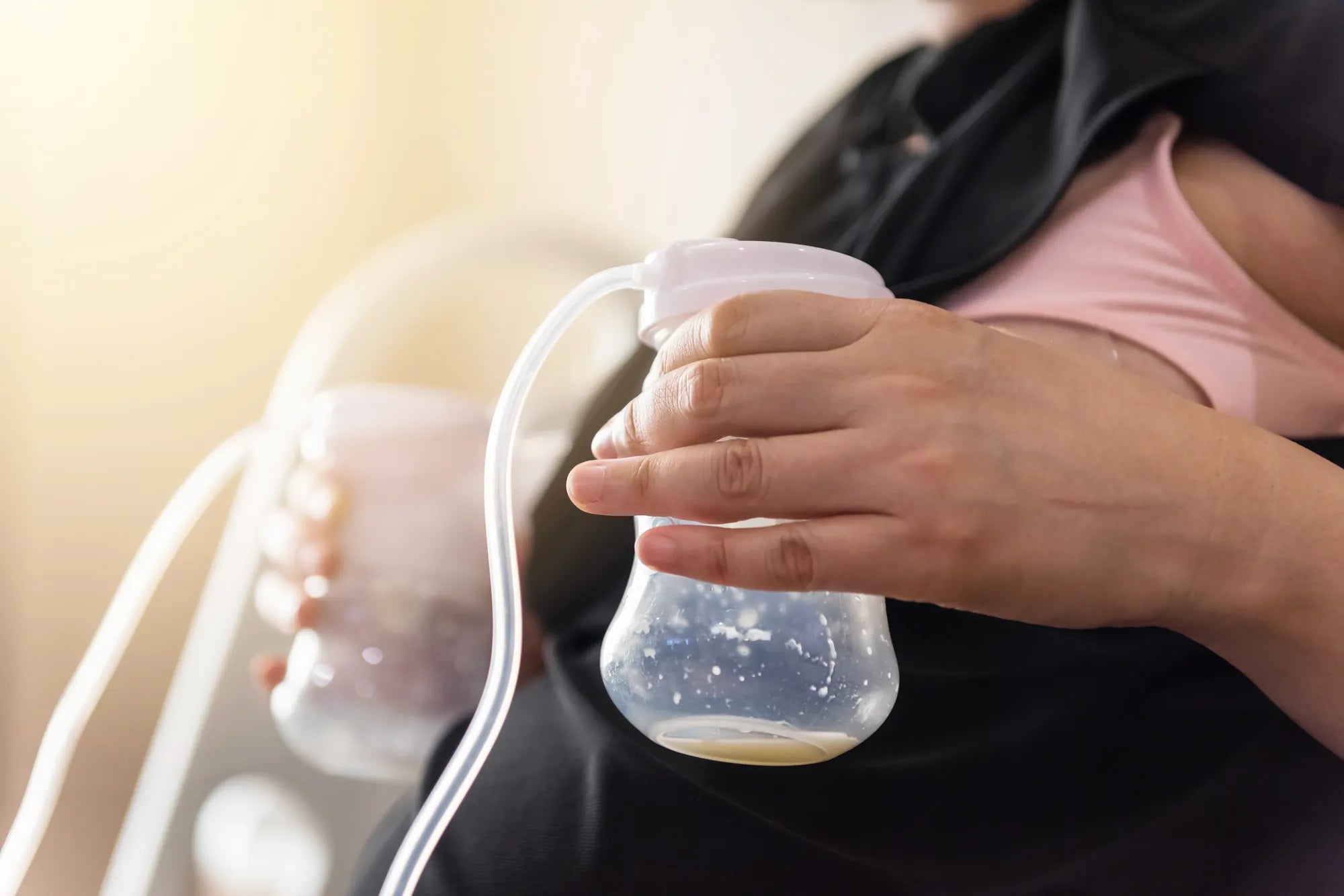
Do You Only Pump One Breast? Understanding the Implications for Supply & Comfort
You’re mid-pumping session, one side is done, and you wonder: is it okay to just pump one breast? This simple question touches on complex physiology, personal comfort, and practical breastfeeding management. Pumping from only one side—known as unilateral pumping—is a common consideration with significant implications for your milk supply, your body, and your feeding journey. Whether driven by necessity, convenience, or a specific strategy, understanding the “why” and “how” is crucial. This guide will delve into the science of supply and demand, explore valid reasons for one-sided pumping, and provide actionable strategies to navigate this choice while protecting your overall breastfeeding goals. We’ll move beyond judgment to offer data-driven insights and practical support for every mom’s unique situation.
Why Moms Consider Pumping One Breast
The decision to pump from a single breast is rarely arbitrary. It typically stems from specific, real-life challenges or strategic goals within a mother’s breastfeeding journey. Recognizing these reasons validates the experience and frames the practice as a responsive tool rather than a mere shortcut.
For many, it’s a response to their baby’s behavior. A strong preference for one side can leave the other breast consistently fuller. Others may be managing physical discomfort, such as recovering from a cesarean section or mastitis, where pumping the affected side is too painful. Time pressure is another major factor; a quick, one-sided pump can provide relief during a busy workday when a full double-pumping session isn’t feasible.
From a physiological standpoint, significant asymmetry in milk output or ductal structure can make one breast a more efficient “producer.” Some mothers find they can express more milk, faster, from one side and may focus their pumping efforts there to maximize yield. Understanding these motivations is the first step in assessing the long-term impact and implementing supportive practices.
Common Practical Scenarios
Several everyday situations make unilateral pumping a logical, and sometimes necessary, choice. These scenarios highlight the adaptive nature of breastfeeding and pumping.
Baby’s Side Preference: Many infants develop a clear favoring for one breast, often due to neck tightness (torticollis) or simply comfort. This leaves the other breast regularly engorged, requiring expression to maintain comfort and prevent clogs.
Managing Unilateral Issues: Conditions like mastitis, a plugged duct, or a bleb (milk blister) primarily affect one breast. The standard treatment involves frequent milk removal from the affected side, which may mean focused pumping there while nursing or pumping normally on the other.
Oversupply in One Breast: It’s common for one breast to have a larger storage capacity or faster let-down. To avoid perpetual engorgement on that side while the other maintains a baseline supply, targeted pumping becomes a regulation tool.
Physical Recovery or Injury: Recovery from breast surgery, a biopsy, or an injury like a fractured rib on one side can make wearing a pump flange or applying suction painful or medically inadvisable.
The Role of Personal Comfort and Convenience
Beyond medical or latch issues, the logistics of daily life play a huge role. Pumping is a significant time commitment, and flexibility is key for sustainability.
For working moms, a discreet, one-sided pump using a wearable device like the MomMed S21 Double Wearable Breast Pump can be done hands-free under clothing, allowing for continued work or childcare. The convenience of managing a single collection container and flange setup is also simpler and less cumbersome during short breaks.
Comfort with pumping mechanics varies. If one breast responds better to the pump or has a nipple shape that aligns more easily with standard flange sizes, a mother may naturally gravitate toward expressing from that side. The goal is effective milk removal, and sometimes that path is unilateral.
The Physiology: How Your Breasts Respond to Single-Side Pumping
Breast milk production operates on a core principle: supply and demand. The hormone prolactin stimulates milk creation, but its release is triggered by the removal of milk from the breast. The more frequently and thoroughly milk is removed, the stronger the signal to produce more.
When you consistently pump from only one breast, you are sending two very different signals to your body. The pumped breast receives the “demand” signal loud and clear, encouraging it to maintain or even increase its milk production. The non-pumped breast, however, receives the opposite signal.
Milk that sits in the alveoli (the milk-producing sacs) contains a feedback inhibitor of lactation (FIL). As milk accumulates, FIL levels rise, signaling that production should slow down. If milk is not removed from a breast for an extended period, the eventual result is weaning for that side alone. This physiological reality underpins all the potential outcomes of long-term unilateral pumping.
Supply and Demand in a Single Breast
Focusing demand on one breast can remarkably increase its output capacity. This breast adapts to become the primary, and sometimes sole, source of expressed milk. Its glandular tissue remains active, and milk removal efficiency often improves with regular, targeted stimulation.
This can be a purposeful strategy. For instance, if the right breast consistently produces 5 ounces per session while the left produces 2, a mom might choose to pump only the right to build a freezer stash efficiently. The right breast may then gradually increase its yield to 6 or 7 ounces per session to compensate, demonstrating a localized supply-and-demand response.
However, this increased capacity in one breast doesn’t magically transfer supply from the other side. It represents a reallocation of your body’s overall prolactin response and resource investment into the actively used breast.
The Risk of Unilateral Weaning and Asymmetry
The counterpart to increased supply in one breast is the gradual weaning of the other. If milk is never or rarely removed, production will dwindle and eventually stop. This process, known as involution, is the same that occurs when a child fully weans, but it happens to one breast independently.
The most visible consequence is breast asymmetry. The actively used breast may remain larger and fuller, while the non-pumped breast decreases in size. This size difference can be pronounced and may persist even after complete weaning, though it often lessens over time.
Beyond cosmetics, a sudden need to reactivate the non-pumped breast (e.g., if the primary breast becomes injured) can be challenging. Restarting or significantly increasing supply in a breast that has begun to involute requires diligent, frequent stimulation—similar to relactation—and may not fully restore previous output levels.
When Pumping One Breast Can Be a Strategic Tool
Viewed through a strategic lens, unilateral pumping is not a problem to be avoided but a valuable technique for specific breastfeeding challenges. Used intentionally, it can help regulate supply, treat common issues, and support a more manageable feeding routine.
The key is moving from reactive pumping (“I’m too uncomfortable on this side”) to proactive management (“I will pump this side to achieve a specific goal”). This shift empowers mothers to use pumping as part of a broader lactation plan, often developed with an International Board Certified Lactation Consultant (IBCLC).
Managing Oversupply or Severe Engorgement
For mothers with an overall oversupply, pumping both breasts to “empty” can exacerbate the issue by telling the body to produce even more. A strategic approach involves pumping only the most engorged breast, and only to the point of comfort—not until fully drained.
This technique, often called “pumping for comfort,” relieves pressure and helps prevent clogged ducts without providing the strong demand signal that would increase total production. The other breast can be offered to the baby or left as is, allowing the body to gradually adjust total output downward to match the baby’s actual needs.
Navigating Mastitis or a Recurrent Clogged Duct
Current clinical guidelines for mastitis and plugged ducts emphasize frequent milk removal from the affected breast. This often means nursing or pumping on that side more often than the unaffected side.
A practical strategy is to nurse the baby on the affected side first and most frequently. If pumping, focus sessions on the sore breast. The unaffected breast can be pumped briefly for comfort if needed, but the priority is clearing the blockage through increased demand on the problem area. Using a pump with gentle, adjustable settings like the MomMed Swing Electric Breast Pump can make this frequent pumping more tolerable.
Feeding a Baby with a Strong Side Preference
When a baby refuses one breast, unilateral pumping becomes essential to maintain supply on that side and prevent mastitis. The strategy involves nursing the baby on the preferred side while regularly pumping the refused breast.
This accomplishes two goals: it keeps the baby well-fed from the favored breast, and it preserves the milk supply and breast health of the other side. The expressed milk can be bottle-fed, creating a positive association with the milk from that breast, or stored for future use. Over time, as the baby grows or the underlying issue (like neck tightness) is addressed, they may accept the other breast again, thanks to the maintained supply.
Best Practices for Pumping a Single Breast
If you are pumping from one breast, whether short-term or long-term, following evidence-based best practices can optimize comfort, maintain your desired supply level, and prevent complications. These guidelines focus on efficiency and bodily awareness.
First, always ensure you are using the correct flange size. A flange that is too large or too small can reduce milk output and cause nipple damage, which is especially critical when one breast is bearing the full burden of expression. MomMed pumps include multiple flange size options to help achieve a proper fit, which is vital for effective milk removal.
Second, mimic a baby’s nursing pattern. Start with a stimulation mode to trigger let-down, then switch to expression mode. Vary the suction strength to find what works best for that breast. Complete, comfortable emptying is more important than a high suction level.
Protecting Supply in the Non-Pumped Breast
If your goal is to maintain some supply in the breast you are not regularly pumping—perhaps for future flexibility or to reduce asymmetry—you need to provide occasional stimulation.
A short, 5-10 minute pumping session on that side once a day, or even every other day, can be enough to slow the weaning process. Alternatively, hand expression for a few minutes after a shower can provide effective stimulation without the setup of a full pump session. The key is consistent, if infrequent, milk removal to counteract the FIL signal.
Ensuring Comfort and Preventing Complications
When one breast is doing all the work, preventing issues like vasospasm (painful nipple tightening) or recurrent clogs is paramount. Ensure your pumping sessions are not excessively long; 15-20 minutes of effective pumping is often sufficient.
Massage the breast before and during pumping to encourage let-down and thorough drainage. After pumping, apply a nipple cream if needed and allow your skin to air dry. Wearing a supportive but non-constricting bra is also important for breast health and comfort when supply between sides is uneven.
Comparative Analysis: Unilateral vs. Bilateral Pumping Strategies
| Factor | Pumping One Breast (Unilateral) | Pumping Both Breasts (Bilateral) |
|---|---|---|
| Primary Goal | Targeted relief, managing unilateral issues, feeding a side-preferred baby, strategic oversupply management. | Maximizing total milk yield per session, building a stash efficiently, maintaining symmetrical supply. |
| Impact on Overall Supply | Can shift supply dominance to the pumped breast; may lead to weaning of the non-pumped breast. | Supports balanced, sustained milk production in both breasts based on combined demand. |
| Time Efficiency | Often faster per session; allows for discreet, hands-free pumping on one side. | Session may be longer but yields more total milk; time-effective for volume. |
| Risk of Asymmetry | High risk of noticeable size and output difference between breasts. | Low risk; promotes balanced development and appearance. |
| Best For Situations Like | Mastitis in one breast, recovering from injury, baby with a strong side preference, significant output imbalance. | Exclusive pumping, maintaining a large freezer stash, mothers of multiples, workplace pumping. |
| Product Recommendation | MomMed S12 Single Wearable Pump for ultimate discretion and simplicity on one side. | MomMed S21 Double Wearable Pump for efficient, hands-free double expression. |
Storing Milk from a Single Breast: What You Need to Know
The milk you express from one breast is just as nutritious and safe as milk from both. Storage guidelines from the CDC and Academy of Breastfeeding Medicine apply universally: fresh milk can be kept at room temperature for up to 4 hours, in the refrigerator for up to 4 days, and in a freezer for 6-12 months.
An interesting note is that milk composition can vary between your breasts and even at different times of day. One breast may produce milk with a slightly higher fat content. This is normal. You can absolutely mix milk from single pumping sessions together, provided both batches are cooled to the same temperature first.
Labeling your storage bags or containers with the date is standard practice. You might also consider noting which breast it came from if you are tracking output differences for medical or personal reasons. Otherwise, treat it as the valuable liquid gold it is.
FAQ: Your One-Sided Pumping Questions Answered
Will my other breast dry up completely if I only pump one side?
Yes, if you never remove milk from that breast, it will eventually stop producing milk through the process of involution. The timeline varies from weeks to months, depending on your individual physiology and how long you have been lactating. Occasional stimulation can slow or halt this process if maintaining some supply is desired.
Is it bad or dangerous if my breasts become very different sizes?
It is not medically dangerous, but it is a common cosmetic outcome of sustained unilateral pumping. The size difference is caused by the differing levels of glandular activity. If you return to pumping or nursing from both sides equally, some symmetry may return, but a difference may persist after weaning. Supportive bras can help with comfort and appearance.
Can I switch which breast I pump from regularly?
Absolutely. Alternating which breast you pump from is an excellent strategy to maintain a more balanced supply and appearance. For example, you could pump from the right breast in the morning sessions and the left breast in the afternoon sessions. This still allows for single-side convenience while distributing the demand signal.
How does one-sided pumping affect my freezer stash?
It may slow the rate at which you build a stash if your single breast’s output is less than your combined output. However, if that breast has a higher capacity, it may compensate. The stash will be perfectly usable. Remember to practice the “first in, first out” rule when using frozen milk.
Should I use a different pump setting for one breast?
Not necessarily, but you should always use the settings that are most effective and comfortable for that specific breast. One breast may respond better to a different pattern or suction strength. Let your output and comfort be your guide. Modern pumps like MomMed’s models offer multiple modes to customize your experience for each breast’s needs.
Making an Informed Choice for Your Journey
The decision to pump from one breast is deeply personal and context-dependent. There is no universal right or wrong answer, only what is right for your body, your baby, and your life circumstances. Understanding the physiological implications—the potential for supply shift and asymmetry—empowers you to make that choice with eyes wide open.
Whether you are managing a painful clog, adapting to your baby’s preferences, or simply seeking efficiency during a busy day, unilateral pumping is a valid tool in your breastfeeding arsenal. The key is intentionality. Use it as a targeted strategy rather than a default, and be prepared to adjust as your needs change. Consulting with an IBCLC can provide a personalized plan that aligns with your long-term goals.
Modern pumping technology has made flexibility more accessible than ever. Wearable, silent pumps allow for discreet single-side expression without halting your day. Whatever path you choose, trust that feeding your baby, in whatever form that takes, is an act of love and dedication. Your journey is unique, and your methods should support your well-being as much as your baby’s nutrition. Shop the MomMed collection at mommed.com for all your breastfeeding and pregnancy needs, from wearable pumps designed for real-life flexibility to essential baby care products that support your journey with comfort and innovation.