


Inicio
Pregnancy, Breastfeeding, and Pumping: The Ultimate Guide for Moms
Do You Need to Sterilise Breast Pump Every Time? A Data-Driven Guide
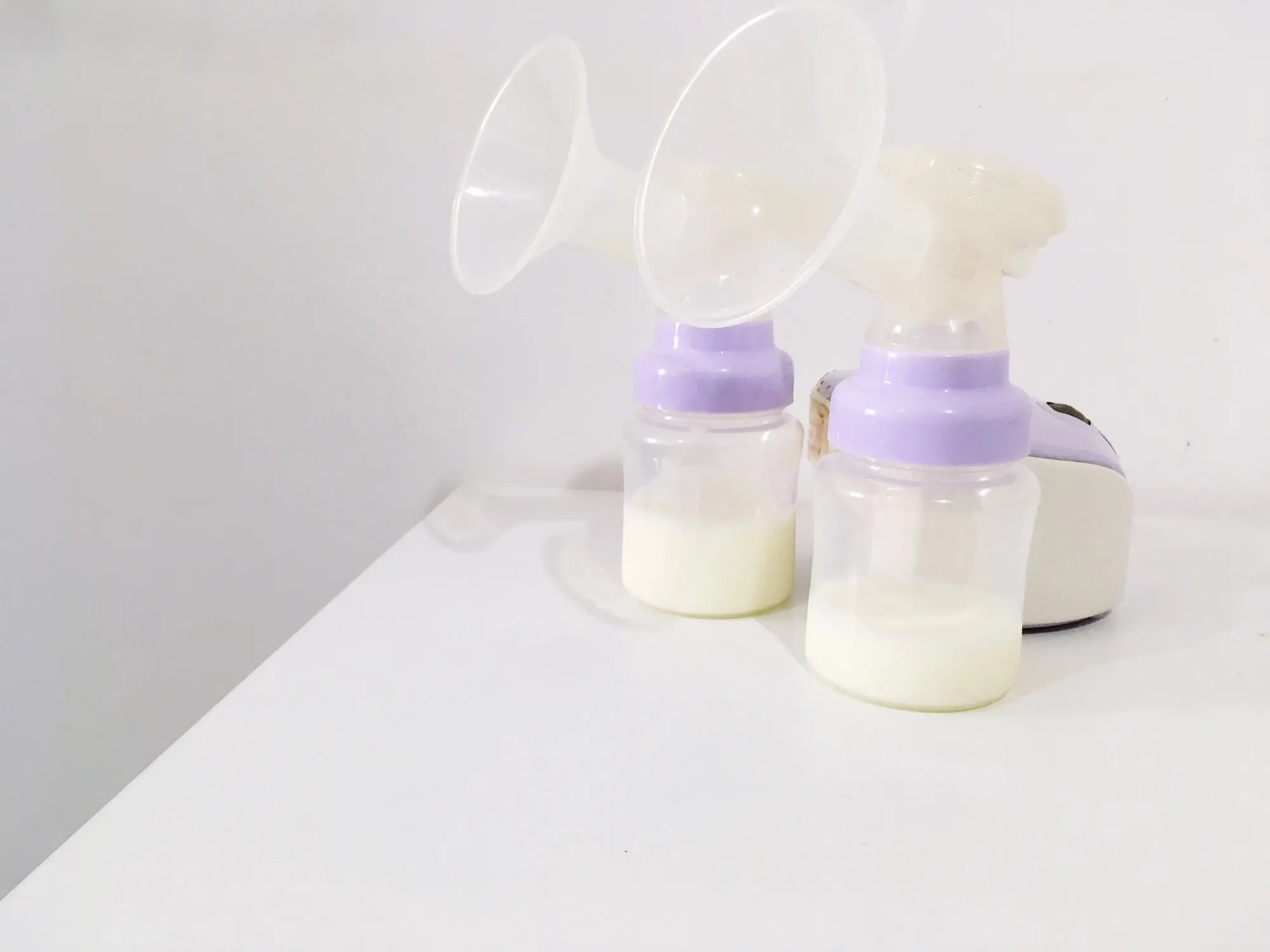
Do You Need to Sterilise Breast Pump Every Time? A Data-Driven Guide
Navigating Breast Pump Hygiene with Confidence
Picture this: it's 3 a.m., you've just finished a pumping session, and the thought of trekking to the kitchen to sterilize every pump part feels overwhelming. You're not alone. The question, "Do you need to sterilise breast pump every time?" is a common point of stress and confusion for pumping parents. The answer isn't a simple yes or no; it's a nuanced guideline that balances absolute safety with practical reality. This article provides a clear, evidence-based roadmap to effective pump hygiene, helping you protect your baby while preserving your well-being. We'll dissect official recommendations, provide real-world schedules, and clarify when cutting corners is risky. As a trusted maternal and baby care brand, MomMed specializes in creating reliable, innovative products like our wearable breast pumps, designed with your practical needs in mind without compromising on safety.
Understanding Sterilization vs. Cleaning: A Crucial Difference
Before determining frequency, you must understand the fundamental difference between cleaning and sterilizing. These are two distinct processes with different goals. Cleaning is the physical removal of milk residue, fat, and visible dirt from your pump parts. It involves washing with warm, soapy water, using a dedicated brush, and rinsing thoroughly. The goal is to remove the organic matter that bacteria and viruses need to grow.
Sterilizing, on the other hand, is the process of killing virtually all microorganisms—bacteria, viruses, and fungi—on an object. This is achieved through high heat (steam or boiling), chemical solutions, or specific radiation. Sterilization goes beyond cleaning to ensure a germ-free surface, which is critical for vulnerable immune systems.
Think of it this way: cleaning removes the "food" for germs, while sterilizing kills the germs themselves. For healthy, full-term babies over a certain age, rigorous cleaning after every use may be sufficient to prevent illness. However, for newborns or medically fragile infants, sterilization adds a critical layer of protection by eliminating pathogens that cleaning might miss.
All MomMed breast pumps, including our popular S21 Double Wearable Breast Pump, are crafted from BPA-free, food-grade silicone and other materials compatible with both thorough cleaning and common sterilization methods, giving you flexibility in your hygiene routine.
The Official Guidelines: What Health Authorities Recommend
Leading health organizations provide clear, research-backed guidance on breast pump hygiene. The U.S. Centers for Disease Control and Prevention (CDC) and the UK's National Health Service (NHS) offer the most cited protocols. Their recommendations hinge primarily on the baby's age and health status, providing a clear framework for the question, "Do you need to sterilise breast pump every time?"
The CDC strongly recommends sterilizing pump parts at least once daily for infants under 3 months old, those born prematurely, or those with a compromised immune system. For these vulnerable babies, the risk of infections like thrush, gastroenteritis, or more serious bacterial illnesses is higher. Therefore, sterilization after every single use is the gold standard for maximum safety during this critical period.
For healthy, full-term babies older than 3 months, the guidelines shift. The consensus is that thorough cleaning after each use is the priority. However, periodic sterilization—such as once a day or a few times a week—is still advised. The NHS notes that while sterilizing remains important, the baby's developing immune system and increased exploration (putting toys in their mouth) change the risk calculus.
These guidelines exist because breast milk, while containing protective antibodies, is also a perfect medium for bacterial growth at room temperature. The key is to match your hygiene protocol to your baby's specific vulnerability level, using sterilization as a vital tool during the highest-risk phases.
The MomMed Practicality Guide: A Real-World Sterilization Schedule
Translating official guidelines into a sleep-deprived parent's daily life requires a practical plan. This schedule adapts the recommendations into actionable steps, helping you answer "Do you need to sterilise breast pump every time?" for your specific situation. The following table provides a clear, at-a-glance reference for different scenarios.
| Baby's Age & Health Status | Cleaning Protocol | Sterilization Protocol | Key Rationale |
|---|---|---|---|
| Newborn to 3 Months (or Premature/Immunocompromised) | Clean thoroughly with soap & water after EVERY use. | Sterilize after EVERY use. This is non-negotiable for maximum safety. | Immune system is immature. High risk for serious infection. |
| Healthy Baby, 3-6 Months | Clean thoroughly with soap & water after EVERY use. | Sterilize at least once per day. Other pump sessions that day require cleaning only. | Immune system is strengthening. Balance safety with practicality. |
| Healthy Baby, 6+ Months | Clean thoroughly with soap & water after EVERY use. | Sterilize periodically (e.g., every 2-3 days or once a week), especially if parts are dishwasher-safe*. | Baby is exposed to more environmental germs. Rigorous cleaning is primary defense. |
| During Illness (Baby or Parent) | Clean thoroughly after EVERY use. | Return to sterilizing after EVERY use until 2-3 days after symptoms resolve. | Prevents reinfection or passing germs between parent and baby. |
| When Traveling or Away from Home | Use pump wipes or clean with soap and bottled water if safe water is unavailable. | Use microwave steam bags available in most hotels or pre-sterilized storage bags. Chemical sterilizing tablets are also portable. | Maintains hygiene standards in suboptimal conditions. Pre-prepared options are key. |
*Note: Check your pump manufacturer's instructions. Most dishwashers clean effectively but do not sterilize unless they have a specific sanitizing cycle with very high heat.
How to Properly Clean Your MomMed Pump Parts
A proper clean is the non-negotiable foundation of pump hygiene after every single use, regardless of sterilization frequency. Follow these steps for optimal results. First, immediately after pumping, rinse all parts that contacted breast milk under cool running water to prevent milk proteins from drying and sticking.
Disassemble every component completely—flanges, valves, membranes, connectors, and bottles. Wash each piece separately in a basin or sink dedicated to baby items (not used for dishes) using warm water and mild dish soap. Use a dedicated, small brush designed for bottle and pump parts to scrub inside tubing connectors and valve crevices.
Rinse all parts thoroughly under running water to remove all soap residue. Soap left behind can mix with your next batch of expressed milk. Shake off excess water and place parts on a clean, unused dish towel or a drying rack in an area free from dust and kitchen contaminants. Allow to air-dry completely before reassembling or storing.
Never towel-dry parts, as cloths can harbor bacteria. For MomMed wearable pumps like the S21, pay special attention to cleaning the silicone diaphragms and the inner surfaces of the collection cups, where milk can pool. A clean, dry pump is your first and most consistent line of defense.
Effective Sterilization Methods for Your Peace of Mind
When it's time to sterilize, you have several reliable, at-home options. Each method has pros and cons related to convenience, cost, and compatibility with pump materials. Electric Steam Sterilizers are fast (cycles often 8-12 minutes) and efficient, killing 99.9% of germs with steam. They are convenient for daily use and typically fit most pump parts.
Microwave Steam Sterilizer Bags are affordable, portable, and use your microwave's power to generate steam. Most bags can be reused 20-30 times. This is an excellent option for travel or quick sterilization. Boiling is a low-cost, accessible method. Submerge disassembled parts in a pot of rolling boiling water for at least 5 minutes. Use a timer to avoid damaging heat-sensitive parts like valves or membranes over time.
Cold-Water Chemical Sterilization uses FDA-approved tablets or liquid solutions dissolved in water. Parts must be fully submerged for the recommended time (usually 30+ minutes). This method is effective without heat, making it ideal for delicate parts, but requires thorough rinsing with previously boiled, cooled water before use. All MomMed pump parts are designed to be compatible with these common methods, but always avoid methods involving bleach unless explicitly recommended and followed by extremely thorough rinsing.
Key Factors That Change the Rules: When Sterilization is Non-Negotiable
Certain circumstances override the standard age-based guidelines, making sterilization after every single use an absolute must. The first is if your baby is sick, especially with a fungal infection like thrush or a bacterial illness. Sterilizing after each use prevents reinfection and stops the cycle of illness.
Similarly, if you, the pumping parent, are unwell (with mastitis, a cold, flu, or a stomach bug), sterilize every time. This prevents your germs from colonizing the pump parts and being passed to your baby in the next feeding. Continue this protocol for 48-72 hours after symptoms fully resolve.
Another critical scenario is when using a second-hand or shared breast pump. The motor unit can be shared if properly cleaned, but all parts that touch milk (the collection kit) must be brand new for you. Before first use, these new parts should be sterilized. If you inherit parts, sterilization is not enough; you must purchase new ones due to the risk of microscopic milk residue and biofilm that cannot be fully eliminated.
Finally, if your water source is unsafe, contaminated, or of questionable quality (e.g., when traveling, on a well, or under a boil-water advisory), you cannot rely on cleaning alone. Use bottled or previously boiled water for both cleaning and rinsing, and prioritize sterilization after every use to compensate for any pathogens that may be in the water supply.
Data & Comparison: The Impact of Hygiene on Milk Safety
Understanding the consequences of different hygiene approaches underscores why the guidelines matter. The primary risk of inadequate cleaning or infrequent sterilization is bacterial contamination of expressed milk, which can lead to infant illness. Research shows that improperly cleaned pumps can develop biofilm—a thin, sticky layer of bacteria that adheres to surfaces and is resistant to regular cleaning.
Once biofilm forms, it can continuously shed bacteria into your milk. This is why visual inspection isn't enough; parts can look clean but harbor dangerous pathogens. Sterilization methods, particularly steam, are effective at disrupting and killing biofilm. The comparison below highlights the core differences in approach.
| Aspect | "Sterilize Every Time" Protocol | "Clean Every Time, Sterilize Periodically" Protocol |
|---|---|---|
| Primary Goal | Eliminate all viable pathogens; prevent infection in vulnerable infants. | Remove milk residue to prevent bacterial growth; maintain general hygiene for robust infants. |
| Recommended For | Babies under 3 months, pre-term, immunocompromised, or during illness. | Healthy, full-term babies over 3 months old. |
| Hygiene Failure Risk | Very low risk of bacterial/fungal transmission if protocol is followed correctly. | Low risk, but potential for biofilm buildup if cleaning is rushed or incomplete. |
| Practical Burden | High. Time and resource-intensive, but critical for high-risk periods. | Moderate. Integrates into daily routine with scheduled deep cleaning. |
| Visual Cue for Action | Time-based: after every use. | Time-based cleaning; periodic sterilization based on schedule (e.g., daily). |
This data-driven view clarifies that the question "Do you need to sterilise breast pump every time?" is fundamentally about risk management tailored to your baby's current vulnerability.
Frequently Asked Questions (FAQ)
Q: Can I just rinse my pump parts and store them in the fridge between uses instead of washing each time?
A: The "fridge method" is a common but debated hack. It involves rinsing parts and sealing them in a clean bag in the refrigerator between pumping sessions within the same day, washing fully at the end of the day. The CDC does not officially recommend this due to the risk of bacterial growth in cold, damp environments. For a healthy baby over 3 months, some parents use it cautiously, but it is not advised for newborns or pre-term infants. When in doubt, washing is safest.
Q: How do I sterilize my MomMed wearable pump cups, like those for the S21?
A>Disassemble the cups completely, removing the silicone diaphragm, valve, and flange. All these parts are safe for steam sterilization (electric or microwave bag) or boiling. Ensure the electrical motor unit and any tubing do not get wet. For microwave bags, place the parts ensuring they are not folded or trapped. Always air-dry completely before reassembly.
Q: What's the biggest mistake moms make with pump hygiene?
A>Two common mistakes stand out. First, not disassembling every small part for cleaning (e.g., the tiny white valve membranes), leading to hidden milk residue. Second, storing parts while they are still damp, which creates a moist breeding ground for mold and bacteria. Always ensure parts are bone-dry before storing in a clean, closed container.
Q: Is running my pump parts through the dishwasher enough to sterilize them?
A>Most standard dishwasher cycles clean very well but do not sterilize. They use hot water and detergent, which removes residue but may not reach the sustained high temperature needed to kill all pathogens. If your dishwasher has a dedicated "sanitize" cycle that reaches a high enough temperature (usually noted on the manual), it may be effective. Otherwise, consider the dishwasher an excellent cleaning step, followed by periodic steam sterilization.
Q: How often should I replace pump parts like valves and membranes?
A>Wear and tear reduces effectiveness. Check valves and membranes weekly. If they appear stretched, torn, or lose their elasticity, or if you notice a decrease in suction, replace them immediately. As a general rule, replace duckbill valves, backflow protectors, and silicone membranes every 1-3 months with regular use. Using worn parts can impact milk expression and hygiene.
Balancing Safety, Sanity, and Smart Support
The journey to answering "Do you need to sterilise breast pump every time?" is about applying informed guidelines to your unique situation. Safety must always come first, especially during the vulnerable newborn phase where sterilization after every use is a critical investment in your baby's health. As your baby grows and their immune system strengthens, you can confidently transition to a routine of meticulous cleaning supplemented by periodic sterilization, reclaiming time and mental energy.
This balance is key to a sustainable and less stressful pumping experience. Choosing equipment designed for this real-world balance makes a significant difference. MomMed products, from our award-winning S21 Wearable Pump with its fewer, easy-to-clean parts to our BPA-free bottles, are engineered to support both impeccable hygiene and parental practicality. Trust the science, follow the phased guidelines, and give yourself grace as you navigate this important aspect of feeding your baby.
Equip yourself with tools that simplify your routine. Shop the MomMed collection at mommed.com for all your breastfeeding and pregnancy needs, from reliable wearable pumps and efficient sterilizers to essential replacement parts, ensuring you have the support you need for every stage of your journey.