


Inicio
Pregnancy, Breastfeeding, and Pumping: The Ultimate Guide for Moms
Do You Have to Wash Your Breast Pump Every Time? A Data-Driven Guide
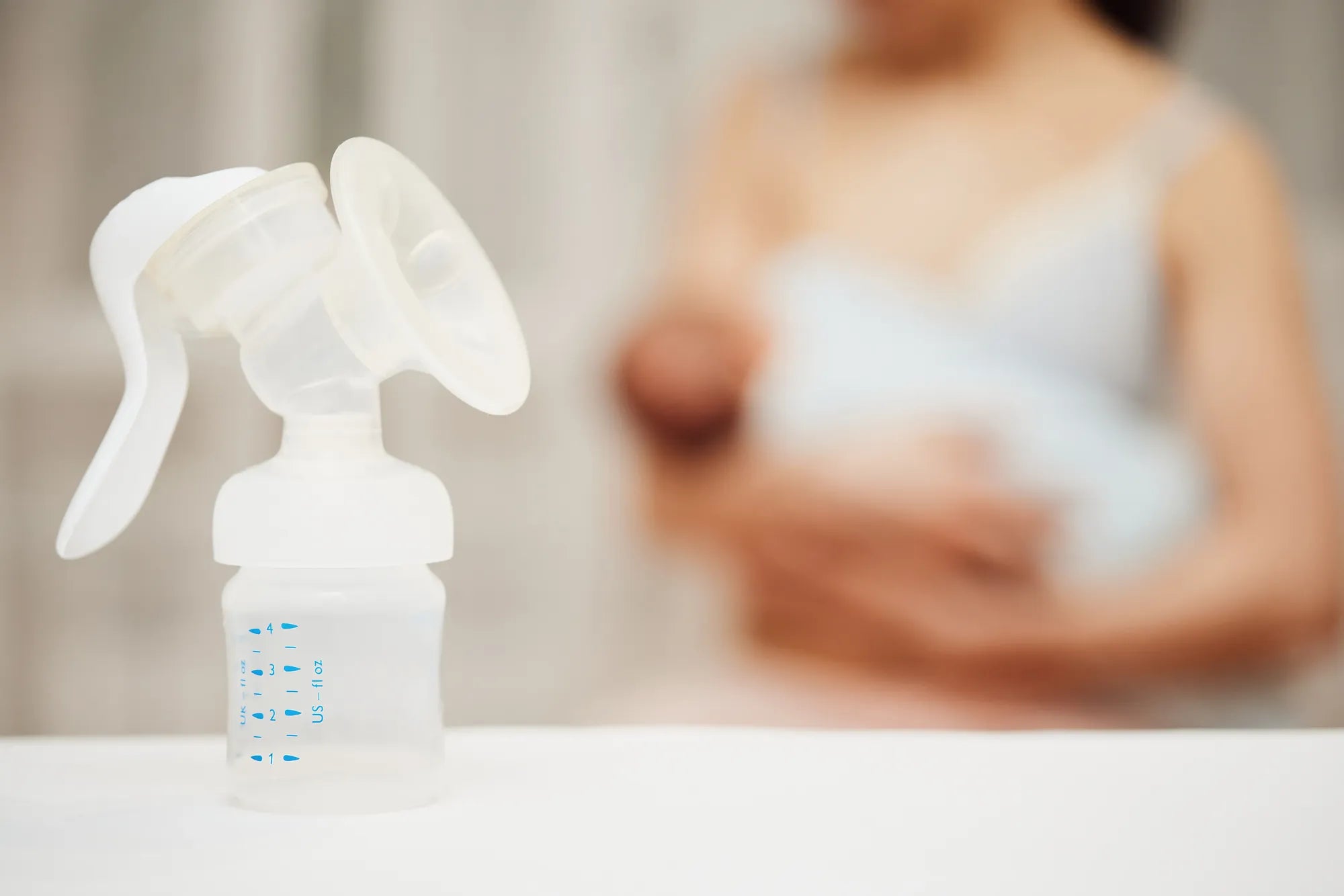
Do You Have to Wash Your Breast Pump Every Time? A Data-Driven Guide
You’re in the middle of a midnight pumping session, utterly exhausted, and the thought of disassembling, washing, and drying every single pump part feels like a monumental task. The question whispers in your tired mind: Do you have to wash your breast pump every time? For countless pumping parents, this isn't just a query about chores; it's a struggle between ideal safety protocols and the relentless reality of life with a newborn. The official answer is nuanced, weaving together stringent public health guidance, practical compromises, and the fundamental goal of protecting your baby's health. This comprehensive guide will empower you with clear, evidence-based information, translating guidelines from the CDC and lactation experts into actionable steps. As a trusted maternal and baby care brand, MomMed is here to support you with reliable products and straightforward advice, helping you navigate the journey of pumping with both confidence and compassion.
Understanding the "Why": The Critical Importance of Clean Pump Parts
Before examining the "how often," it's crucial to understand the "why." The primary driver for meticulous breast pump hygiene is the prevention of bacterial and fungal growth. Breast milk itself is not sterile; it can culture bacteria if left at room temperature on pump parts.
Harmful pathogens like Cronobacter sakazakii and E. coli can thrive in the residual milk fat, posing a serious risk of infection to infants, whose immune systems are still developing. Moist environments, such as the interior of tubing or a poorly dried valve, can also become breeding grounds for mold.
The consequences range from mild stomach upset to severe, life-threatening illness. Therefore, cleaning pump parts is not an arbitrary chore but a fundamental component of infant food safety. This is why brands like MomMed design all pump parts that contact milk—from flanges to valves—using BPA-free, food-grade silicone, ensuring the materials themselves support a safe cleaning routine.
Viewing pump hygiene through this lens reframes it from a nuisance to a non-negotiable pillar of your baby's care, directly tied to the safety and quality of the milk they consume.
The CDC Guidelines: The Gold Standard for Safety
The Centers for Disease Control and Prevention (CDC) provides the most authoritative guidance on breast pump cleaning. Their recommendation is unambiguous: "Clean all pump parts that touch breast milk after every use."
This standard is considered the gold standard for minimizing risk, especially for premature infants, newborns under three months, or babies with compromised immune systems. The CDC defines "every use" as each individual pumping session, not each day.
Their protocol includes rinsing parts immediately after use to prevent milk from drying, washing them thoroughly with hot, soapy water in a basin dedicated only to infant feeding items, rinsing again, and air-drying completely on a clean towel or rack. Sanitizing at least once daily by boiling, using steam, or a dishwasher with a sanitizing cycle is also advised.
This rigorous approach leaves no room for bacterial growth between sessions and is the benchmark against which all other methods are measured. It establishes the ideal practice for ensuring the highest level of safety for your expressed milk.
The Practical Reality: When "Every Time" Feels Impossible
While the CDC guidelines are clear, the lived experience of pumping parents often makes strict adherence challenging. Nighttime pumps, returning to work, managing older siblings, or simply battling sheer exhaustion can turn the "clean after every use" rule into a source of significant stress and guilt.
This tension between the ideal and the achievable is where many parents seek compromise. It’s important to validate that this struggle is normal and shared by countless others. The goal is not to achieve perfection at the cost of parental well-being but to find the safest possible practices within the constraints of real life.
Recognizing this gap is the first step toward developing a sustainable, responsible routine. The following sections explore a recognized, research-backed compromise that balances safety with sanity, while being clear about its limitations and the parts that remain non-negotiable.
The Refrigerator Method: A Research-Backed Compromise
For parents of healthy, full-term infants without immune issues, the "refrigerator method" or "fridge hack" has emerged as a widely discussed and studied compromise. This protocol is not an official CDC recommendation but is recognized by many lactation consultants as a lower-risk alternative for specific situations.
The method involves immediately placing all pump parts that contact milk into a clean, sealed bag or container and storing them in the refrigerator between pumping sessions for up to 24 hours. The cold temperature significantly slows bacterial growth. At the end of the day, all parts are washed thoroughly per CDC guidelines.
It is critical to stress the boundaries of this method. It is intended for personal, single-user pumps only. It is not considered safe for pumps used in a hospital/NICU setting, for shared pumps, or for babies who are premature, immunocompromised, or under three months old without pediatrician approval.
This method acknowledges the reality of, for example, a workplace pumping schedule where washing after three daily sessions may be impractical. It offers a structured, safer alternative to simply rinsing or leaving parts out, but it does not replace the necessity of a full daily wash.
What You Must Clean After Every Single Use (No Exceptions)
Regardless of whether you follow strict CDC rules or the refrigerator method, certain components demand immediate and thorough cleaning after every single pumping session. These are the parts that have direct, intimate contact with your breast milk.
The non-negotiable list includes: The breast milk collection bottles or containers, the duckbill valves or silicone membranes, backflow protector membranes (if your pump has them), and the interior surfaces of flanges or breast shields—especially any soft, flexible silicone inserts. Milk residue left on these parts is a direct contamination risk for the next batch of milk.
In contrast, external parts like the pump motor, tubing (provided no milk has backflowed into it), and the outer shell of wearable cups should be kept dry and wiped down periodically. Tubing should only be washed if moisture or milk enters it; otherwise, hanging it to air-dry is sufficient.
Creating a mental checklist of these critical parts helps streamline your routine. Focusing your immediate energy on these high-priority items ensures the highest level of safety, even if other steps are temporarily adapted.
MomMed Design & Your Cleaning Routine: Engineered for Easier Hygiene
Your breast pump's design can significantly impact how manageable its cleaning routine feels. MomMed products are engineered with the realities of a pumping parent's life in mind, aiming to make safe practices more convenient.
For instance, the award-winning MomMed S21 Double Wearable Breast Pump features a fully-enclosed, leak-proof system that minimizes the number of separate parts exposed to milk. Its simple disassembly—often with just a twist—means parts come apart quickly for rinsing, whether you’re at a sink or placing them in a fridge storage bag.
All parts that contact milk are crafted from durable, BPA-free, food-grade silicone and plastic that are top-rack dishwasher safe for easy sanitizing. The wearable, cord-free design itself supports hygiene; being able to pump discreetly means you can finish a session and immediately access a kitchen or break room sink without being tethered to an outlet.
Even the ultra-quiet motor plays a role; you can wash parts while a partner or baby sleeps nearby without disturbance. This thoughtful integration of design and daily need helps bridge the gap between recommended guidelines and sustainable habit.
A Step-by-Step Guide to Properly Washing Your Breast Pump Parts
Following a consistent, thorough method is key to effective cleaning. Here is a detailed protocol you can rely on for daily washing.
Step 1: Immediate Rinse. As soon as possible after pumping, rinse all parts that touched milk under cool or warm running water to remove milk residue before it dries and clings.
Step 2: Wash. Wash each part separately in a clean basin or container used only for baby items. Use hot water and mild dish soap, scrubbing all surfaces with a dedicated, small brush to reach crevices in valves and flange tunnels.
Step 3: Rinse & Dry. Rinse all parts thoroughly under running water to remove all soap. Shake off excess water and place parts on a clean, unused dish towel or paper towel in an area protected from dust and pets. Air-dry completely before reassembly or storage. Do not towel-dry, as this can transfer germs.
Step 4: Sanitize (Daily). At least once per day, especially for infants under 3 months, sanitize the parts. You can boil them in water for 5 minutes, use a microwave steam bag, a countertop electric steam sterilizer, or run them through a dishwasher with a sanitizing cycle and heated dry.
Step 5: Store. Once completely dry, reassemble parts and store them in a clean, covered container or bag until next use. Avoid sealing damp parts, which promotes mold.
Comparison of Pump Cleaning Methods
| Method | Protocol | Best For | Key Considerations & Risks |
|---|---|---|---|
| CDC Guideline (Gold Standard) | Wash with soap/water & air-dry after EVERY use. Sanitize daily. | All infants; essential for preemies, newborns <3mo, immunocompromised babies. | Highest safety level. Most time-intensive. Can be challenging for workplace/multi-session pumping. |
| Refrigerator Method | Seal parts in clean bag; refrigerate between uses for up to 24 hrs. Wash fully once daily. | Healthy, full-term infants >3mo with pediatrician approval. Personal-use pumps only. | Practical compromise. NOT for NICU/shared pumps or fragile infants. Risk increases if fridge temp fluctuates. |
| Quick Rinse (Not Recommended) | Rinsing parts with only hot water, no soap. | Not recommended as a stand-alone practice. | Soap is necessary to break down milk fat. Rinsing alone leaves bacteria and biofilm. High contamination risk. |
Common Questions on Pump Hygiene (FAQs)
Can I just rinse my pump parts with hot water instead of using soap?
No. Hot water alone will not effectively remove the lipids (fats) in breast milk. Soap is essential for breaking down this fat and the bacteria it can harbor. Rinsing without soap leaves a biofilm that can culture harmful pathogens, significantly increasing risk.
How often should I clean the tubing of my pump?
Clean tubing only if you see moisture, milk, or condensation inside it. Otherwise, to keep it dry, disconnect it from the flanges and pump after each session and let it air-dry in a loose loop. Never wash tubing unless necessary, and ensure it is 100% dry inside before reusing to prevent mold.
Is the refrigerator method safe for my newborn?
Many pediatricians and lactation consultants recommend following the strict CDC guidelines (washing after every use) for infants under three months old due to their more vulnerable immune systems. You should always consult your own pediatrician before using the refrigerator method for a newborn.
Can I use antibacterial wipes on my flanges?
It is not recommended. Antibacterial wipes may leave chemical residues that are not intended for ingestion and could irritate your skin or alter the milk. The safest, most effective methods remain washing with soap and water or using approved steam/boiling sanitization techniques.
How do I clean my MomMed wearable pump specifically?
Refer to your MomMed user manual for model-specific diagrams. Generally, for pumps like the S21, you will detach the milk collection cups, separate the flange, valve, and container. All these silicone and plastic components are dishwasher-safe (top rack) or can be washed by hand per the step-by-step guide above. Wipe the outer pump body with a damp cloth.
Finding Your Balance Between Safety and Sanity
Navigating breast pump hygiene is a journey of balancing unwavering commitment to your baby's safety with the need for a sustainable, realistic routine. The clear answer to "Do you have to wash your breast pump every time?" is that all parts contacting milk should be cleaned after each use per CDC guidelines, but for parents of healthy older infants, the refrigerator method serves as a recognized, lower-risk compromise for managing multiple daily sessions.
Your vigilance in cleaning valves, membranes, and bottles, combined with choosing a pump designed for easy maintenance—like MomMed's wearable pumps with their simple, dishwasher-safe parts—makes safe practice more achievable. Always prioritize the guidelines for your baby's specific age and health status, and consult your pediatrician or an IBCLC with any doubts.
You are doing incredible work. Empower yourself with knowledge, equip yourself with tools that simplify the process, and give yourself grace on the hard days. The goal is safe milk and a healthy, happy parent. For products designed to support you in this mission—from the discreet S21 Wearable Pump to essential feeding accessories—explore solutions that align with your need for both reliability and ease. Shop the MomMed collection at mommed.com for all your breastfeeding and pregnancy needs.