


Inicio
Pregnancy, Breastfeeding, and Pumping: The Ultimate Guide for Moms
Do You Breast Pump at Night? Essential Tips for Nighttime Pumping
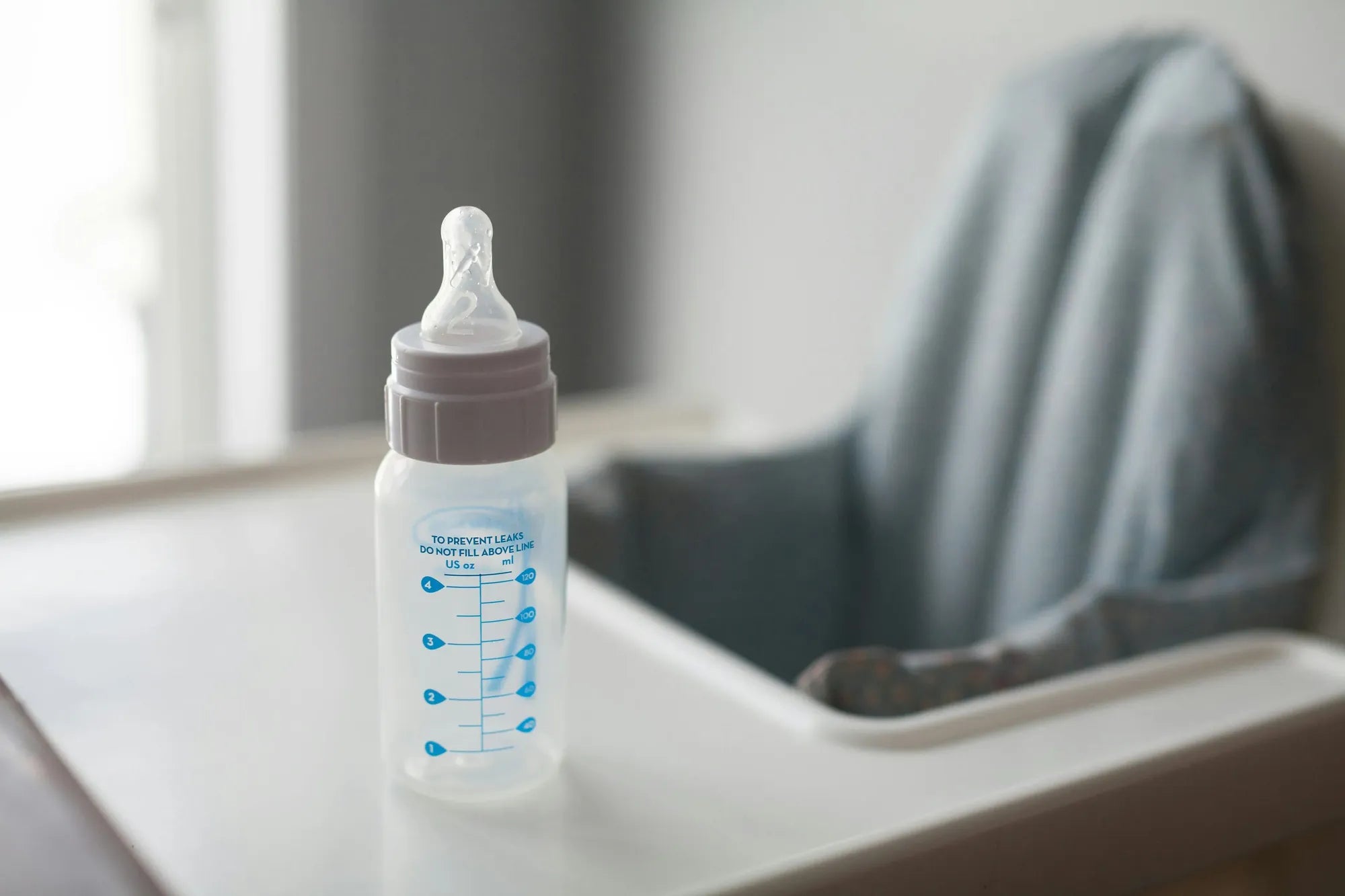
Do You Breast Pump at Night? Essential Tips for Nighttime Pumping
Navigating Nighttime Pumping – Your Questions Answered
The quiet of night brings a unique challenge for breastfeeding and pumping mothers. Between the exhaustion and the dim light, a pressing question arises: Do you breast pump at night? The answer is nuanced, deeply personal, and crucial for both milk supply and maternal well-being.
This guide provides a clear, evidence-based roadmap. We will explore the hormonal science behind nighttime milk production, help you decide if and when to pump, and provide actionable strategies for making these sessions more manageable. Whether you're establishing supply, exclusively pumping, or preparing to return to work, understanding nighttime pumping is essential.
Why Nighttime Pumping Matters: The Science of Supply and Demand
Milk production operates on a simple principle: supply and demand. However, biology adds a critical timing element. The hormone prolactin, which signals your body to make milk, peaks in the early morning hours, typically between 1 a.m. and 5 a.m.
Frequent milk removal during this window capitalizes on this natural surge. It sends powerful signals to your body to maintain or increase production. This is why the question do you breast pump at night is so significant for specific goals.
Nighttime pumping is particularly vital in these scenarios:
- Establishing Supply (Early Weeks): For the first 4-6 weeks, regular removal every 2-4 hours, including at night, is key to building a robust milk-making capacity.
- Exclusively Pumping (EP): EP moms must mimic a baby's feeding pattern to maintain supply, making nighttime sessions non-negotiable for most.
- Boosting a Low Supply: Adding a pumping session between 1 a.m. and 5 a.m. (a "power pump" or regular session) can be one of the most effective ways to increase output.
- Working Moms Building a Stash: A nighttime pump can efficiently add crucial ounces to your freezer stash for the next day's bottles.
Ignoring this window, especially in the early months, can inadvertently signal your body to produce less milk. Understanding this science empowers you to make informed choices aligned with your breastfeeding goals.
To Pump or Not to Pump? Key Considerations for Your Routine
While the science is clear, maternal sleep is equally critical. Sleep deprivation can negatively impact milk supply, mental health, and overall recovery. The decision to pump at night requires balancing physiological needs with personal sustainability.
Consider pumping at night if: your baby is not nursing directly at night (sleeping through or bottle-fed), you are exclusively pumping, you are working to increase low supply, or you need to build a freezer stash. The core question, do you breast pump at night, should be answered with your specific context in mind.
Consider prioritizing sleep and skipping a session if: your baby nurses frequently at night, your supply is well-established and abundant, you are experiencing severe sleep deprivation affecting your health, or you are weaning nighttime feeds. A single 4-5 hour stretch of sleep can be more beneficial than a forced pump if you have adequate supply.
Ask yourself: What is my primary goal (establish supply, maintain, increase)? How is my current sleep affecting my daytime function? Can I adjust my schedule (e.g., pump right before I sleep and immediately upon waking) to maximize sleep? Your routine should be a flexible framework, not a rigid rule.
Finding Your Nighttime Pumping Schedule
A predictable schedule reduces decision fatigue in the middle of the night. Your schedule will evolve with your baby's age and your goals. Consistency helps regulate your prolactin response and makes the routine more automatic.
For newborns (0-3 months), aim for milk removal every 3-4 hours around the clock. This might mean one or two nighttime pumping sessions if baby is sleeping. For maintaining supply with an older baby (4+ months), many moms find a "dream feed" pump right before their own bedtime and a single pump between 2-5 a.m. (a "MOTN" or middle-of-the-night pump) effective.
Exclusively pumping moms often follow a strict schedule, such as sessions at 10 p.m., 2 a.m., and 6 a.m. The key is to not go longer than 5-6 hours without removal once supply is regulated. To boost low supply, adding a power pumping session during the prolactin peak or a consistent 20-minute pump between 1-5 a.m. can yield significant results.
Always listen to your body. Full, uncomfortable breasts are a signal to pump or nurse. Your schedule should serve you, not create unsustainable stress.
Essential Gear for Easier, Quieter Night Pumping
The right equipment transforms nighttime pumping from a disruptive chore into a manageable task. The goals for night gear are clear: quiet operation, minimal setup, and the ability to rest.
Beyond the pump itself, a well-stocked station is vital. Keep a dedicated basket with supplies: nursing pads, a clean bottle or bag for milk, a cloth for spills, lip balm, a large water bottle, and non-perishable snacks like granola bars. A gentle, red-spectrum nightlight provides enough illumination without suppressing melatonin and fully waking you or your baby.
For milk handling, have a designated small cooler with ice packs or a dedicated fridge space (like a dorm fridge in your room) to safely store milk immediately after pumping, so you don't need to trek to the kitchen. Comfort items matter too—a supportive nursing pillow to prop your arms and a cozy robe or cardigan can make a big difference in the wee hours.
The Game-Changer: Wearable, Hands-Free Breast Pumps
Wearable breast pumps are arguably the most significant innovation for nighttime pumping. Their design directly addresses the core challenges of night sessions: disruption and the need for rest.
A high-quality wearable pump allows you to pump while reclining in bed or even dozing off safely. The cord-free, all-in-one design means no tubes tethering you to a machine, making a trip to the bathroom or to check on your baby simple and quiet. Most critically, advanced models feature ultra-quiet motors that operate at a whisper, drastically reducing the chance of waking your sleeping baby or partner.
This technology empowers you to maintain your milk removal schedule without sacrificing every precious minute of potential rest. When considering do you breast pump at night, the availability of wearable pumps is a major factor in making a "yes" sustainable.
MomMed Spotlight: Night Pumping with Comfort and Ease
As a trusted maternal care brand, MomMed engineers products with real-world scenarios like nighttime pumping in mind. The award-winning MomMed S21 Double Wearable Breast Pump is designed for these quiet, dark hours.
Its hospital-grade suction strength is delivered through an ultra-quiet motor, ensuring efficient milk removal without the disruptive noise of traditional pumps. With adjustable multiple suction modes and cycles, you can find a comfortable, effective rhythm that works for your body, even when you're half-asleep.
All parts that contact milk are made from BPA-free, food-grade silicone, ensuring the highest safety standard for your baby during every sleepy session. The secure, discreet design lets you pump hands-free, allowing you to scroll your phone, drink water, or simply close your eyes, making the question of do you breast pump at night one with a more comfortable, practical answer.
Pro Tips for Surviving and Thriving During Nighttime Sessions
Mastering the logistics makes the process smoother. Set up your pump parts and station before going to bed. Having everything within arm's reach eliminates fumbling in the dark. Stay hydrated; keep a large water bottle with a straw at your bedside and take sips during your pump.
To help your body fall back asleep quickly, avoid bright screens. Use the nightlight instead. Practice simple breathing exercises or listen to a calming, familiar podcast or audiobook during your session to keep your mind from racing. If you're worried about falling asleep while pumping, set a gentle timer on your phone or watch to alert you when your session is done—a key safety practice.
For milk storage, follow the "Rule of Fours": fresh milk can be at room temperature for up to 4 hours, in a refrigerator for up to 4 days, and in a standard freezer for about 4 months. Label your milk with the date and time immediately after pumping. Most importantly, be kind to yourself. Some nights will be harder than others. Celebrate the small win of completing the session and getting back to rest.
Comparing Night Pumping Strategies: A Quick Guide
The table below outlines common scenarios to help you visualize different approaches to the question, do you breast pump at night.
| Your Scenario | Recommended Night Approach | Primary Goal | Key Gear |
|---|---|---|---|
| Newborn, Establishing Supply | Pump every 3-4 hours after nursing or instead of a feed. | Build milk-making capacity. | Efficient electric pump, hands-free bra. |
| Exclusively Pumping (EP) | Strict schedule, e.g., 10pm, 2am, 6am. Don't skip. | Mimic baby's demand to maintain full supply. | Hospital-grade or wearable pump, cooler. |
| Baby Sleeps Through, Maintaining Supply | 1 "Dream Pump" before bed, possibly 1 MOTN pump. | Empty breasts to maintain supply without nursing. | Wearable pump for convenience/quiet. |
| Boosting Perceived Low Supply | Add a power pump or consistent 20-min session between 1-5am. | Increase prolactin stimulation and output. | Comfortable, efficient pump with adjustable settings. |
| Weaning Night Feeds/Pumps | Gradually reduce pump time or frequency, not both at once. | Slowly decrease supply without engorgement. | Pump for comfort only, cabbage leaves, ibuprofen. |
Frequently Asked Questions (FAQ) on Night Pumping
1. How long should I pump for at night?
Aim for 15-20 minutes per session, or for 2-3 minutes after the last drops of milk flow. The goal is effective emptying, not just a set time. For a MOTN pump, 15-20 minutes is typically sufficient.
2. Can I skip a night pump occasionally?
Once your supply is well-established (after 12+ weeks), an occasional skipped night pump is unlikely to harm your overall supply. Your body may adjust. However, in the early weeks or if exclusively pumping, consistency is key. Listen to your body—if you wake up engorged, it's a sign your body needed that removal.
3. How do I store milk pumped at night?
Place it immediately in a sealed container in the back of the refrigerator (not the door) for use within 4 days. You can also add it to a larger container of milk pumped the same day—just cool the new milk under running cold water first before combining. For freezing, use within 4 months.
4. What if I fall asleep while pumping?
Safety first. Set a timer. Wearable pumps with automatic shut-off features are safer for this reason. If you do fall asleep, check that the collection cups are still properly positioned to avoid spills. It's generally safe to pump for slightly longer if needed for comfort, but try to avoid making a habit of long, unsupervised sessions.
5. My baby sleeps through the night—should I still pump?
This depends on your supply goals and comfort. If you wish to maintain your current supply for daytime feeds, you likely need to remove milk at least once during the night to avoid a dip. If you are ready to wean nighttime production, you can gradually reduce and eliminate this pump, but do so slowly to avoid clogged ducts or mastitis.
Empowering Your Journey, One Night at a Time
The decision to incorporate nighttime pumping into your routine is a powerful act of nurturing, both for your baby and your breastfeeding goals. It requires balancing the biological imperative of milk removal with the fundamental human need for rest. There is no universal answer, only the one that works best for you and your family in each season of your journey.
Arm yourself with knowledge about your body's rhythms and equip yourself with tools that make the process gentler. A quiet, comfortable wearable pump like the MomMed S21 can be the difference between dreading the alarm and managing the session with ease. Remember, this phase is temporary, and each session is a testament to your dedication.
Prioritize both your milk supply and your well-being. You are doing important work. With the right strategies and support, you can navigate nighttime pumping with confidence, ensuring your baby is fed and you are cared for. Shop the MomMed collection at mommed.com for all your breastfeeding and pregnancy needs, from our innovative wearable pumps to reliable pregnancy tests and essential baby care products, designed to support you every step of the way.