


Inicio
Pregnancy, Breastfeeding, and Pumping: The Ultimate Guide for Moms
Do Wearable Breast Pumps Decrease Milk Supply: A Comprehensive Guide for Nursing Moms
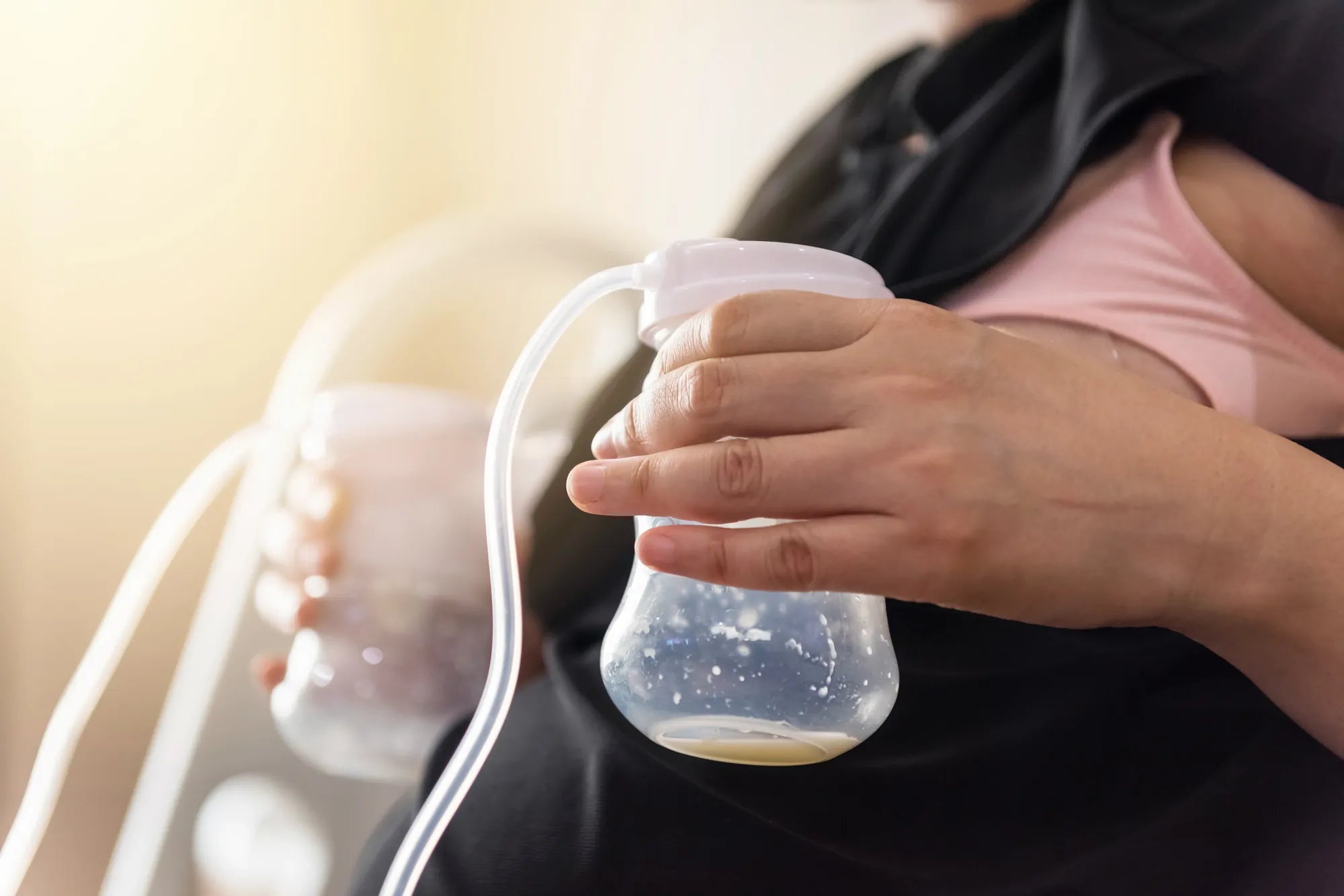
Do Wearable Breast Pumps Decrease Milk Supply: A Comprehensive Guide for Nursing Moms
Introduction: Understanding the Wearable Pump and Milk Supply Connection
For many breastfeeding mothers, the question "Do wearable breast pumps decrease milk supply?" creates significant anxiety. The freedom and discretion offered by wearable pumps are incredibly appealing, but not at the potential cost of a healthy milk supply. This guide cuts through the confusion with a data-driven, physiological approach.
We will dissect how milk supply is regulated and examine the specific factors that determine whether a wearable pump supports or hinders this delicate process. The answer is not a simple yes or no; it hinges entirely on the quality of the pump and, more importantly, how it is used.
As a trusted maternal and baby care brand, MomMed specializes in creating reliable, comfortable, and innovative products for moms. We are committed to providing clarity, empowering you with knowledge, and ensuring your pumping journey is successful and sustainable. Let's explore the science behind the question.
How Milk Supply is Established and Maintained
Understanding milk supply begins with a fundamental principle: supply and demand. Your body produces milk based on how much is removed. The key hormone, prolactin, signals milk production, and its release is triggered most effectively by frequent, complete emptying of the breasts.
Effective milk removal is the non-negotiable cornerstone. Whether by a baby with a good latch or an efficient pump, the breast must receive the signal that more milk is needed. Incomplete emptying or infrequent removal sends the opposite signal, potentially leading to a decreased supply over time.
The process involves the milk ejection reflex, or let-down. This is triggered by oxytocin, a hormone highly sensitive to a mother's emotional state. Stress, distraction, and discomfort can inhibit let-down, while relaxation, skin-to-skin contact, and positive thoughts can promote it.
Therefore, the primary drivers of a robust milk supply are frequency of sessions and completeness of emptying. The mechanism of removal—baby, traditional electric pump, or wearable pump—is secondary, provided it is physiologically effective.
The Potential Risks: How Wearable Pumps *Could* Impact Supply
Objectively, certain design or usage factors associated with some wearable pumps can pose risks to milk supply if not properly managed. The core risk is ineffective milk removal.
First, flange fit is paramount. Wearable pumps often come with limited flange size options. Using a flange that is too large or too small can compress milk ducts, cause tissue trauma, and significantly reduce milk extraction. This incomplete emptying is a direct pathway to decreased supply.
Second, suction pattern and strength vary. Some early or lower-quality wearable models may not offer the adjustable, rhythmic suction patterns that best mimic a baby's nursing. A weak or constant suction may fail to trigger multiple let-downs or fully drain the breast.
Third, the psychological factor is real. While wearables offer multitasking freedom, a distracted, stressful pumping session can hinder the oxytocin-driven let-down reflex. If you're constantly checking for leaks or feeling anxious about output while using the pump, your body may not release milk efficiently.
Finally, there's a risk of complacency with schedule. The convenience might lead to skipping or shortening sessions, directly reducing the "demand" signal your body needs. Consistency remains critical, regardless of pump type.
Maximizing Your Output: Using a Wearable Pump to Support or Boost Supply
Used correctly, a high-quality wearable pump can be a powerful tool to protect and even enhance your milk supply. The key is intentional, informed use focused on effective milk removal.
Step 1: Achieve Perfect Flange Fit. Measure your nipple diameter before purchasing. MomMed pumps include multiple flange size options and sizing guides to ensure the tunnel does not rub or pull too much tissue, allowing for optimal milk flow.
Step 2: Master the Pump Settings. Start with a high-frequency, low-suction "stimulation" mode to trigger let-down. Once milk flows, switch to a slower, deeper "expression" mode. Mimicking this natural pattern is crucial for complete emptying.
Step 3: Create a Conducive Environment. Even with a wearable, take a few minutes to relax. Look at a photo of your baby, listen to calming music, or have a drink of water. This mental focus aids the let-down reflex, making the session more productive.
Step 4: Maintain a Consistent Schedule. Pump as often as your baby typically feeds, or at least 8-12 times in 24 hours if exclusively pumping. The convenience of a wearable can make this schedule more achievable, directly supporting supply.
Step 5: Ensure Complete Emptying. Don't stop pumping based on time alone. Use breast compression during pumping and continue for 2-5 minutes after milk stops flowing to signal your body to produce more.
MomMed S21: Engineered for Effective Milk Removal
The award-winning MomMed S21 Double Wearable Breast Pump is designed with the physiology of milk supply as its core engineering principle. It addresses the common pitfalls of wearable pumps to deliver hospital-grade performance in a portable, discreet device.
At its heart is a powerful, ultra-quiet motor that generates sufficient suction for effective emptying. The pump features multiple, customizable modes: a fast Letdown Mode (380-420 cycles/min) to quickly initiate milk flow, and a slower, deeper Expression Mode (220-300 cycles/min) for efficient milk removal, closely simulating a baby's natural nursing pattern.
Understanding that fit is non-negotiable, the S21 kit includes 24mm and 28mm flange inserts as standard, with additional sizes available. The BPA-free, food-grade silicone flanges are soft and flexible, designed to seal comfortably and minimize tissue compression for unobstructed milk duct function.
The closed-system design protects milk from backflow and maintains hygiene. By combining this medical-grade safety with powerful, personalized performance, the MomMed S21 transforms the wearable pump from a potential risk into a reliable tool for maintaining and protecting milk supply.
Wearable vs. Traditional: A Practical Comparison for Maintaining Supply
The choice between a wearable and a traditional electric pump often centers on lifestyle, but the impact on milk supply is a vital consideration. The following table compares key factors that influence milk production.
| Factor | High-Quality Wearable Pump (e.g., MomMed S21) | Traditional Plug-in Electric Pump |
|---|---|---|
| Emptying Efficiency | High when flange fit is correct and settings are optimized. Can achieve complete emptying. | Typically high, with strong, consistent suction. Often the gold standard for exclusive pumpers. |
| Influence on Pumping Frequency | High positive influence. Unmatched convenience often leads to more consistent, on-schedule sessions. | Can be a barrier. Being tethered to an outlet may lead to skipped or delayed sessions. |
| Comfort & Discretion | High. Hands-free, quiet, and allows for movement and multitasking. | Lower. Can be noisy, involves visible tubes and bottles, restricts movement. |
| Let-down Facilitation | Depends on user's ability to relax while mobile. Can be excellent with practice. | Often easier to relax in a dedicated, stationary pumping spot. |
| Best for Supply When... | You need to pump frequently on-the-go, at work, or while caring for other children. Consistency is key. | You have a dedicated pumping space, are exclusively pumping, or have already established supply challenges. |
The data suggests that for many mothers, the convenience of a wearable pump like the MomMed S21 directly supports the frequency component of milk supply, which can outweigh any minor efficiency differences for most users.
FAQ: Your Wearable Pump and Milk Supply Questions Answered
Is the milk output from a wearable pump the same as a hospital-grade pump?
With a high-performance wearable like the MomMed S21, output can be equivalent for many users, provided flange fit and settings are optimal. Hospital-grade pumps are powerful workhorses designed for maximum durability and shared use. Modern wearables bridge the gap by offering hospital-grade suction in a portable format, making effective emptying possible anywhere.
How often should I use my wearable pump to maintain my supply?
Follow the same schedule as you would with any pump: mimic your baby's feeding pattern. For a newborn, this is typically 8-12 times per 24 hours. If exclusively pumping, never go longer than 4-5 hours between sessions, even overnight, until your supply is well-established (usually after 12-16 weeks).
Can I use a wearable pump as my primary pump exclusively?
Yes, you can. The critical factor is whether the pump effectively and consistently empties your breasts. Many mothers successfully use MomMed wearable pumps as their sole pump. It's advisable to have a backup pump or manual option and to monitor your output and comfort closely, especially in the early weeks.
What should I do if I notice a drop in output with my wearable pump?
First, don't panic. Temporary dips are normal. Systematically troubleshoot: 1) Re-measure your nipples and check flange fit. 2) Replace pump parts (duckbill valves, backflow protectors) as wear reduces suction. 3) Review your schedule—add a power pumping session. 4) Focus on hydration, nutrition, and stress reduction. If the drop persists, consult an IBCLC.
Are wearable pumps effective for increasing a low milk supply?
They can be a valuable tool. Their convenience makes it easier to implement supply-boosting strategies like "power pumping" (simulating cluster feeding) and increasing pumping frequency without being confined to one spot. However, addressing the root cause of low supply (e.g., hormonal issues, ineffective removal) with a healthcare provider is essential.
Conclusion: Empowering Your Choice with Confidence
The evidence is clear: a well-designed wearable breast pump does not inherently decrease milk supply. The real determinants are the principles of frequent, effective milk removal and maternal well-being. A pump like the MomMed S21, engineered with these principles in mind, becomes an extension of your body's natural logic, not a disruption to it.
By prioritizing correct fit, personalized settings, and a consistent schedule, you harness the convenience of wearable technology to support your breastfeeding goals. The freedom to move, work, or care for your family while pumping can reduce stress and make sustained breastfeeding more achievable.
Your feeding journey is unique. Arm yourself with knowledge, choose tools that align with your physiology and your life, and trust your ability to nourish your baby. Shop the MomMed collection at mommed.com for all your breastfeeding and pregnancy needs, from our award-winning S21 Wearable Pump to essential nursing accessories, all designed with your success and comfort in mind.