


Inicio
Pregnancy, Breastfeeding, and Pumping: The Ultimate Guide for Moms
Can You Use a Used Breast Pump? What You Need to Know
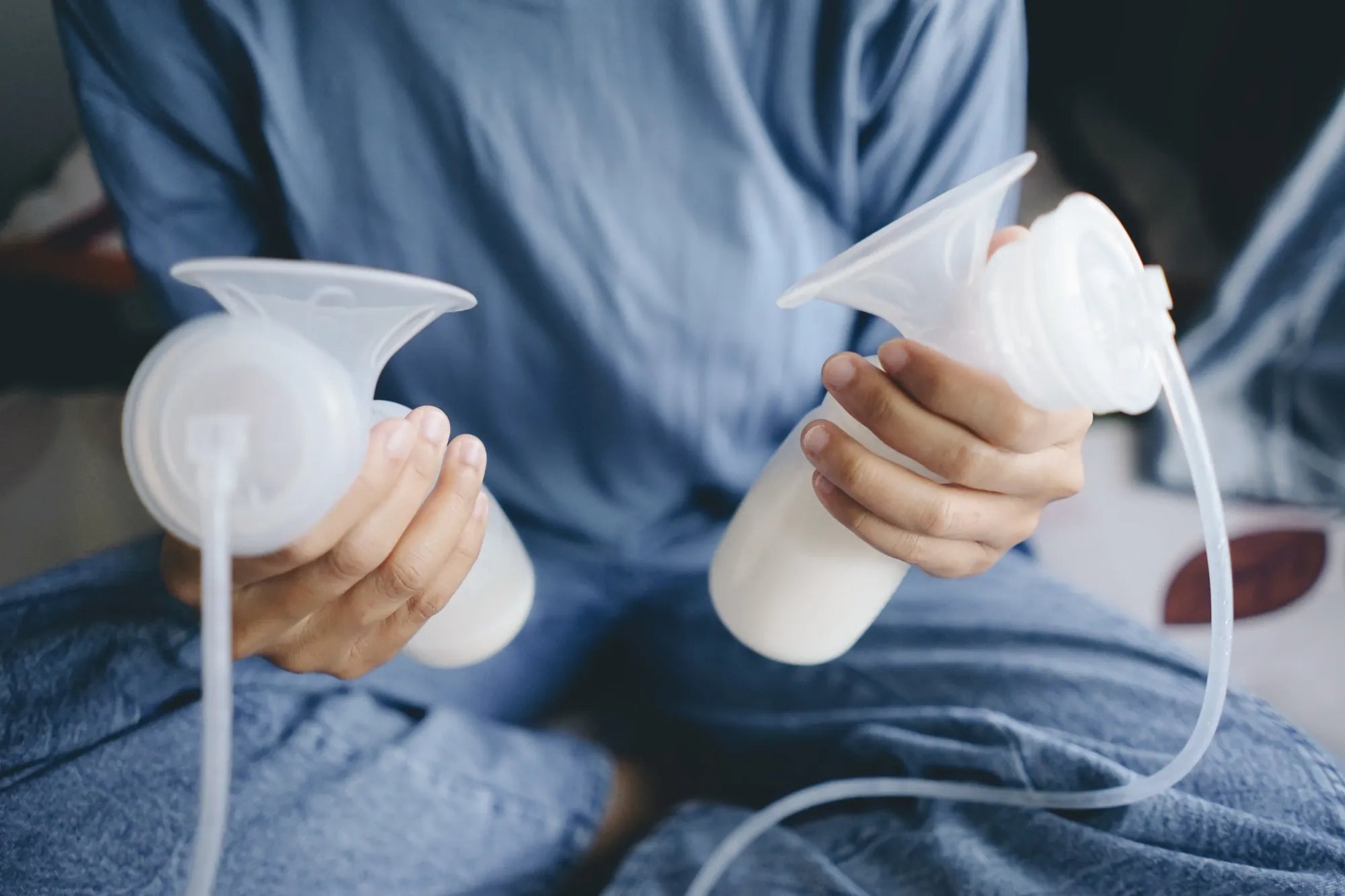
Can You Use a Used Breast Pump? What You Need to Know
As a new or expecting parent, navigating the costs of baby gear can be overwhelming. A high-quality breast pump is a significant investment, leading many to wonder: can you use a used breast pump? The answer is not a simple yes or no; it's a nuanced decision that hinges on understanding critical safety distinctions and taking meticulous precautions. This guide will provide you with the essential knowledge to make an informed choice, prioritizing the health of you and your baby. We'll delve into pump types, outline a non-negotiable safety checklist, and explore the compelling advantages of modern, hygienic pumping solutions from trusted brands like MomMed, a leader in innovative maternal and baby care products.
The Critical Distinction: Closed vs. Open System Pumps
The single most important factor determining the safety of a used breast pump is its internal design. All pumps fall into one of two categories: closed-system or open-system. This fundamental engineering difference dictates whether the motor can be safely shared between users.
A closed-system breast pump features a protective barrier or membrane between the collection kit and the motor tubing. This barrier prevents milk, moisture, and bacteria from being sucked back into the motor and air tubing. It creates a sealed, hygienic system where only the parts you can see and fully clean—like flanges and bottles—come into contact with your milk.
In contrast, an open-system breast pump lacks this protective barrier. While there may be a backflow protector, there is no sealed membrane. This design allows milk particles, condensation, and bacteria to potentially travel back into the tubing and, in some cases, the motor housing itself. This contamination cannot be fully cleaned or sterilized, creating a risk of mold growth and bacterial transfer.
Therefore, the core safety rule is straightforward: Only the motor unit of a closed-system pump may be considered for second-hand use, and only with strict conditions. The motor from an open-system pump should never be reused by another person due to irreversible contamination risks.
Why System Design is a Matter of Health
Choosing the wrong type of used pump isn't just about efficiency; it's a direct health concern. A contaminated pump can introduce harmful pathogens into your breast milk, posing risks to your infant's vulnerable immune system. Furthermore, bacteria or mold from a pump can transfer to your breast tissue, increasing the risk of painful conditions like mastitis or thrush.
For a closed-system pump, the risk is isolated to the personal parts (flanges, valves, tubing) which must be replaced. The motor itself, if properly maintained, remains uncontaminated. This is why many hospital-grade rental pumps are closed-system designs—the durable motor can be rented to multiple mothers, each of whom receives a brand new, personal collection kit.
Open-system pumps, however, internalize the risk. Once milk enters the motor's internal mechanisms, it creates a moist environment ideal for microbial growth. Even rigorous surface cleaning cannot reach these internal components. Using such a motor is akin to sharing a toothbrush; it carries an inherent and unmanageable biological hazard.
Brands like MomMed prioritize maternal safety by designing all their breast pumps, including the popular S21 and S12 Wearable models, as closed systems. This design philosophy ensures that the core motor unit remains protected and hygienic throughout its use, aligning with the highest standards for baby product safety.
The Essential Safety Checklist for a Used Pump
If you are considering a used closed-system pump motor, following this rigorous checklist is non-negotiable. Skipping any step compromises safety.
Step 1: Absolutely Confirm It's a Closed System
Do not rely on the seller's word alone. Research the pump's make and model online. Check the manufacturer's website or user manual for specifications. Look for a physical barrier or membrane in the diagram where the tubing connects to the flange or connector. If you cannot definitively confirm it's a closed system, walk away.
Step 2: Investigate the Pump's History and Source
A pump from a trusted friend or family member, where you know its usage history and storage conditions, is inherently less risky than one from an online marketplace. Ask critical questions: How old is the pump? How heavily was it used (exclusive pumping vs. occasional use)? Was it stored in a clean, dry place? Was it ever exposed to smoke or pests? A motor's lifespan is finite, and intense use can degrade its suction power.
Step 3: Replace Every Single Personal Part with New Ones
This is the most crucial action you must take. Every component that comes into contact with your skin, milk, or breath moisture must be brand new. This is not a suggestion; it's a mandatory hygiene protocol. The list includes:
- Breast shields (flanges) in your correct size
- Duckbill valves, silicone membranes, or backflow protectors
- All tubing
- Connectors and adapters
- Bottles, milk collection cups, lids, and seals
These parts are considered personal care items. They wear out, develop micro-cracks that harbor bacteria, and cannot be fully sterilized after previous use. Purchasing a new, compatible parts kit is an absolute requirement.
Step 4: Thoroughly Inspect and Test the Motor Unit
Before using it, conduct a detailed inspection. Look for any cracks, damage, or signs of liquid ingress on the motor housing. Plug it in and test all settings and suction levels. Listen for unusual grinding, rattling, or whining noises. Feel the motor for excessive heat or vibration during operation. Ensure all ports are clean and functional. Remember, a used pump will have no transferable warranty.
The Hidden Costs and Risks of a Used Pump
While the upfront cost of a used motor may seem low, the true expense—financial, physical, and emotional—can be much higher. First, the cost of purchasing a complete new parts kit can be substantial, sometimes narrowing the price gap between a used motor and a budget-friendly new pump.
Performance is another gamble. A used motor may have diminished suction power or inconsistent cycles, leading to inefficient milk removal. This can directly impact your milk supply, cause engorgement, or lead to clogged ducts. The stress of dealing with a unreliable pump can negatively affect your let-down reflex, creating a frustrating cycle.
There is also the intangible cost of peace of mind. Constantly worrying about potential contamination or pump failure adds unnecessary anxiety to the already demanding journey of breastfeeding and pumping. This mental load is a significant factor that many parents underestimate when opting for a used product.
Finally, consider the lack of support. With a used pump, you have no access to manufacturer warranty service, troubleshooting help, or customer support. If the motor fails, you are solely responsible for finding a replacement, potentially leaving you without a pump at a critical time.
The MomMed Advantage: Investing in New, Hygienic Performance
Choosing a new breast pump from a trusted brand like MomMed is an investment in your health, comfort, and pumping success. It eliminates the guesswork and risks associated with used equipment, providing a foundation of safety and reliability.
Guaranteed Hygiene and Safety from Day One
Every MomMed pump arrives in sterile, sealed packaging, ensuring it has never been exposed to another person's microbiome. All materials that touch skin or milk, such as the flanges and collection cups, are made from certified BPA-free, food-grade silicone. This commitment to material safety provides confidence that you are giving your baby the purest milk possible.
Optimized for Comfort and Efficiency
New pumps offer full, designed suction power and advanced features that used pumps may lack. For example, the award-winning MomMed S21 Double Wearable Breast Pump offers multiple stimulation and expression modes with adjustable suction levels, allowing you to find the perfect, comfortable rhythm for effective milk removal. Effective milk expression is key to maintaining a healthy supply and avoiding common issues like nipple pain or engorgement.
The Value of Warranty and Expert Support
A new purchase comes with a manufacturer's warranty, protecting your investment against defects. More importantly, you gain access to customer care teams who can answer questions about flange fitting, pumping schedules, and operating modes. This support system is invaluable for new moms navigating the learning curve of pumping.
Modern Convenience with Wearable Technology
Innovations like wearable pumps represent a leap in convenience that used, traditional models cannot match. A pump like the MomMed S21 is hands-free, ultra-quiet, and discreet, allowing you to pump while working, caring for an older child, or simply relaxing. This freedom can make the difference between sticking with a pumping routine and abandoning it due to inconvenience.
Comparison: Used Closed-System Pump vs. New MomMed Wearable Pump
| Consideration | Used Closed-System Pump Motor | New MomMed Wearable Pump (e.g., S21) |
|---|---|---|
| Initial Cost | Potentially lower (motor only) | Higher upfront investment |
| Total Cost | Motor + Price of all new parts kit | All-inclusive; no extra parts needed to start |
| Hygiene & Safety | Risk-based; depends on history & part replacement | Guaranteed; sterile, first-use only, BPA-free materials |
| Performance | Uncertain; may have degraded suction | Optimal; full, adjustable hospital-grade suction |
| Warranty & Support | None (non-transferable) | Full manufacturer warranty & customer support |
| Convenience | Typically corded/tethered | Hands-free, cordless, ultra-quiet, mobile |
| Peace of Mind | Low to Moderate | High |
FAQ: Your Questions on Used Breast Pumps Answered
Can I use a breast pump rented from a hospital?
Yes, hospital-grade rental pumps are a safe exception. These are robust, multi-user closed-system pumps. The key is that you rent only the motor unit from the hospital or pharmacy and purchase a brand new, personal collection kit (flanges, tubing, bottles) that is for your use only. This protocol, managed by healthcare professionals, ensures safety.
Is it safe to share a pump with my sister or close friend?
The same rules apply, even with family. You may only share the motor unit if it is a confirmed closed-system pump. Your sister must use her own completely new set of personal parts (flanges, valves, tubing, bottles). You cannot share any part that touches breast milk or skin.
What about buying a used pump from an online marketplace?
This carries the highest risk. It is extremely difficult to verify the pump's history, system type, and motor condition through an online listing. The inability to inspect it personally and the unknown storage and usage history make it a risky proposition. The safest recommendation is to avoid this route.
Can I just sterilize the used parts instead of replacing them?
No. Sterilization can kill active bacteria but cannot remove biological films or repair microscopic wear and tear in silicone and plastic. Parts like duckbill valves and membranes degrade with use and lose effectiveness. For absolute safety and optimal performance, all personal parts must be new.
How does a wearable pump make the experience easier?
Wearable pumps like the MomMed S21 are designed for modern motherhood. They fit inside your bra, are cordless, and operate quietly, granting you the freedom to move and perform light tasks while pumping. This discreet design can reduce feelings of being tethered to a machine, support mental well-being, and make it easier to maintain a consistent pumping schedule, which is crucial for milk supply.
Are all MomMed pumps closed-system?
Yes. MomMed designs all its breast pumps, including the S21 and S12 Wearable pumps and the Swing Electric Breast Pump, as closed systems. This is a core part of their commitment to product safety, ensuring the motor is protected from milk backflow and contamination.
Making the Right Choice for You and Your Baby
The journey of feeding your baby is deeply personal, and the tools you choose should support your health and confidence. While using a used closed-system pump motor is technically possible with rigorous adherence to safety protocols—primarily the complete replacement of all personal parts—it introduces variables of risk, uncertainty, and potential hidden cost.
Investing in a new, high-quality breast pump from a reputable brand like MomMed is ultimately an investment in certainty. It provides guaranteed hygiene, reliable performance designed for comfort, and the invaluable support of a warranty. For mothers seeking a balance of safety, convenience, and innovation, modern wearable pumps offer a transformative solution that honors the demands of contemporary life.
Your peace of mind and your baby's health are paramount. By choosing a pump that is hygienic from its first use, comfortable for your body, and reliable in its function, you empower yourself to build and sustain a positive, successful pumping relationship. Shop the MomMed collection at mommed.com for all your breastfeeding and pregnancy needs, and discover pumps designed to support you at every stage of your journey.