


Inicio
Pregnancy, Breastfeeding, and Pumping: The Ultimate Guide for Moms
Can You Use a Second Hand Electric Breast Pump? A Safety-First Guide
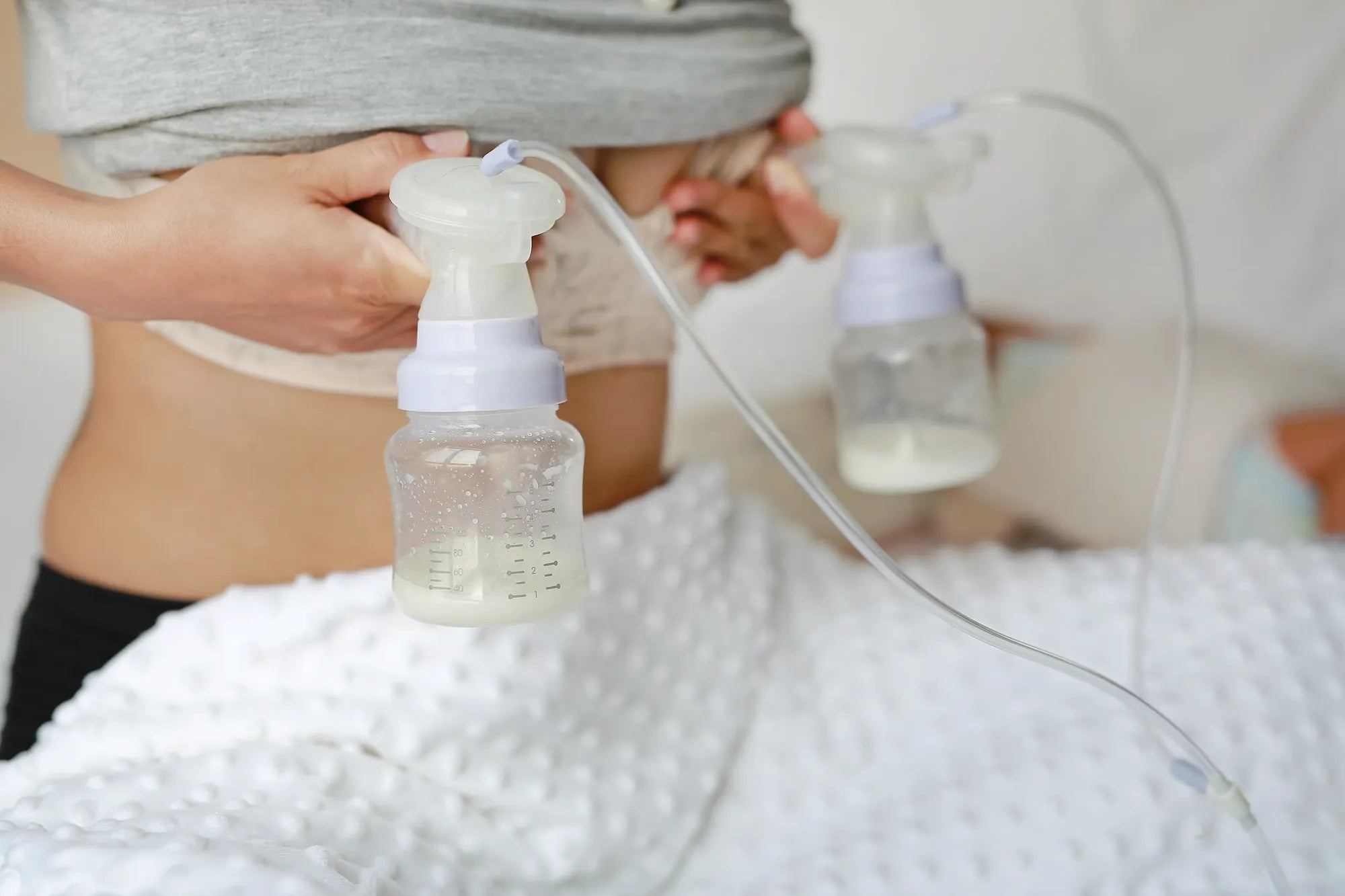
Can You Use a Second Hand Electric Breast Pump? A Safety-First Guide
Navigating the Second-Hand Market for Breast Pumps
Breastfeeding and pumping are profound journeys, often accompanied by significant financial considerations. The upfront cost of a quality electric breast pump can lead many new and expecting mothers to explore the second-hand market. The core question is urgent and practical: can you use a second hand electric breast pump safely? The answer is nuanced, hinging on critical technical details and stringent hygiene protocols.
This article provides a balanced, evidence-based guide to what you need to know. We will dissect the vital safety factors, outline a non-negotiable inspection checklist, and weigh the true cost savings against potential risks. Ultimately, the goal is to empower you to make an informed choice that prioritizes the health of both you and your baby, whether that involves a meticulously vetted used pump or an investment in a new, innovative solution.
Understanding the Two Main Types of Breast Pumps
The single most important factor in assessing a second-hand electric breast pump is understanding its internal system design. This is not about brand preference; it's a fundamental safety issue that divides pumps into two categories: open-system and closed-system.
What is an Open-System Pump?
An open-system breast pump lacks a sealed, physical barrier between the milk collection kit and the pump's motor and tubing. This design creates a potential pathway for moisture, milk particles, and microbes to travel back into the tubing and, in some cases, the motor housing itself. While these pumps often come with filters, these are not foolproof seals.
For a second-hand purchase, this is a critical red flag. It is impossible to fully sterilize the internal tubing or motor of an open-system pump. Contaminants from a previous user—including bacteria or viral particles—can remain trapped, posing a contamination risk to your expressed milk. Therefore, open-system pumps are not recommended for second-hand use under any circumstances.
What is a Closed-System Pump?
A closed-system breast pump features a sealed barrier—typically a silicone membrane or a one-way valve system—that physically prevents milk backflow into the motor and long-term tubing. This barrier protects the pump's mechanics from moisture and contamination, keeping the motor pathway separate from the milk pathway.
This design makes a closed-system pump a potential candidate for second-hand consideration, as the core motor is protected. However, it is not a blanket endorsement. Safety depends entirely on a rigorous inspection and the replacement of all personal parts. Many modern, quality pumps, including the entire MomMed collection, are engineered as hygienic closed systems for this fundamental reason.
How to Identify Your Pump's System
If you're considering a specific used model, you must identify its system type. First, search for the user manual online using the model number. Manufacturer diagrams often illustrate the airflow and seal. You can also contact the brand's customer service directly.
Visually, if you see a small, round, white foam filter where the tubing connects to the pump body, it is likely an open system. Closed-system pumps will have a sealed connection point or a clear, fixed barrier. When in doubt, assume it's an open system and avoid it for second-hand use.
The Essential Safety Checklist for a Second-Hand Pump
If you are considering a closed-system pump, treat the following as a mandatory, step-by-step protocol. Skipping any step introduces risk.
Step 1: Verify It's a Closed-System Model
Do not proceed without absolute confirmation. Use the methods above. This is your foundation. A second hand electric breast pump that is open-system cannot be made safe through cleaning.
Step 2: Inspect for Physical Wear and Hygiene
Conduct a thorough physical examination. Look for cracks, deep scratches, or discoloration in any plastic parts, especially the breast shield (flange). Check the tubing for any signs of mold, moisture, or milk residue inside—hold it up to a light. Listen to the motor; it should run smoothly without grinding, rattling, or inconsistent suction sounds. For battery-operated pumps, check if it holds a charge.
Step 3: Consider the Source and History
A pump from a trusted friend or family member, whose usage history and hygiene practices you know, is inherently less risky than one from an online marketplace stranger. Ask how long it was used, how often, and if it was ever dropped or damaged. The unknown history of a pump is a significant variable.
Step 4: The Non-Negotiable Replacement Parts
This is non-negotiable. Every single component that comes into contact with breast milk or your body must be purchased brand new. This creates a "new for you" kit. The mandatory replacement list includes:
- Breast shields/flanges (correct size is critical for comfort and output)
- Duckbill valves, backflow protector membranes, or silicone diaphragms
- Tubing connectors
- Collection bottles and lids
- Any seals or gaskets in the milk pathway
Ensure these replacement parts are still manufactured and compatible with the older pump model before you buy.
Weighing the Pros and Cons: Cost vs. Peace of Mind
Let's objectively compare the potential benefits and the significant drawbacks of choosing a used pump.
| Potential Advantages | Significant Risks and Drawbacks |
|---|---|
| Lower Upfront Cost: The primary appeal is saving money on the initial purchase. | Hygiene & Contamination Risk: Even with a closed system, improper prior cleaning can leave residues in hard-to-reach areas. Open systems are unsafe. |
| Possible Short-Term Solution: May suffice for very occasional, temporary use. | Unknown Performance & Lifespan: Motor wear reduces suction strength and efficiency, potentially impacting milk supply. It could fail unexpectedly. |
| No Warranty or Support: You have no recourse if the pump malfunctions. Manufacturer support is unavailable. | |
| Hidden Costs: The price of a full set of new personal parts can add $50-$100+, reducing savings. | |
| Outdated Technology: Lacks modern features like quiet motors, customizable settings, and portable, hands-free designs. |
The Value Proposition of a New, Modern Pump
Investing in a new pump offers guaranteed benefits that go beyond hygiene. A new pump provides optimal, consistent suction performance, which is crucial for effective milk expression and maintaining supply. You receive a full manufacturer's warranty and access to customer support.
Modern innovations, like those in MomMed pumps, offer transformative advantages. Features like ultra-quiet motors, multiple stimulation and expression modes, and app connectivity support a more comfortable and efficient pumping experience. The hands-free, wearable design of pumps like the award-winning MomMed S21 provides unparalleled freedom and can significantly reduce the stress associated with pumping.
Why a New MomMed Pump is a Worthy Investment in Your Journey
Choosing a new breast pump is an investment in your comfort, your mental well-being, and your breastfeeding success. Here’s how a new MomMed pump delivers value that a second-hand option cannot match.
Hygiene and Safety Guaranteed
Every MomMed pump arrives in pristine, sterile condition. As dedicated closed-system pumps constructed with BPA-free, food-grade silicone and materials, they offer complete peace of mind from the very first use. There is no guessing game about prior contamination or microbial exposure.
Engineered for Comfort and Efficiency
MomMed pumps are designed with a deep understanding of maternal physiology. Features like adjustable suction levels and dual-phase technology (a fast stimulation mode followed by a slower expression mode) mimic a baby's natural nursing pattern. This personalized comfort is not just about feeling better; efficient, comfortable expression can lead to better milk let-down and output, a key concern for many mothers that a worn-out second-hand motor may hinder.
The Freedom of Hands-Free, Wearable Design
Contrast the experience of being tethered to an outlet with bulky tubing to the liberation of a MomMed wearable pump. The S21 Double Wearable Breast Pump fits discreetly in your bra, allowing you to move, care for your baby, work, or simply relax. This innovation directly supports maternal mental health by reducing the feeling of being "stuck" and making pumping a more integrated, sustainable part of your life.
Long-Term Reliability and Support
Your purchase is backed by a warranty and a dedicated customer care team. Should you have questions about flange sizing, settings, or operation, expert help is available. This security network is invaluable, especially for first-time mothers, and is entirely absent with a second-hand purchase.
Your Questions Answered: Second-Hand Pump FAQ
Let's address some of the most common and specific concerns surrounding the use of a second hand electric breast pump.
Q1: Can I just boil or sterilize all the parts of a used pump to make it safe?
You can and must sterilize all replaceable personal parts (flanges, valves, bottles) before first use. However, you cannot sterilize the internal motor, internal tubing, or the interior housing of the pump itself. In an open-system pump, these internal areas are contaminated by design and no amount of surface cleaning eliminates that risk.
Q2: What if the previous owner only used it a few times?
Even minimal use in an open-system pump creates an irreversible contamination risk in the machinery. For a closed-system pump, the risk is lower, but the mandatory safety checklist—especially the replacement of all personal parts—still applies in full. Wear on the motor from even a few uses is difficult to assess.
Q3: Are hospital-grade rental pumps safe to use second-hand?
True hospital-grade multi-user pumps operate on a different, safe model. You rent the durable, serviced motor unit from a medical supply company and they provide you with a brand-new, personal collection kit (flanges, tubing, bottles). This is not the same as buying a single-user pump second-hand. The rental motor is professionally maintained and designed for this purpose.
Q4: Is it safe to share a pump with a sister or close friend?
The same technical rules apply. If it is an open-system pump, it is not safe to share, even with family. If it is a confirmed closed-system pump and you both follow the protocol of using completely separate, brand-new personal part kits, the risk is significantly reduced. However, you are still sharing a motor of unknown longevity.
Q5: Where can I find affordable new pump options?
In the United States, the Affordable Care Act (ACA) requires most insurance plans to cover the cost of a new breast pump. Contact your insurer for details. Programs like WIC may also provide assistance. Investing in a value-driven, innovative brand like MomMed, which offers professional-grade features at a direct-to-consumer price, can also make a new pump more accessible and eliminate the need to consider used equipment.
Making the Best Choice for You and Your Baby
The decision to use a second hand electric breast pump is a serious one that requires diligent research and caution. The critical takeaway is the system type: closed-system pumps can be considered with extreme vigilance, while open-system pumps should be avoided entirely. A rigorous safety checklist—centered on verification, inspection, and the mandatory replacement of all personal parts—is non-negotiable.
However, the inherent risks of unknown motor life, lack of support, and hidden costs must be weighed against the profound value of guaranteed hygiene, optimal performance, and modern comfort. Your breastfeeding and pumping journey is a foundational part of your early motherhood experience. The equipment you use should support, not complicate, that journey.
Whether you choose a meticulously vetted second-hand closed-system pump or decide to invest in a new, reliable, and innovative solution, the priority remains the health and well-being of both you and your baby. For mothers seeking peace of mind, comfort, and freedom, a new pump designed with your needs in mind can be one of the most valuable investments you make. Shop the MomMed collection at mommed.com for all your breastfeeding and pregnancy needs, and discover pumps engineered to empower every step of your journey.