


Inicio
Pregnancy, Breastfeeding, and Pumping: The Ultimate Guide for Moms
Can You Start Breast Pumping After Stopping? Your Complete Guide to Relactation
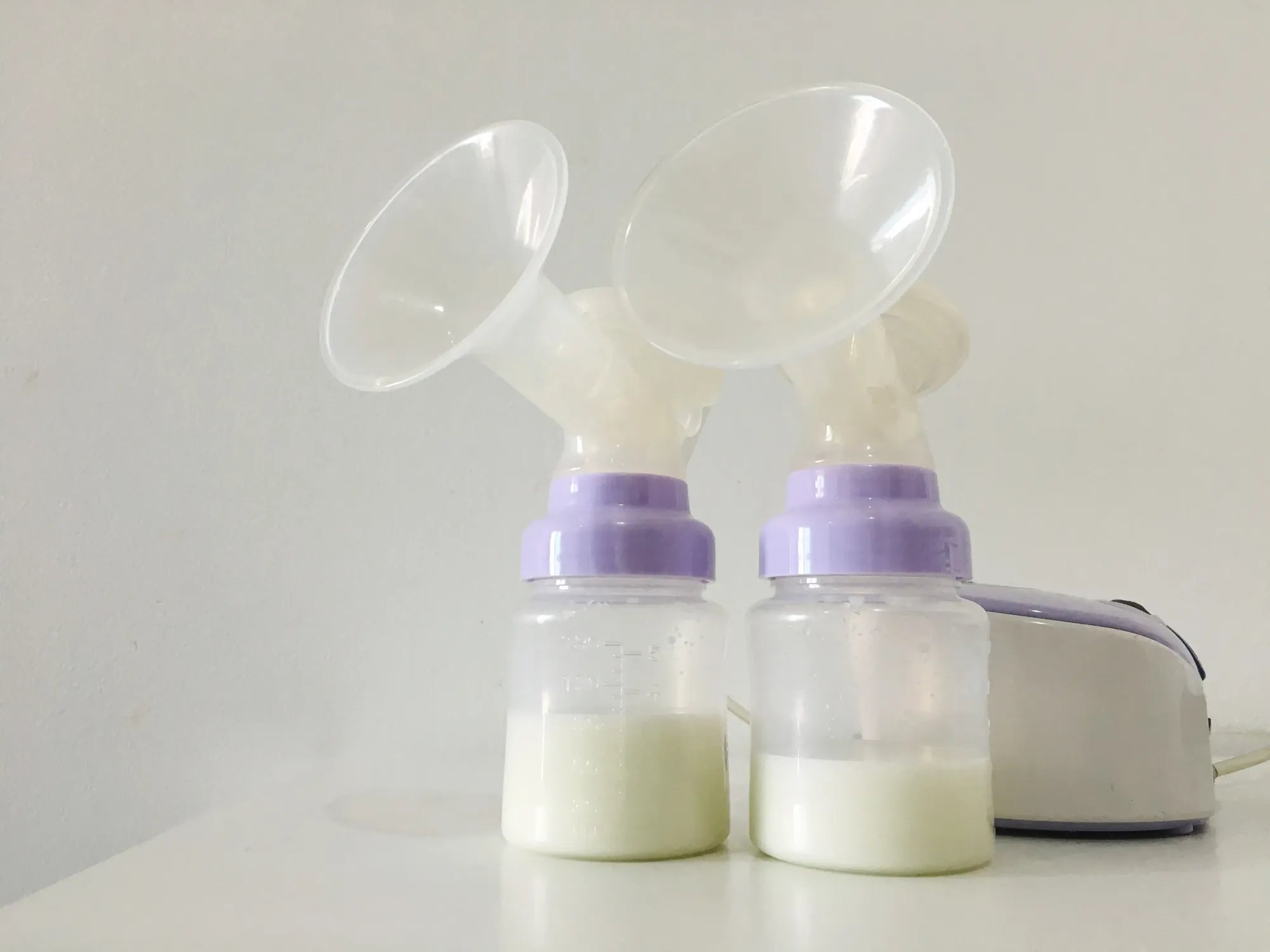
Can You Start Breast Pumping After Stopping? Your Complete Guide to Relactation
Introduction: Understanding the "Restart" Journey
You stopped pumping or breastfeeding, and now you're wondering if you can start again. The short, hopeful answer is yes, you often can. This process, known as relactation or sometimes induced lactation, is a journey back to milk production that countless mothers have successfully undertaken.
Whether it's been weeks or months, your body retains a remarkable memory. The core question, "Can you start breast pumping after stopping?" is one filled with both hope and practical considerations. This guide provides everything you need to know, from the biological mechanisms at play to a day-by-day action plan, empowering you with knowledge and realistic strategies.
The path to restarting is built on patience, consistent stimulation, and the right support. It's not about returning instantly to where you left off, but about gently signaling your body to begin production anew. Let's explore how you can navigate this journey with confidence and comfort.
Why Moms Consider Restarting Their Breast Pumping Routine
Life with a baby is full of unexpected turns, and the need to restart pumping arises from many valid, real-life situations. Understanding that you are not alone in this decision can be a powerful first step.
Some mothers pause due to early challenges like latch issues or painful mastitis, intending to return once those hurdles are resolved. Others may have weaned earlier than planned and later wish to provide breast milk again for health or bonding reasons.
A common scenario involves returning to work after an extended leave. A mother may have stopped pumping during her time off, only to need to re-establish a supply for when she's apart from her baby. Similarly, a baby might go through a significant growth spurt and need supplemental milk after a period of exclusive breastfeeding without pumping.
Health events can also necessitate a restart. A temporary illness requiring medication incompatible with breastfeeding, or a necessary surgery, can force a pause. Once cleared, mothers often seek to rebuild their supply. Furthermore, adoptive mothers or those using surrogates pursue induced lactation to feed their new babies, following principles very similar to relactation.
Every reason—from practical logistics to deep personal desire—is valid. The decision to answer "yes" to "can you start breast pumping after stopping" is a proactive choice for your baby's nutrition and your own parenting journey.
The Science Behind Relactation: How Your Body Can Respond
Relactation is not a myth; it's a physiological process supported by the fundamental principle of supply and demand. Your mammary glands are designed to respond to stimulation, regardless of a hiatus.
Milk production is primarily driven by two hormones: prolactin, which stimulates milk synthesis, and oxytocin, which triggers the let-down reflex. When you regularly remove milk—either by a baby nursing or a pump effectively expressing it—you send a signal to your brain to produce more prolactin, thereby increasing supply.
Even after milk production has ceased, the milk-making cells (alveoli) and ducts remain in place, essentially going dormant. Consistent, frequent stimulation re-awakens this system. Research and clinical experience show that women can initiate or re-initiate lactation even years after childbirth or without having been pregnant at all, though the timeframe and volume achieved vary widely.
Success factors include how long it has been since you last lactated, your previous breastfeeding or pumping experience, your overall health and hormonal status, and, crucially, your commitment to a frequent stimulation schedule. The body's ability to respond is a testament to its adaptability, making the answer to can you start breast pumping after stopping a resounding biological possibility for most.
Your Step-by-Step Guide to Restarting Breast Pumping Successfully
Turning the possibility of relactation into reality requires a structured, patient approach. This step-by-step guide breaks down the process into manageable actions.
Setting Realistic Expectations and Goals
The first and most critical step is mental preparation. Relactation is a marathon, not a sprint. Initial yields may be mere drops for days or even a couple of weeks. Celebrate these drops—they are proof your body is responding.
Set process-oriented goals rather than output-oriented ones. A good initial goal is: "I will pump for 15 minutes every 3 hours during the day and once at night." This focuses on the action (stimulation) that drives the result (milk production).
Understand that full relactation, where you produce all your baby's needs, is possible but not guaranteed. Many mothers achieve partial relactation, successfully combining their renewed milk supply with formula or donor milk, which is still a tremendous benefit for their baby.
Creating an Effective Pumping Schedule for Relactation
Frequency is far more important than duration, especially at the start. Aim to mimic the feeding pattern of a newborn: 8 to 12 sessions in a 24-hour period. This means pumping every 2 to 3 hours, including at least one session between 1 a.m. and 5 a.m., when prolactin levels are naturally higher.
Incorporate "power pumping" sessions. This technique, designed to mimic cluster feeding, involves pumping for 20 minutes, resting for 10, pumping for 10, resting for 10, and pumping for a final 10 minutes (total 1 hour). Doing one or two power pumps per day can provide a strong boost to your prolactin signals.
Consistency is key. Use alarms and reminders. The schedule is demanding, but it's the primary engine for restarting your supply in response to the question, can you start breast pumping after stopping effectively.
Choosing the Right Tools: Why a Comfortable, Efficient Pump Matters
Your equipment is a pivotal success factor. A high-quality, double-electric breast pump is non-negotiable for relactation. It must be efficient enough to provide strong, rhythmic stimulation and effective milk removal, which is the core demand signal.
For a mother committed to a rigorous pumping schedule, comfort and convenience become paramount. This is where innovative solutions like wearable pumps can be transformative. A trusted brand like MomMed specializes in pumps designed for this modern, on-the-go reality.
The MomMed S21 Double Wearable Breast Pump, for instance, offers hospital-grade suction strength in a discreet, hands-free design. Its adjustable modes and levels allow you to find the perfect, comfortable rhythm for your body, which is essential for triggering let-down during a demanding relactation schedule. Using BPA-free, food-grade silicone components ensures safety for both you and your future milk supply.
Maximizing Output and Comfort: Tips for Effective Pumping Sessions
Technique significantly impacts yield. Always start with clean hands and ensure your pump parts, especially the flanges, are correctly assembled. A proper flange fit is critical—the nipple should move freely without rubbing, and little to no areola should be pulled into the tunnel.
Employ hands-on pumping techniques. Gently massage your breasts before and during pumping, starting from the chest wall and moving toward the nipple. Applying a warm compress for a few minutes prior can help with milk flow.
Create a relaxing ritual. Try to pump in a quiet space, look at photos or videos of your baby, practice deep breathing, or listen to calming music. Stress inhibits oxytocin, so relaxation directly aids milk ejection. Remember, even if little milk appears, the stimulation itself is doing the essential work of asking your body the question, "can you start breast pumping after stopping" and prompting it to respond.
Navigating Challenges and Finding Support
The relactation path has bumps. Anticipating them and knowing where to find help can keep you moving forward when motivation wanes.
Common Hurdles and How to Overcome Them
Minimal Initial Output: Seeing only drops after a long session is the most common discouragement. Reframe your thinking: drops are success. They are the first sign of your body answering the call. Consistency with your schedule is the only way to increase volume.
Fatigue and Time Commitment: The schedule is exhausting. This is where wearable pumps from MomMed can be a game-changer. Being able to move around, care for other children, or even handle light tasks while pumping makes the frequent sessions more sustainable.
Discomfort: Pumping should not be painful. Pain is a sign that something is wrong, usually flange size or suction settings. Re-evaluate your setup. Products designed with comfort in mind, featuring soft silicone cushions and multiple rhythmic patterns, can make the hours of pumping much more tolerable.
The Role of Diet, Hydration, and Galactagogues
While demand is the primary driver, general wellness supports your effort. Stay exceptionally well-hydrated; water is the main component of breast milk. Carry a water bottle and sip consistently.
Maintain a balanced, nutritious diet with adequate calories. Your body needs energy to produce milk. There is no single "magic" food, but some mothers find certain foods, known as galactagogues, supportive.
Common dietary galactagogues include whole oats, barley, flaxseed, and brewer's yeast. Herbs like fenugreek are popular but should be used with caution as they can have side effects and may even suppress supply in some individuals. It is highly recommended to consult with a lactation consultant or healthcare provider before starting any herbal supplement, especially when exploring can you start breast pumping after stopping.
Building Your Support System: Lactation Consultants and Communities
Do not undertake this journey alone. An International Board Certified Lactation Consultant (IBCLC) is your single most valuable resource. They can provide a personalized plan, assess your baby's transfer if you're also nursing, help with flange fitting, and troubleshoot problems.
Online and local support groups for relactating or inducing lactation mothers are invaluable. Sharing experiences, frustrations, and small victories with others who truly understand can provide emotional sustenance that is as important as any physical technique. Their collective wisdom is a powerful tool in your arsenal.
Relactation vs. Induced Lactation: A Comparison
While the core principle of demand-driven supply applies to both, there are key differences between restarting lactation after a previous experience (relactation) and initiating it without a recent pregnancy (induced lactation). The following table outlines these distinctions.
| Aspect | Relactation | Induced Lactation |
|---|---|---|
| Primary Scenario | Mother has breastfed/pumped before but stopped for a period. | Adoptive mother, surrogate mother, or transgender mother who has not recently been pregnant. |
| Physiological Starting Point | Dormant mammary tissue that has been previously developed. | Mammary tissue that may need hormonal priming to develop fully. |
| Typical Hormonal Protocol | Usually not required; focus is on physical stimulation. | Often involves a protocol using estrogen/progesterone (like the birth control pill) followed by domperidone or other medications under medical supervision to mimic pregnancy hormones. |
| Time to First Drops/Milk | Can appear within a few days to a week of consistent stimulation. | May take several weeks of combined hormonal prep and pumping before milk appears. |
| Realistic Volume Expectation | Higher potential for achieving a full or near-full supply, especially if the gap since weaning is short. | Often results in a partial supply, though some achieve full supply. The primary goal is often nutritional and immunological benefit, not exclusivity. |
| Core Action Plan Similarity | Both rely on the same critical action: frequent, effective milk removal via pumping (and/or nursing) to establish and build supply. | |
Frequently Asked Questions About Restarting Breast Pumping
Q: How long after stopping can I restart pumping?
A: You can attempt relactation at any point—whether it's been a few weeks, several months, or even years. Generally, the shorter the time since you last lactated, the quicker and more robust your response may be. However, success stories exist for mothers restarting after very long intervals.
Q: Will the milk be the same quality as before?
A> Yes. Your body is remarkable. Once your milk comes in, it will be complete, living nutrition tailored to your baby's needs. Its composition (foremilk/hindmilk balance, antibody levels) will adjust just as it would have during your initial breastfeeding journey.
Q: Can I restart if I never breastfed or pumped at all after birth?
A> Yes, this falls under induced lactation. The process is similar but may involve more preparatory steps, often including hormonal therapy under a doctor's guidance, before beginning the intense pumping schedule. Working with an IBCLC experienced in induced lactation is crucial.
Q: How do I know if my baby is getting enough if I'm also nursing?
A> The gold standards remain the same: watch for sufficient wet and dirty diapers (at least 5-6 heavy wet diapers per day after day 5) and steady weight gain as assessed by your pediatrician. During relactation, you may need to supplement with formula or previously expressed milk, which you can gradually reduce as your own supply increases.
Q: Is it worth the effort if I only get a small amount?
A> Absolutely. Any amount of your breast milk provides your baby with antibodies, beneficial bacteria, stem cells, and perfectly tailored nutrition. Even an ounce a day is a powerful immune booster and enhances bonding. The effort to answer can you start breast pumping after stopping is never wasted.
Conclusion: Empowering Your Choice with Confidence and Comfort
The journey to restart breast pumping is a profound testament to a mother's dedication and her body's innate capability. It is a path defined by patience, where consistency trumps speed, and where every drop signifies a victory. You now hold the knowledge that yes, you can start breast pumping after stopping, and you have a clear map of the principles and practices that make it possible.
Success hinges on the triad of frequent stimulation, proper tools, and unwavering support. Investing in a reliable, comfortable pump like those from MomMed can transform the practical burden of a rigorous schedule into a manageable, integrated part of your day. Coupling this with the expert guidance of a lactation consultant creates a foundation for progress.
Whether your goal is a full supply or a partial one that you mix with other nutrition, your effort is meaningful and valuable. Trust the process, be kind to yourself, and celebrate each small step. You are not just asking your body to produce milk; you are demonstrating incredible commitment to your child's well-being.
Ready to begin your relactation journey with the right equipment? Shop the MomMed collection at mommed.com for all your breastfeeding and pregnancy needs, featuring comfortable, efficient wearable pumps like the S21, designed to support you every step of the way.