


Inicio
Pregnancy, Breastfeeding, and Pumping: The Ultimate Guide for Moms
Can You Mix Breast Milk from Two Different Pumping Sessions? A Complete Guide
Can You Mix Breast Milk from Two Different Pumping Sessions? A Complete Guide
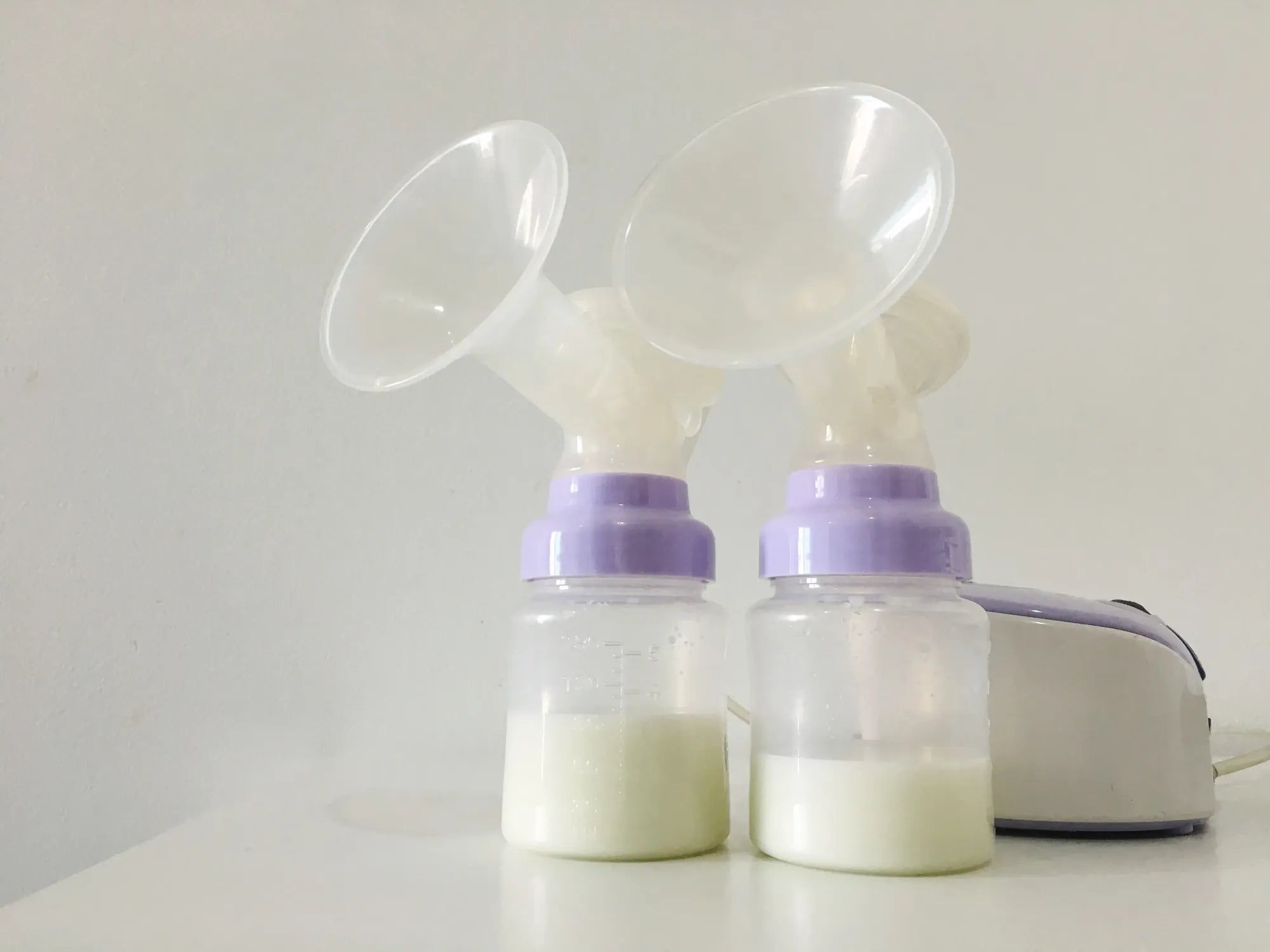
You’ve just finished a pumping session and have a modest 2 ounces in the bottle. An hour later, after your baby’s nap, you pump another 1.5 ounces. Staring at these two small but precious amounts, a common and practical question arises: Can you mix breast milk from two different pumping sessions? The short answer is yes, you absolutely can—and for many pumping parents, it’s a vital strategy for efficiently building a feeding stash and reducing waste. However, doing so safely requires adhering to specific, evidence-based guidelines centered on temperature control, dating, and hygiene. This article will provide you with a thorough, step-by-step roadmap for combining your expressed milk with confidence, ensuring every drop of your liquid gold is safely preserved for your baby.
The Golden Rules for Safely Combining Breast Milk
Mixing breast milk is not as simple as pouring one bottle into another. To protect your baby from potential bacterial growth and preserve the milk's nutritional integrity, you must follow three non-negotiable safety principles. These rules form the foundation of safe milk handling and storage, turning a simple act into a science-backed practice.
Rule 1: Cool to the Same Temperature First
The most critical rule is that you must never add warm, freshly expressed milk to already chilled milk. Fresh breast milk is body temperature, around 98.6°F (37°C). Adding it to a cold bottle in the refrigerator can raise the temperature of the entire batch, creating a "danger zone" (between 40°F and 140°F) where bacteria can multiply rapidly. Always cool your newly pumped milk separately in the refrigerator for about an hour until it is the same cold temperature as your previously stored milk before combining them.
Rule 2: Follow the "First In, First Out" Date Rule
When you combine milk from different sessions, the storage countdown is determined by the oldest milk in the mix. For example, if you mix milk pumped on Monday with milk pumped on Tuesday, the entire combined batch should be used based on Monday's timeline. This conservative approach ensures you are always using the milk with the shortest remaining safe storage window first, minimizing any risk of spoilage.
Rule 3: Practice Impeccable Pump and Hand Hygiene
Safe mixing starts long before the milk touches a storage bag. It begins with clean hands and properly sanitized pump parts. Using a pump with hygienic, easy-to-clean components is essential. All MomMed breast pumps, for instance, feature BPA-free, food-grade silicone and plastic parts that are designed for thorough sterilization, providing a safe foundation for your expressed milk from the very first drop.
Step-by-Step Guide: How to Mix Breast Milk Correctly
Following a clear, chronological process removes the guesswork from combining milk. This method integrates seamlessly into a pumping routine, especially when using a convenient, hands-free pump like the MomMed S21, allowing you to focus on the task rather than the logistics.
Step 1: Label and Chill Your Initial Batch
Immediately after your first pumping session, pour the milk into a clean storage bottle or bag. Label it clearly with the date and time it was expressed. Place this container in the back of your refrigerator, where the temperature is coldest and most stable, and allow it to chill completely. This typically takes about one hour.
Step 2: Prepare for Your Second Pumping Session
When it’s time for your next session, ensure all pump parts are clean and assembled correctly. For moms on the go or those who need to multitask, a wearable pump like the MomMed S21 offers a significant advantage. Its ultra-quiet, hospital-grade performance and adjustable suction modes allow for comfortable, efficient pumping without being tethered to an outlet, making it easier to maintain your schedule and output.
Step 3: Chill the Newly Expressed Milk
After your second session, do not immediately combine the milk. Instead, pour this fresh, warm milk into its own clean container, label it, and place it in the refrigerator alongside your first batch. Allow it to cool completely until it is the same temperature as the refrigerated milk from your first session. Patience here is key to safety.
Step 4: Combine in a Larger Storage Container
Once both batches are thoroughly chilled, you can combine them. Choose a clean storage container large enough to hold the total volume—a dedicated pitcher or a large-capacity milk storage bag works well. Pour both cooled batches into this container. To mix, gently swirl the container; avoid vigorous shaking, as some research suggests it may break down certain beneficial components in the milk.
Addressing Common Concerns and Special Scenarios
Real-life pumping doesn't always fit a perfect mold. You may have questions about more complex situations. Addressing these nuances ensures you can adapt the guidelines to your unique routine with full confidence.
Mixing Breast Milk from Different Days
It is perfectly safe to mix milk pumped on different days, provided both batches are properly chilled and you follow the "first in, first out" date rule. Breast milk composition can vary slightly from day to day and even within the same day—foremilk (thirst-quenching) at the start of a feed and hindmilk (fat-rich) at the end. Combining milk from different times can actually create a nutritionally balanced "average" blend for your baby.
What About Mixing Leftover Milk from a Feeding?
This is a firm exception to the mixing rule. Never mix leftover milk from a partially fed bottle with fresh milk or milk from another session. Once your baby's saliva has come into contact with the milk during a feeding, bacteria are introduced. This milk must be used within 1-2 hours or discarded, and it should not be used to contaminate a fresh, clean batch.
Managing Small Amounts: The "Pitcher Method" Explained
For parents who pump multiple times a day, the "Pitcher Method" is an efficient system for managing small volumes. Throughout a 24-hour period, all expressed milk is cooled separately and then combined into one large, clean pitcher in the refrigerator. At the end of the 24 hours, the mixed milk is portioned into bags or bottles for feeding or freezing. This method streamlines storage and ensures you're building usable volumes efficiently.
Breast Milk Storage Guidelines: Refrigerator vs. Freezer
Understanding how long mixed milk lasts is crucial. These timelines are recommended by organizations like the CDC and the Academy of Breastfeeding Medicine and apply to milk stored in a clean container following proper hygiene practices.
| Storage Location | Temperature | Guideline for Fresh Milk | Guideline for Previously Frozen & Thawed Milk |
|---|---|---|---|
| Countertop | Room Temp (up to 77°F/25°C) | Up to 4 hours | 1-2 hours |
| Refrigerator | 39°F (4°C) or colder | Up to 4 days (ideal within 3 days for mixed batches) | Up to 24 hours (Do not refreeze) |
| Freezer (with separate door) | 0°F (-18°C) or colder | Within 6 months for best quality (up to 12 months acceptable) | Do not refreeze |
Note: For mixed milk in the refrigerator, a more conservative approach is to use it within 72 hours (3 days) of when the oldest milk in the batch was expressed, or within 24 hours of combining, whichever comes first.
MomMed Tips for Efficient and Hygienic Pumping & Storage
Having the right tools can transform pumping from a chore into a manageable, even comfortable, part of your day. MomMed products are designed with the practical needs of pumping parents in mind, supporting the best practices outlined in this guide.
Maximizing Comfort and Output with Your Wearable Pump
Consistent, effective pumping sessions are the first step to having milk to combine. Discomfort and inconvenience are major barriers. The award-winning MomMed S21 Double Wearable Breast Pump addresses this directly. Its ergonomic, contoured cups fit discreetly in your bra, and the hospital-grade motor offers powerful yet gentle suction. By allowing you to pump hands-free, you can maintain your supply through more comfortable and frequent sessions, whether you're working, caring for an older child, or simply relaxing.
Smart Storage Solutions for Your Combined Milk
Once your milk is combined, proper storage is key. Use pre-sterilized storage bags designed for breast milk, which are space-efficient for freezing. Always leave about an inch of space at the top to allow for expansion. Label each bag with the date (using the oldest milk's date) and the total volume. The portability of MomMed pumps supports a regular pumping schedule, helping you maintain a steady supply to feed your baby and build that precious freezer stash for later needs.
Frequently Asked Questions (FAQ)
Q: Can I mix breast milk that was pumped at different times of the day?
A: Yes, the time of day (morning vs. evening) has no bearing on safety. The fat content and volume may vary, but you can combine them safely as long as both batches are cooled to the same temperature first and dated correctly.
Q: How long can mixed breast milk last in the refrigerator or freezer?
A: In the refrigerator, use mixed milk within 24 hours of combining it, or by the expiration time of the oldest milk in the mix, whichever is sooner. For the freezer, freeze the combined batch immediately after mixing and use it within 6 months for optimal quality.
Q: Is it okay to mix milk I pumped at work with milk I pumped at home?
A: Absolutely, provided you transported the work milk safely. Use an insulated cooler bag with ice packs to keep it cold during your commute. Once home, chill it in the refrigerator until it's cold, then you can combine it with your other chilled home milk.
Q: Can I add fresh milk to a bottle that already has frozen milk in it?
A: No. You should not add fresh, warm milk directly to frozen milk, as it can partially thaw the frozen layer and promote bacterial growth. Instead, chill the fresh milk completely, freeze it in a separate container, and then you can combine the two frozen cubes or bags together in a larger container if desired.
Q: Does mixing milk from different sessions affect its nutritional value?
A: No, mixing does not degrade the nutritional or immunological properties of the milk. Gently swirling cooled milk to combine is perfectly fine. The nutritional profile will simply be a blend of the two batches.
Conclusion: Empower Your Feeding Journey with Knowledge and Confidence
Mastering the practice of mixing breast milk from different pumping sessions is a powerful tool in your breastfeeding arsenal. It empowers you to save every ounce, reduce waste, and efficiently build a security stash for returning to work, date nights, or times when you need to be away. By adhering to the core principles of cooling, dating, and hygiene, you can do so with complete peace of mind. Remember, your journey is unique, and having reliable, innovative tools can make all the difference. Trust your instincts, use this guide as your reference, and know that by providing your baby with your milk—whether freshly pumped, mixed, or frozen—you are offering a profound gift of love and nourishment. For pumps and accessories designed to support you every step of the way, shop the MomMed collection at mommed.com for all your breastfeeding and pregnancy needs.