


Inicio
Pregnancy, Breastfeeding, and Pumping: The Ultimate Guide for Moms
Can You Just Pump and Not Breastfeed? A Complete Guide to Exclusive Pumping
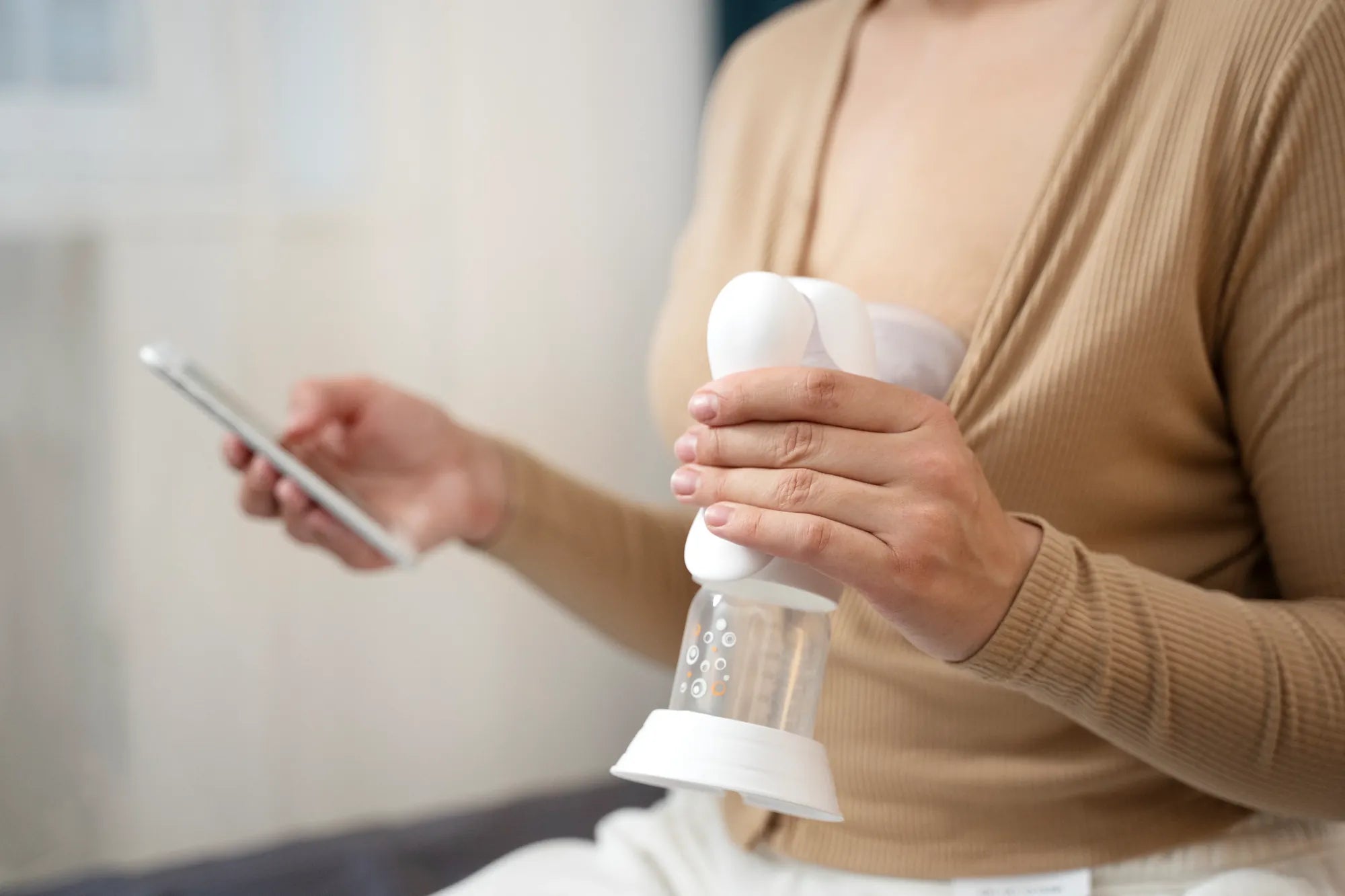
Can You Just Pump and Not Breastfeed? A Complete Guide to Exclusive Pumping
Introduction: Redefining "Breastfeeding" in the Modern World
Can you just pump and not breastfeed? This is a question more parents are asking, and the answer is a resounding yes. Exclusive pumping (EP) is a legitimate, evidence-based feeding method that provides your baby with the complete nutrition of breast milk without the need for direct nursing at the breast.
This choice is driven by diverse, valid reasons ranging from medical necessity to personal preference. The journey of providing breast milk is not one-size-fits-all, and exclusive pumping is a powerful option that deserves recognition and support.
This guide will explore the possibilities, practicalities, and realities of building a life where your baby thrives on your milk, delivered via bottle. We aim to provide the factual, data-driven information you need to make an informed choice and succeed on your terms.
What is Exclusive Pumping? Understanding Your Feeding Choice
Exclusive pumping (EP) is defined as feeding a baby expressed breast milk from a bottle or other vessel, without any sessions of direct breastfeeding at the chest. It is a full-time commitment to expressing milk to meet all of your baby's nutritional needs.
It's crucial to differentiate EP from combination feeding, where a baby both nurses directly and receives bottles of expressed milk or formula. An exclusive pumper's primary tool is their breast pump, used on a strict schedule to mimic a baby's feeding pattern.
Importantly, providing breast milk—whether from the breast or a bottle—is breastfeeding. The language matters. Choosing EP means you are a breastfeeding parent, utilizing technology to achieve the same nutritional goal.
This method requires specific knowledge about milk supply management, equipment, and routine, which we will detail in the following sections. Understanding this definition is the first step toward a successful EP journey.
Why Choose to Exclusively Pump? Common and Valid Reasons
The decision to exclusively pump is multifaceted and deeply personal. Valid reasons span medical, logistical, and personal domains, and all deserve respect.
Medical reasons are often a primary driver. These can include a baby with latch difficulties due to a tongue or lip tie, prematurity requiring NICU stay, or neurological conditions affecting suck. For the parent, reasons may include severe nipple pain or damage, a history of sexual trauma making direct nursing emotionally challenging, or the need to take medications not compatible with direct nursing but safe for pumped milk.
Logistical and lifestyle reasons are equally compelling. Returning to work in an environment without adequate break time or privacy makes EP a practical solution. It also allows partners and other caregivers to share equally in feeding duties, promoting bonding and providing the nursing parent with crucial rest. For parents of multiples, pumping can sometimes be more time-efficient than nursing two or more babies sequentially.
Personal preference and mental health are complete reasons in themselves. Some parents simply prefer the clarity of knowing exactly how much milk their baby consumes each day. For others, the autonomy and bodily autonomy offered by EP support their mental well-being, making the feeding journey more sustainable and positive.
Navigating Challenges: The Realities of an EP Journey
Choosing EP is a significant commitment, and being aware of the challenges allows for better preparation. The time investment is substantial, encompassing not only the 15-30 minute pumping sessions 8-12 times per day initially but also the time spent washing, sanitizing, and assembling pump parts, and managing milk storage.
Maintaining milk supply without the direct, skin-to-skin stimulation of a baby requires diligence. The hormonal response can be different, making it essential to have an efficient pump and a consistent schedule. Exclusive pumpers can be more susceptible to clogs and mastitis if pumping sessions are missed or flange fit is incorrect.
The logistical burden is real. It involves planning outings around pump times, transporting equipment and cold milk, and managing a mini-dairy operation at home. However, with the right tools and systems, these challenges become manageable parts of a routine.
Building a Successful Exclusive Pumping Routine: A Practical Guide
Success in exclusive pumping hinges on a well-structured routine and the right equipment. This practical guide outlines the key steps to establish and maintain a sustainable EP schedule that supports both milk supply and your well-being.
Consistency is more critical than clockwork precision. Aim to pump every 2-3 hours in the early months, for a total of 8-12 sessions per 24 hours, including at least one session overnight to protect supply. This mimics a newborn's feeding frequency.
Track your sessions and output. Using a simple app or log can help you identify patterns, ensure you're pumping enough times, and provide valuable data if you need to consult a lactation specialist. Output can vary by time of day; it's normal to produce more in the morning.
Integrate pumping into your life. Use a hands-free pumping bra to allow you to work, care for an older child, or simply relax during sessions. Consider the "fridge hack"—storing pump parts in a sealed bag in the refrigerator between sessions to reduce washing frequency—though follow CDC guidelines and your comfort level with this practice.
Choosing Your Pump: The Foundation of Your EP Journey
For an exclusive pumper, the breast pump is not just an accessory; it's a vital piece of medical equipment. A high-quality, efficient, double-electric pump is non-negotiable. Many experts recommend a pump that offers hospital-grade performance for long-term, multiple-daily use.
Key features to prioritize include adjustable suction levels and cycle speeds to mimic a baby's nursing pattern, comfort to prevent tissue damage, and efficiency to fully empty the breasts, which is crucial for supply. Portability and discretion can dramatically improve quality of life.
This is where innovative solutions like the MomMed S21 Double Wearable Breast Pump become game-changers. As a trusted maternal care brand, MomMed designed the S21 with the exclusive pumper in mind. Its hospital-grade suction power ensures effective milk removal, while its completely cordless, wearable design grants unparalleled freedom. You can maintain your rigorous pumping schedule without being tethered to an outlet, making it easier to care for your baby, work, or manage household tasks during sessions.
Establishing and Maintaining Your Milk Supply
The cornerstone of EP is building and protecting your milk supply. Since you're relying on mechanical stimulation, your routine must be proactive. In the first 12 weeks, prioritize frequency (8-12 sessions per day) over duration to establish robust prolactin receptor sites.
Practice hands-on pumping. Gently massaging your breasts before and during pumping, using breast compressions, and applying a warm compress can help increase milk flow and efficiency, leading to better emptying and higher fat content in your milk.
If you need to boost supply, incorporate power pumping sessions—a technique that mimics cluster feeding. A common pattern is 20 minutes of pumping, 10 minutes rest, 10 minutes pump, 10 minutes rest, 10 minutes pump. Doing this once a day for 3-5 days can signal your body to produce more.
Remember, adequate hydration and nutrition are fundamental. Your body needs fuel and fluids to produce milk. Using a reliable, comfortable pump like MomMed's wearable options can reduce stress and make it easier to stick to your vital pumping schedule.
The Exclusive Pumping Toolkit: Essentials Beyond the Pump
Your pump is the star, but a supporting cast of products makes the EP journey smoother. A high-quality, hands-free pumping bra is essential for multitasking. Having multiple sets of pump parts (flanges, valves, membranes) saves time on washing and ensures you always have a clean set ready.
For milk storage, you'll need a system of bottles, breast milk storage bags, labels, and a permanent marker. A dedicated bottle warmer and a fast, effective bottle sterilizer (like UV or steam) are invaluable for daily use. Don't forget nipple cream; pumping can sometimes cause friction, even with a perfect flange fit.
MomMed offers a complete ecosystem for feeding parents. From their BPA-free, food-grade silicone pump parts to their easy-to-use milk storage bags and baby care essentials, having compatible, trusted products streamlines your process. Their focus on innovation and safety supports every step of your EP journey.
Exclusive Pumping vs. Direct Nursing: A Supportive Comparison
Understanding the differences between exclusive pumping and direct nursing can help you feel confident in your choice. Both methods provide the same superior nutrition—your breast milk. The table below offers a neutral, supportive comparison.
| Aspect | Exclusive Pumping (EP) | Direct Nursing |
|---|---|---|
| Nutritional Content | Identical breast milk; composition can vary slightly based on time of day and emptying. | Identical breast milk; composition adjusts during a feed (foremilk/hindmilk). |
| Bonding | Bonding occurs during bottle feeding with skin-to-skin contact, eye contact, and interaction. Feeding duties can be shared. | Bonding occurs through direct skin-to-skin contact and nursing cues. Primary responsibility often lies with nursing parent. |
| Time & Effort | Significant time spent pumping, cleaning parts, and preparing bottles. Effort is more logistical and mechanical. | Time spent directly feeding. Effort involves mastering latch, dealing with potential pain, and being physically available for feeds. |
| Flexibility & Freedom | High flexibility for caregiver sharing and parental absence. Requires planning around pump schedule and transporting equipment. | Less flexibility; nursing parent must be present for most feeds. Offers ultimate portability with no equipment needed. |
| Cost | Higher upfront cost for a quality pump and accessories. May reduce long-term formula costs. | Very low direct costs. Potential costs for nursing pillows, creams, and possible eventual formula supplementation. |
| Impact on Supply | Supply relies on pump efficiency and schedule consistency. Requires proactive management. | Supply regulated by baby's direct demand. Can be more intuitive but subject to baby's effectiveness. |
The "best" method is the one that works sustainably for your physical health, mental well-being, and family dynamics. Both are valid paths to feeding your child.
Answering Your Questions: Exclusive Pumping FAQ
Q: Will my bond with my baby suffer if I don't nurse directly?
A> No. Bonding is about connection, not the method of milk transfer. Feeding time—holding your baby close, making eye contact, talking or singing during bottle feeds—is prime bonding time. Skin-to-skin contact is still highly encouraged and beneficial.
Q: How do I handle night feedings while exclusively pumping?
A> Many EP parents use a shift system. One parent handles the feeding with a pre-prepared bottle of milk from the fridge, while the other parent gets a longer stretch of sleep. You can also use the fridge hack for pump parts to minimize night cleaning. Pumping right before bed and immediately upon waking helps manage supply.
Q: Is the milk from pumping as good as milk from direct nursing?
A> Yes, it is the same breast milk with all the same antibodies, living cells, and tailored nutrition. Some minor variations in foremilk/hindmilk balance can occur, but overall, your baby receives the full benefit of your milk. Proper storage and handling are key to preserving its quality.
Q: Can I ever switch from exclusive pumping to direct nursing?
A> It is possible, depending on the original reason for EP and your baby's age. This process is called "relactation" or "transitioning to the breast" and is most successful with dedicated support from an International Board Certified Lactation Consultant (IBCLC). It requires patience and may involve using a supplemental nursing system (SNS).
Q: How many ounces should I be pumping each day?
A> A full milk supply for one baby is typically 25-35 ounces per 24 hours, once supply is established (around 4-6 weeks postpartum). However, every body is different. Focus on pumping enough to meet your baby's demands, which is about 1-1.5 ounces per hour on average. Track your baby's intake, not just your output in isolation.
Conclusion: Empowering Your Feeding Journey, Your Way
Choosing to provide breast milk through exclusive pumping is a tremendous commitment and a remarkable achievement. It is a full, valid, and loving form of feeding that offers your baby all the nutritional and immunological benefits of your milk. Your journey is defined by dedication, not by the method of transfer.
Arm yourself with knowledge, a reliable support system—including lactation consultants and online EP communities—and high-quality tools designed for the task. Your well-being is integral to this process; a sustainable routine that supports your mental and physical health is the ultimate goal.
Remember, you are not alone. Thousands of parents have navigated this path successfully. Trust in your ability to nourish your child in the way that works best for your family's unique story. You are doing an incredible job.
Ready to build your exclusive pumping toolkit with equipment designed for performance and comfort? Shop the award-winning MomMed collection, including the S21 Wearable Breast Pump, at mommed.com for all your breastfeeding and pregnancy needs. Discover reliable, innovative products trusted by parents to support every step of your journey.