


Inicio
Pregnancy, Breastfeeding, and Pumping: The Ultimate Guide for Moms
Can You Heat Pumped Breast Milk? The Complete Safety & Method Guide
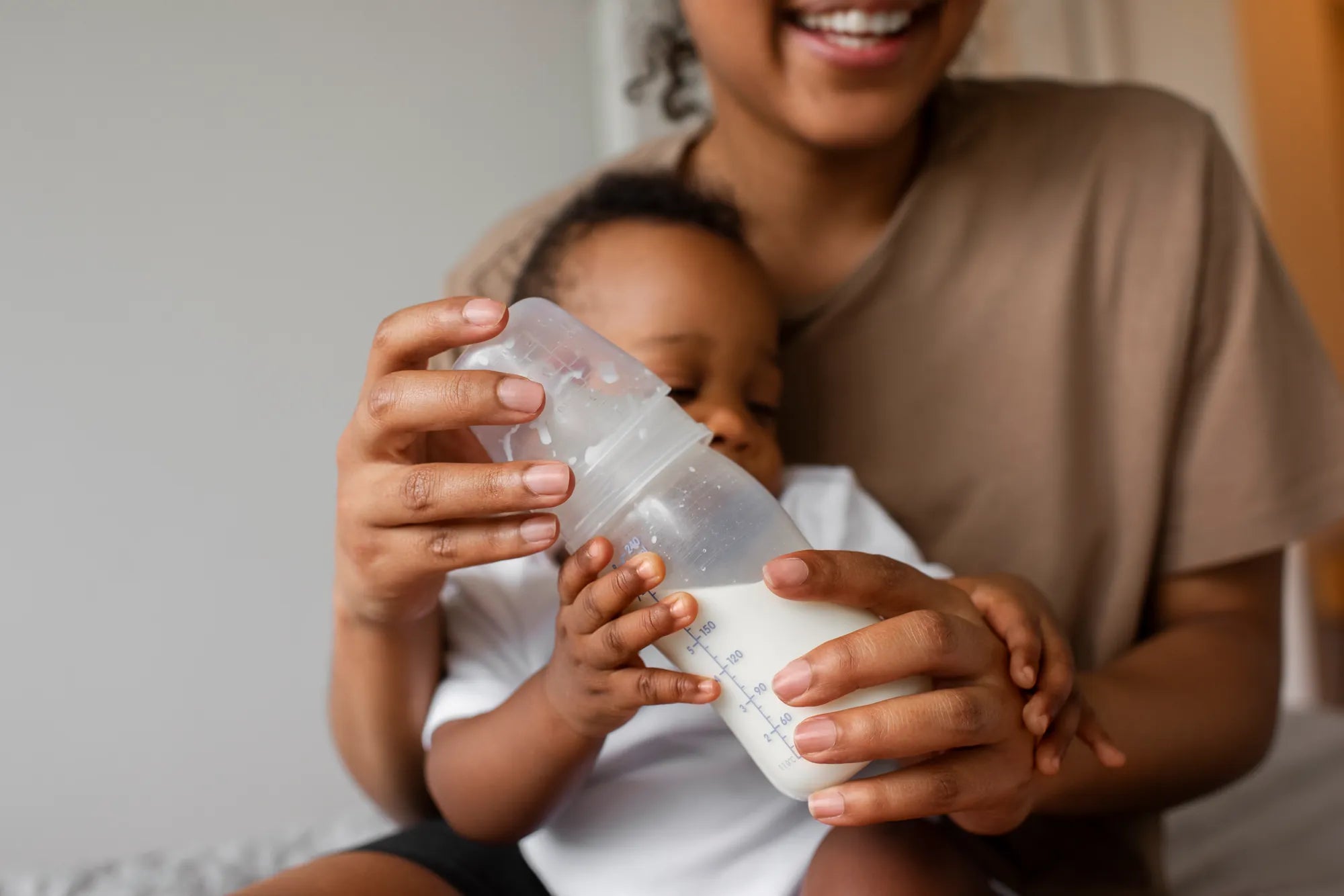
Can You Heat Pumped Breast Milk? The Complete Safety & Method Guide
Introduction: The Critical Importance of Safe Milk Handling
For parents who pump, a common and crucial question arises: can you heat pumped breast milk safely? The answer is yes, but how you do it matters immensely. Proper warming technique is not just about reaching a comfortable temperature; it's about protecting the living antibodies, delicate fats, and essential nutrients that make breast milk a unique, dynamic source of nourishment. Mishandling can degrade these precious components and even create safety hazards.
This guide provides everything you need to know, merging evidence-based lactation science with practical, step-by-step advice. At MomMed, a trusted maternal and baby care brand, we believe in supporting your entire journey. That means providing not only innovative, comfortable products like our award-winning S21 Wearable Breast Pump but also the foundational knowledge for safe milk handling from expression to feeding.
Understanding the Basics: What Happens When You Heat Breast Milk?
Breast milk is a complex, living fluid. It contains white blood cells, antibodies (like IgA), digestive enzymes, probiotics, and a perfect balance of fats, proteins, and vitamins. These components work together to protect your baby from illness and support optimal development. Heat, however, is a powerful force that can alter this delicate ecosystem.
Applying excessive or uneven heat can destroy heat-sensitive immune factors and enzymes, reducing the milk's protective qualities. It can also break down certain vitamins, like Vitamin C. Perhaps most dangerously, improper heating in a microwave or on a stovetop can create "hot spots"—pockets of scalding liquid within a bottle that feels cool to the touch, posing a serious burn risk to your baby's mouth and throat.
The Science of Nutrient Preservation
The key to safe warming is understanding which components are most vulnerable. Immunoglobulins (antibodies) and lysozyme (an antibacterial enzyme) begin to degrade at temperatures exceeding 104°F (40°C). Probiotic bacteria are also heat-sensitive. The fat layer, crucial for calorie content and brain development, can separate and stick to the sides of the container if heated too aggressively.
Therefore, the goal is gentle, gradual warming to feeding temperature, not cooking or sterilizing the milk. This process preserves the milk's biological integrity while making it palatable and comfortable for your baby to drink.
The Right Way to Warm Refrigerated or Frozen Milk
Adopting safe warming practices is a core part of your feeding routine. Whether you're using milk stored from a session with a MomMed pump or another brand, the following methods are universally recommended by lactation consultants and pediatricians.
Method 1: Warm Water Bath (The Gold Standard)
This is the most recommended and controlled method. Place the sealed milk bag or bottle (with cap on) in a bowl or cup of warm water. The water should be warm to the touch, not hot—ideally under 104°F (40°C). Let it sit for a few minutes, gently swirling the container occasionally to evenly distribute the warmth. Crucially, ensure the water level is below the bottle's rim so no water contaminates the bottle mouth or nipple.
This method is effective for both refrigerated milk (typically 5-10 minutes) and frozen milk that has already been thawed in the refrigerator (10-15 minutes). It mimics the gentle warming a baby provides during nursing.
Method 2: Using a Bottle Warmer
Dedicated bottle warmers designed for breast milk offer a convenient and consistent alternative. They are engineered to heat evenly and often have settings for different volumes. Always follow the manufacturer's instructions. The advantage is the "set it and forget it" function, which can be helpful during late-night feeds, but it's still important to check the final temperature with the wrist test before feeding.
What to Avoid: Microwaves, Boiling, and Stovetops
These methods are strongly discouraged. Microwaves heat extremely unevenly, guaranteeing dangerous hot spots and causing significant nutrient loss. Boiling breast milk or heating it directly on a stovetop is far too aggressive; it will rapidly destroy beneficial components and poses a severe scalding risk. Consider these methods off-limits for your precious liquid gold.
Key Guidelines for Temperature and Timing
Precision matters. Here is a clear, data-driven reference to guide your warming process, ensuring both safety and quality.
Safe Temperature Range for Feeding
Breast milk does not need to be served warm; some babies happily take it cold from the fridge. However, if you choose to warm it, the ideal temperature is approximately body temperature: 98.6°F (37°C). The simple "wrist test" is the best tool: after warming, shake the bottle gently (to mix separated fat) and drip a few drops on the inside of your wrist. It should feel lukewarm or neutral, not hot.
How Long Does It Take? A Quick Reference
Patience is key. Using a warm water bath, refrigerated milk (at 39°F/4°C) typically takes 5-10 minutes to reach feeding temperature. Frozen milk that has been thawed in the fridge may take 10-15 minutes. Never use hot water in an attempt to speed up the process, as it can overheat the outer layer of milk while the core remains frozen or cold.
Storage & Reheating Rules: A Must-Know Chart
Understanding the lifecycle of pumped milk is essential. The table below consolidates critical guidelines based on CDC and Academy of Breastfeeding Medicine recommendations.
| Milk State | Storage Location | Safe Duration | Reheating Rule |
|---|---|---|---|
| Freshly Expressed | Room Temp (77°F/25°C or cooler) | Up to 4 hours | Best used fresh; can be gently warmed if desired. |
| Refrigerated | Fridge (39°F/4°C or cooler) | Up to 4 days | Warm gently using approved methods. Use within 24 hrs of moving to fridge. |
| Frozen | Freezer (0°F/-18°C or cooler) | Up to 6-12 months (ideal within 6) | Thaw in fridge first, then warm gently. Never refreeze thawed milk. |
| Thawed (in Fridge) | Fridge | Up to 24 hours | Warm gently. Do not re-refrigerate after warming. |
| Warmed/Started Feeding | Room Temperature | Use within 2 hours, then discard. | Never reheat a bottle baby has fed from due to bacterial contamination. |
Special Scenarios and Common Concerns
Real-life feeding situations often come with specific questions. Addressing these nuances helps you navigate your journey with greater confidence.
Can You Reheat a Bottle Baby Didn't Finish?
No. Once a bottle has been warmed and your baby's mouth has touched the nipple, bacteria are introduced into the milk. Reheating this milk can allow bacterial growth to accelerate, posing a risk to your baby. To minimize waste, start with smaller volumes (e.g., 2-3 ounces) and prepare more if your baby is still hungry. This is where tracking patterns with a comfortable, efficient pump like the MomMed S21 can help you gauge typical intake.
Traveling and On-the-Go Warming Tips
Mobility is key for modern parents. Use an insulated cooler bag with ice packs to keep expressed milk cold while traveling. When it's time to feed, you can warm a bottle by placing it in a cup of warm water obtained from a café or using a portable bottle warmer. The hands-free design of MomMed wearable pumps allows for discreet expression on the go, making it easier to manage your supply and feeding schedule outside the home.
Dealing with Separated Milk Fat: It's Normal!
Seeing a thick, creamy layer at the top of your stored milk is completely normal and a sign of healthy fat content. After gently warming the milk, swirl the bottle gently to reintegrate the fat. Avoid vigorous shaking, as some studies suggest it may oxidize fats and break down proteins. Gentle swirling is sufficient to create a homogenous mixture.
FAQ: Quick Answers to Your Heating Questions
Q: Can I thaw frozen milk directly by heating it?
A: No. The safest way to thaw frozen breast milk is overnight in the refrigerator, under cool running water, or in a container of cold water. Once fully thawed, you can then warm it gently using the warm water bath method. Thawing with heat can cause uneven thawing and partial cooking of the milk.
Q: How do I know for sure if the milk is too hot?
A: Always, without exception, perform the wrist test. Drops of milk on your inner wrist should feel lukewarm or slightly cool, never warm or hot. Bottle warmers with temperature displays are helpful, but a physical check is the final safety step.
Q: Does warming milk help if my milk has high lipase?
A: Routine warming for feeding does not alter the taste from high lipase. If your thawed milk has a soapy or metallic smell due to high lipase activity, the preventive method is to scald freshly expressed milk before freezing. This involves heating it to just before a boil (around 180°F/82°C) to deactivate the enzyme, then rapidly cooling and freezing it. Do not do this routinely unless you've confirmed a high lipase issue.
Q: Is it safe to warm milk multiple times?
A> It is not recommended. Warm milk only once for a feeding session. Repeated warming and cooling cycles encourage bacterial growth and further degrade nutrients. If you warm a bottle and your baby doesn't take it, you can leave it at room temperature for up to 2 hours, but do not put it back in the fridge to re-warm later.
Q: Can I mix warm milk with cold milk?
A> You can, but with caution. To avoid warming the cold milk with the warm milk (which could keep it in the "danger zone" for bacterial growth too long), it's best to cool the freshly expressed/warm milk in the refrigerator first before combining it with already chilled milk. Ensure the combined milk is used within the storage time frame of the oldest milk in the batch.
Conclusion: Nourish Your Baby with Knowledge and Confidence
Mastering the art of safely heating pumped breast milk is a fundamental skill that protects your baby's health and the integrity of your hard-earned milk supply. By choosing gentle methods like the warm water bath, adhering to strict temperature and timing guidelines, and understanding how to handle special situations, you empower yourself to feed with assurance. Remember, this practice is part of a holistic feeding journey that begins with comfortable, effective expression. MomMed is here to support every step with reliable, innovative products designed for real moms' lives—from our BPA-free, hospital-grade wearable pumps to our commitment to providing clear, expert-backed information. You can provide the best nourishment with peace of mind.
Shop the MomMed collection at mommed.com for all your breastfeeding and pregnancy needs, and discover tools like the ultra-quiet, hands-free S21 Wearable Pump designed to make your journey smoother.