


Inicio
Pregnancy, Breastfeeding, and Pumping: The Ultimate Guide for Moms
Can You Add Breast Milk to Previously Pumped Milk? A Comprehensive Guide
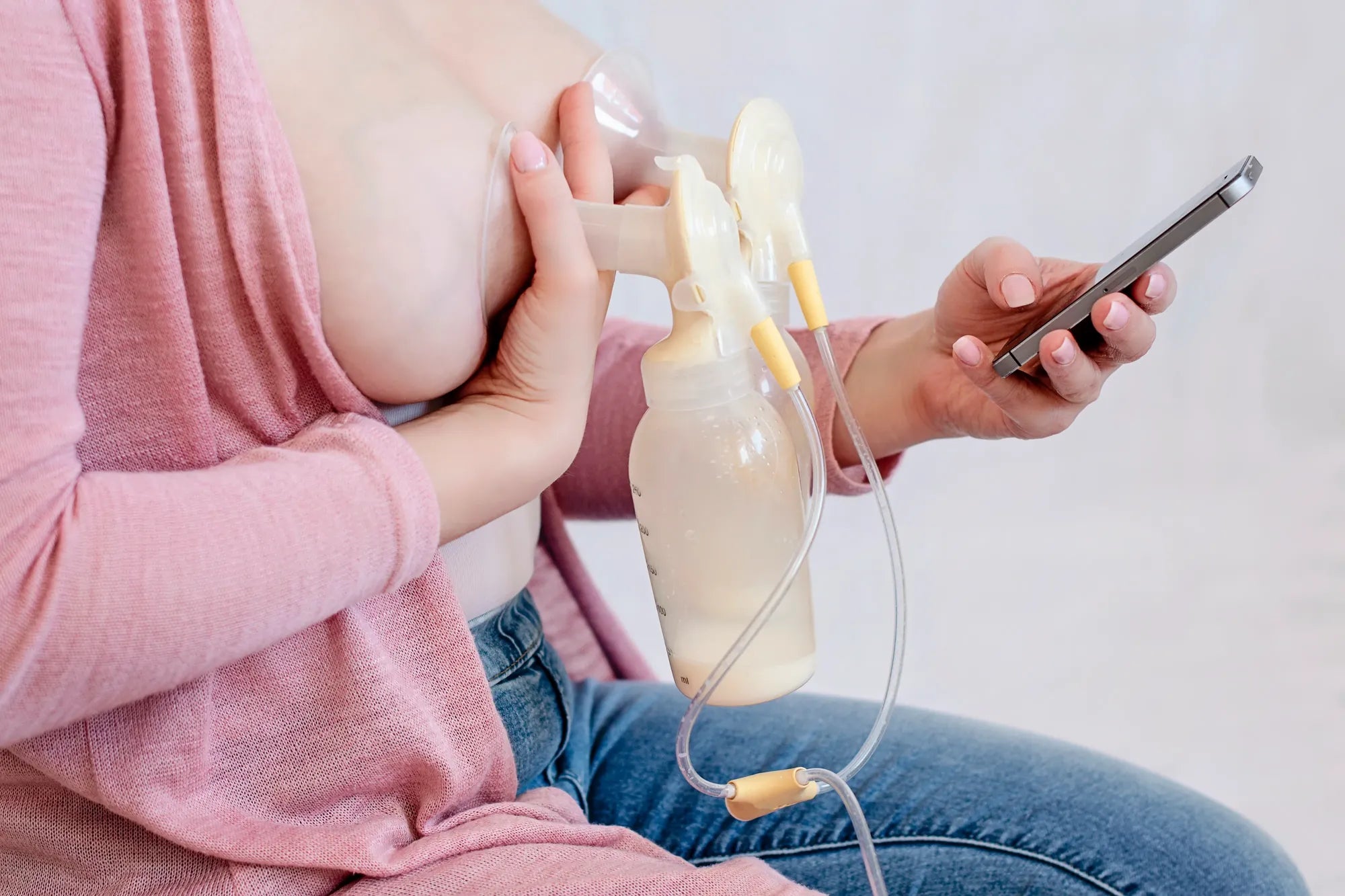
Can You Add Breast Milk to Previously Pumped Milk? A Comprehensive Guide
Introduction: The Critical Importance of Safe Milk Handling
As a breastfeeding parent, you've likely faced the logistical puzzle of managing your liquid gold. You finish a pumping session with a few fresh ounces, but you already have a bottle or bag of milk chilling from earlier in the day. The immediate question arises: Can you add breast milk to previously pumped milk? The answer is nuanced and hinges entirely on proper temperature management. This guide delivers the clear, evidence-based protocols you need to combine milk safely, ensuring your baby's health is never compromised for the sake of convenience.
Mishandling expressed breast milk can introduce harmful bacterial growth, potentially leading to infant illness. However, following established guidelines allows you to consolidate milk efficiently, reduce waste, and build a robust freezer stash with confidence. We will dissect the science, outline the golden rules from the CDC and AAP, walk through real-world scenarios, and provide actionable tips to streamline your process. Understanding these principles is fundamental to a successful and stress-free pumping journey.
This comprehensive resource is designed for the modern pumping parent. Whether you're exclusively pumping, supplementing, or building a stash for returning to work, mastering these techniques is essential. We'll cover everything from the microbiology of milk to the practicalities of using your MomMed wearable pump to maintain a safe and efficient routine. Let's begin by understanding the core science that dictates every safe handling practice.
Understanding the Science: Temperature, Bacteria, and the "Danger Zone"
Breast milk is a living substance. It contains not only perfect nutrition for your baby but also beneficial bacteria, antibodies, and live cells. Importantly, it is not sterile. This biological richness is what makes proper handling non-negotiable. The central risk when combining milk is unintentionally creating an environment where harmful bacteria can proliferate rapidly.
The key concept is the temperature "danger zone." This is the range between 40°F (4°C) and 140°F (60°C) where bacterial growth can explode. Freshly expressed milk is at body temperature, around 98.6°F (37°C), sitting squarely in this danger zone. When you add warm milk to already chilled milk, you raise the temperature of the entire batch. Even a small amount of warm milk can bring cold milk out of safe refrigeration and into the danger zone, triggering bacterial multiplication.
Conversely, milk stored at a consistent temperature below 40°F (4°C) significantly slows bacterial growth. Freezing at 0°F (-18°C) halts it almost entirely, though it doesn't kill all bacteria. The goal of all storage guidelines is to keep milk out of the danger zone as much as possible. This scientific principle forms the foundation for every safe practice discussed in this guide. Ignoring it risks contaminating your entire supply, which is why the rules are so specific.
The Golden Rules for Combining Breast Milk Safely
Health authorities like the Centers for Disease Control and Prevention (CDC) and the American Academy of Pediatrics (AAP) provide clear, research-backed guidelines for handling expressed breast milk. These are not mere suggestions; they are the standards designed to prevent foodborne illness in infants, whose immune systems are still developing. Adhering to these three golden rules will ensure your combined milk is safe for consumption.
Rule #1: Cool the New Milk First
This is the cardinal, non-negotiable rule. Always cool freshly expressed milk in the refrigerator before adding it to other refrigerated milk. Do not pour warm milk directly into a container of cold milk. Place your fresh milk in a clean bottle or storage bag and allow it to chill for at least 30 to 60 minutes. This brings it down to a safe refrigerator temperature, minimizing the thermal shock to the existing stash. Using a pump like the MomMed S21 with its collection cups allows you to cap and place the entire container directly in the fridge, simplifying this cooling step.
Rule #2: Combine Milk of the Same Temperature
You should only mix milk that is at the same temperature. This means cold with cold, or frozen with frozen. The safest practice is to add chilled milk to other chilled milk. When it comes to frozen milk, the general recommendation is to avoid adding liquid milk to an already frozen bag, as this can cause partial thawing and refreezing, which degrades quality. Instead, build a batch in the fridge over 24 hours (following Rule #1 for each addition) and then freeze it all at once as a single, consolidated unit.
Rule #3: Follow the "First-In, First-Out" Principle
When you combine milk from different pumping sessions, the storage clock for the entire batch resets to the date and time of the *oldest* milk used. This is critical for tracking shelf life. For example, if you add milk pumped on Tuesday to milk pumped on Monday, the entire combined bottle should be used within the storage window based on Monday's pump date. Always label your container with the date of the oldest milk to avoid confusion. This principle applies to both refrigerator and freezer storage timelines.
Practical Scenarios and Step-by-Step Instructions
Let's translate the golden rules into everyday action. These step-by-step walkthroughs for common situations will help you build muscle memory for safe milk handling. Visualizing the "Do" and "Don't" scenarios cements the principles and builds your confidence as a pumping parent.
Scenario A: Adding Your Morning Pump to Yesterday's Refrigerated Milk
The Correct Method: After your morning session with your MomMed pump, pour the fresh milk into a clean bottle or storage bag. Seal it and place it in the back of the refrigerator, where temperatures are coldest and most stable. Set a timer for 60 minutes. Once thoroughly chilled, you can safely pour this new milk into the container holding yesterday's milk. Immediately label the combined container with the older date (yesterday's date). Use this milk within the refrigerator storage timeline based on that older date.
The Common Mistake: The instinct is to pour the warm milk directly into the cold bottle to save time and a dish. This is risky. Even if the cold milk feels very cold, the warm addition can create a pocket of lukewarm temperature in the center of the batch, creating a perfect breeding ground for bacteria that could then spread.
Scenario B: Building a Bag for the Freezer Stash
The Correct Method: Designate a clean, BPA-free storage bag or bottle in your refrigerator as your "freezer batch collector." After each pumping session, cool the fresh milk as per Rule #1. Once chilled, add it to this collector container. You can continue adding cooled milk from multiple sessions throughout a 24-hour period. At the end of the day, or once you have a desired volume (e.g., 4-6 ounces), pour the combined, cold milk into a freezer bag, label it with the date of the *oldest* milk in the batch, remove excess air, seal, and freeze it flat.
The Critical Don't: Never add warm or even cool (but not fully chilled) milk directly to a bag that is already in the freezer. This will cause the frozen milk at the edges to partially thaw and then refreeze, a process that can damage the milk's cellular structure and fat content, potentially leading to increased rancidity.
Scenario C: What to Do If You Make a Mistake
It happens to the best of us. You're exhausted, distracted, and you accidentally pour 2 ounces of warm milk into a bottle containing 3 ounces of cold milk from earlier. Do not panic, but do not ignore it. The safest course of action is to treat the entire 5-ounce batch as if it were freshly expressed. Mark it clearly, and plan to use it for your baby's next feeding, ideally within 2-4 hours. If not used within that shortened window, it's safest to discard it. When in doubt, err on the side of caution. Your baby's safety is worth the lost ounces.
Breast Milk Storage Guidelines: A Quick-Reference Table
This table consolidates the official storage recommendations from the CDC and AAP. These timelines assume optimal hygiene during expression and storage in clean, sealed containers. Remember, when milk is combined, the timeline is based on the oldest milk in the batch.
| Storage Location | Temperature | Recommended Time | Notes for Combined Milk |
|---|---|---|---|
| Room Temperature | Up to 77°F (25°C) | Up to 4 hours | Ideal for fresh milk before combining. Do not combine warm milk and leave at room temp. |
| Insulated Cooler | With ice packs | Up to 24 hours | Milk must be chilled before adding to cooler. Keep cooler closed. |
| Refrigerator | 40°F (4°C) or below | Up to 4 days | Best for combining. Always cool new milk first. Label with oldest date. |
| Freezer (inside fridge) | Varies, usually 5-10°F (-15 to -12°C) | 2 weeks | Not ideal for long-term storage due to temperature fluctuations. |
| Standalone Freezer | 0°F (-18°C) or below | 6-12 months (optimal within 6) | Freeze combined batches built in the fridge. Thawed milk cannot be refrozen. |
MomMed Tips for Efficient and Hygienic Pumping
Following safety protocols is easier when your pumping gear supports a clean, consistent routine. As a trusted brand in maternal care, MomMed designs products that align with these best practices, helping you focus on your baby rather than complicated logistics.
Establishing a Consistent Pumping Routine
Regular pumping sessions not only help maintain supply but also create predictable windows for milk handling. Using a comfortable, efficient, and portable pump like the MomMed S21 Double Wearable Breast Pump makes it easier to stick to a schedule, whether you're at home, work, or on the go. The ability to pump discreetly means you're less likely to skip sessions, resulting in a more steady flow of milk to manage. Consistent volumes make it simpler to plan when to combine and freeze batches.
Prioritizing Hygiene from Expression to Storage
Safety starts with clean equipment. Always ensure your pump parts, especially flanges and valves, are washed thoroughly after each use. MomMed pumps use BPA-free, food-grade silicone and plastic that are easy to clean and safe for your milk. Have a dedicated set of bottles or storage bags for collection. When using a wearable pump, ensure the collection cups are sealed properly before placing them in a cooling bag or refrigerator. This closed-system design helps prevent contamination during temporary storage.
Optimizing Your Setup for the "Cool First" Rule
The MomMed S12 and S21 pumps, with their all-in-one collection cups, are uniquely suited for the "cool first" protocol. After pumping, you can simply cap the cups and place them directly in the refrigerator. This eliminates the need to transfer warm milk to another container, reducing spill risk and saving time. The milk chills safely in the same vessel it was expressed into. Later, you can combine the chilled milk from multiple cups into a single storage container, following the labeling rules.
FAQ: Your Top Questions on Mixing Breast Milk, Answered
Q: Can I add milk from the same day but different pumping sessions?
A: Yes, absolutely. This is a very common and efficient practice. The key is to cool each new session's milk in the refrigerator first before adding it to the "day's collection" container. The entire batch will then follow the storage timeline based on the date and time of your first pump of that day.
Q: Does mixing milk from different days affect its nutritional value?
A: No. The nutritional and immunological composition of your milk is tailored to your baby's needs and changes over time, but combining milk does not "dilute" or negate these benefits. The milk retains the properties from when it was expressed. The primary concern is always bacterial safety, not nutritional degradation from mixing.
Q: What if the combined milk separates or smells soapy?
A: Separation into a fatty layer and a watery layer is completely normal; simply swirl gently to mix. A soapy or metallic smell is often due to high lipase activity, an enzyme that breaks down fats. This milk is still safe and nutritious, though some babies may refuse it. If you suspect high lipase, you can scald freshly expressed milk before cooling and storing to deactivate the enzyme.
Q: Can I combine milk pumped from left and right breasts?
A: Yes. Milk from both breasts is safe to combine, following the same temperature rules. Many parents find this the most practical way to create full feeding bottles.
Q: Can I add refrigerated milk to a bottle of frozen milk to top it off?
A: It is not recommended. Adding liquid to a frozen mass will cause partial thawing. It's better to freeze the refrigerated milk separately in a small bag and then combine the two frozen bags in a larger container if desired, or thaw both separately and combine when both are liquid and chilled.
Conclusion: Empower Your Feeding Journey with Knowledge
So, can you add breast milk to previously pumped milk? The definitive answer is yes—provided you always cool the new milk first and combine only liquids of the same temperature. By internalizing the three golden rules—Cool It First, Match Temperatures, and Follow the Oldest Milk Date—you transform milk management from a source of anxiety into a simple, routine part of your day. This knowledge empowers you to build a freezer stash efficiently, reduce waste, and feed your baby with unwavering confidence in the safety of every bottle.
Your commitment to providing breast milk is a tremendous gift. Equip yourself with tools that make the process safer and simpler. A reliable pump, clean storage systems, and these evidence-based guidelines are your foundation. Trust in the process, listen to your body and your baby, and know that mastering these details grants you peace of mind, allowing you to savor the bonding moments that matter most.
Shop the MomMed collection at mommed.com for all your breastfeeding and pregnancy needs, from our award-winning S21 Wearable Pump to safe storage bags and comfortable nursing bras, designed to support you at every stage of your journey.