


Inicio
Pregnancy, Breastfeeding, and Pumping: The Ultimate Guide for Moms
Can Pumped Breast Milk Be Combined? A Comprehensive Guide for Nursing Moms
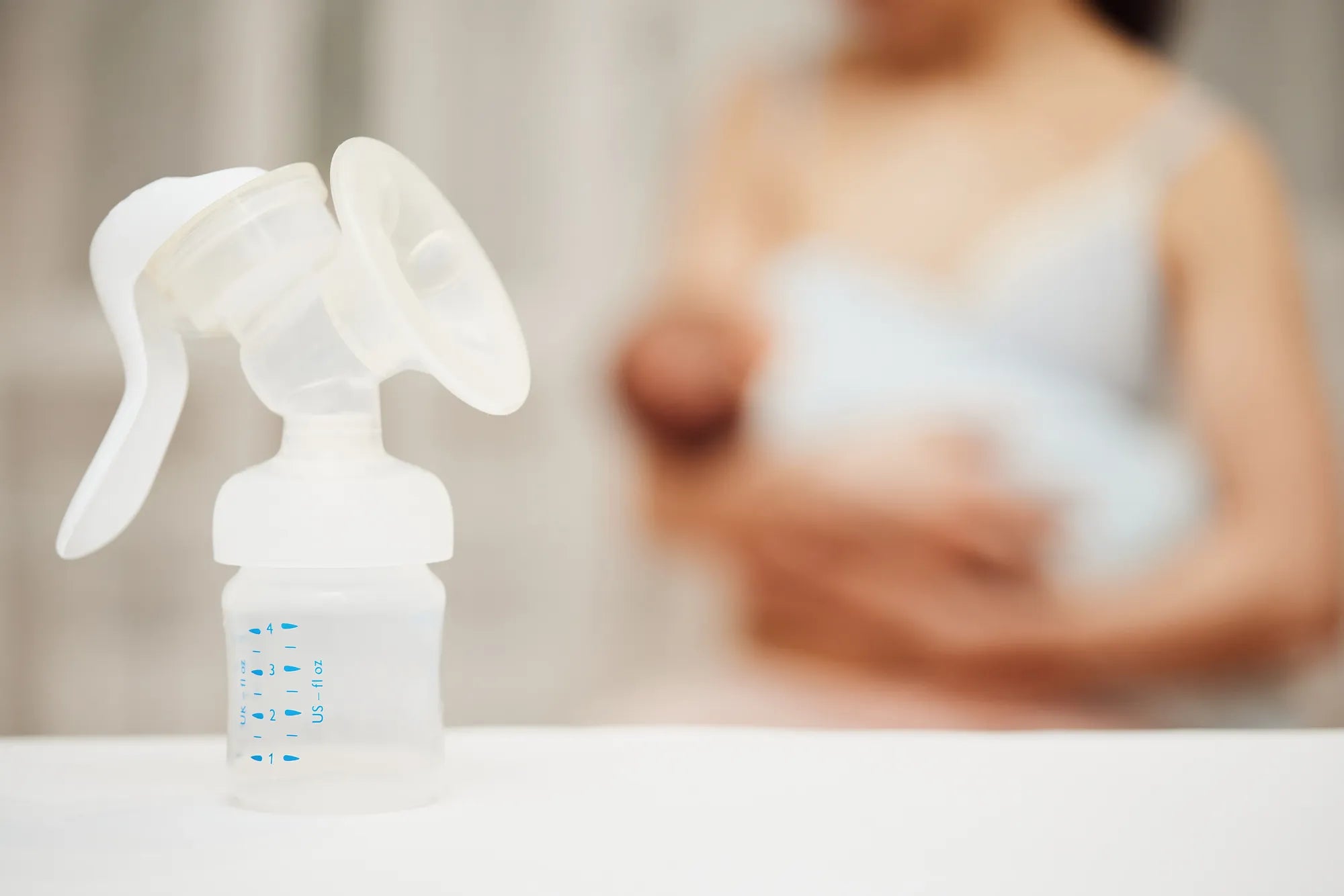
Can Pumped Breast Milk Be Combined? A Comprehensive Guide for Nursing Moms
Managing a pumped breast milk supply presents practical daily questions, none more common than whether milk from different pumping sessions can be safely combined. This comprehensive guide provides a clear, evidence-based answer: yes, with critical safety protocols. We will detail the exact methods endorsed by health authorities, explain the science behind the guidelines, and offer practical solutions to streamline your feeding routine, reduce waste, and build confidence. As a trusted maternal and baby care brand, MomMed specializes in wearable breast pumps, pregnancy tests, and feeding gear designed to support every step of this journey with reliable, comfortable, and innovative products.
Understanding the Basics: Is It Safe to Combine Breast Milk?
The short answer is a resounding yes, combining pumped breast milk is generally safe and is a standard practice recommended for managing a milk supply. The key is adhering to specific safety guidelines centered on temperature control and hygiene. Authoritative bodies like the Centers for Disease Control and Prevention (CDC) and the Academy of Breastfeeding Medicine provide clear protocols that, when followed, make this practice both safe and highly practical for nursing parents.
This practice allows you to pool smaller quantities of milk to create a full feeding, minimizing waste and simplifying bottle preparation. It is particularly valuable for parents who pump frequently, such as those returning to work or building a freezer stash. The core principle is straightforward: combine milk of the same temperature to prevent bacterial growth and preserve the milk's immunological properties.
Understanding the "why" behind the safety rules empowers you to apply them correctly in various scenarios. Breast milk is not sterile; it contains beneficial bacteria and live cells. Improper handling can allow harmful bacteria to multiply. The guidelines are designed to keep your baby safe while making the most of your liquid gold. With the right knowledge and tools, like MomMed's BPA-free collection systems, you can combine milk with complete confidence.
The Golden Rule: Temperature Matters Most
The cardinal rule for combining breast milk is temperature homogeneity. You should only combine chilled or cold milk. Never add warm, freshly expressed milk to a bottle or bag of already refrigerated or frozen milk.
Adding warm milk (body temperature, around 98.6°F) to cold milk (refrigerator temperature, around 40°F) can raise the temperature of the entire batch into the "danger zone" (between 40°F and 140°F), where bacteria can multiply rapidly. This compromises the safety and shelf life of the previously cooled milk.
The safe method is to cool the freshly pumped milk first. Place it in a clean, sealed container in the back of the refrigerator for at least 1-2 hours until it is thoroughly chilled to the same temperature as your stored milk. Once both portions are equally cold, they can be gently combined. This rule applies universally, whether you are combining milk from the same day or different days.
Step-by-Step Guide: How to Safely Combine Pumped Milk
Follow this actionable, step-by-step checklist to ensure you combine your pumped breast milk safely every time. This protocol minimizes risks and maximizes the usability of your valuable milk.
Step 1: Label and Date Your First Batch
Accurate labeling is non-negotiable. Every container of expressed milk should be labeled with the date and time of the *first* milk expressed that went into that batch. The storage countdown clock begins with the oldest milk in the combination.
Use waterproof labels or directly write on BPA-free storage bags. Include the volume if desired. For example, if you pump at 9 a.m. and store 2 ounces, then add cooled milk from a 1 p.m. session, the container should still be labeled with the 9 a.m. date. The combined milk must be used within the safe storage timeframe based on that 9 a.m. start time.
Step 2: Cool Fresh Milk Before Combining
Immediately after pumping, seal the fresh milk in a clean container. For optimal safety with MomMed pumps, express directly into the compatible, pre-sterilized collection bottles. Place this container in the refrigerator promptly; do not leave it at room temperature to cool.
Allow the new milk to chill completely, which typically takes 1-2 hours in a refrigerator set at 40°F or below. You can place it in the coolest part of the fridge (usually the back, not the door) to speed the process. The milk is ready to combine when it feels as cold as the existing refrigerated batch to the touch.
Step 3: Gently Combine in a Larger Container
Once the new milk is chilled, you can combine it with the older batch. Pour the newer milk into the container holding the older milk. This order helps ensure you use the oldest milk first.
Swirl the container gently to mix. Avoid vigorous shaking, as some research suggests aggressive motion could potentially break down some of milk's beneficial proteins and bioactive components, though the primary concern is incorporating the fat that separates when stored.
Step 4: Store Properly After Combining
After combining, immediately return the milk to the refrigerator or freezer. Adhere to standard storage guidelines based on the date of the *oldest* milk in the mix. For refrigeration, use within 4 days is ideal. For freezing, milk is best used within 6 months, though up to 12 months is acceptable for home freezers.
If freezing, leave some room at the top of the storage bag or bottle for expansion. Lay bags flat to freeze for easier stacking and quicker thawing. Always practice the "first in, first out" method, using your oldest stored milk first.
Special Considerations and Best Practices
Beyond the basic steps, several nuanced situations and best practices can optimize your milk management strategy and address common concerns.
Combining Milk from Different Days
It is perfectly acceptable to combine milk expressed on different days, provided you follow the temperature rule. The storage deadline for the combined batch is always determined by the date of the *oldest* milk.
For example, if you have milk from Monday and add chilled milk from Tuesday, the entire batch should be used based on Monday's storage timeline. This practice is excellent for creating full feedings from smaller amounts accumulated over time. It is a cornerstone of building a freezer stash efficiently.
Handling Foremilk and Hindmilk
Breast milk naturally separates into foremilk (more watery, higher in lactose) and hindmilk (creamier, higher in fat) during a feeding or pumping session. When you combine milk from different times, you are also blending these components, which can be beneficial, creating a balanced nutritional profile for your baby.
If you notice significant fat separation in stored milk, gently swirl the container to reintegrate the layers before combining or feeding. Avoid shaking. For babies with specific needs, such as those requiring higher fat intake, a lactation consultant can provide personalized advice on feeding strategies that may involve feeding from one breast per session or other techniques.
Maximizing Freshness with the Right Gear
The process of collecting, cooling, combining, and storing milk is streamlined with purpose-designed equipment. MomMed's ecosystem of products supports this entire workflow. Their wearable breast pumps, like the S21 Double Wearable, allow for efficient, hands-free expression directly into sealed, BPA-free containers.
These containers can go straight into the fridge to chill. MomMed's compatible milk storage bags and bottles are designed for easy labeling, stacking, and freezing, making the combine-and-store process seamless. Using a closed-system pump like MomMed's ensures milk flows through food-grade silicone pathways without risk of backflow into the motor, maintaining hygiene from expression to storage.
Why a Reliable Pump Makes All the Difference
Effective milk management starts with efficient and comfortable expression. A high-quality, reliable breast pump is not just a tool; it's a partner in your breastfeeding journey, directly impacting your supply and your ability to implement practices like combining milk successfully.
Inconsistent or inefficient pumping can lead to variable output, making it harder to accumulate volumes suitable for combining. Discomfort can discourage regular pumping sessions. Investing in a pump that works with your body and lifestyle is foundational to maintaining a robust milk supply.
Efficiency for Consistent Sessions
MomMed's wearable pumps, such as the award-winning S21 model, are engineered for efficiency. Their hands-free, discreet design allows you to pump comfortably while engaging in other activities, making it easier to stick to a regular pumping schedule. Consistent, frequent milk removal is the primary driver of milk production.
Features like adjustable suction patterns (simulating a baby's initial fast sucks and deeper nutritive sucks) and multiple cycle settings help stimulate let-downs effectively and drain breasts thoroughly. Efficient emptying signals your body to produce more milk, leading to more predictable volumes that are easier to plan, combine, and store.
Confidence in Quality and Safety
From the first drop to the final feeding, confidence in your equipment is paramount. All MomMed breast pumps and accessories are constructed from BPA-free, food-grade silicone and plastics that meet stringent safety standards. This ensures no harmful chemicals leach into your milk.
The closed-system design prevents milk from entering the pump's tubing or motor, a critical feature for hygiene and preventing mold growth. This hospital-grade approach to design gives you peace of mind, knowing that the milk you carefully combine and store was collected in the cleanest, safest manner possible.
Breast Milk Storage Guidelines: A Quick Reference Table
This table consolidates key storage timelines from the CDC and La Leche League International, providing an at-a-glance reference for handling milk before and after combining.
| Storage Location | Temperature | Recommended Duration | Notes for Combined Milk |
|---|---|---|---|
| Room Temperature | Up to 77°F (25°C) | Up to 4 hours | Ideal for fresh milk before cooling. Do not combine at this stage. |
| Refrigerator | 40°F (4°C) or below | Up to 4 days | Best practice. Combine only chilled milk here. Use by date of oldest milk. |
| Freezer (Compartment inside refrigerator) | Varies | 2 weeks | Not ideal for long-term storage due to temperature fluctuations. |
| Freezer (Separate door) | 0°F (-18°C) or below | 6-12 months (6 is ideal) | Optimal for long-term stash. Thaw in fridge; use within 24 hours. |
| Deep Freezer | -4°F (-20°C) or below | 12 months | Best for longest storage. Thawed milk cannot be refrozen. |
Frequently Asked Questions (FAQs)
Q: Can I combine milk pumped from left and right breasts?
A: Yes, absolutely. Milk from both breasts can and should be combined following the same temperature guidelines. There is no biological difference that prevents combining milk from different breasts. This is the most common way to create a full feeding bottle.
Q: What if I accidentally added warm milk to cold milk?
A: Safety first. If the amount of warm milk was very small (e.g., a half-ounce), the risk is lower, but if it was a significant volume, consider the entire batch potentially compromised. The safest course is to use that combined batch within 24 hours. Do not refreeze it. If you realize the error immediately, you could use it for the very next feeding.
Q: How much milk should I combine in one container?
A: A best practice is to combine amounts you are likely to use in one feeding—typically 3 to 5 ounces for most infants. This minimizes waste if your baby doesn't finish the bottle, as leftover milk from a feeding should be used within 2 hours. For freezing, you can combine to fill a storage bag (often 4-6 oz), which provides a ready-to-thaw meal.
Q: Can I combine thawed frozen milk with fresh milk?
A: It is generally not recommended. Once frozen milk is thawed in the refrigerator, it should be used within 24 hours. Adding fresh milk to it complicates the timeline, as the fresh milk's clock would be shortened dramatically. It's safer to feed them separately: use the thawed milk first, then offer fresh milk if needed.
Q: Does combining milk affect its nutritional value?
A: No, when done correctly, combining milk does not degrade its nutritional or immunological value. The key protective components like antibodies, living cells, and enzymes remain intact through proper chilling and gentle handling. Combining may actually create a nutritionally balanced bottle by blending foremilk and hindmilk from different sessions.
Empowering Your Feeding Journey with Knowledge and the Right Tools
Mastering the safe practice of combining pumped breast milk is a powerful skill that offers flexibility, reduces stress, and honors the effort behind every drop. The principles are clear: cool first, combine gently, label accurately, and always follow the timeline of the oldest milk. This knowledge transforms the logistical challenge of milk management into a streamlined, confident routine.
Your journey is supported by innovation designed to meet your real-world needs. MomMed is committed to providing reliable, comfortable, and intuitive solutions—from the discreet power of the S21 Wearable Pump for efficient expression to the safe, simple storage system for your collected milk. Trust in evidence-based guidelines and equip yourself with tools that empower rather than complicate.
You have the knowledge to manage your milk supply wisely. Now, equip yourself with the tools that make it effortless. Shop the MomMed collection at mommed.com for all your breastfeeding and pregnancy needs, and feed with confidence at every stage.