


Inicio
Pregnancy, Breastfeeding, and Pumping: The Ultimate Guide for Moms
Can I Use a Breast Pump Before Giving Birth? Exploring the Facts
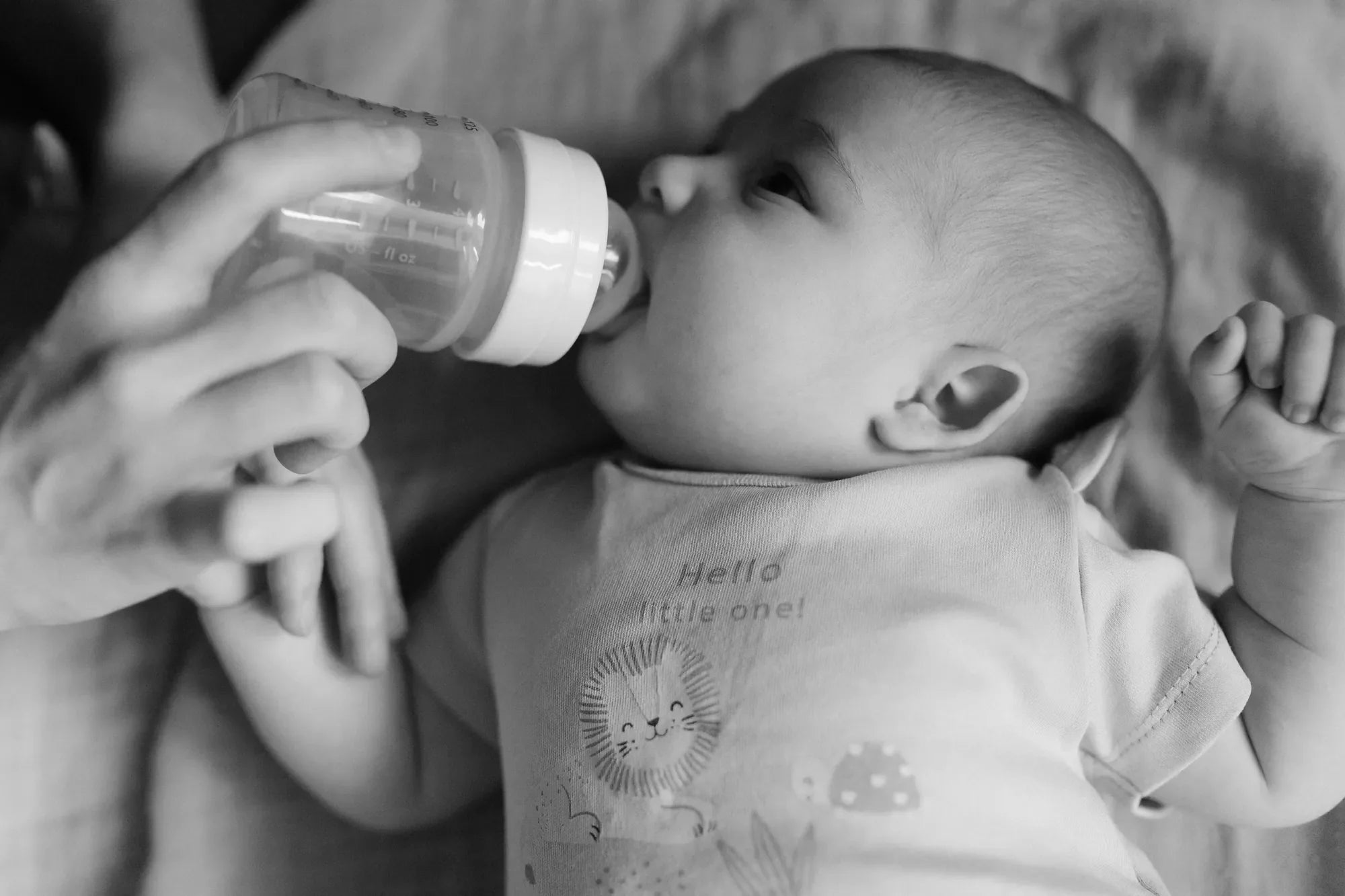
Can I Use a Breast Pump Before Giving Birth? Exploring the Facts
Many expectant mothers wonder, Can I use a breast pump before giving birth? This question often arises as women seek to prepare for breastfeeding and ensure their baby receives the best start in life. While breastfeeding is a natural process, it can come with challenges, and some mothers explore using a breast pump prenatally to stimulate milk production or address specific concerns. This article delves into the safety, benefits, and considerations of using a breast pump before delivery.
Understanding Breast Pumping Before Birth
Breast pumping before giving birth, also known as antenatal expression, involves using a breast pump to stimulate the breasts and collect colostrum, the nutrient-rich first milk produced during pregnancy. While this practice is not common for all mothers, it may be recommended in certain situations, such as for women with diabetes, those expecting multiples, or those who have had difficulty breastfeeding in the past.
Potential Benefits of Prenatal Breast Pumping
There are several potential benefits to using a breast pump before giving birth. These include:
- Stimulating Milk Production: Pumping can help initiate milk production and increase the likelihood of a steady milk supply after delivery.
- Collecting Colostrum: Colostrum is packed with essential nutrients and antibodies that support a newborn's immune system. Collecting it prenatally ensures it is available immediately after birth.
- Building Confidence: Familiarizing yourself with a breast pump before delivery can make the transition to breastfeeding smoother and less stressful.
Risks and Considerations
While there are potential benefits, using a breast pump before giving birth is not without risks. It is essential to consult with a healthcare provider before starting this practice. Some considerations include:
- Premature Labor: Nipple stimulation can trigger uterine contractions, which may increase the risk of preterm labor in some cases.
- Overstimulation: Excessive pumping can lead to soreness or damage to the nipples, making breastfeeding uncomfortable after delivery.
- Medical Conditions: Women with certain medical conditions, such as placenta previa or a history of preterm labor, should avoid prenatal pumping.
Expert Recommendations
Healthcare professionals emphasize the importance of individualized care when considering prenatal breast pumping. While some women may benefit from this practice, it is not universally recommended. Experts suggest:
- Consulting with a lactation consultant or healthcare provider to assess whether prenatal pumping is appropriate for your situation.
- Starting slowly and monitoring for any adverse effects, such as contractions or discomfort.
- Focusing on other breastfeeding preparation methods, such as attending classes or learning proper latching techniques.
Alternatives to Prenatal Breast Pumping
For mothers who are not candidates for prenatal breast pumping, there are other ways to prepare for breastfeeding. These include:
- Education: Taking breastfeeding classes or reading reputable resources can build knowledge and confidence.
- Support Systems: Connecting with lactation consultants, support groups, or experienced mothers can provide valuable guidance.
- Healthy Lifestyle: Maintaining a balanced diet, staying hydrated, and managing stress can support milk production after delivery.
Ultimately, the decision to use a breast pump before giving birth is a personal one that should be made in consultation with a healthcare provider. By weighing the potential benefits and risks, expectant mothers can make informed choices that support their breastfeeding journey and their baby's health.
Are you considering using a breast pump before giving birth? Understanding the facts and seeking professional advice can help you make the best decision for you and your baby. Start your breastfeeding journey with confidence and peace of mind.
Compartir