


Inicio
Pregnancy, Breastfeeding, and Pumping: The Ultimate Guide for Moms
Can I Exclusively Pump Breast Milk? A Comprehensive Guide to EP
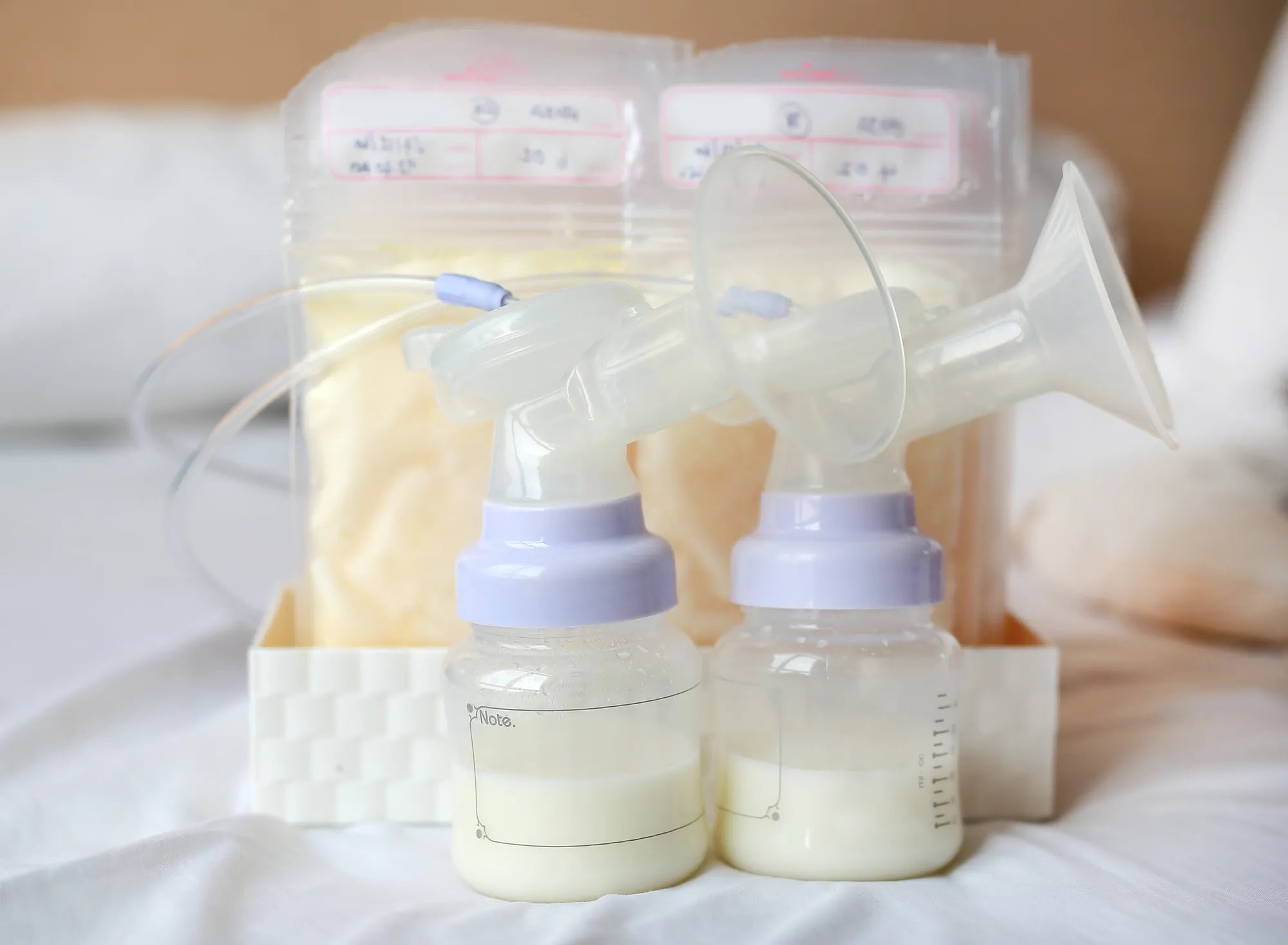
Can I Exclusively Pump Breast Milk? A Comprehensive Guide to EP
Introduction: Redefining the Breastfeeding Journey
For many new parents, the question arises: Can I exclusively pump breast milk? The answer is a resounding yes. Exclusive pumping (EP)—providing breast milk to your baby solely via a pump and bottle—is a legitimate, effective, and increasingly common feeding method. This comprehensive guide moves beyond simple yes-or-no answers to provide a detailed, evidence-based roadmap for anyone considering or navigating an EP journey.
We will explore the physiological feasibility of building a full milk supply with a pump, the practical toolkit required for success, and the strategies to maintain both your supply and your sanity. Whether due to latch challenges, returning to work, personal preference, or medical needs, choosing to exclusively pump is a valid and powerful way to nourish your child with breast milk.
What is Exclusive Pumping and Why Do Moms Choose It?
Exclusive pumping is the practice of expressing breast milk with a pump and feeding it to your baby via a bottle, without direct breastfeeding at the breast. It differs from combination feeding, where both breast and bottle are used, and from direct breastfeeding. This path is chosen for a multitude of valid and often overlapping reasons.
Many mothers turn to EP due to infant factors. These can include prematurity, where the baby is in the NICU; significant latch difficulties or oral anomalies like tongue-tie; or a baby who simply prefers the bottle. Maternal factors are equally common, such as painful nursing due to recurrent mastitis or severe nipple damage, the need for medication that requires pumping and dumping, or a desire for more measurable intake and shared feeding responsibilities with a partner.
Lifestyle and personal choice also play a significant role. Mothers returning to demanding workplaces may find EP offers more predictability and control over their milk supply. Some mothers choose EP from the outset because it aligns better with their comfort level, mental health, or family dynamics, allowing others to participate meaningfully in feeding.
Ultimately, the decision is deeply personal. Exclusive pumping is not a "second-best" option but a primary, intentional feeding method that requires dedication, specific knowledge, and the right equipment to be successful and sustainable.
The Feasibility of Exclusive Pumping: What Science and Experience Say
From a physiological standpoint, exclusive pumping is entirely feasible. Milk production operates on a strict supply-and-demand principle. The frequent and effective removal of milk—whether by a baby or a pump—is the primary signal for your body to produce more. A high-quality, efficient breast pump can effectively mimic a baby's suckling to establish and maintain a robust milk supply.
Research and extensive anecdotal evidence from thousands of EP mothers confirm that babies fed exclusively with pumped breast milk receive the same nutritional, immunological, and developmental benefits as those who nurse directly. The composition of the milk, including antibodies, fats, and proteins, remains specific to your baby's needs.
A common concern is bonding. It's crucial to understand that feeding is only one avenue for connection. Skin-to-skin contact during bottle feeding, making eye contact, and engaging in responsive feeding practices foster deep bonds. The act of providing your milk, regardless of the delivery method, is an immense act of love and dedication.
Success in exclusive pumping hinges on consistency, effective equipment, and support. It is a learned skill for both parent and baby, but the biological mechanism fully supports it. With the correct approach, you can absolutely provide 100% of your baby's breast milk needs through pumping.
Getting Started: Your Essential Exclusive Pumping Toolkit
Embarking on an EP journey requires more than just a pump. A well-curated toolkit is essential for efficiency, comfort, and long-term success. This setup will become your logistical command center for the coming months.
At the core is, of course, a reliable breast pump. You will also need a hands-free pumping bra—non-negotiable for double pumping and regaining the use of your hands. For milk storage, invest in high-quality breast milk storage bags or bottles designed for freezing. You'll need a sufficient supply of bottles and nipples for daily feeds, and a dedicated system for cleaning pump parts: a basin, brush, and access to soap and hot water or a sanitizer.
Creating a comfortable "pumping station" is a game-changer. Stock a comfortable chair with pillows, a side table for water and snacks, your phone charger, and entertainment. Hydration and nutrition are fuel for milk production; keep a large water bottle and healthy snacks within easy reach at all times.
Finally, your toolkit must include intangible resources: a supportive partner, family, or friend; access to a lactation consultant (IBCLC) experienced with EP; and connections to online communities of exclusive pumping mothers. This support network is invaluable for troubleshooting and encouragement.
Choosing the Right Breast Pump for Your EP Journey
Your pump is your most critical piece of equipment. For exclusive pumping, a hospital-grade or high-performance personal double electric pump is typically recommended due to the frequent, long-term use. Single pumping is inefficient for EP, as it doubles your pumping time.
The advent of wearable, hands-free breast pumps has revolutionized exclusive pumping. These compact, cordless devices fit inside your bra, allowing you to move freely, care for your baby, work, or even leave the house while pumping. This mobility is crucial for maintaining normalcy and consistency in your demanding schedule.
When selecting a pump, prioritize key features: adjustable suction levels and cycle speeds to mimic a baby's pattern and find your body's ideal settings; comfort-focused flanges; quiet motor operation; and battery life that supports multiple sessions. As a trusted maternal care brand specializing in innovative feeding solutions, MomMed designs pumps with these exact needs in mind.
For instance, the award-winning MomMed S21 Double Wearable Breast Pump is engineered for the exclusive pumper. It features a powerful yet quiet motor with multiple modes and intensities, all controlled via a sleek remote. Its BPA-free, food-grade silicone components ensure baby's safety, and its discreet, cordless design empowers moms to pump anywhere—turning what was once a stationary chore into a manageable part of the daily routine. Choosing a pump like this that aligns with your lifestyle is a foundational step toward EP success.
Building and Maintaining Your Milk Supply Through Pumping
Establishing a full milk supply with a pump requires mimicking the pattern of a newborn in the critical early weeks. From day one, aim to pump 8-12 times per 24 hours, including at least once at night when prolactin levels are highest. Each session should last 15-20 minutes, or for 2-5 minutes after the last drops of milk flow.
Consistency is more important than volume in the beginning. You are programming your body's factory settings. Use a double electric pump to save time and stimulate both breasts simultaneously, which can also boost prolactin release. Implement hands-on pumping techniques: gentle breast massage before and during pumping, and breast compression while pumping to help drain ducts more fully.
If supply is a concern, "power pumping" can be an effective strategy. This involves mimicking a cluster-feeding pattern: pump for 20 minutes, rest for 10, pump for 10, rest for 10, pump for 10. Do this once a day for several days. Equally vital is self-care: drinking to thirst, eating nutritious meals, and trying to rest when possible. Stress is a known inhibitor of the let-down reflex.
A perfect flange fit is non-negotiable. Flanges that are too large or too small can reduce output and cause pain. Your nipple should move freely without rubbing, and only a small portion of the areola should be drawn in. Many pump brands, including MomMed, offer multiple flange size options to ensure a comfortable, effective fit.
Navigating the Challenges: Practical Solutions for EP Moms
Exclusive pumping is a marathon, not a sprint, and it comes with unique hurdles. The time commitment is significant. Solution: Integrate pumping into existing routines (e.g., during your morning coffee, while watching TV, on your commute with a wearable pump). Set a timer and stick to it to avoid "one more minute" creep.
The endless cycle of washing parts is a major pain point. Streamline by having multiple sets of flanges and bottles. Refrigerate pump parts in a sealed bag between sessions during the day (the CDC states this is safe for up to 24 hours for home use with healthy, full-term babies), washing them all at once. A dedicated basin and brush save kitchen sink confusion.
Logistical challenges like leaving the house or returning to work require planning. Keep a fully stocked "on-the-go" pump bag with spare parts, batteries, a cooler, and ice packs. Wearable pumps are transformative here, allowing discretion and mobility. For workplace pumping, know your legal rights and communicate your needs with your employer in advance.
Emotional challenges, such as feeling tied to a machine or encountering unsupportive comments, are real. Build your support system, educate loved ones on your choice, and celebrate your milestones—every ounce pumped is an achievement. Remember, using a comfortable, efficient pump like the MomMed S21 can significantly reduce the feeling of being anchored, giving you back precious time and autonomy.
Storing, Handling, and Feeding Your Pumped Milk
Safe milk handling is paramount. Follow the latest guidelines from the Centers for Disease Control and Prevention (CDC) and the Academy of Breastfeeding Medicine. Always wash your hands before expressing or handling milk, and use clean, sanitized containers.
Proper storage preserves the nutritional and immunological quality of your milk. Label every container with the date and time it was expressed. Use the "first in, first out" rule to rotate your stash. The following table provides a clear, at-a-glance guide based on current recommendations for healthy, full-term infants:
| Storage Location | Temperature | Freshly Expressed Milk | Thawed, Previously Frozen Milk |
|---|---|---|---|
| Room Temperature | Up to 77°F (25°C) | Up to 4 hours | 1-2 hours |
| Refrigerator | 39°F (4°C) or colder | Up to 4 days | Up to 24 hours (Do not refreeze) |
| Freezer | 0°F (-18°C) or colder | Within 6 months is best; up to 12 months acceptable | N/A |
To thaw frozen milk, place it in the refrigerator overnight, hold it under warm running water, or place it in a container of warm water. Never use a microwave, as it creates hot spots that can scald your baby and destroy precious proteins. Gently swirl the milk to mix the fat layer before feeding; avoid vigorous shaking.
When preparing a bottle, warm it to body temperature if your baby prefers it. Practice paced bottle feeding to mimic breastfeeding: hold baby upright, keep the bottle horizontal, and allow frequent pauses to help prevent overfeeding and support healthy digestion.
Exclusive Pumping and Your Well-Being: Finding Balance
The mental and physical load of EP is substantial. Preventing burnout requires intentional strategies. Set realistic, flexible goals—perhaps aiming for a certain number of months initially, then reassessing. It's okay to have a "drop goal" (e.g., dropping a middle-of-the-night pump when supply regulates) to improve your sleep and well-being.
Enlist support concretely. Partners can handle bottle feeding, washing parts, or bringing you water and snacks during a session. If possible, outsource other household tasks to free up your energy for pumping and bonding with your baby. Your primary job is feeding your child and recovering; everything else is secondary.
Connect with others who understand. Online forums and social media groups dedicated to exclusive pumping provide a wealth of collective experience, troubleshooting tips, and much-needed normalization of your journey. You are not alone.
Listen to your body and mind. If you experience signs of depression, overwhelming anxiety, or persistent physical issues like clogged ducts or mastitis, seek help promptly from a healthcare provider or an IBCLC. Your health is the foundation of your ability to care for your baby. Exclusive pumping is a choice you make for your family, and it should not come at the cost of your own well-being.
Frequently Asked Questions (FAQs) About Exclusive Pumping
Q: Can I exclusively pump from birth?
A: Absolutely. Many mothers, especially those with babies in the NICU or with immediate latch issues, begin pumping within hours of delivery. The key is to start early and pump very frequently (every 2-3 hours) to establish a strong supply.
Q: How many ounces per day should I aim for?
A: After your milk comes in (around days 3-5), a full milk supply for a baby aged 1-6 months is typically 25-35 ounces per day. However, every baby is different. The best gauge is adequate wet/dirty diapers and steady weight gain. Pumping 8-12 times per day in the early months is the pathway to reaching this volume.
Q: Will my baby get the same benefits as from direct breastfeeding?
A: Yes. Your baby receives the complete nutritional profile, live antibodies, and health benefits of your breast milk. The bonding experience is fostered through bottle feeding with skin-to-skin contact, eye contact, and responsiveness.
Q: How do I increase my pumping output?
A> Ensure optimal pump settings and flange fit, practice hands-on pumping with massage and compression, stay hydrated, try power pumping, and ensure you're pumping frequently enough. Review your diet and stress levels, as both impact supply.
Q: Is it normal for my pumping output to fluctuate?
A: Yes, it's very normal. Output can vary by time of day (typically higher in the morning), your hydration, stress, menstrual cycle, and as your baby grows and your supply regulates. Focus on the total 24-hour output rather than individual session volumes.
Your Journey, Your Choice: A Path of Dedication and Love
Exclusive pumping is a profound commitment, a testament to a parent's determination to provide breast milk. It is a viable, science-backed, and rewarding path that millions have walked successfully. The journey hinges on the right tools—a high-quality, efficient pump like the MomMed S21 Wearable—actionable knowledge, a solid support system, and, above all, self-compassion.
Your feeding choice is valid. Whether you EP for two months or twelve, every ounce you provide is a gift. Trust your instincts, celebrate your milestones, and know that you are nourishing your baby in a way that works for your unique family. You have the strength and resources to make this journey a success.
For reliable, comfortable, and innovative products designed to support every step of your feeding journey—from wearable breast pumps to essential feeding gear—explore the solutions trusted by thousands of moms. Shop the MomMed collection at mommed.com for all your breastfeeding and pregnancy needs.