


Home
Pregnancy, Breastfeeding, and Pumping: The Ultimate Guide for Moms
When to Begin Pumping Breast Milk: A Comprehensive Guide for New Moms
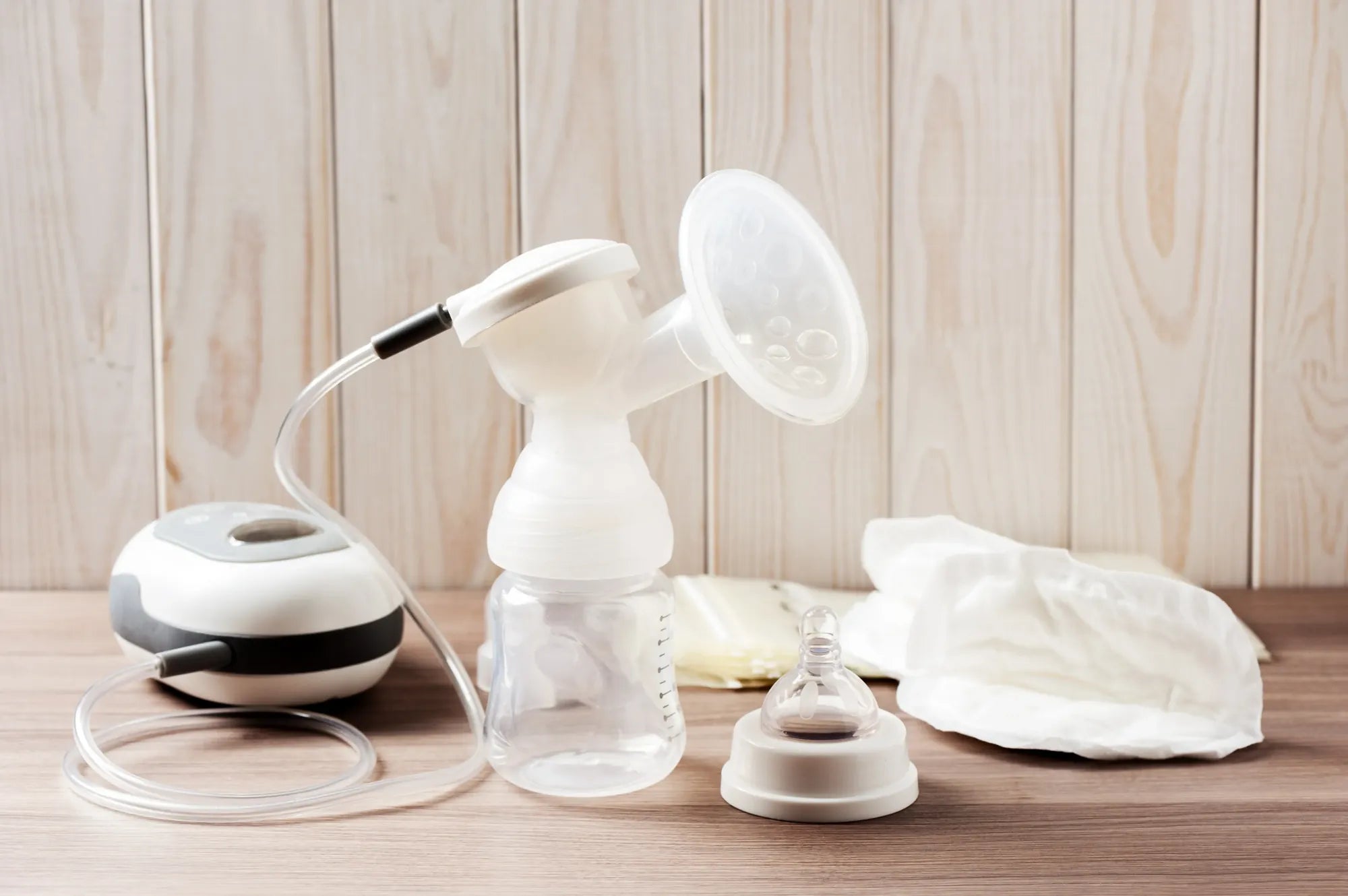
When to Begin Pumping Breast Milk: A Comprehensive Guide for New Moms
Introduction: Understanding the "When" in Your Breastfeeding Journey
Deciding when to begin pumping breast milk is one of the most common and pressing questions for new and expecting mothers. The answer is rarely one-size-fits-all, as the optimal timing intertwines with your personal goals, your baby's health, and your body's unique response. This comprehensive guide cuts through the confusion with clear, scenario-based advice backed by lactation science.
You will learn how strategic pumping can empower your breastfeeding experience, whether you're planning a return to work, needing to build a stash, or addressing specific medical or supply concerns. We'll explore the physiological reasons why timing matters, provide actionable steps for different situations, and review how modern pump technology can offer the flexibility and comfort today's moms need. As a trusted maternal and baby care brand, MomMed specializes in innovative products like wearable breast pumps and feeding gear designed to support you through every phase of this journey.
Why Timing Matters: The Physiological and Practical Benefits
Initiating pumping at the right time is more than a logistical choice; it's a tool that works with your body's natural lactation physiology. Your milk supply operates on a principle of supply and demand: the more milk is removed, the more your body is signaled to produce. Strategic pumping reinforces this demand, helping to establish and protect your milk production for the long term.
Starting too early without medical need can potentially lead to an oversupply, which brings its own challenges like engorgement and mastitis. Conversely, waiting too long to introduce a pump when you have a known future need, like returning to work, can create last-minute stress and a scramble to build a freezer stash. The goal is to integrate pumping as a supportive, rather than disruptive, element of your breastfeeding relationship.
Beyond supply management, timely pumping offers immense practical benefits. It allows other caregivers to participate in feeding, giving you crucial rest and fostering baby-bonding opportunities. It provides a safety net of stored milk for emergencies or appointments. For mothers of preterm or hospitalized infants, pumping immediately after birth is the critical link to providing lifesaving breast milk when direct breastfeeding isn't yet possible.
Key Scenarios: When to Start Pumping Based on Your Goals
The most effective approach to determining when to begin pumping breast milk is to align it with your specific circumstances. Here, we break down the evidence-based recommendations for the most common maternal situations.
For Moms Planning to Return to Work
If you plan to return to a workplace, beginning to pump 1-2 weeks before your start date is generally ideal. This window provides enough time to build a modest freezer stash without the pressure of an immediate need, allowing you to learn your pump's settings and your body's responses in a low-stress environment. Aim to add one pumping session per day, typically after your first morning feed when prolactin levels and milk volume are often highest.
This gradual introduction helps your body adapt to the additional stimulation. Use this period to practice bottle-feeding with your stored milk, ensuring your baby accepts it before you're apart for hours. A wearable pump like the MomMed S21 can be invaluable here, allowing you to pump hands-free while preparing for the day, making this new routine more sustainable.
For Moms with a Full-Term, Healthy Baby (Exclusive Breastfeeding)
For mothers exclusively breastfeeding a healthy, full-term baby with good weight gain, the general recommendation is to wait 3-4 weeks before introducing regular pumping. This crucial first month allows your milk supply to regulate naturally in direct response to your baby's needs and establishes a strong breastfeeding latch and rhythm.
After this period, you can begin pumping once a day, again often after the first morning feed. The amount you collect may be small at first—perhaps just an ounce or two—but this is normal. Consistency is key. This slow accumulation creates a "just-in-case" stash and gets your baby accustomed to taking a bottle occasionally, which can prevent bottle refusal later.
For Moms Needing to Boost or Maintain Milk Supply
If you have concerns about low milk supply or are working to increase output, earlier intervention is often advised, typically within the first 1-2 weeks postpartum, and ideally under the guidance of a lactation consultant. The strategy here involves more frequent milk removal to signal your body to produce more.
This may involve pumping for 10-15 minutes after most breastfeeding sessions. A technique called "power pumping"—mimicking cluster feeding by pumping for 20 minutes, resting for 10, pumping for 10, resting for 10, and pumping for a final 10—once a day can be highly effective. Using an efficient, hospital-strength pump or a highly effective portable model is critical in this scenario to ensure complete breast emptying.
For Moms of Premature or Hospitalized Babies
For mothers whose babies are in the NICU or special care nursery, the guidance on when to begin pumping breast milk is immediate and clear. You should initiate pumping within the first 6 hours after birth, and certainly no later than 12 hours, to stimulate milk production when hormonal signals are strongest.
The initial yields will be small amounts of colostrum, which is liquid gold for your vulnerable baby. Pumping 8-12 times per day, including at night, is essential to establish a full milk supply. Hospitals usually provide a hospital-grade pump for this purpose. The consistency and efficiency of your pump are paramount, as it must effectively mimic a baby's suckling to send the right production signals to your body during this critical period.
For Moms Experiencing Engorgement or Needing Relief
Pumping can be a direct tool for comfort when dealing with severe engorgement in the early postpartum days or when missing a feed. In this scenario, the goal is not to empty the breast fully, which can exacerbate overproduction, but to soften it enough for relief or to allow your baby to latch more easily.
Pump for just 2-5 minutes on a low, comfortable setting, or use the pump's "let-down" mode. Hand-expressing in a warm shower can also achieve this. The focus is on comfort and resolving duct blockage, not on milk collection. This situational use of a pump can be a lifesaver for managing painful fullness without disrupting your overall supply-and-demand balance.
Choosing Your Pump: Features That Support Your Timing and Comfort
The right breast pump is not just a tool; it's an enabler of your chosen strategy. Features that promote convenience, comfort, and efficiency make it easier to stick to your pumping schedule, which is the ultimate determinant of success. For moms starting to pump in preparation for work or to build a stash, a pump that integrates seamlessly into daily life is crucial.
Wearable, hands-free pumps, like the award-winning MomMed S21 Double Wearable Breast Pump, are designed for this modern need. Their discreet, cordless design allows you to pump while commuting, working, or caring for an older child, removing a major barrier to consistent pumping. This can be the difference between maintaining your supply and struggling when life gets busy.
Technical features directly impact effectiveness, especially when timing is critical. Adjustable suction cycles and levels allow you to mimic your baby's nursing pattern, which is vital for efficient milk removal and signaling supply. Ultra-quiet operation provides discretion and allows for pumping near a sleeping baby. Furthermore, all MomMed pumps use BPA-free, food-grade silicone in contact parts, ensuring safety for your precious milk. A proper flange fit—often overlooked—is essential for comfort and maximizing output, so choosing a pump with multiple flange size options is a key consideration.
Practical First Steps: How to Begin Pumping Safely and Effectively
When you're ready for your first session, a methodical approach sets you up for success. Begin by washing your hands and ensuring all pump parts are clean and assembled correctly. Start with a few minutes of gentle breast massage or hand expression to stimulate your let-down reflex before turning on the pump.
Always begin with the lowest suction setting, increasing only to a level that is strong but never painful. A comfortable pump is an effective pump. Pump for about 15-20 minutes per session, or for about 2 minutes after the last drops of milk flow. The initial output may be surprisingly small—measured in teaspoons rather than ounces—and this is completely normal, especially in the early weeks.
Immediately after pumping, store milk in a clean breast milk storage bag or bottle. Label it with the date and time. Freshly expressed milk can be kept at room temperature for up to 4 hours, in the refrigerator for up to 4 days, or in the freezer for 6-12 months. After each use, disassemble the pump parts that contact milk and wash them thoroughly with warm, soapy water. Sterilize according to the manufacturer's instructions regularly, especially in the first few months. Listen to your body and consult an International Board Certified Lactation Consultant (IBCLC) for personalized advice, particularly if you experience persistent pain or difficulty.
Pumping and Direct Feeding: A Comparison of Key Dynamics
Understanding how pumping compares to direct breastfeeding can help manage expectations and optimize both methods. The following table outlines key differences and considerations.
| Aspect | Direct Breastfeeding | Pumping Breast Milk |
|---|---|---|
| Milk Removal Efficiency | Typically most efficient; a healthy baby can empty a breast better than most pumps. | Varies by pump quality and flange fit. May not fully empty the breast, which can impact supply if not managed. |
| Supply Signaling | Direct skin-to-skin and baby's saliva provide biological cues to tailor milk composition. | Relies on mechanical stimulation and frequency. Consistent schedule is crucial for maintaining supply. |
| Convenience & Flexibility | Requires baby's presence. Offers immediate feeding with no preparation or cleanup. | Allows feeding by others. Requires time for pumping, storage, and bottle preparation/cleaning. |
| Bonding & Involvement | Facilitates unique mother-baby bonding through physical contact. | Enables partners and family members to participate in feeding, fostering their bond with baby. |
| Monitoring Intake | Intake is not visually measurable; relies on output (diapers) and weight gain. | Allows precise measurement of milk volume, which can provide reassurance. |
Common Questions and Concerns (FAQs)
Q: Will pumping too early cause an oversupply?
A: Not necessarily. Oversupply is usually caused by removing too much milk too frequently, not by the simple act of pumping. If you're pumping in addition to feeding on demand, start with just one short session per day and monitor your body's response. The goal is to add a session, not to double your total milk removal.
Q: How much milk should I expect at first?
A: In the early days, you'll express colostrum, often in small amounts like 5-15ml per session. As your milk "comes in" (around days 3-5), volume increases. When adding a daily pump after feeds once supply is regulated, collecting 1-3 ounces total is common and perfectly adequate for building a stash slowly.
Q: Can I pump if I'm also breastfeeding directly?
A> Absolutely. This is called "combination feeding" and is very common. The key is timing. Pumping after a breastfeeding session, or between feeds, is standard practice. Avoid pumping right before a feed when possible, so your baby has access to a full breast.
Q: How do I incorporate pumping without affecting my baby's feeds?
A> The most seamless method is to pump for 15-20 minutes about 30-60 minutes after a feed, or midway between two feeds. Your baby will typically drain the breast most effectively, and your body will have some time to replenish milk before you pump, ensuring your baby gets enough at the next feed.
Q: What if I don't respond well to the pump?
A> This is common. First, check flange fit—this is the #1 issue. Ensure you're relaxed; look at photos/videos of your baby, smell an item of their clothing, or apply a warm compress before pumping. Try different pump settings; sometimes a faster cycle with lower suction works better than deep, slow pulls. If problems persist, consult an IBCLC.
Conclusion: Empowering Your Unique Feeding Path
The decision of when to begin pumping breast milk is a personal milestone in your parenting journey, one that blends science with your individual circumstances. There is no universal calendar date, but rather a set of principles you can apply based on your goals—whether for flexibility, health, or necessity. Trust that with the right information and support, you can navigate this process with confidence.
Your success hinges on consistency, comfort, and using tools that adapt to your life. By choosing a pump that offers both efficacy and seamless integration, like MomMed's wearable collection, you invest in the sustainability of your breastfeeding goals. Remember, every drop you provide is an act of love, whether it comes directly from the breast or from a carefully stored bottle.
Shop the MomMed collection at mommed.com for all your breastfeeding and pregnancy needs, from our innovative S21 Wearable Pump to essential baby care products, and equip yourself with reliable, comfortable support for every step of this incredible journey.