


Home
Pregnancy, Breastfeeding, and Pumping: The Ultimate Guide for Moms
When Should You Pump and Dump Breast Milk: A Comprehensive Guide for Modern Moms
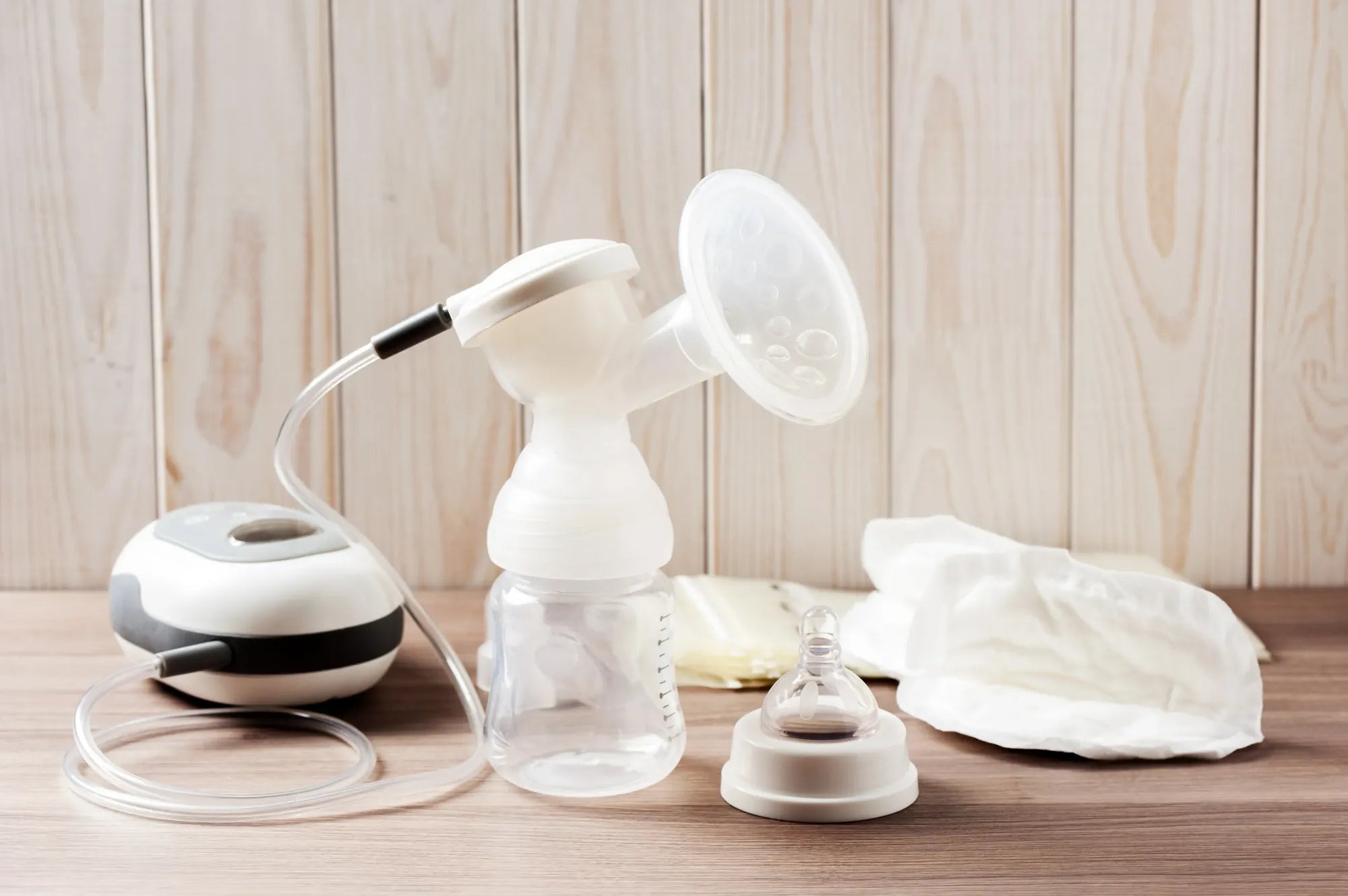
When Should You Pump and Dump Breast Milk: A Comprehensive Guide for Modern Moms
Navigating the "pump and dump" dilemma can be a source of significant stress for breastfeeding mothers. This comprehensive guide cuts through the confusion, providing clear, evidence-based answers on when you should pump and dump breast milk and when you likely don't need to. We'll explore the medical, lifestyle, and logistical aspects, empowering you to make informed decisions without wasting your precious liquid gold. Backed by expert recommendations and practical tips, this resource will help you confidently manage your breastfeeding journey, whether you're dealing with medication, a night out, or common illnesses.
Introduction: Demystifying "Pump and Dump"
The term "pump and dump" refers to the act of expressing breast milk and then discarding it, rather than feeding it to your baby. This practice is typically driven by concerns over potential contaminants in the milk, such as alcohol, medication, or illness. However, it is one of the most misunderstood aspects of breastfeeding, often leading to unnecessary milk loss and added anxiety for moms.
Understanding the true purpose and appropriate application of this practice is crucial. It is not a default reaction to every concern but a specific tool for specific situations. The goal of this guide is to replace fear with knowledge, ensuring you preserve your hard-earned milk supply whenever possible.
At MomMed, we believe in supporting moms with reliable information and innovative products. Our wearable breast pumps, like the S21, are designed to give you the flexibility and comfort to manage your feeding schedule with confidence, whether you're pumping to feed or to maintain supply during a temporary hiatus.
When Pumping and Dumping is Medically Necessary
There are specific, evidence-based scenarios where discarding breast milk is the safest and most recommended course of action. These instances are typically related to substances that can pose a genuine risk to an infant's health and are not effectively filtered or metabolized out of breast milk.
Consulting with your healthcare provider or a lactation consultant is always the first step when you have concerns. They can provide personalized advice based on the latest data from resources like the National Institutes of Health's LactMed database or the American Academy of Pediatrics (AAP).
After Certain Medications and Medical Procedures
A small number of medications and treatments are contraindicated during breastfeeding because they can be harmful to the baby. Pumping and dumping is required to maintain milk supply while protecting your infant during the period the drug is in your system.
Key examples include chemotherapy drugs, radioactive isotopes used for certain diagnostic scans (like some thyroid or bone scans), and a limited list of other medications where the risk outweighs the benefit. The duration for which you must discard milk varies greatly and must be explicitly outlined by your prescribing physician or the nuclear medicine team.
For most common antibiotics and pain relievers, breastfeeding is perfectly safe. Always confirm with your pharmacist or doctor, and never make assumptions based on medication labels alone.
Significant Exposure to Environmental Toxins
This is a rare but serious circumstance. Significant, acute exposure to high levels of environmental toxins like lead, mercury, pesticides, or certain industrial chemicals may necessitate temporary pumping and dumping.
This scenario is most relevant in cases of occupational exposure or specific environmental disasters. If you suspect such exposure, contact your healthcare provider and a poison control center immediately for guidance on the necessary waiting period before resuming safe breastfeeding.
During Severe Mastitis with Pus or Blood in Milk
Mastitis, an inflammation of breast tissue, is not typically a reason to discard milk. In fact, continuing to remove milk is crucial for recovery. The milk from a breast with mastitis is generally safe for your baby.
The exception is if there is visible pus or a significant amount of blood in the expressed milk, which can occur in severe cases. While not inherently dangerous, this milk may be unpalatable for the baby. Furthermore, if a specific antibiotic prescribed for a severe infection is not compatible with breastfeeding, your doctor may advise a temporary pump-and-dump period.
Common Myths: When You Likely DON'T Need to Pump and Dump
Many common worries lead to unnecessary dumping of perfectly good breast milk. Debunking these myths can save you time, stress, and valuable ounces.
After Drinking Alcohol
This is the most pervasive myth. Alcohol metabolizes out of breast milk at the same rate it leaves your bloodstream. There is no need to pump and dump to "clear" the alcohol; time is the only factor.
The general rule is: if you are sober enough to drive, you are sober enough to nurse. A practical guideline is to wait 2-3 hours after a single standard drink before your next feeding. You only need to pump for comfort during that wait if your breasts become engorged, and that milk can be saved for a milk bath if you prefer not to feed it.
When You Have a Common Illness (Cold, Flu, COVID-19)
Breastfeeding while sick is not only safe but beneficial. Your body produces antibodies to fight your infection, and these antibodies are passed into your milk, offering your baby valuable protection.
Discarding milk during a common viral illness deprives your baby of this natural immunization. Continue breastfeeding and pumping as usual, while practicing good hygiene like handwashing and wearing a mask if you have respiratory symptoms.
After Consuming Caffeine or "Gassy" Foods
Moderate caffeine intake (typically under 300 mg per day) is considered compatible with breastfeeding. While a tiny amount transfers to milk, it is unlikely to affect most babies.
Similarly, while certain foods like broccoli or beans might cause gas in *you*, they do not directly transmit gas to your baby through your milk. They may affect the composition of sugars in the milk, which some sensitive babies might react to, but this does not make the milk harmful or require dumping.
Practical Strategies: Managing Temporary Feeding Interruptions
Instead of focusing on dumping, shift your mindset to planning. Here’s how to maintain your supply and feed your baby safely during necessary periods of separation or abstention.
Planning Ahead: Building a Strategic Stash
If you know about an event in advance—like a medical procedure, a night out, or a business trip—you can build a small freezer stash. Adding an extra pumping session a day with a convenient pump like the MomMed S21 Wearable can help you accumulate milk stress-free without disrupting your baby's direct feeding routine.
The "Pump for Comfort and Supply" Protocol
If you must avoid feeding for a short window (e.g., after a couple of drinks or during a 4-hour procedure), pump according to your baby's typical feeding schedule. This maintains your milk supply and prevents painful engorgement or plugged ducts.
The milk expressed during this time can be labeled and used topically for milk baths, which are wonderful for baby's skin, or discarded if you are uncomfortable keeping it. The primary goal is to protect your lactation physiology.
Safe Feeding Alternatives During the Window
Ensure you have a plan for feeding your baby during the temporary period when your milk is not available. This could be previously expressed and safely stored breast milk from your stash or infant formula. Having this plan in place reduces stress and ensures your baby's needs are met seamlessly.
Comparison: Pump and Dump Scenarios vs. Safe Continuation
This table provides a quick-reference guide to common situations.
| Situation | Typically Requires Pump & Dump? | Recommended Action & Notes |
|---|---|---|
| Chemotherapy / Radiation Therapy | Yes | Follow oncologist's specific timeline. Pump to maintain supply. |
| Radioactive Diagnostic Scan | Yes | Duration specified by nuclear medicine dept. Often 24-48 hrs. | Common Antibiotics (e.g., for UTI) | No | Most are safe. Always verify with LactMed or your pharmacist. |
| 1-2 Alcoholic Drinks | No | Wait 2-3 hrs per drink before feeding. Pump for comfort only. |
| Common Cold, Flu, COVID-19 | No | Continue nursing. Antibodies in milk benefit baby. |
| Mastitis (without pus/blood) | No | Frequent milk removal is key to treatment. |
| Moderate Caffeine Intake | No | Safe for most babies. Monitor for rare sensitivity. |
The MomMed Advantage: Confidence Through Innovation
Managing the complexities of breastfeeding, especially when navigating temporary interruptions, is easier with the right tools. MomMed designs products that provide solutions to these exact challenges.
Hands-Free Convenience for Precise Schedule Management
When you need to pump on a strict schedule to maintain supply—whether during a work event, a medical procedure, or a social outing—a wearable pump is invaluable. The award-winning MomMed S21 Double Wearable Breast Pump allows you to pump discreetly and comfortably without being tethered to an outlet, making it simple to stick to your routine.
Customizable Comfort for Effective Milk Removal
Efficient milk removal is critical for signaling your body to continue production. MomMed pumps feature multiple stimulation and expression modes with adjustable suction levels. This ensures you can find a comfortable, effective setting that mimics your baby's nursing pattern, protecting your supply during any necessary pumping sessions.
Safety and Peace of Mind Built-In
All MomMed pump parts that contact breast milk, including flanges, valves, and collection containers, are crafted from BPA-free, food-grade silicone. This commitment to safety ensures that whenever you are pumping milk intended for your baby's consumption, you can do so with complete confidence.
Frequently Asked Questions (FAQs)
How long do I need to pump and dump after anesthesia?
For most common general anesthetics used in outpatient procedures (like propofol), the drugs clear from your system very quickly. Most anesthesiologists and the AAP indicate that once you are awake, alert, and able to hold your baby safely, you can resume breastfeeding. Always confirm with your surgical team for your specific medications.
Can I give my baby milk I pumped while I had a glass of wine?
If you pumped while your blood alcohol concentration (BAC) was elevated, that milk will contain alcohol. It is best to label this milk and use it for a milk bath. Alternatively, you can mix it with a larger volume of alcohol-free milk to dilute it significantly, though many parents prefer the topical use option for simplicity.
Does "pump and dump" clear alcohol from milk faster?
No. Pumping and dumping does not accelerate the metabolism of alcohol from your bloodstream or your milk. Alcohol levels in milk decline as your BAC declines. Only time removes alcohol.
What should I do with milk I can't feed to my baby?
Don't feel it's entirely wasted! Milk expressed during a necessary pump-and-dump window has wonderful topical uses. It can be added to your baby's bath to soothe skin, used to treat minor cuts, diaper rash, or cradle cap, or even frozen into teething pops for later topical gum relief.
How can I tell if a medication is safe for breastfeeding?
Always ask your doctor and pharmacist. You can also check the LactMed database (toxnet.nlm.nih.gov/newtoxnet/lactmed.htm), a peer-reviewed resource from the U.S. National Library of Medicine, which provides detailed data on drug levels in breast milk and infant blood, and possible effects.
Conclusion: Making Empowered, Informed Choices
The decision to pump and dump breast milk should be an informed one, not a reflexive act of uncertainty. By understanding the specific medical indications and letting go of common myths, you can protect both your baby's health and your precious milk supply. Your breastfeeding journey is unique, and having reliable information allows you to navigate it with confidence. For the moments that require pumping—whether for maintenance, comfort, or building a stash—trusted tools make all the difference. Shop the MomMed collection at mommed.com for innovative, comfortable breast pumps and accessories designed to support you at every stage of motherhood.