


Home
Pregnancy, Breastfeeding, and Pumping: The Ultimate Guide for Moms
What to Do with Pumped Breast Milk: A Comprehensive Guide
What to Do with Pumped Breast Milk: A Comprehensive Guide
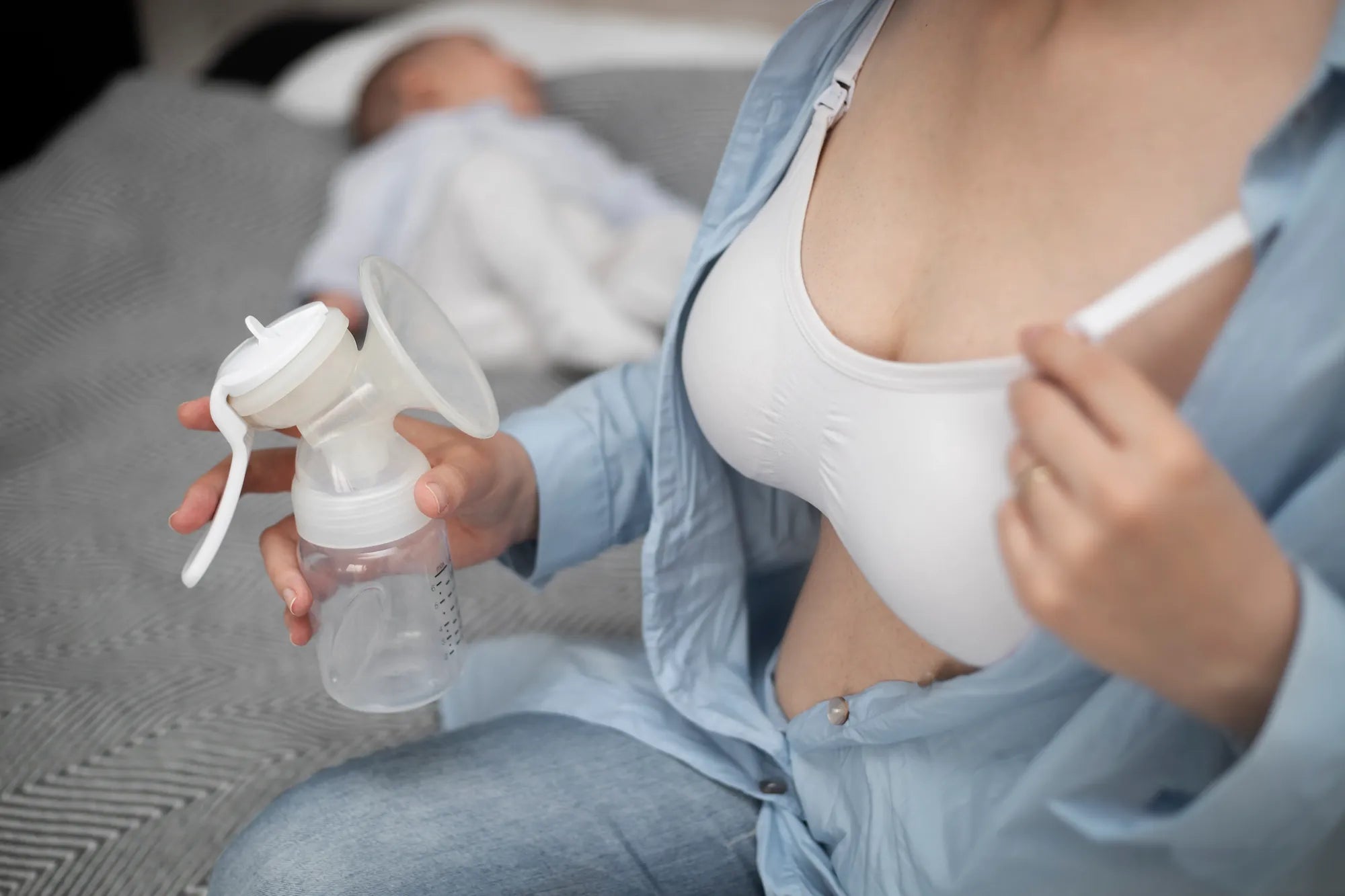
You've just finished a pumping session. As you look at the bottle of liquid gold, questions flood in: How long can this stay out? Can I freeze it? What's the best way to warm it up? Navigating the world of pumped breast milk requires clear, reliable information. This comprehensive guide delivers exactly that. We'll walk you through every step—from the moment you disconnect from your pump to the safe feeding of your baby and beyond. You'll learn storage protocols backed by leading health authorities, master safe handling techniques, and discover the incredible versatility of your expressed milk. Let's build your confidence in managing this precious resource.
The Non-Negotiable Fundamentals of Safe Storage
Proper storage is the cornerstone of preserving breast milk's nutritional and immunological properties. Following established guidelines prevents bacterial growth and ensures your baby receives milk in its optimal state. The most cited rule is the "4-4-4" guideline, a helpful mnemonic for safe storage times under different conditions.
At room temperature (up to 77°F or 25°C), freshly expressed breast milk is safe for up to 4 hours. However, if the room is warmer, this window shortens. In the refrigerator (at 39°F or 4°C or colder), milk can be stored for up to 4 days. Place it toward the back of the fridge, not in the door, where temperatures fluctuate more.
For long-term storage, your freezer is the best tool. In a standard freezer compartment within a refrigerator, milk is best used within 6 months. In a deep freezer (0°F or -18°C), it can be stored for 12 months. While milk frozen longer may be safe, the quality of fats and vitamins may gradually degrade.
Choosing the Right Containers: Safety First
The vessel you choose matters. Containers should be made of food-grade materials, tightly sealable, and preferably pre-sterilized. Hard-sided plastic (BPA-free) or glass bottles are excellent for refrigerator storage. For freezing, specially designed breast milk storage bags are space-efficient and often pre-sterilized.
Look for bags that are thick, have a double-zip seal, and a writable label area. This philosophy of using only safe, non-toxic materials is central to brands like MomMed, which ensures all products contacting milk, from pump parts to storage bags, meet the highest safety standards for you and your baby.
The Critical Habit of Labeling
Never underestimate the power of a label. Always mark the container with the date and time the milk was expressed. If you are pumping for a baby in daycare, include your baby's name. This practice ensures you use the oldest milk first (first-in, first-out) and allows caregivers to easily identify the correct milk. Use waterproof ink or a dedicated freezer-safe label to prevent smudging.
Mastering Handling and Thawing Protocols
How you handle milk after storage is just as important as how you store it. Incorrect thawing or warming can destroy precious nutrients and create hot spots that could burn your baby's mouth. The goal is always gentle restoration to a safe, feedable temperature.
There are three recommended methods for thawing frozen breast milk. The safest is to plan ahead and thaw it overnight in the refrigerator. You can also hold the sealed container under lukewarm running water. Alternatively, place it in a bowl or cup of warm water, changing the water as it cools. Never use a microwave or boiling water, as this can destroy antibodies and cause uneven heating.
Gentle Mixing and Warming Techniques
Breast milk naturally separates during storage, with the fat rising to the top. Before feeding, gently swirl the container to mix the layers. Avoid vigorous shaking, as some studies suggest it may break down certain protein structures. To warm refrigerated or thawed milk, place the sealed bottle in a bowl of warm water for a few minutes until it reaches around body temperature (98.6°F).
Test the temperature by shaking a few drops on the inside of your wrist. It should feel neutral, not hot. Remember, warming is not mandatory; some babies happily take cool milk straight from the fridge, which can be more convenient.
Navigating Use Timelines
Once thawed in the refrigerator, use the milk within 24 hours. Do not refreeze previously frozen milk. If you've warmed a bottle for a feeding, use it within 2 hours. If the baby does not finish the bottle, it is generally recommended to discard the leftovers after that feeding, as saliva introduces bacteria into the milk. For fresh milk left at room temperature, adhere to the 4-hour rule before discarding.
Beyond the Bottle: Creative and Practical Uses for Your Milk
While feeding your baby is the primary goal, pumped breast milk has a remarkable range of other applications. Understanding these uses can be incredibly empowering, especially for mothers with an oversupply or those looking to utilize every last drop.
When starting solids, you can use breast milk to mix into baby cereal, purees, or homemade teething popsicles. It adds familiar taste and a nutritional boost. For babies with minor nasal congestion, a drop or two of fresh breast milk in each nostril can help loosen mucus—a time-honored, gentle remedy many pediatricians acknowledge.
For Baby's Health and Comfort
Breast milk's antibacterial and anti-inflammatory properties make it useful for topical applications. It can be applied to minor cuts, scrapes, insect bites, or diaper rash to soothe and promote healing. A milk bath—adding a few ounces to your baby's bathwater—can help calm eczema or other skin irritations. For blocked tear ducts or mild eye infections (always consult your pediatrician first), a clean dropper can be used to place a few drops of fresh milk in the corner of the eye.
For Mom: Self-Care and the Gift of Donation
Your milk can benefit you, too. Applying fresh milk to cracked or sore nipples after feeding or pumping can aid healing. For mothers with a significant oversupply, donating to a certified milk bank is a profound gift. These banks screen donors, pasteurize the milk, and provide it to medically fragile infants in NICUs. Always donate through an established Human Milk Banking Association of North America (HMBANA) member bank, not through informal peer-to-peer sharing, which carries risks.
MomMed Solutions for a Streamlined Pumping Journey
Managing pumped milk is easier when your entire system—from expression to storage—is designed for efficiency and safety. Modern pumping technology can significantly reduce the friction in this process, allowing you to focus more on your baby and less on logistics.
The MomMed S21 Double Wearable Breast Pump exemplifies this innovation. As a trusted maternal and baby care brand, MomMed specializes in creating products that make the pumping journey more manageable. The S21's hands-free, cordless design allows you to pump discreetly while moving about your day, making it simpler to maintain your schedule and build a milk stash without being tethered to an outlet.
From Direct Expression to Secure Storage
Efficiency and hygiene are paramount. Many modern pumps, including systems designed by MomMed, allow for pumping directly into compatible storage bags or bottles. This "closed system" design minimizes the number of transfers, reducing the risk of contamination and saving you time and cleanup. After a session, you can simply seal, label, and store the container you pumped into.
This seamless integration from pump to storage is a game-changer for busy parents. It ensures that the safe, food-grade silicone and BPA-free materials used in the pump parts extend through the entire handling process, giving you peace of mind about what your baby consumes.
Completing the Cycle with Feeding Essentials
The journey concludes with feeding. Having reliable, easy-to-clean bottles that your baby accepts is crucial. Look for bottles with slow-flow nipples that support paced bottle feeding, which helps prevent overfeeding and mimics the breastfeeding experience. A complete, coordinated system—from a comfortable wearable pump like the MomMed S21 to secure storage bags and responsive bottles—empowers you to provide your baby with breast milk confidently, regardless of your physical location.
Storage and Handling Comparison Table
| Storage Location | Temperature | Safe Duration for Fresh Milk | Key Considerations |
|---|---|---|---|
| Room Temperature | Up to 77°F (25°C) | Up to 4 hours | Ideal for immediate use. Discard if room is very warm. |
| Insulated Cooler | With ice packs | Up to 24 hours | Essential for transport. Keep ice packs in contact with containers. |
| Refrigerator | 39°F (4°C) or colder | Up to 4 days | Store at the back, not in the door. Use a dedicated shelf if possible. |
| Freezer (inside fridge) | Variable, usually not below 0°F | 6 months (optimal) | Quality may decrease faster due to temperature fluctuations from door opening. |
| Deep Freezer (Standalone) | 0°F (-18°C) or colder | 12 months (optimal) | Best for long-term storage. Leave space at the top of bags for expansion. |
Troubleshooting Common Questions and Concerns
Even with the best guidelines, unique situations arise. Here are evidence-based answers to some of the most frequently asked questions about pumped breast milk.
Can I mix milk from different pumping sessions?
Yes, you can combine milk pumped at different times within the same day. The critical rule is to cool the newly expressed milk in the refrigerator first before adding it to already chilled milk. This prevents warming the older batch, which could encourage bacterial growth. Always label the container with the date of the oldest milk in the mix.
Why does my thawed milk smell or taste soapy or metallic?
This is often due to high lipase activity. Lipase is an enzyme naturally present in your milk that breaks down fats. In some women, high lipase levels cause the milk to develop a soapy smell or taste after freezing and thawing. The milk is still safe and nutritious, though some babies may refuse it. If this is an issue, you can scald the fresh milk (heat it to a simmer with small bubbles around the edge, not a rolling boil) before cooling and freezing to deactivate the lipase.
Is it safe to offer a bottle again if my baby doesn't finish it?
The general recommendation is to discard any leftover milk within 2 hours after the feeding is finished. Once your baby's saliva mixes with the milk in the bottle, bacteria is introduced, and it begins to spoil more quickly. To avoid waste, start with smaller volumes (e.g., 2-3 ounces) and prepare more if your baby is still hungry.
How should I transport pumped milk?
Use an insulated cooler bag with frozen ice packs. Ensure the milk containers are in direct contact with the ice packs. Milk transported this way can be considered refrigerated and should be used within 24 hours, or transferred to a refrigerator or freezer immediately upon arrival. For longer trips, consider using dry ice, but ensure containers are protected from direct contact to prevent freezing if not desired.
My milk looks separated or has a bluish tint. Is it bad?
No, this is completely normal. Breast milk is not homogenized, so the fat (cream) rises to the top, creating a layered look. A gentle swirl mixes it back together. The color of breast milk can vary widely—from bluish or yellowish to even having a slight green or pink tinge, often influenced by your diet. Only be concerned if the milk has a distinctly sour or foul smell, which indicates spoilage.
Building a Sustainable Pumping and Storage Routine
Consistency reduces stress. Establish a routine that works for your lifestyle. This might involve pumping at the same times each day, having a dedicated clean station for assembling pump parts, and doing a nightly "milk management" check to rotate stock in the fridge and freezer.
Invest in a system that supports you. This includes having enough bottles, flanges, and storage containers to avoid constant washing, as well as a reliable pump. Wearable pumps, like the award-winning MomMed S21, can be integral to this routine by granting you mobility and comfort, making it easier to stick to your schedule whether you're at home, work, or on the go.
Remember to prioritize flange fit—an incorrect size is a common cause of low output and discomfort. MomMed and other reputable brands offer sizing guides and multiple flange options to ensure efficient, comfortable expression, which is the first step in a successful milk management plan.
Your Confidence is the Ultimate Goal
Managing pumped breast milk is a blend of science and personal routine. By adhering to the fundamental safety rules for storage and handling, you protect your baby's health. By exploring the versatile uses of your milk, you appreciate its full value. And by integrating tools that offer comfort and efficiency, like wearable pumps and coordinated storage systems, you reclaim time and reduce hassle. You are not just storing milk; you are meticulously preserving a unique source of nutrition, comfort, and immune protection for your child. Trust the process, trust the guidelines, and trust your ability to provide. For innovative products designed to support every step of this journey—from the first expression with a comfortable, quiet pump to the final feeding—explore the solutions designed with your needs in mind. Shop the MomMed collection at mommed.com for all your breastfeeding and pregnancy needs.