


Home
Pregnancy, Breastfeeding, and Pumping: The Ultimate Guide for Moms
How to Pump the Most Breast Milk: Expert Tips and Techniques
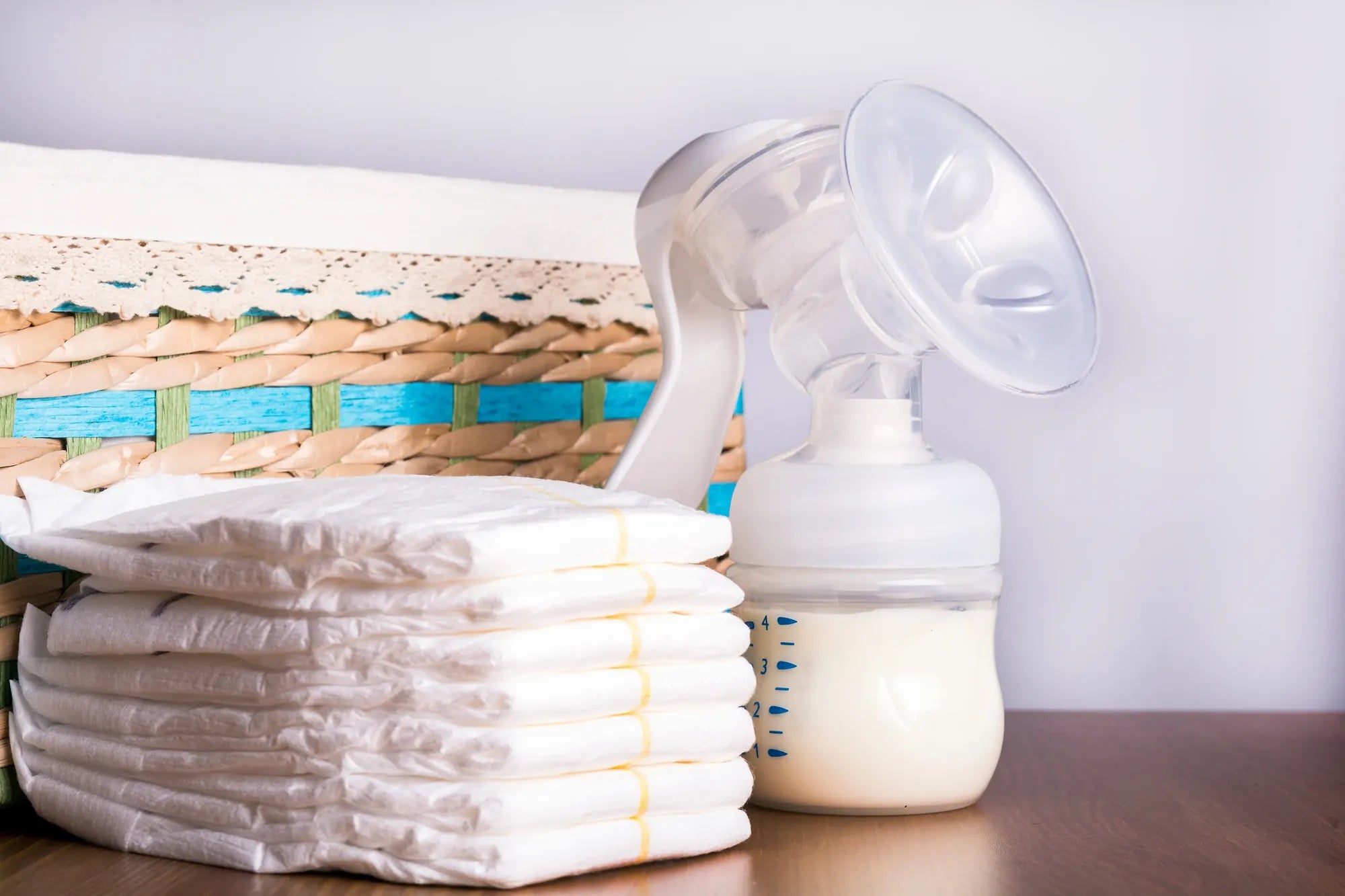
How to Pump the Most Breast Milk: Expert Tips and Techniques
Mastering the art of pumping to maximize your breast milk supply is a common and crucial goal for many parents. Whether you're exclusively pumping, returning to work, or building a freezer stash, understanding how to pump the most breast milk efficiently can make a significant difference in your feeding journey. This guide distills expert lactation advice and proven techniques into actionable steps, helping you work with your body's natural physiology to achieve optimal output. We'll cover the science of milk production, equipment optimization, advanced pumping strategies, and holistic lifestyle support, providing you with a complete roadmap to successful and abundant pumping.
Understanding Your Body: The Science of Milk Production
Effective pumping begins with understanding the biological principles of lactation. Your body operates on a simple supply-and-demand system: the more milk is removed from your breasts, the more your body is signaled to produce. This process is governed by key hormones—prolactin, which stimulates milk production, and oxytocin, which triggers the milk ejection or let-down reflex.
Consistent and complete milk removal is the most powerful signal for your body to increase supply. When you pump, you are essentially placing an "order" for future milk. Inefficient or infrequent removal, conversely, signals your body to slow down production. Recognizing and working with these hormonal rhythms is foundational to pumping the most breast milk possible.
Individual capacity—the amount of milk your breast tissue can store between sessions—varies greatly among parents. This is why some may pump larger volumes less frequently, while others achieve the same total daily output with more frequent, smaller sessions. The goal is to discover your body's unique pattern and optimize your pumping schedule around it.
The Let-Down Reflex: Your Pumping Powerhouse
The let-down reflex is the engine of efficient pumping. It's the process where oxytocin causes the tiny muscles around your milk-producing cells to contract, pushing milk down into the ducts. Without an effective let-down, you're only removing the milk readily available in the ducts, not tapping into the deeper reservoirs.
Signs of let-down include a tingling or tightening sensation in your breasts, sudden dripping or spraying of milk from the opposite breast, a change in milk flow from drips to a steady stream, and sometimes uterine cramps or thirst. Many parents experience multiple let-downs in a single session, which is key to fully emptying the breast.
Stress, anxiety, pain, and distraction can inhibit oxytocin release, hindering let-down. Creating a calm, relaxed pumping environment is therefore not just about comfort; it's a biological necessity for maximizing output. Techniques to stimulate let-down will be covered in detail in subsequent sections.
Optimizing Your Pumping Setup: Gear and Environment
Your physical setup can dramatically impact your output and comfort. Investing time in selecting the right equipment and creating a conducive environment is a critical step in learning how to pump the most breast milk. Think of it as creating a personal, efficient milk-removal station tailored to your needs.
A hospital-grade electric pump is typically recommended for establishing or maintaining supply, especially for exclusive pumping. These pumps are stronger, more durable, and better at mimicking a baby's suckling pattern. For occasional or supplemental pumping, a high-quality personal double electric pump is often sufficient.
The single most important piece of equipment, after the pump itself, is the breast shield or flange. An incorrect flange fit is a leading cause of low output, pain, and tissue damage. The flange should surround your nipple without pulling areolar tissue into the tunnel, and your nipple should move freely without rubbing the sides.
Choosing and Using Your Pump Effectively
When selecting a pump, consider your lifestyle. For parents needing mobility and discretion, wearable pumps are transformative. For instance, MomMed's S21 Double Wearable Breast Pump offers hospital-grade suction in a silent, cordless design. Its adjustable rhythm modes can help stimulate a natural let-down, and its BPA-free, food-grade silicone components ensure safety and comfort during long-term use.
Start each session in "stimulation" or "let-down" mode—a rapid, light suction pattern designed to trigger oxytocin. After milk begins flowing steadily (usually 1-2 minutes), switch to "expression" mode—a slower, stronger, deeper suction that mimics a baby's nutritive sucking. Never pump at a suction level that causes pain; maximum comfort typically yields maximum output.
Regular maintenance is non-negotiable. Inspect valves, membranes, and duckbills monthly for wear, cracks, or loss of elasticity. A worn-out valve can reduce suction by up to 50%, drastically cutting your yield. Always have a backup set of key parts to avoid unexpected interruptions in your routine.
Creating a Relaxing Pumping Ritual
Your mental state directly influences your physical output. Develop a pre-pumping ritual to cue your body for let-down. This might include taking a few deep breaths, drinking a warm beverage, applying a warm compress to your breasts for a few minutes, or gently massaging your chest.
Create a comfortable, private space. Have a supportive chair, a table for your pump, water, snacks, and entertainment (a phone, book, or show) within reach. Many parents find looking at photos or videos of their baby, or even smelling an item of their baby's clothing, can powerfully stimulate oxytocin release.
Consistency in your ritual trains your body. Over time, simply sitting in your pumping chair and setting up your pump can initiate a physiological response, making let-downs faster and more productive. This Pavlovian response is a powerful tool for efficient pumping.
Masterful Pumping Techniques: Timing, Frequency, and Methods
Technique is where knowledge meets action. Strategic timing, consistent frequency, and specific hands-on methods can elevate your pumping from a simple task to a highly efficient process for removing the most milk. These techniques are designed to work in harmony with your body's supply-and-demand system.
If your primary goal is to increase supply, adding one or two extra pumping sessions per day—even if they are short—is more effective than extending the duration of your existing sessions. The increased frequency sends stronger "make more milk" signals to your brain.
Morning sessions typically yield the highest volume, as prolactin levels peak in the early hours and milk volume accumulates overnight. However, the most important factor is consistency. Pumping at roughly the same times each day helps regulate your hormonal cycle and milk production schedule.
The Golden Rules of Pumping Frequency and Duration
To establish a full milk supply, aim to pump 8-12 times every 24 hours in the early weeks, mimicking a newborn's feeding pattern. This is critical for signaling your body to ramp up production. Once supply is well-established, most parents maintain it with 5-8 pumping sessions per day.
A typical pumping session should last 15-20 minutes per breast if pumping singly, or 15-20 minutes total if double pumping. However, "watch the milk, not the clock." Continue pumping for 2-5 minutes after the last drops of milk stop flowing. This post-drip pumping signals your body that more milk is needed.
Never go longer than 4-5 hours between sessions during the day in the first few months, as this can signal your body to reduce production. If you need to increase supply, the most effective change is to add a pumping session, preferably at a time of day when you feel your breasts are fullest.
Advanced Pumping Strategies to Boost Output
Power Pumping: This technique mimics a baby's cluster feeding to boost supply. It involves pumping in a patterned interval for about an hour. A common schedule is: pump for 20 minutes, rest for 10, pump for 10, rest for 10, pump for 10. Doing this once a day for 3-7 days can provide a significant boost.
Hands-On Pumping: Combining pumping with breast compression dramatically increases efficiency. While pumping, use your hands to compress your breast firmly, starting at the chest wall and moving toward the nipple. Rotate your hand around the breast to drain all sectors. This can increase output by up to 48% according to some studies.
Double Pumping: Pumping both breasts simultaneously saves time and is physiologically superior. Studies show it increases prolactin levels higher than single-side pumping and can lead to a greater total daily milk yield. It also ensures you benefit from the let-down triggered on both sides.
Nourishing the Supply: Lifestyle and Support
While the pump is a tool, your body is the factory. Holistic care—through nutrition, hydration, rest, and emotional support—provides the raw materials and optimal conditions for abundant milk production. Neglecting these areas can undermine even the most perfect pumping technique.
Breastfeeding and pumping are metabolically demanding, requiring an estimated 300-500 extra calories per day. Severe calorie restriction can negatively impact supply. Focus on nutrient-dense foods that provide sustained energy and the building blocks for milk.
Perhaps the most underrated factor is hydration. Milk is about 88% water. Dehydration can lead to a noticeable dip in output. Aim to drink to thirst, keeping water easily accessible at all times, especially during pumping sessions. Your urine color should be pale yellow.
Nutrition and Hydration for Milk Production
There is no magic food, but a balanced diet rich in whole grains, lean proteins, healthy fats, and fruits and vegetables supports overall health and lactation. Some foods have a traditional reputation as galactagogues (milk-production boosters), though scientific evidence is mixed.
Common galactagogues include oatmeal, brewer's yeast, flaxseed, fenugreek, and fennel. It's important to note that fenugreek can have the opposite effect on some individuals and is not recommended for those with thyroid conditions. The most reliable dietary strategy is consistent, adequate calorie and fluid intake from a variety of whole foods.
Consider your diet as fuel. Skipping meals can be as detrimental as skipping a pumping session. Prepare easy, one-handed snacks like nuts, cheese, hard-boiled eggs, and fruit to consume during or immediately after pumping to replenish energy.
The Role of Rest, Stress, and Support
Fatigue and high stress elevate cortisol, a hormone that can interfere with oxytocin and prolactin, potentially reducing milk supply. While sleep with a new baby is fragmented, prioritizing rest when possible is crucial. This may mean going to bed earlier, napping when the baby naps, or accepting help with household tasks.
Building a support system is essential. This can be a partner who cleans pump parts, a friend who brings a meal, a family member who watches the baby so you can pump undisturbed, or an online community of pumping parents. You are not meant to do this alone.
If you feel overwhelmed, anxious, or notice a persistent drop in supply linked to stress, speak with a healthcare provider. Postpartum mental health is intrinsically linked to the physical processes of lactation, and support is available.
Troubleshooting Common Pumping Challenges
Even with the best techniques, challenges arise. Proactively identifying and solving common issues can prevent a temporary setback from becoming a sustained drop in supply. Systematic troubleshooting is a key skill for any parent who pumps.
First, distinguish between a perceived low supply and an actual one. Is your baby gaining weight appropriately? Are you producing enough wet and dirty diapers? If the answer is yes, your supply is likely sufficient. Pumping output is not always an accurate measure of total production, as babies are typically more efficient than pumps.
Output can vary from session to session and day to day due to factors like time of day, hydration, stress, menstrual cycle, and illness. Look at your total 24-hour output rather than fixating on a single session's volume.
When Output Seems Low: What to Check
Follow this checklist if you experience a sudden or gradual decline in output:
- Flange Fit: Re-measure your nipple diameter. It can change over time, especially after the first few months of pumping. An ill-fitting flange is the most common mechanical cause of low output.
- Pump Parts: Replace valves, membranes, and duckbills. These are wear-and-tear items. A faulty valve can completely cripple suction.
- Pump Settings: Are you using the correct modes? Ensure you start in stimulation mode and switch to expression mode. Try a slightly lower, more comfortable suction for a session—it might improve let-down.
- Timing: Has your schedule changed? Did you drop a session, space sessions farther apart, or shorten your pumping duration?
Maintaining Supply During Transitions
Returning to work requires planning. Practice with your pump and build a small freezer stash beforehand. At work, protect your pumping time as you would any critical meeting. A wearable pump like the MomMed S12 Single Wearable can offer discretion and flexibility if a dedicated pumping room isn't available.
During baby growth spurts (common around 3 weeks, 6 weeks, 3 months, and 6 months), your baby may nurse more, which can temporarily dip your pumped output after feeds. This is normal. Respond by adding a short pumping session or doing a power pumping session to help your supply catch up to the new demand.
When introducing solids around 6 months, milk should remain the primary nutrition source. Continue your pumping schedule as usual. The gradual reduction in milk intake happens over many months, not overnight.
Comparing Pumping Strategies for Maximum Output
The table below summarizes key techniques and their primary impact on milk production, helping you choose the right strategy for your goals.
| Strategy | How It Works | Best For | Expected Time Commitment | Key Consideration |
|---|---|---|---|---|
| Power Pumping | Mimics cluster feeding via interval pumping to boost prolactin. | Increasing overall supply over 3-7 days. | 60 minutes, 1x/day | Can be tiring; best done during a natural low-output period (e.g., evening). |
| Hands-On Pumping | Manual compression during pumping to fully drain alveoli. | Increasing yield per session and ensuring complete emptying. | Adds 0-5 mins to any session | Requires practice; significantly improves efficiency and fat content. |
| Increased Frequency | Adds more "demand" signals to the body in a 24-hour period. | Building or rebuilding a robust supply. | Adds 15-30 mins per extra session | More effective for supply increase than longer sessions. |
| Optimal Flange Fit | Ensures effective nipple stimulation and milk duct drainage. | Solving pain, low output, or tissue damage; foundational for all pumping. | One-time measurement & part purchase | The most critical hardware fix; nipple size can change. |
| Double Pumping | Stimulates both breasts simultaneously, elevating prolactin. | Saving time and maximizing hormonal response for daily maintenance. | Cuts single-side time in half | Standard best practice for most; requires a double pump or wearable set. |
Frequently Asked Questions (FAQ)
Q1: Is the milk I pump at the beginning of a session different from the end?
A: Yes, but it's a continuum, not separate types. The initial "foremilk" is higher in volume, lactose, and water-soluble vitamins. As the session continues and fat globules are released from the alveoli, the milk becomes richer in fat and calories—often called "hindmilk." Complete emptying ensures your baby gets the full nutritional spectrum. Using hands-on pumping helps achieve this.
Q2: How can I tell if my breast pump flanges fit correctly?
A: Your nipple should move freely in the tunnel without rubbing the sides. Only a small amount of areola (if any) should be pulled in with each suction pull. After pumping, your nipple should be centered and not blanched (white), swollen, or pinched at the base. Pain during pumping is a clear sign of incorrect fit. Many lactation consultants offer virtual flange fitting assessments.
Q3: Does the brand or type of breast pump significantly impact how much milk I can express?
A: Absolutely. Pump motor strength, cycle speed, and suction pattern variability all affect efficiency. Hospital-grade multi-user pumps are generally the strongest. High-quality personal double electric pumps are next. Wearable pumps vary widely; some, like the MomMed S21, are engineered for performance with hospital-grade suction, while others prioritize size over power. A pump that is comfortable and effectively triggers let-downs will yield more milk.
Q4: Are there specific times of day when pumping yields more milk?
A> Yes, most parents produce the most milk in the morning due to naturally higher prolactin levels and longer stretches without removal overnight. However, the "best" time is also when your breasts feel fullest. Consistency in timing is often more important than the clock hour, as it regulates your body's production schedule.
Q5: Can I mix milk from different pumping sessions?
A: Yes, you can combine milk pumped on the same day. Ensure each batch is cooled to the same temperature in the refrigerator before combining. Do not add warm, freshly pumped milk to already frozen milk, as it can partially thaw the frozen stash. Label containers with the date of the oldest milk in the mix.
Conclusion: Your Pumping Journey, Supported
Maximizing your breast milk output through pumping is a blend of science, technique, and self-care. The journey hinges on understanding your body's supply-and-demand system, using properly fitted equipment, employing strategic methods like power pumping and hands-on compression, and nurturing yourself with rest and nutrition. Remember that output fluctuates, and your worth is not measured in ounces. Every drop you provide is a testament to your dedication.
Equipping yourself with the right tools can transform this journey. Trusted brands like MomMed design products specifically to support these goals, from the performance-driven S21 Wearable Pump for efficient, hands-free sessions to essential accessories that ensure comfort and hygiene. Your commitment, paired with effective strategies and reliable gear, creates the foundation for successful and sustainable pumping.
Shop the MomMed collection at mommed.com for all your breastfeeding and pregnancy needs, and discover innovative solutions engineered to help you pump the most breast milk with greater comfort and confidence.