


Home
Pregnancy, Breastfeeding, and Pumping: The Ultimate Guide for Moms
How to Know When to Pump Breast: A Comprehensive Guide for Every Stage
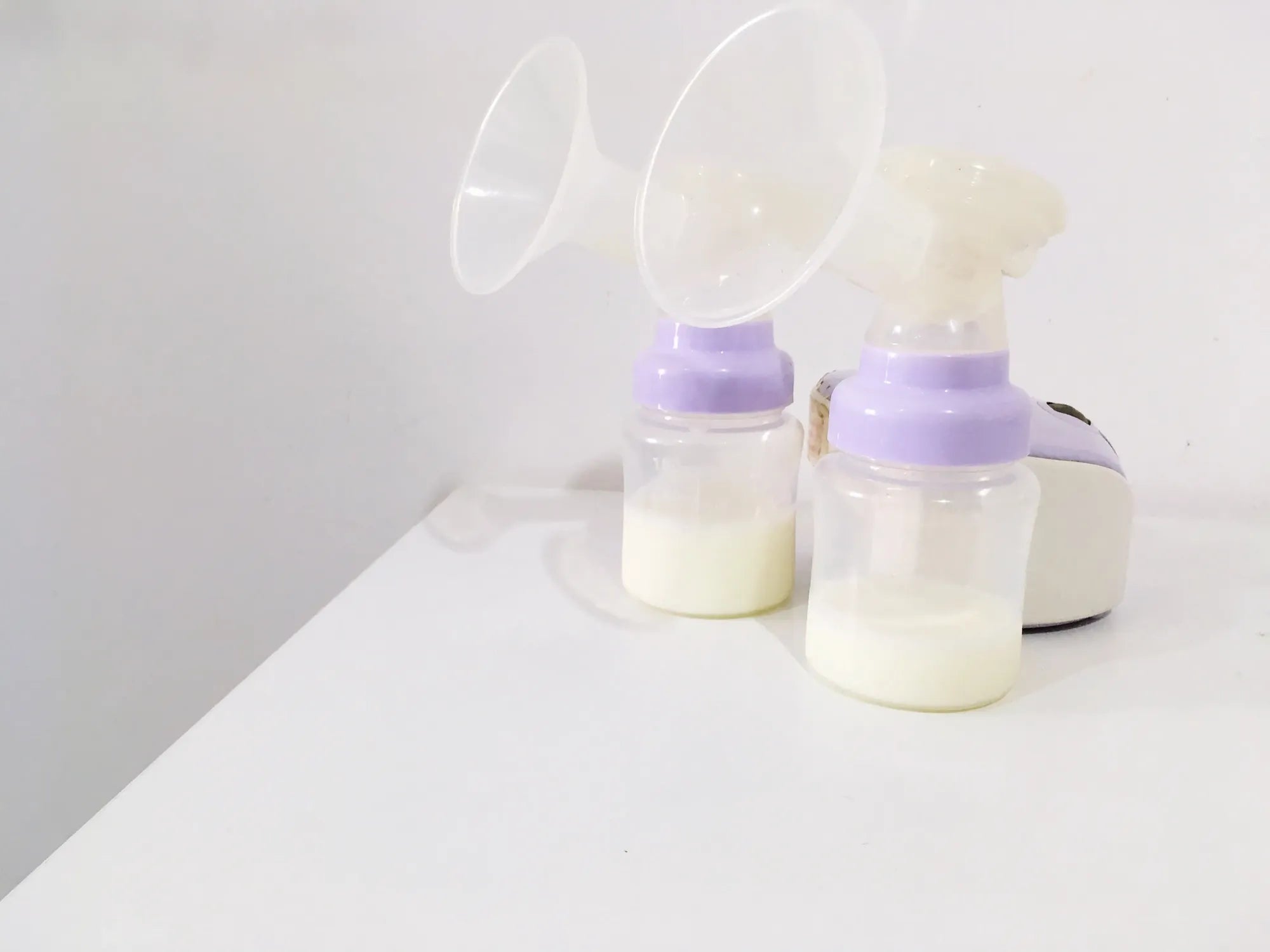
How to Know When to Pump Breast: A Comprehensive Guide for Every Stage
Knowing when to pump breast milk can feel like a confusing puzzle for new and experienced moms alike. Is it when you feel full? When the baby sleeps through a feed? Or is it strictly by the clock? This guide cuts through the uncertainty, providing a clear, evidence-based framework to help you tune into your body, your baby's needs, and your lifestyle. You'll learn to recognize the key signs, build a sustainable routine, and navigate special scenarios with confidence. As a trusted maternal and baby care brand, MomMed is dedicated to supporting this journey with reliable, comfortable products that empower you with flexibility, from our wearable breast pumps to essential feeding gear.
Understanding the Fundamentals: Why Timing Matters
Breast milk production operates on a supply-and-demand principle. The more frequently and effectively milk is removed—either by your baby or a pump—the more your body is signaled to produce. Timing your pumping sessions correctly is therefore not just about convenience; it's a critical tool for establishing, protecting, and maintaining your milk supply. It can prevent painful issues like engorgement and mastitis, help you build a stash for future needs, and provide crucial nourishment if direct breastfeeding isn't always possible.
There is no universal, one-size-fits-all schedule. The "right" time to pump is uniquely personal, influenced by factors like your baby's age, feeding patterns, whether you're exclusively pumping or combining it with nursing, and your daily routine. This guide will help you interpret the various cues to create a personalized approach. The goal is to move from guessing to knowing, reducing stress and making your pumping journey more effective and manageable.
Successful pumping hinges on three interconnected pillars: your body's physical signals, your baby's feeding behavior, and your personal schedule and goals. Ignoring one can lead to challenges. For instance, pumping strictly on a schedule while ignoring signs of engorgement can be uncomfortable, while only pumping when engorged might not be enough to build a sufficient stash for returning to work. We will explore each pillar in detail.
Modern technology plays a supportive role in this process. Innovations like wearable, hospital-grade breast pumps from trusted brands like MomMed allow you to respond to your body's cues and adhere to optimal schedules without being tethered to a wall outlet, making the ideal timing practically achievable in a busy life.
Key Physical and Situational Signs It's Time to Pump
Your body often provides clear signals that it's time to express milk. Learning this bodily language is the first step in knowing when to pump breast milk effectively. These signs can be physical sensations or practical situations that arise in your day.
Unmistakable Physical Signals from Your Body
Engorgement is a primary cue. This is when your breasts feel very full, hard, warm, tight, and possibly lumpy. While some fullness between feeds is normal, significant discomfort indicates a need for milk removal to relieve pressure and maintain supply health. Pumping to comfort—not necessarily to complete emptiness—can provide relief.
Leaking or Let-down Sensations at unexpected times are strong indicators. If you feel the tingling sensation of a let-down reflex or notice milk leaking when you hear a baby cry (even not your own) or think about your baby, your body is ready. This is an excellent time to pump, as you can often achieve a faster, more productive session.
Feeling overfull between feedings, especially if your baby has recently started sleeping longer stretches at night or is taking shorter feeds, suggests your current removal pattern needs adjustment. Adding a pumping session can bridge this gap, keep you comfortable, and signal your body to calibrate supply to the new normal.
Pumping for comfort before nursing can be necessary if you are extremely engorged and your baby struggles to latch onto a very hard breast. A brief 2-3 minute pump to soften the areola can make latching easier and more effective for your baby.
Common Situational and Lifestyle Cues
Missing a Direct Feeding is a major situational cue. Whether you're returning to work, heading out for an appointment, or enjoying a date night, you should pump during the time your baby would typically feed. This maintains your supply and provides milk for that missed feeding.
When your baby sleeps for an unusually long period, such as a first long night stretch, pumping can maintain your rhythm. If you go beyond 4-5 hours without removal in the early months, it can signal your body to slow production. A quick session protects your supply.
Intentional stash-building is a proactive reason to pump. The best time for this is often 30-60 minutes after your first morning feed when milk production hormones are high and your baby has left some milk volume. This creates a surplus without robbing your baby of their next meal.
Relief for conditions like plugged ducts requires timely pumping. If you feel a tender lump, pumping more frequently, starting with the affected breast, and using massage can help clear the blockage before it progresses to mastitis.
Building Your Pumping Schedule: From Newborn to Beyond
While responding to cues is vital, a predictable routine provides a reliable foundation. Your schedule will evolve dramatically from the early weeks to later stages.
The Early Days: Establishing Supply (0-12 Weeks)
In the critical first 12 weeks, your body is learning how much milk to make. Frequency is paramount. If you are exclusively pumping, you should aim for 8-12 sessions per 24 hours, mimicking a newborn's feeding pattern, including at least one session overnight. Each session should typically last 15-20 minutes or until milk flow significantly slows.
If you are pumping to supplement nursing and boost supply, adding 1-2 pumping sessions right after or between nursing sessions is highly effective. A common strategy is to pump for 10-15 minutes after your first morning feed and again in the evening after your baby's last feed, when prolactin levels are naturally higher.
Consistency in these early weeks trains your body for robust long-term production. Skipping sessions, especially overnight, can inadvertently signal your body that less milk is needed. Using an efficient, comfortable pump like the MomMed S21 Wearable Pump can make this demanding schedule more sustainable by offering hands-free convenience.
Remember, in these early stages, you may not always feel "full" before pumping. It's the consistent, frequent removal that builds supply, not waiting for a sensation of fullness.
Maintaining Supply & Strategic Stash Building
Once your supply is well-established (usually after 12 weeks), you can shift to a maintenance schedule focused on total daily volume and your personal goals. Many moms find a rhythm of pumping 4-6 times per 24 hours sufficient to maintain supply if sessions are effective.
For stash building, consistency is more important than volume. Adding one extra pumping session at the same time each day—like after the morning feed—is more effective than sporadic, longer sessions. Your body adapts to produce a little extra at that predictable time.
If your goal is simply to maintain supply while away from baby during the day (e.g., a workday), you need to pump as often as your baby typically feeds during that period. This usually means every 2-4 hours. The total ounces pumped per day should roughly match what your baby consumes.
This is the stage where wearable pumps truly shine. A MomMed wearable pump allows you to seamlessly integrate that extra stash-building session into your morning routine or pump discreetly during a work break without interrupting your flow.
The Return-to-Work Pumping Schedule
Returning to work requires strategic planning. Aim to pump for every bottle your baby will take while you're apart. A typical 9-hour workday might require 2-3 pumping sessions.
Sample Schedule: Nurse baby right before leaving. Pump at mid-morning (e.g., 10 AM), at lunch (1 PM), and mid-afternoon (4 PM). Nurse baby as soon as you are reunited. This pattern roughly mimics a typical feeding rhythm for an older infant.
Communication with your employer is key to securing the time and private space for these sessions. The quiet, discreet design of hospital-grade wearable pumps like those from MomMed can make pumping at work less stressful and more efficient, as you can potentially continue working during your session.
Maintain your usual nursing pattern when you are with your baby (evenings, nights, weekends) to sustain your overall supply and bonding. Your total daily pumping output may fluctuate; focus on the weekly average rather than a single session's volume.
Special Scenarios: Tailoring Your Timing Strategy
Certain situations require specific, sometimes more rigorous, timing approaches to ensure both milk supply and maternal health are prioritized.
Pumping for a NICU or Premature Baby
This scenario demands a strict, frequent schedule to initiate and build a milk supply, often before the baby can nurse directly. The goal is to simulate a full-term baby's feeding pattern to provide the best nutrition and protective factors for your vulnerable baby.
You should begin pumping within 6 hours of birth and continue every 2-3 hours around the clock, with no more than one 4-5 hour break at night, for a total of 8-12 sessions per day. This frequency is non-negotiable in the early weeks to establish a robust supply.
Session duration should be about 15-20 minutes of double pumping, ensuring effective milk removal. Using a hospital-grade pump, which MomMed's core pumps are designed to match in performance, is often recommended for its efficiency and power in these critical early stages.
This schedule is demanding but temporary. As your baby grows and begins to breastfeed directly, you can gradually replace pumping sessions with direct feeds, following the guidance of your NICU lactation consultant.
Managing Oversupply vs. Low Supply
Your pumping timing strategy flips depending on which issue you're managing.
For Oversupply: The goal is to remove milk for comfort without over-stimulating production. Avoid pumping to complete emptiness. Instead, pump just enough to relieve painful engorgement (e.g., 1-2 ounces or for just a few minutes). Do not pump between feeds unless absolutely necessary for comfort. Let your baby finish on one breast per feed to help regulate supply naturally.
For Perceived Low Supply: The strategy is to increase stimulation. Add 1-2 extra pumping sessions per day. The most effective method is power pumping: pump for 20 minutes, rest for 10, pump for 10, rest for 10, pump for 10. This 1-hour session, done once a day for 3-7 days, mimics cluster feeding and can help boost production. Doing this after your morning feed or in the late evening is often most effective.
Always consult an International Board Certified Lactation Consultant (IBCLC) to diagnose true low supply and create a personalized plan. They may also assess your pump flange fit—an incorrect size, even by a few millimeters, can drastically reduce output.
Preparing for a Planned Separation or Weaning
To build a freezer stash for a future trip or wean from the pump, advance planning is essential.
For a Stash: Start 3-6 weeks in advance. Add one consistent daily pumping session, as described earlier. Focus on gradual accumulation; even 2-4 extra ounces per day adds up to a significant stash over a month. Store milk in small quantities (2-4 oz) to avoid waste.
For Weaning from Pumping: Do so gradually to avoid engorgement and mastitis. Start by shortening each pumping session by 2-5 minutes. After a few days, drop one entire session. Continue this pattern, spacing remaining sessions further apart, over several weeks. Listen to your body; if you become uncomfortably full, express just enough for relief.
Leveraging Technology: How MomMed Pumps Support Perfect Timing
Knowing when to pump is one challenge; being able to act on that knowledge conveniently is another. Modern wearable pump technology bridges this gap, empowering you to follow optimal timing without disruption.
Hands-Free Convenience to Catch the Ideal Moment
The cordless, in-bra design of a MomMed wearable pump means you're always ready. When you feel that let-down sensation or realize it's time for your stash-building session, you can simply insert the pumps and continue your day. This eliminates the barrier of being tethered to an outlet, making it easier to stick to a schedule whether you're preparing dinner, working on a computer, or caring for an older child.
Comfort and Efficiency for Effective Milk Removal
Effective timing is wasted if the pumping session itself isn't productive. MomMed pumps, like the S21 model, feature multiple stimulation and expression modes with adjustable suction levels. This allows you to find the perfect, comfortable setting that triggers an efficient let-down and thoroughly drains the breast, which is crucial for supply signaling. The ultra-quiet, hospital-grade motor ensures a powerful yet discreet session anywhere.
Safety and Simplicity for Consistent Practice
Peace of mind encourages consistency. All MomMed breast pumps are constructed with BPA-free, food-grade silicone and materials that meet stringent safety standards. This allows you to focus on your timing and your baby, not on safety concerns. Intuitive controls and easy cleaning further reduce friction, making the act of pumping simpler and more likely to be integrated seamlessly into your daily rhythm.
Comparing Pumping Triggers: Body Cues vs. Scheduled Routines
Understanding when to pump breast milk often involves a balance between following a schedule and responding to your body. This table outlines the key differences, advantages, and best use cases for each approach.
| Aspect | Pumping Based on Body Cues | Pumping on a Set Schedule |
|---|---|---|
| Primary Focus | Responding to physical sensations (engorgement, leaking). | Adhering to predetermined times (e.g., every 3 hours). |
| Best For | Early postpartum, managing oversupply, occasional pumping. | Exclusive pumping, returning to work, building a stash, low supply. |
| Key Advantage | Prevents severe engorgement; highly responsive to body's needs. | Builds and maintains supply reliably; predictable and plan-friendly. |
| Potential Drawback | Can be irregular; may not provide enough stimulation for some. | May lead to pumping when not "full," which requires discipline. |
| Role of Wearable Pumps | Allows immediate response to cues without stopping activities. | Makes adhering to a rigid schedule feasible in busy environments. |
Answers to Common Pumping Timing Questions (FAQs)
Q: How long after feeding should I wait to pump?
A: It depends on your goal. To boost supply, pump immediately after or between nursing sessions. To build a stash without affecting the next feed, wait 30-60 minutes after a feeding, ideally after the first morning feed.
Q: Can I pump too often?
A: In the early weeks, frequent pumping is essential to build supply. However, once supply is established, excessive pumping (e.g., every hour for long periods) can lead to oversupply, nipple damage, and burnout. For most, 8-12 times per day is for establishment, 4-6 for maintenance.
Q: I don't feel "full." Should I still pump on schedule?
A> Yes. The feeling of fullness often decreases as your supply regulates (around 6-12 weeks). Your body is becoming more efficient. Consistent removal on schedule is what maintains supply, not the sensation of fullness. Trust the process and your schedule.
Q: How do I know if I'm pumping enough?
A> Monitor your baby, not just the bottle. If your baby is producing 5-6 wet diapers and 3-4 soiled diapers per day (after day 5), is gaining weight appropriately, and seems satisfied after feeds, your output is sufficient. Pumping output varies; average total daily volumes range from 24-32 oz for a baby 1-6 months old.
Q: Is it okay to pump just one side at a time?
A> Yes, this is a common strategy, especially when nursing on the other side simultaneously or when using a single wearable pump like the MomMed S12. It can be more convenient and allows for hands-free nursing or multitasking. Just ensure you alternate sides to maintain balanced stimulation.
Mastering Your Unique Pumping Rhythm
Knowing when to pump breast milk transforms from a source of anxiety to an empowered decision-making process. It is a dynamic skill that blends the science of milk production with the art of listening to your body and adapting to your life. Remember the core pillars: respond to physical cues for comfort, adhere to a routine for supply security, and use strategic timing for specific goals like stash building or managing supply issues.
Your journey is unique. What works for one mother may need tweaking for another. Be patient with yourself as you learn this new language of lactation. Tools designed with a mother's reality in mind, like MomMed's wearable breast pumps, exist to support this flexibility, offering comfort and freedom precisely when you need it.
You are not just feeding your baby; you are nourishing them with resilience and love. Every session, whether prompted by a clock or a sensation, is a testament to that commitment. Trust your instincts, leverage reliable knowledge, and equip yourself with products that make the journey smoother.
Ready to pump on your own terms? Explore the MomMed collection at mommed.com for innovative, comfortable, and reliable wearable breast pumps, breastfeeding accessories, and baby care essentials designed to support every step of your parenting journey.