


Home
Pregnancy, Breastfeeding, and Pumping: The Ultimate Guide for Moms
How to Clean Breast Pump on the Go: A Comprehensive Guide for Mobile Moms
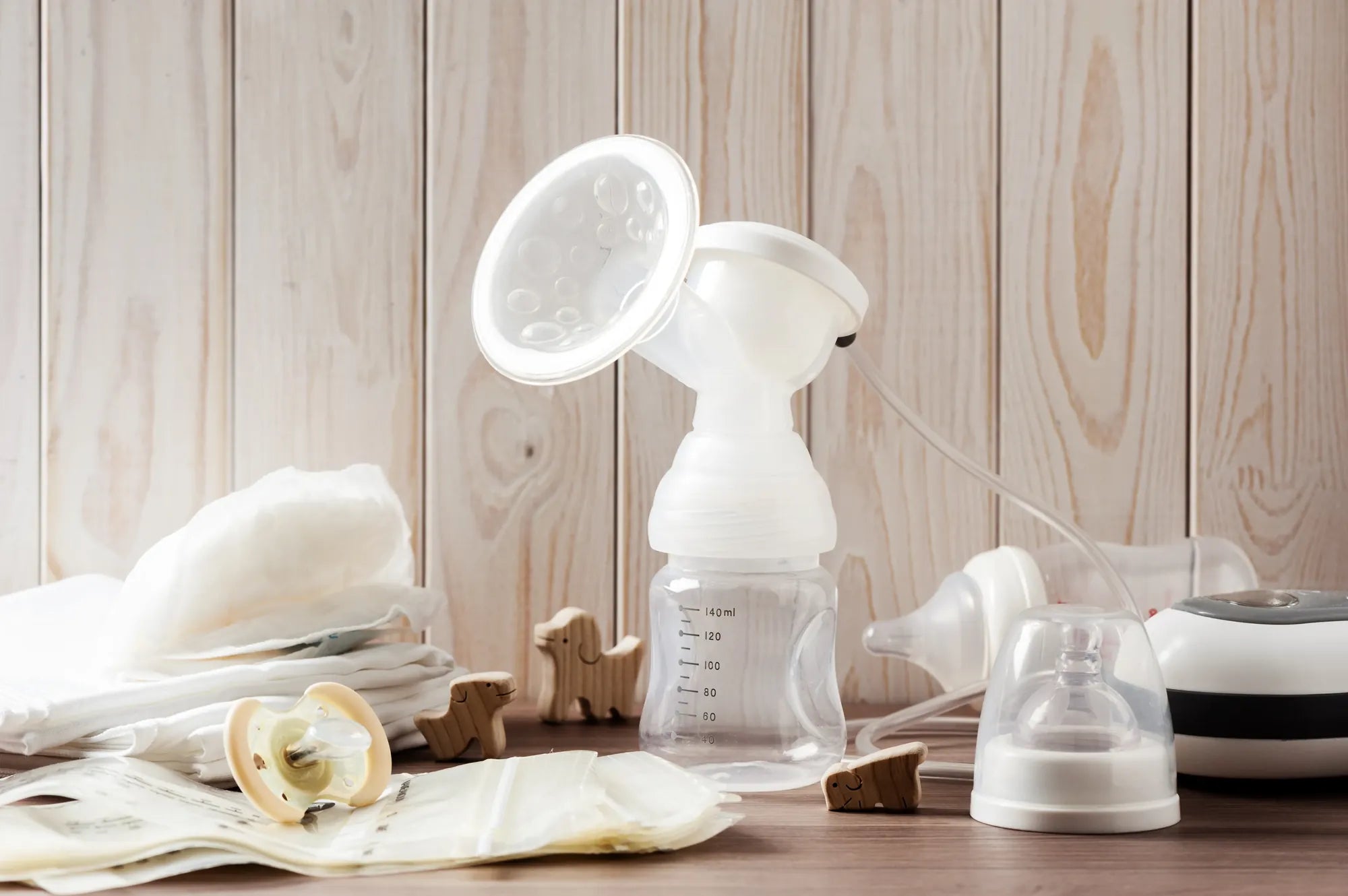
How to Clean Breast Pump on the Go: A Comprehensive Guide for Mobile Moms
Introduction: The On-the-Go Pumping Reality
For the modern breastfeeding parent, pumping is often a mobile activity. Whether you're returning to work, traveling, or simply managing errands, maintaining pump hygiene away from home is a critical, non-negotiable part of protecting your baby's health and your milk supply. This comprehensive guide delivers a practical, data-driven roadmap for mastering how to clean breast pump on the go, transforming a potential stressor into a manageable routine. We'll cover everything from assembling a fail-safe travel kit to executing CDC-aligned cleaning protocols in a public restroom, with special attention to the unique needs of wearable pumps like those from MomMed.
Understanding and implementing proper on-the-go cleaning is not just about convenience; it's a fundamental component of infant food safety. Milk residue left in pump parts creates an ideal environment for bacterial growth, which can contaminate your expressed milk. This guide prioritizes methods that are both highly effective and realistically achievable in various settings, empowering you to pump with confidence wherever your day takes you.
Why On-the-Go Pumping Hygiene is Non-Negotiable
The primary reason for meticulous pump cleaning is pathogen control. Breast milk itself is not sterile, but improper handling of pump parts can introduce harmful bacteria like E. coli, Salmonella, or Cronobacter. According to CDC guidelines, these bacteria can multiply rapidly in milk residue at room temperature, potentially causing serious illness in infants, especially those under 3 months, premature, or with compromised immune systems.
Furthermore, biofilm—a thin, sticky layer of bacteria—can form on pump parts that aren't thoroughly cleaned. Once established, biofilm is harder to remove and can persistently contaminate your milk. This makes consistent, correct cleaning after each use more effective than occasional, intense sanitizing. The goal is to remove all milk fat and proteins, the food source for bacteria, every single time.
For users of portable and wearable pumps, the hygiene standard must be identical to that of a hospital-grade pump. The innovation of a pump like the MomMed S21 Wearable Breast Pump lies in its discreet, cord-free design, not in a lowered safety threshold. Its BPA-free, food-grade silicone and plastic parts are designed for easy disassembly and cleaning, supporting a rigorous hygiene routine.
Your Essential On-the-Go Pump Cleaning Kit
Preparation is 90% of success for cleaning a breast pump on the go. A dedicated, well-stocked kit eliminates guesswork and ensures you have the right tools in any location. Keep this kit with your pump or in your diaper bag at all times.
Core Components:
- Travel-Sized, Unscented Dish Soap: Use a pump-safe soap free of dyes and heavy fragrances. Transfer a small amount into a leak-proof bottle.
- Dedicated Cleaning Brush: A small, compact brush designed for bottle and pump parts is essential for scrubbing crevices in valves and membranes.
- Collapsible Silicone Basin or Large Gallon-Sized Zip-Top Bags: A collapsible basin provides a clean washing vessel. Heavy-duty bags can serve as a makeshift basin for washing and rinsing when a sink isn't suitable.
- Microfiber Drying Mat or Clean Paper Towels: A quick-dry mat or a roll of paper towels provides a clean surface for air-drying.
- Clean, Breathable Container for Storage: A mesh bag or a container with ventilation holes allows cleaned parts to air dry fully if packed before completely dry.
Advanced/Sanitizing Add-Ons:
- Microwave Steam Sanitizer Bags: These are the gold standard for portable sanitizing. They are lightweight and require only a microwave and a small amount of water.
- Pump-Safe Sanitizing Wipes or No-Rinse Sanitizing Tablets: Useful for quick disinfection when no water or microwave is available. Always ensure they are designed for infant feeding items.
- Mini Travel Bottle of White Vinegar: Helpful for occasional descaling of pump parts if you are in an area with very hard water.
Step-by-Step: How to Clean Your Breast Pump Anywhere
This section breaks down the cleaning process into adaptable routines, from a quick between-sessions hold to a full wash with limited resources.
The Quick Rinse & Refrigerate Method (For Between Sessions)
The CDC states that if you cannot clean pump parts immediately after use, you may store them safely in a sealed container in a refrigerator for up to 4 hours. This is not a cleaning method but a safe holding pattern. After pumping, quickly rinse parts with cool water to remove visible milk residue. Shake off excess water and place the parts in a clean, sealed bag or container. Store them in the fridge until your next pumping session. This prevents bacterial growth at room temperature. Important: This method is for use within the same day only. You must perform a full wash with soap and water at the end of the day.
The Full Wash Routine (When You Have Access to a Sink)
This is the core cleaning method and should be performed at least once per 24 hours, ideally after every use if possible.
Step 1: Disassemble Immediately. Take apart every single component: flanges, valves, membranes, connectors, bottles, and any seals. Refer to your pump manual (e.g., MomMed pumps have simple, intuitive disassembly).
Step 2: Initial Rinse. Rinse all parts under cool running water. Using cool water first prevents milk proteins from “cooking” onto the plastic, which can happen with hot water.
Step 3: Wash. In your clean basin or sink, wash each part with warm water and a generous amount of unscented soap. Use your dedicated brush to scrub inside flanges, the tiny grooves in duckbill valves, and around any membranes. Pay special attention to areas where milk pools.
Step 4: Final Rinse. Rinse all parts thoroughly under running water to remove all soap residue. Soap residue can contaminate milk and cause stomach upset for your baby.
Drying Safely Without a Drying Rack
Proper drying is as crucial as washing. Bacteria and mold thrive in damp, dark environments.
On the go, place cleaned parts on a clean paper towel or your portable drying mat. Pat gently with another paper towel to remove most droplets. Arrange parts so air can circulate around them. If you must pack them before they are bone-dry, use a clean mesh bag or a container with ventilation holes—never a sealed plastic bag. If using a public restroom, place parts on fresh paper towels on a clean surface in your bag or stroller, not directly on the counter.
Sanitizing Options for Maximum Safety While Traveling
Sanitizing goes beyond cleaning to kill remaining germs. The CDC recommends daily sanitizing for extra precaution, especially for infants under 3 months, those with weakened immune systems, or if someone in your household is sick. For healthy older infants, thorough cleaning may be sufficient, but sanitizing while traveling adds a layer of security.
The following table compares the most practical on-the-go sanitizing methods:
| Method | How It Works | Best For | Key Considerations |
|---|---|---|---|
| Microwave Steam Bags | Place parts in bag with a small amount of water; microwave per instructions (typically 2-3 mins). Steam kills germs. | Hotels, workplace kitchens, any location with a microwave. | Extremely effective and portable. Ensure all parts are microwave-safe. Not for pump motors. |
| No-Rinse Sanitizing Tablets/Solution | Dissolve tablet in a container of cool water; submerge parts for recommended time (e.g., 15-30 mins). Air dry. | Travel without microwave access (hotel rooms, road trips). | Very convenient. Use food-grade, pump-safe tablets. Ensure proper dilution and contact time. |
| Sanitizing Wipes | Wipe down each part thoroughly with a pre-moistened, pump-safe sanitizing wipe. | Quick disinfection in public spaces or when water is scarce. | Check label for “no-rinse” claim. May not reach all crevices as effectively as immersion methods. |
| Boiling Water | Submerge parts in a pot of rolling boiling water for 5 minutes. | Short-term rentals or visits to family/friends with a kitchen. | Effective but least portable. Can degrade silicone parts faster over time. Use with caution. |
Special Considerations for Wearable Breast Pumps
Wearable breast pumps, such as the award-winning MomMed S21 Double Wearable Pump, offer unparalleled freedom but require mindful cleaning due to their integrated design. The core principle remains the same: every part that contacts milk must be cleaned after each use.
Flange and Cup Cleaning: The flanges on wearable pumps are often deeper and may have a more complex shape. Be meticulous in washing the interior where milk flows and the rim that seals against your breast. A small brush is indispensable here. MomMed pumps use soft, food-grade silicone flanges that are flexible for comfort but also easy to clean and durable for frequent washing.
Protecting the Motor Unit: This is the cardinal rule: never submerge the motor or any electrical component in water. For collection cups that integrate with the motor (like in all-in-one designs), only the removable inner parts that hold milk should be washed. Wipe the exterior of the motor housing with a damp cloth if needed, but ensure no moisture enters the ports or vents. Always refer to the manufacturer's instructions.
Valve and Membrane Care: Wearable pumps typically use discreet, silent valves like duckbill or diaphragm valves. These small parts are critical for suction and must be checked regularly for wear, tears, or milk residue. Clean them with extra care using your brush. Replace them as recommended (usually every 1-3 months) to maintain optimal pump performance and hygiene.
What to Avoid: Common On-the-Go Cleaning Mistakes
Avoiding these pitfalls is key to ensuring safety and prolonging the life of your pump.
- Using Harsh Chemicals or Public Bathroom Soap: Avoid bleach solutions not diluted correctly, antibacterial hand soaps, or scented dish soaps. They can leave toxic residues or degrade pump materials.
- Dishwasher Use for Travel: Unless explicitly stated by the manufacturer, do not use a public or hotel dishwasher. The detergents are often too strong, and water temperature may be excessively high.
- Incomplete Drying Before Storage: Storing parts while damp, especially in a sealed cooler bag with ice packs, creates a humid incubator for mold and bacteria. Always air-dry as thoroughly as possible.
- Using Kitchen or Bath Towels to Dry: Common towels harbor germs. Use only clean paper towels or a dedicated drying mat.
- Exceeding Safe Storage Times: Do not leave used, unwashed parts at room temperature for more than 1-2 hours. Do not extend the refrigerator method beyond 4 hours between uses.
- Ignoring Wear and Tear: Cracked tubing, stiffened valves, or cloudy plastic can harbor bacteria. Inspect parts regularly and replace worn components promptly.
Frequently Asked Questions (FAQ)
Q: Can I use public bathroom hand soap to wash my pump parts in a pinch?
A: It is not recommended. Public soaps are often antibacterial and contain strong fragrances or moisturizers that can leave a film on your pump parts. This residue is difficult to rinse off completely and may contaminate your milk. Always carry a small bottle of pump-safe, unscented dish soap.
Q: How do I clean my pump parts if I only have bottled water and no sink?
A: Use your bottled water for an initial rinse in a zip-top bag to remove the bulk of the milk. While not a substitute for washing with soap, this is better than nothing. Follow up as soon as possible with a proper wash or use a sanitizing wipe on each part. Prioritize getting to a sink or using a steam bag at your earliest opportunity.
Q: Is it okay to store slightly damp parts in my cooler bag with my milk?
A: Absolutely not. Your cooler bag is a cold, moist environment. Storing damp parts there promotes microbial and mold growth. Always pat parts as dry as possible with clean paper towels and store them in a separate, breathable bag. The cooler is for milk only.
Q: How often should I sanitize my MomMed wearable pump parts on the go?
A: For daily use, a thorough wash with hot, soapy water after each use is sufficient for many healthy, full-term infants. However, when on the go, sanitizing once per day (e.g., at the end of the day in your hotel room) provides an excellent extra layer of protection. If your baby is under 3 months, was premature, or is immunocompromised, follow CDC guidance to sanitize at least once daily.
Q: Can I clean the tubing of my breast pump on the go?
A: Tubing should not normally get wet or have milk backflow into it. If condensation appears, allow it to air-dry completely by hanging it. If milk accidentally enters the tubing, it is considered contaminated. Consult your manual; some tubing is washable, but most manufacturers recommend replacing it if milk enters, as it is nearly impossible to dry thoroughly inside.
Mastering Mobility: Pump with Confidence Anywhere
Knowing how to clean breast pump on the go effectively dismantles a major barrier to mobile breastfeeding and pumping. It transforms an essential task from a source of anxiety into a streamlined part of your routine. The cornerstone of success lies in preparation—your portable cleaning kit—and adherence to the fundamental sequence: rinse, wash with soap, rinse thoroughly, and dry completely. Integrating sanitizing tools like steam bags empowers you to achieve hospital-level hygiene in a hotel room or workplace.
Choosing a pump designed with the on-the-go parent in mind makes this process seamless. MomMed engineers its products, like the S21 Wearable Pump, with easy-to-disassemble, durable, BPA-free parts that stand up to frequent cleaning, supporting your commitment to providing safe, liquid gold for your baby no matter your location. Your journey is demanding, but with the right knowledge and tools, you can ensure every drop of milk is as pure and safe as if you were at home.
Ready to streamline your on-the-go pumping routine? Shop the MomMed collection at mommed.com for innovative, easy-to-clean wearable breast pumps, practical accessories, and all your breastfeeding and pregnancy needs.