


Home
Pregnancy, Breastfeeding, and Pumping: The Ultimate Guide for Moms
How Soon Can I Start Pumping My Breast Milk: A Comprehensive Guide for New Moms
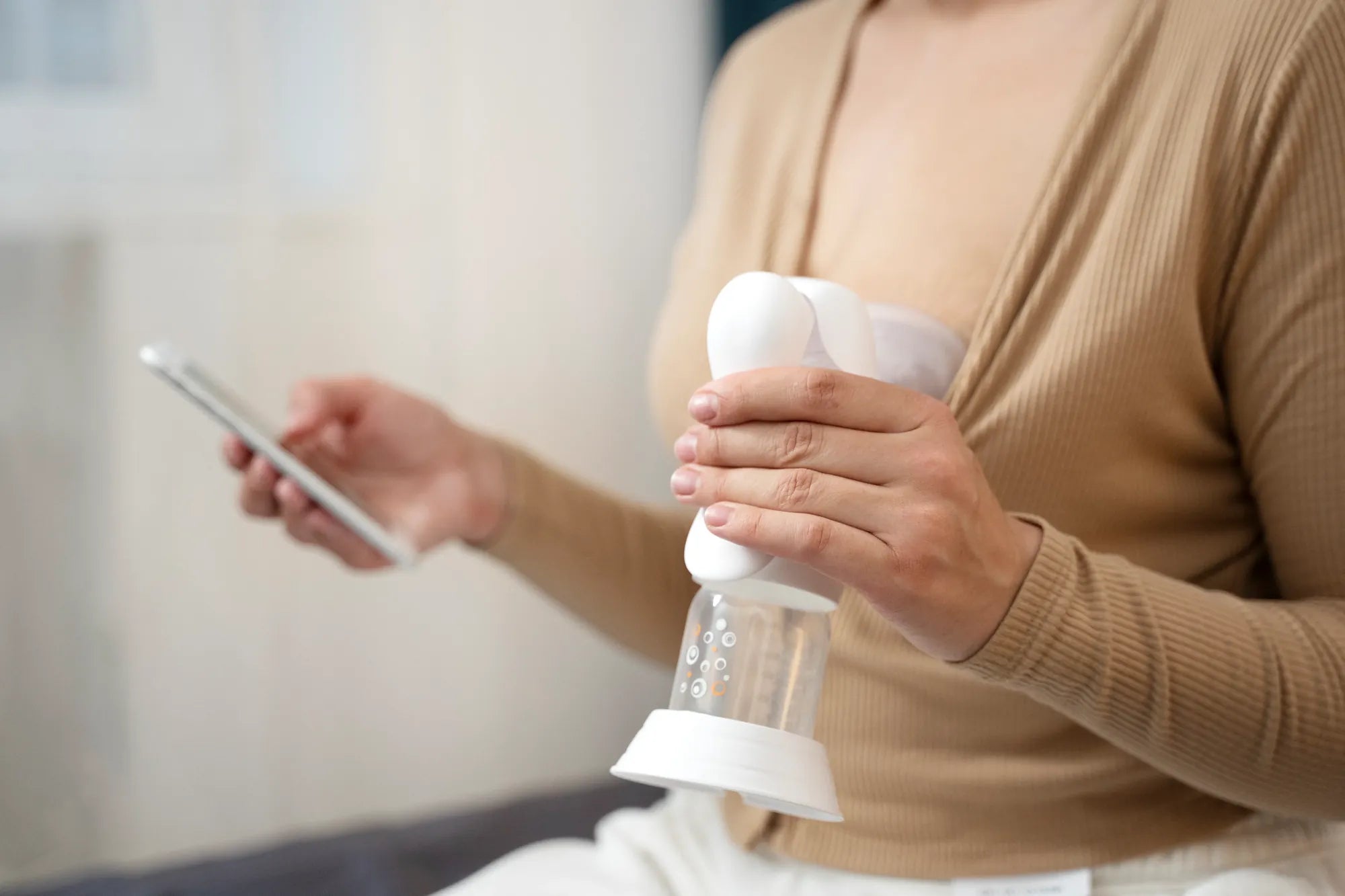
How Soon Can I Start Pumping My Breast Milk: A Comprehensive Guide for New Moms
Introduction: Understanding the "When" of Breast Pumping
Determining the right time to start pumping breast milk is one of the most common and pressing questions for new and expectant mothers. The answer isn't one-size-fits-all; it depends on your unique breastfeeding goals, your baby's health, and your personal circumstances. This guide provides a detailed, evidence-based roadmap to help you navigate this decision with confidence.
You'll learn how the physiology of milk production interacts with pumping timing, discover specific recommendations for different scenarios like returning to work or managing low supply, and gain practical tips for building a successful routine. Our goal is to empower you with knowledge, reducing anxiety and setting you up for pumping success.
As a trusted maternal and baby care brand, MomMed specializes in reliable, comfortable products like wearable breast pumps and feeding accessories, designed to support you through every stage of this journey. We're here to provide the information and tools you need.
Why Timing Matters: The Physiology of Early Milk Production
Your body's milk production follows a precise hormonal sequence known as lactogenesis. Understanding this process is key to timing your pumping effectively. Lactogenesis I begins during pregnancy, where your body produces small amounts of colostrum, the nutrient-dense "first milk." The real shift happens after birth.
Lactogenesis II, often called "the milk coming in," typically occurs between 30-72 hours postpartum. This is triggered by the rapid drop in progesterone after the placenta is delivered. Your body starts producing larger volumes of transitional milk. Early and frequent milk removal—whether by baby or pump—is the primary signal that tells your body how much milk to make.
Starting to pump too early without a specific medical indication can potentially lead to an oversupply, which may cause engorgement, mastitis, and a fussy baby struggling with fast let-down. Conversely, delaying pumping when you have a clear need—like building a stash for a return to work—can create unnecessary time pressure. The core principle is that supply follows demand; strategic timing aligns your pumping with your body's natural rhythms and your personal goals.
Scenario-Based Guide: When to Start Pumping for Different Goals
The optimal time to start pumping is directly tied to your individual situation. Here, we break down the most common scenarios with specific, actionable guidance to help you determine your ideal starting point.
For Mothers with a Healthy, Full-Term Baby & Direct Breastfeeding
If your baby is born at term, is latching well, and you plan to primarily breastfeed directly, the general recommendation is to wait 3-4 weeks before introducing regular pumping. This window allows you and your baby to establish a comfortable breastfeeding rhythm, your milk supply to regulate based on your baby's actual needs, and reduces the risk of creating an oversupply.
During this period, focus on feeding on demand. However, if you wish to have a small stash for occasional bottle feeds, you can begin sooner by adding one short pumping session per day. The best time is typically in the morning, about 30-60 minutes after your first feed, when prolactin (the milk-making hormone) levels are highest.
Start with just 5-10 minutes of pumping per breast. This approach is gentle and incremental. The key is consistency rather than duration. A comfortable, wearable pump like the MomMed S21 can make this easy, allowing you to pump hands-free while having your morning coffee or preparing breakfast.
For Mothers Needing to Boost or Protect Milk Supply
If you're concerned about low milk supply, your baby has a weak latch, or there are issues with weight gain, you may need to start pumping much earlier—often within the first few days postpartum. Early intervention is crucial for signaling your body to produce more milk.
In these cases, pumping acts as a supplemental tool. The goal is to empty the breasts thoroughly after or between feedings to provide additional stimulation. A technique called "power pumping" can be particularly effective: pump for 20 minutes, rest for 10, pump for 10, rest for 10, pump for 10. This one-hour session mimics a baby's cluster feeding and can help boost prolactin.
Consulting with an International Board Certified Lactation Consultant (IBCLC) is highly recommended for a personalized plan. They can assess latch, perform weighted feeds, and guide you on how much to pump to supplement effectively without compromising your baby's time at the breast.
For Mothers Preparing to Return to Work or School
Planning ahead is essential for a smooth transition. If you are directly breastfeeding and will be separated from your baby, aim to start building a freezer stash about 2-3 weeks before your return date. This gives you a buffer without putting excessive pressure on your body in the early weeks.
Begin by adding one pumping session per day, ideally in the morning. As your return date approaches, you can also practice bottle-feeding your baby with your expressed milk. This helps your baby get used to the bottle and allows you to gauge how much they typically take per feeding, which will inform how much milk you need to pump while apart.
A wearable pump becomes an invaluable asset here. The MomMed S21 Double Wearable Pump, with its discreet, cordless design, allows you to practice pumping while caring for your baby or handling household tasks, simulating the multitasking you'll likely do at work.
For Mothers with Premature or Hospitalized Babies
For mothers of babies in the Neonatal Intensive Care Unit (NICU), pumping is not just beneficial—it's often a critical part of their care. The goal is to initiate and maintain a milk supply until your baby is ready to feed directly. The standard recommendation is to start pumping within 6 hours of birth.
Frequent, effective removal is paramount. You should aim to pump 8-12 times every 24 hours, including at least once during the night, to mimic a newborn's feeding pattern. Initially, you will pump colostrum, which is measured in milliliters or even drops, but is incredibly rich in antibodies and nutrients vital for a preemie's development.
Hospitals usually provide a hospital-grade, double-electric pump for use during the NICU stay due to its superior efficiency in establishing supply. The consistent, strong suction helps signal your body to produce milk even without your baby's direct stimulation. Hand expression after pumping can also help maximize colostrum yield.
For Mothers Exclusively Pumping (EP)
If you plan to exclusively pump from the start, your timeline is immediate. You should begin pumping as soon as you are medically able after delivery, ideally within the first 6 hours. The goal is to establish a full milk supply solely through the pump, which requires a rigorous and consistent schedule.
You will need to pump 8-12 times per 24 hours, just as a newborn would feed. This frequency is non-negotiable in the early weeks to build a robust supply. Sessions should last about 15-20 minutes, or until milk flow significantly slows. Investing in a high-quality, comfortable double-electric pump is essential for efficiency.
Comfort and sustainability are key for EP moms. A pump with multiple stimulation and expression modes, like MomMed's range, allows you to find the most effective and comfortable rhythm. Proper flange fit is also critical to prevent pain and ensure optimal milk removal, which directly impacts supply.
Choosing Your Pump: Features That Support Your Timing & Comfort
The right breast pump can make adhering to your ideal timing not just possible, but comfortable and sustainable. Your pump should adapt to your life, whether you're pumping in the NICU, at your office desk, or while caring for other children.
Key features to consider include: portability for on-the-go moms, adjustable suction levels for personalized comfort, and quiet operation for discreet use. For mothers starting early or pumping frequently, a pump designed with comfort in mind can prevent nipple soreness and make longer sessions more tolerable.
MomMed's award-winning wearable pumps, such as the S21, are engineered with these needs at the core. Their hands-free, cordless design provides unparalleled freedom, allowing you to pump according to your schedule without being tethered to an outlet. The BPA-free, food-grade silicone components ensure safety for your baby, while multiple expression modes and adjustable suction let you find your perfect, comfortable setting to effectively stimulate milk flow, whether you're starting on day 3 or month 3.
Building a Successful Pumping Routine: First Steps & Tips
Once you've determined *when* to start, knowing *how* to start effectively is the next step. A good routine reduces stress and maximizes output.
First, practice hand expression. Before even using your pump, spend a few minutes massaging your breasts and hand-expressing colostrum or milk. This warms the tissue, stimulates let-down, and helps you become familiar with your body's signals. It's a valuable skill for times when a pump isn't available.
Pump after a feeding (or between, if exclusively pumping). For breastfeeding moms, pumping right after your baby nurses ensures they get their fill first. Your body will learn to produce a little extra. Morning sessions (between 1-5 AM) are often most productive due to higher prolactin levels.
Ensure proper flange fit. The flange (the funnel that fits over your nipple) is the most common source of pain and inefficiency. Your nipple should move freely without rubbing the sides, and only a small amount of areola should be drawn in. Most pumps come with standard 24mm or 27mm flanges, but many women need a different size. MomMed offers multiple flange size options to ensure a proper, comfortable fit.
Create a relaxing ritual. Stress can inhibit let-down. Look at photos or videos of your baby, listen to calming music, sip a warm drink, and use gentle breast massage before and during pumping. Keep your pump parts and bottles clean and within easy reach to streamline the process.
Pumping Schedules: A Comparative Overview
This table outlines sample pumping frequencies and goals based on different scenarios to help you visualize a potential routine. Always adjust based on your baby's needs and your body's response.
| Scenario / Goal | Recommended Start Time | Initial Pumping Frequency | Primary Objective | Key Product Consideration |
|---|---|---|---|---|
| Direct Breastfeeding (Building a Stash) | 3-4 weeks postpartum | 1x per day (after morning feed) | Create a small freezer supply without causing oversupply | Wearable pump for convenience (e.g., MomMed S21) |
| Low Supply / Supplementing | First few days (with guidance) | After or between most feedings (8+ times/24hrs) | Increase overall milk production through added stimulation | Efficient double-electric pump with adjustable settings |
| Returning to Work | 2-3 weeks before return | 1-2x per day to build stash, then match missed feeds during separation | Build a stash and maintain supply while apart from baby | Discreet, portable, and quiet wearable or portable pump |
| Premature/NICU Baby | Within 6 hours of birth | 8-12x per 24 hours (every 2-3 hours) | Establish and maintain supply for baby's medical needs | Hospital-grade rental pump initially, for maximum efficiency |
| Exclusively Pumping (EP) | Within 6 hours of birth | 8-12x per 24 hours (mimicking newborn feeding) | Establish a full milk supply solely via the pump | Durable, comfortable double-electric pump; multiple flange sizes |
Navigating Common Early Pumping Concerns (FAQ-Style)
Early pumping often comes with questions and worries. Here are clear answers to some of the most frequent concerns.
Q: I only get a few drops when I pump. Is this normal, especially early on?
A> Absolutely. In the first few days, you are producing colostrum, which is thick, nutrient-rich, and low in volume—often measured in teaspoons, not ounces. This is completely normal and exactly what your newborn needs. Consistent pumping will signal your body to increase volume as your milk transitions.
Q: Will pumping take milk away from my baby during a feed?
A> No. Your body makes milk on a supply-and-demand basis. Pumping *after* your baby nurses tells your body that more milk was "demanded," and it will respond by producing more for the next feeding. If you need to pump *before* a feed (e.g., due to extreme engorgement making latching difficult), only pump for 1-2 minutes just to soften the areola.
Q: How do I store my early milk (colostrum) safely?
A> Colostrum can be stored in small syringes or special storage containers. It can be kept at room temperature for 4-6 hours, in the refrigerator for up to 4 days, or in the freezer for up to 12 months. Label everything with the date and time. Mature milk follows similar guidelines: 4 hours room temp, 4 days in the fridge, 6-12 months in a deep freezer.
Q: My pump feels uncomfortable or painful. What should I do?
A> Pain is a sign that something needs adjustment. First, re-check your flange size—this is the most common issue. Second, ensure you are not using too high a suction setting; start on low stimulation mode until let-down occurs, then increase only to a comfortable level. Pumps designed with comfort in mind, like MomMed's, offer gradual, rhythmic suction to mimic a baby's nursing pattern more closely.
Q: Can I mix milk from different pumping sessions?
A> Yes, but with an important rule: you can only combine milk that is at the same temperature. Cool freshly expressed milk in the refrigerator first, then you can add it to other previously chilled milk from the same day. Never add warm milk to already frozen milk, as it can partially thaw and compromise the safety of the frozen stash.
Conclusion: Your Journey, Your Timeline
The question of how soon can I start pumping my breast milk is deeply personal, with an answer woven from your goals, your baby's needs, and your body's unique response. Whether you begin within hours of birth or weeks later, the foundation of success is the same: knowledge, consistency, and the right support.
Listen to your body, monitor your baby's output, and don't hesitate to seek guidance from lactation professionals. Remember, pumping is a skill that takes practice, and output can vary day to day. Your dedication is providing your baby with irreplaceable nutrition and comfort.
Equip yourself with tools that make the process easier. MomMed is committed to supporting your journey with innovative, comfortable, and reliable products designed by moms, for moms. From finding your perfect flange fit to enjoying the freedom of a truly wearable pump, we're here to help you navigate every step with confidence.
Ready to find the perfect pump for your timeline and lifestyle? Shop the MomMed collection at mommed.com for all your breastfeeding and pregnancy needs, including our award-winning S21 Wearable Breast Pump, designed for comfort, discretion, and efficiency wherever your journey takes you.