


Home
Pregnancy, Breastfeeding, and Pumping: The Ultimate Guide for Moms
How Much Should Each Breast Pump Cost? A Comprehensive Value Guide
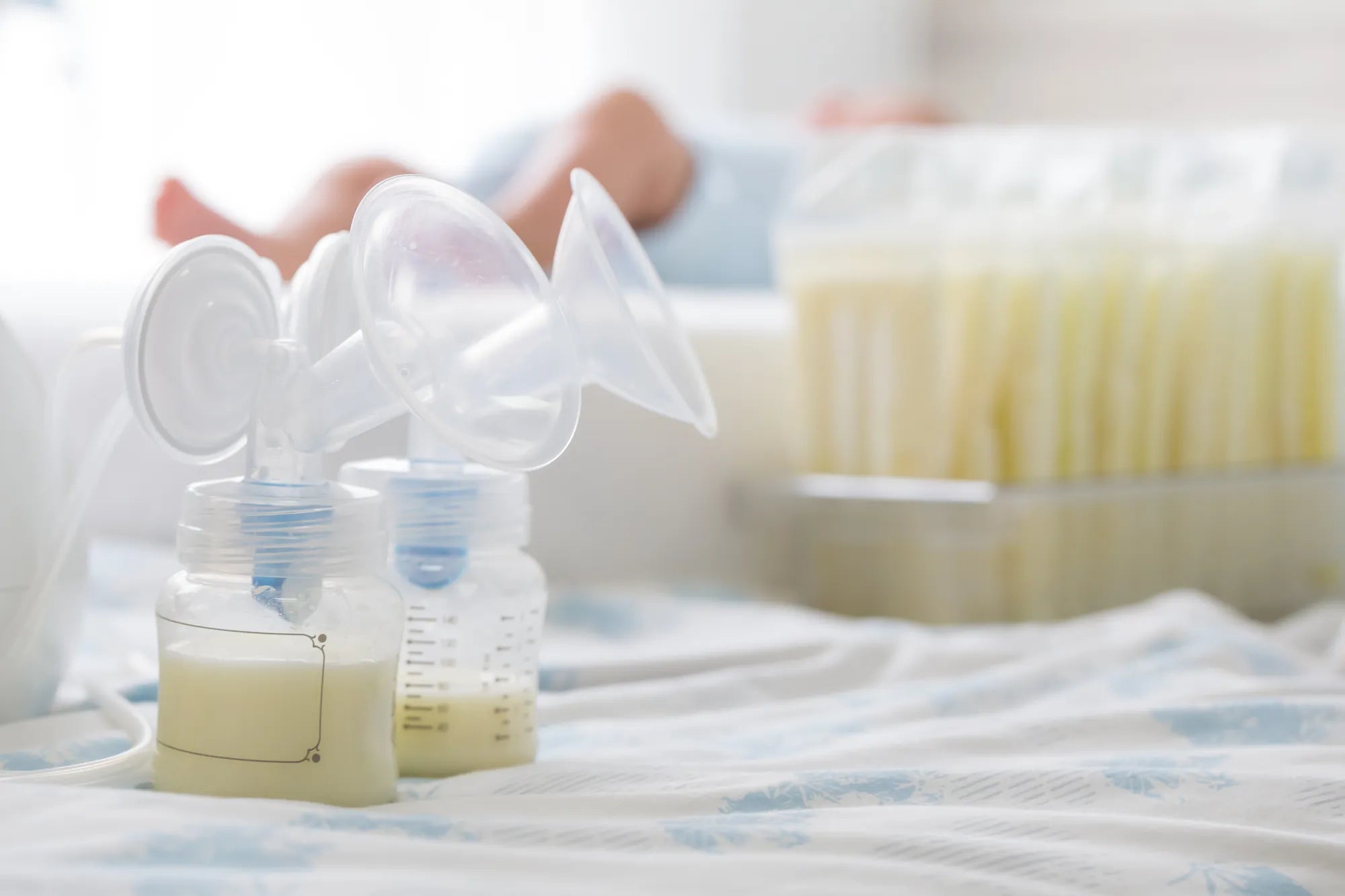
How Much Should Each Breast Pump Cost? A Comprehensive Value Guide
Understanding the Investment in Your Pumping Journey
Choosing a breast pump involves more than comparing price tags—it's an investment in your health, your baby's nutrition, and your personal freedom. The central question "How much should each breast pump cost?" lacks a single answer because value depends entirely on your unique pumping frequency, lifestyle needs, and breastfeeding goals. This comprehensive guide will demystify breast pump pricing, from basic manual models under $50 to advanced wearable systems over $500, helping you navigate the market with confidence.
We'll analyze the key technological and design factors that justify different price points, provide clear price ranges with realistic expectations, and explain how to maximize value through insurance benefits and smart shopping strategies. Whether you're an exclusive pumper, a working parent needing discreet options, or someone supplementing occasionally, understanding cost drivers ensures you invest wisely in equipment that supports your journey. The right pump isn't necessarily the most expensive—it's the one that reliably helps you meet your feeding goals while fitting comfortably into your life and budget.
Many parents underestimate how much their pumping patterns will evolve. A pump that seems sufficient during maternity leave might become inadequate when returning to work. Conversely, investing in premium features you won't use represents wasted resources. This guide provides the framework to make an informed decision that balances initial cost with long-term utility, helping you avoid both underspending on inadequate equipment and overspending on unnecessary features.
Key Factors That Determine Breast Pump Cost
Breast pump pricing reflects specific engineering, materials, and research investments. Understanding these components helps explain why two pumps with similar appearances can have dramatically different price tags. Manufacturers invest in motor technology, suction pattern research, material safety testing, and user-centered design—all factors that contribute to both performance and cost.
When evaluating any breast pump, consider these primary cost drivers as interconnected elements rather than isolated features. A pump with a superior motor but poorly designed flanges won't perform well, just as a comfortable wearable pump with weak suction becomes frustrating. The most successful pumps balance these elements effectively, which typically requires greater investment in research, development, and quality materials.
Pump Type & Core Technology
The fundamental pumping mechanism establishes the base price range. Manual pumps ($20-$60) represent the simplest technology—hand-operated suction with minimal moving parts. Single electric pumps ($40-$150) add a basic motor but limit efficiency to one breast at a time. Double electric pumps ($80-$300+) represent the standard for regular use, with more powerful motors and coordinated cycling.
Wearable/hands-free pumps ($150-$500+) incorporate miniaturized technology into self-contained units that fit inside your bra. Hospital-grade multi-user pumps ($1,000-$2,000+ for purchase, $50-$150/month to rent) feature the most powerful, durable motors designed for clinical settings or multiple users with separate accessory kits. Each technological leap increases manufacturing complexity and cost, but also delivers significant efficiency and convenience benefits.
Performance Specifications & Features
Motor performance directly correlates with price. Higher-end pumps offer stronger maximum suction (measured in mmHg), more precise incremental adjustment, and faster cycling speeds while maintaining consistent performance throughout sessions. Hospital-grade strength in a personal pump typically commands a premium price, as does research-backed suction pattern technology that mimics a baby's natural nursing rhythm.
Feature sets significantly impact cost. Basic pumps might offer 2-3 suction settings, while premium models provide 5-12 intensity levels, multiple expression modes (stimulation vs. expression), adjustable cycle speeds, and programmable memory settings. Smart features like Bluetooth connectivity, pumping tracking apps, and session data analytics represent the current technological frontier, adding both convenience and cost. Noise level reduction requires advanced engineering and sound-dampening materials, making quiet operation a premium feature many parents value.
Design, Comfort & Convenience
Ergonomic design and comfort features significantly influence price. Wearable, hands-free designs like MomMed's bra-integrated S21 pump represent substantial engineering achievements that command higher prices due to their compact motors, battery technology, and discreet profiles. The convenience of pumping anywhere without being tethered to an outlet or wall plug provides tangible value for active parents.
Comfort extends beyond wearability to flange design and material quality. Higher-priced pumps often include multiple flange sizes, angled designs for better fit, and softer, more flexible silicone that reduces nipple trauma. Some premium models feature massage cushions or temperature-regulating materials. Portability factors like battery life, weight, carrying cases, and included accessories (cooler bags, extra bottles) also contribute to both cost and daily usability.
Brand, Quality & Safety Standards
Reputable brands invest in clinical research, rigorous safety testing, quality materials, and customer support—all factors reflected in pricing. Brands like MomMed that use medical-grade, BPA-free materials and adhere to international safety standards typically price above generic alternatives. Third-party certifications from organizations like FDA clearance, CE marking, or UL listing indicate additional testing and compliance costs.
Warranty length and coverage provide insight into expected durability and manufacturer confidence. A one-year warranty suggests different longevity expectations than a two-year comprehensive warranty. Brands investing in lactation consultant partnerships, customer education resources, and responsive support teams build these services into product pricing. While lesser-known brands might offer similar-looking pumps at lower prices, they often cut corners on material safety, motor durability, or performance consistency.
Breast Pump Price Ranges: From Budget to Premium
Understanding standard price brackets helps establish realistic expectations for features and performance at different investment levels. These ranges reflect current market averages for new pumps from reputable brands, though sales, insurance coverage, and bundled packages can affect final costs. Remember that the "right" price point depends entirely on your anticipated usage patterns and personal needs rather than any objective quality hierarchy.
The following table summarizes what you can typically expect at each price tier:
| Price Range | Pump Types Available | Typical Features | Best For | Considerations |
|---|---|---|---|---|
| $20 - $80 | Manual pumps, Basic single electric | Simple operation, Portable, Minimal settings | Occasional use, Backup pump, Travel | Less efficient, Can be tiring, Few comfort features |
| $80 - $200 | Standard double electric, Basic wearable | Double pumping, Multiple settings, Moderate portability | Regular supplemental pumping, Return-to-work planning | May lack advanced features, Louder operation |
| $200 - $350 | Advanced double electric, Mid-range wearable | Hospital-grade suction, Customizable cycles, Quieter operation | Exclusive pumping, Working parents, Low supply concerns | Good balance of features and value |
| $350 - $500+ | Premium wearable systems, Smart pumps | True hands-free design, App connectivity, Advanced comfort | Active lifestyles, Discreet pumping, Maximizing convenience | Highest initial investment, Battery-dependent |
Budget-Friendly Picks ($20 - $80)
This entry-level range typically includes manual pumps and basic single electric models. Manual pumps like the MomMed Harmony offer simple, mechanical operation without batteries or cords, making them excellent emergency backups or for occasional use when you need quick relief. Their low cost makes them accessible, but frequent exclusive pumping with manual pumps becomes physically demanding and time-consuming.
Basic single electric pumps in this range provide motorized suction but usually lack customizable settings, cycle patterns, or strong suction strength. They're suitable for parents who pump once daily or less, or those needing a secondary pump for specific situations. The main limitations include slower milk removal, potential discomfort from limited settings, and the inefficiency of single pumping when you need to empty both breasts. However, for their intended purpose—supplemental, occasional use—they represent reasonable value.
Mid-Range Workhorses ($80 - $200)
The majority of insurance-covered pumps fall into this category, representing the standard for regular pumping. These double electric pumps offer reasonable efficiency with multiple suction settings, expression modes, and decent portability. Brands like MomMed offer models in this range that balance performance with affordability, featuring BPA-free materials, adjustable cycles, and included accessory kits.
This range also includes entry-level wearable pumps with basic hands-free functionality. While they may lack the discreet profiles or powerful suction of premium wearables, they provide valuable mobility for parents needing to multitask. The primary advantage of mid-range pumps is their proven reliability for daily use without premium pricing. They're suitable for parents returning to work, those pumping several times daily, or anyone needing consistent performance without advanced features.
Advanced Performance Pumps ($200 - $350)
This tier introduces hospital-grade suction strength in personal pumps, advanced cycling technology that mimics infant feeding patterns, and significantly quieter operation. Pumps in this range often feature more durable motors, longer warranties, and enhanced comfort options like soft silicone flanges and massage cushions. They're engineered for frequent, efficient sessions that protect milk supply during exclusive pumping or separation.
Mid-to-high-end wearable pumps also appear here, offering more discreet designs and better performance than budget wearables. These pumps represent strong value for serious pumpers who need reliable performance but don't require the absolute highest-end features. The additional investment typically yields faster pumping sessions, greater comfort during frequent use, and longer product lifespan—factors that justify the price premium for many parents.
Premium & Wearable Systems ($350 - $500+)
The premium category features cutting-edge technology like truly cordless, self-contained wearable pumps that fit completely inside your bra without external tubes or motors. Models like the award-winning MomMed S21 Double Wearable Breast Pump exemplify this category, offering hospital-grade performance in an ultra-discreet, silent design. These systems represent significant engineering achievements in miniaturization and battery technology.
Smart pumps with app connectivity, session tracking, and personalized recommendations also command premium prices. The value proposition centers on maximum convenience, discretion, and time savings. For parents pumping multiple times daily while working, caring for other children, or maintaining active lifestyles, the ability to pump anywhere without interruption can be worth the investment. These pumps often feature the highest-quality materials, longest warranties, and best customer support, reflecting their position as primary feeding tools rather than supplemental devices.
Maximizing Value: Insurance, Rentals & Smart Shopping
Understanding breast pump pricing is only half the equation—knowing how to access pumps at reduced costs or through alternative models completes your financial strategy. Most parents in the United States have insurance coverage for breast pumps, while rental options provide access to clinical-grade equipment without purchase commitments. Combining these options with savvy shopping approaches ensures you get optimal value regardless of your budget constraints.
Always research your specific benefits before purchasing, as coverage details vary significantly between insurance providers and individual plans. Some offer specific pump models at no cost, while others provide allowances you can apply toward higher-end pumps. Rental programs through hospitals or medical supply companies provide another pathway, particularly for specific clinical situations where maximum performance is temporarily needed.
Navigating Health Insurance Coverage (USA)
The Affordable Care Act mandates that most insurance plans cover breast pump costs, but implementation varies widely. Contact your insurance provider early in pregnancy to understand your specific benefits: which pumps are fully covered, whether you need a prescription, which suppliers are in-network, and if timing restrictions apply. Many insurers work with specific durable medical equipment (DME) suppliers who offer curated selections of mid-range pumps.
You can often upgrade from a fully-covered pump by paying the price difference. For example, if your insurance covers a $200 pump at 100%, you might pay $150 out-of-pocket to upgrade to a $350 model. This approach provides access to better technology while still leveraging your benefit. Some insurers provide cash allowances instead of specific pumps, giving you more flexibility to purchase directly from retailers. Always submit required documentation promptly and keep records of all communications regarding your pump coverage.
The Hospital-Grade Rental Option
Renting a clinical-grade, multi-user pump makes financial sense in specific situations: establishing milk supply with a premature infant, addressing low supply concerns under lactation consultant guidance, or during temporary breastfeeding challenges. These pumps cost $50-$150 monthly to rent but provide the strongest, most efficient suction available—often necessary for medical situations.
Rental pumps are maintained and sanitized by medical suppliers, with separate, sterile accessory kits provided to each user. This option avoids the $1,000+ purchase price while accessing superior performance when most needed. Most hospitals have lactation departments that coordinate rentals, or you can find providers through medical supply companies. Typically covered by insurance with proper documentation, rentals represent cost-effective access to premium performance without long-term commitment.
Evaluating Total Cost of Ownership
The purchase price represents only part of your financial investment. Consider ongoing costs like replacement parts (flanges, valves, membranes, tubing), accessory purchases (extra bottles, carrying bags, battery packs), and potential repair costs outside warranty. Some pumps use proprietary parts that cost more, while others work with standard-sized accessories available from multiple brands.
Durability directly impacts long-term value. A $300 pump that lasts through multiple children provides better value than a $150 pump that fails after six months. Read reviews focusing on longevity and manufacturer support. Consider resale value as well—some premium pumps retain significant value on secondary markets, offsetting initial costs if you plan to sell after use. Bundled packages that include accessories you'd purchase separately often provide better overall value than basic pump-only configurations.
Making Your Decision: Aligning Cost with Your Lifestyle
With pricing knowledge and value-maximizing strategies in hand, the final step connects your personal circumstances to the ideal pump investment. Your pumping frequency, lifestyle demands, breastfeeding goals, and physical comfort needs should drive your budget allocation rather than arbitrary price points. Different scenarios justify different investment levels based on expected return in time savings, feeding success, and personal well-being.
Consider creating a "pumping profile" that estimates your expected usage: How many months will you pump? How many sessions daily? Where will you pump (home, work, car)? What activities do you need to maintain while pumping? Answering these questions helps determine which features provide tangible value versus unnecessary extras. Remember that your needs may evolve, so some flexibility or upgrade potential might warrant additional investment.
For the Exclusive Pumper
If pumping will serve as your baby's primary milk source, invest in a durable, efficient, comfortable double electric or wearable pump as your main feeding tool. The pump replaces direct nursing, making its performance critical to maintaining supply and your sanity. Premium features like hospital-grade suction, customizable cycles, and quiet operation provide daily value through faster sessions and reduced discomfort during frequent use.
Consider this pump a medical necessity rather than a luxury—your body's response to pumping directly impacts milk production. Flanges that fit perfectly, suction patterns that mimic your baby's nursing, and reliable motors that maintain consistent performance justify higher price points. Many exclusive pumpers find wearable pumps like MomMed's S21 invaluable for maintaining pumping frequency without being confined to one location, directly supporting milk supply through convenient, regular emptying.
For the Working & On-the-Go Parent
Discreet, efficient pumping at work or during activities justifies investment in portable technology. Calculate the value of time saved: A pump that allows you to work while pumping or reduces session length provides tangible productivity returns. Wearable pumps that fit inside your bra enable pumping during meetings, commutes, or childcare without announcing your activity to colleagues.
Battery life, noise level, and ease of cleaning become premium features worth paying for when pumping in shared spaces. The ability to pump quickly and discreetly helps maintain supply during separation while minimizing work disruption. Many employers recognize this, with some even contributing to pump costs as workplace accommodations. The higher initial investment in a quality wearable system often pays for itself in maintained income and career continuity.
For the Occasional/Supplemental Pumper
If you plan to pump once daily or less—for occasional bottles, comfort relief, or temporary separation—a budget-friendly manual or single electric pump may suffice. Your investment should match your anticipated usage: occasional tools don't require the durability or advanced features of primary pumps. However, even occasional pumpers benefit from proper flange fit and basic comfort features.
Consider a mid-range double electric if you anticipate needs increasing over time, or if you want the option to pump more frequently without equipment limitations. Many parents start with occasional pumping that evolves into more regular sessions as they return to work or discover feeding preferences. A slightly higher initial investment in a versatile pump provides flexibility without immediate premium costs. Manual pumps serve excellently as backups regardless of your primary pump choice.
FAQ: Your Top Breast Pump Cost Questions Answered
Despite comprehensive guides, specific financial questions often remain. These answers address common concerns about pricing, value, and practical considerations when budgeting for a breast pump.
Is a more expensive pump always better?
Not necessarily "better" in absolute terms, but more expensive pumps typically offer greater efficiency, more comfort features, and enhanced durability. The key is matching pump capabilities to your specific needs. A $500 wearable pump provides little extra value if you only pump once weekly at home, while a $50 manual pump would frustrate someone pumping eight times daily. Evaluate features against your actual usage patterns rather than assuming higher price equals better performance for your situation.
Can I get a good pump for free through insurance?
Yes, most U.S. insurance plans provide a breast pump at no out-of-pocket cost, typically a reliable mid-range double electric pump suitable for regular use. The specific model varies by insurer and supplier network. You can often upgrade by paying the difference between the covered pump and a more advanced model. Contact your insurance provider during pregnancy to understand your specific benefits, required documentation, and timing for ordering.
Are wearable pumps worth the higher price?
For parents valuing discretion, mobility, and multitasking ability, absolutely. Wearable pumps like MomMed's S21 offer unparalleled convenience by allowing pumping during other activities. This convenience often translates to more consistent pumping sessions, which supports milk supply. The higher initial investment can be justified through time savings and increased pumping compliance. However, if you primarily pump in one location with privacy, a traditional double electric might provide similar performance at lower cost.
How long should a breast pump last?
Quality double electric pumps should last through 12-18 months of regular use (multiple daily sessions), with many lasting through multiple children. Motor durability, build quality, and proper maintenance affect lifespan. Premium pumps often feature longer warranties (2 years vs. 1 year) reflecting expected durability. Wearable pumps may have shorter lifespans due to battery degradation over time. Proper cleaning, part replacement, and following manufacturer guidelines extend any pump's functional life.
What hidden costs should I budget for?
Beyond the pump itself, budget for replacement parts: flanges ($15-$40 per pair), valves/membranes ($5-$20 monthly), tubing ($10-$20), and bottles/bags for milk storage. Consider accessories like hands-free pumping bras ($30-$60), cooler bags ($20-$50), extra battery packs ($20-$40), and cleaning supplies. If pumping at work, you might need privacy accommodations or additional storage. Some parents invest in pump warranties or insurance beyond the manufacturer period. Total accessory costs often reach $100-$200 beyond the pump price.
Conclusion: Investing in Your Feeding Journey
Determining how much each breast pump should cost ultimately depends on aligning price with personal value—the features that matter most to your feeding goals, lifestyle, and comfort. Rather than fixating on specific price points, focus on identifying the pump that reliably supports your breastfeeding journey while fitting reasonably within your financial situation. Whether through insurance benefits, strategic upgrades, or direct investment, the right pump represents one of the most important tools in your parenting toolkit.
Remember that cost extends beyond the initial purchase to include time savings, feeding success, and personal well-being. A pump that enables comfortable, efficient sessions supports both milk supply and your continued commitment to providing breast milk. Brands like MomMed balance innovative technology with trusted safety standards, offering options across price ranges to meet diverse needs while maintaining quality materials and performance.
Your breastfeeding journey is unique, and your pump should reflect that individuality. Invest in features that solve your specific challenges—whether that's discreet pumping at work, comfortable sessions during frequent use, or simple reliability for occasional needs. By understanding what drives breast pump costs and how to maximize value, you can make a confident investment that supports both your baby's nutrition and your parenting experience.
Ready to find your perfect pump match? Explore the MomMed collection at mommed.com, featuring award-winning wearable pumps, reliable electric models, and all the accessories you need for a successful breastfeeding journey. Our experts have helped thousands of parents find pumps that fit their lives and budgets—let us help you make the right investment in your feeding future.