


Home
Pregnancy, Breastfeeding, and Pumping: The Ultimate Guide for Moms
How Much Breast Milk Comes Out When Pumping: A Comprehensive Guide
How Much Breast Milk Comes Out When Pumping: A Comprehensive Guide
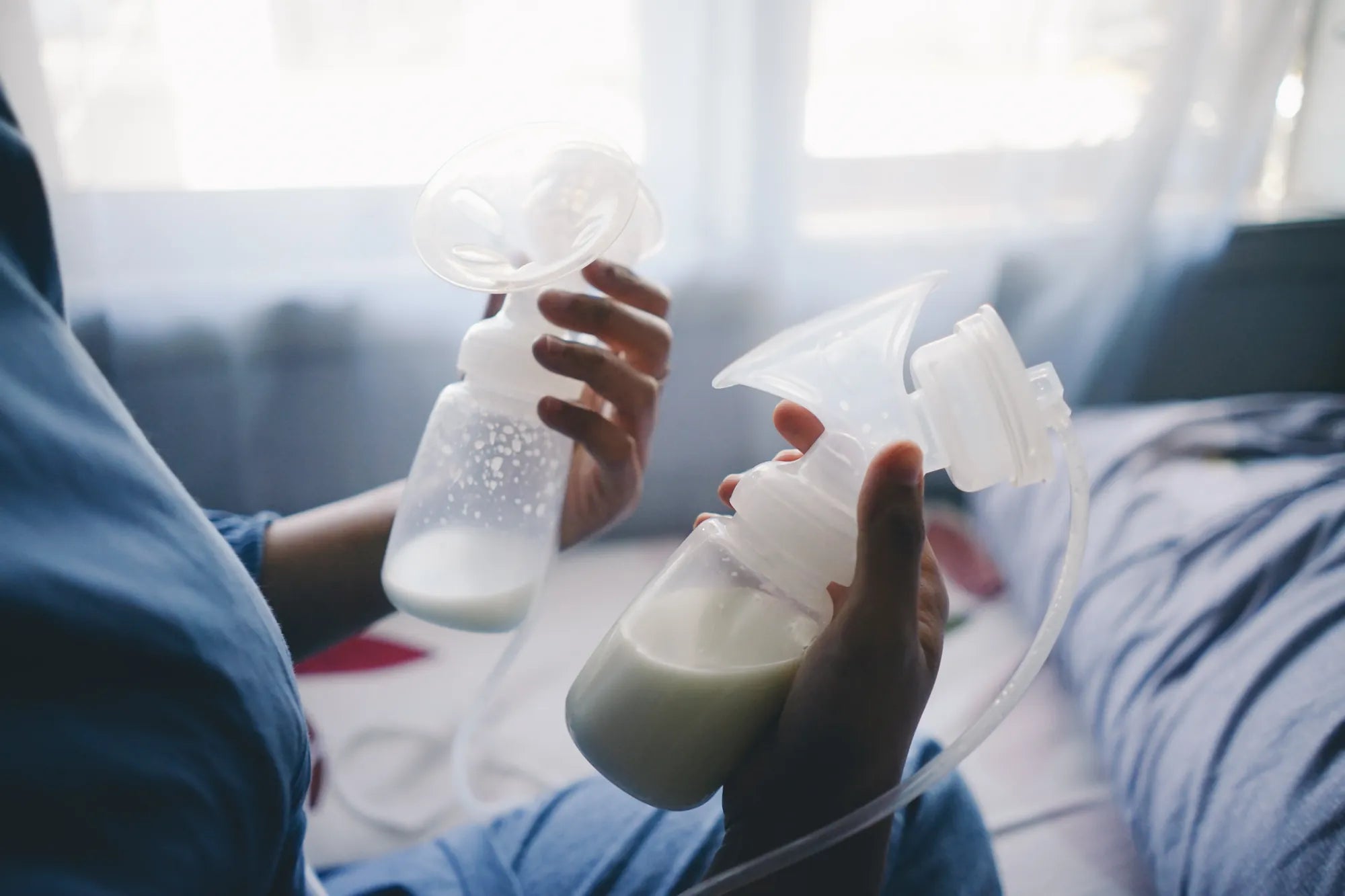
For many new mothers, the question of how much breast milk comes out when pumping is a common concern. Whether you're returning to work, building a freezer stash, or simply ensuring your baby has enough milk, understanding the dynamics of pumping can make a world of difference. This article dives deep into the factors that influence milk output, practical tips to enhance your pumping experience, and what you can realistically expect.
Factors Affecting Breast Milk Output When Pumping
Several factors can influence how much breast milk you produce when pumping. These include:
- Frequency of Pumping: Regular pumping sessions signal your body to produce more milk. Skipping sessions can reduce supply.
- Time of Day: Milk production is often higher in the morning due to elevated prolactin levels.
- Hydration and Nutrition: Staying hydrated and eating a balanced diet can positively impact milk supply.
- Stress Levels: High stress can hinder milk letdown, making it harder to express milk.
- Pump Quality and Fit: Using a well-maintained pump with the correct flange size can improve efficiency.
What Is a Normal Amount of Breast Milk When Pumping?
The amount of breast milk produced during pumping varies widely among individuals. On average, mothers express between 2 to 5 ounces per session, but this can fluctuate based on factors like the baby's age, feeding patterns, and the mother's overall health. It's important to remember that every mother's journey is unique, and comparing your output to others can lead to unnecessary stress.
Tips to Maximize Breast Milk Output When Pumping
If you're looking to increase your milk supply while pumping, consider these strategies:
- Pump Frequently: Aim to pump every 2-3 hours to mimic a baby's feeding schedule.
- Use Hands-On Pumping: Massaging your breasts before and during pumping can help stimulate milk flow.
- Stay Relaxed: Create a comfortable environment and practice deep breathing to reduce stress.
- Double Pump: Using a double electric pump can save time and increase output.
- Power Pumping: Mimic cluster feeding by pumping for short intervals over an hour to boost supply.
Common Challenges and How to Overcome Them
Many mothers face challenges when pumping, such as low milk output or difficulty with letdown. Here are some solutions:
- Low Milk Supply: Ensure you're pumping frequently and staying hydrated. Consult a lactation consultant if needed.
- Painful Pumping: Check the flange size and adjust the suction settings to avoid discomfort.
- Slow Letdown: Try relaxation techniques or look at photos of your baby to stimulate milk flow.
Realistic Expectations and Self-Care
It's essential to set realistic expectations for your pumping journey. While some mothers produce large quantities of milk, others may struggle to meet their goals. Remember that any amount of breast milk is beneficial for your baby. Prioritize self-care, seek support from loved ones, and don't hesitate to reach out to professionals if you need guidance.
Understanding how much breast milk comes out when pumping can empower you to navigate this aspect of motherhood with confidence. By focusing on the factors within your control and adopting effective strategies, you can optimize your pumping experience and provide your baby with the nourishment they need. Whether you're a seasoned pro or just starting out, remember that every drop counts, and your efforts are making a difference.
Share