


Home
Pregnancy, Breastfeeding, and Pumping: The Ultimate Guide for Moms
How Much Breast Milk Can You Pump: A Comprehensive Guide for Every Stage
How Much Breast Milk Can You Pump: A Comprehensive Guide for Every Stage
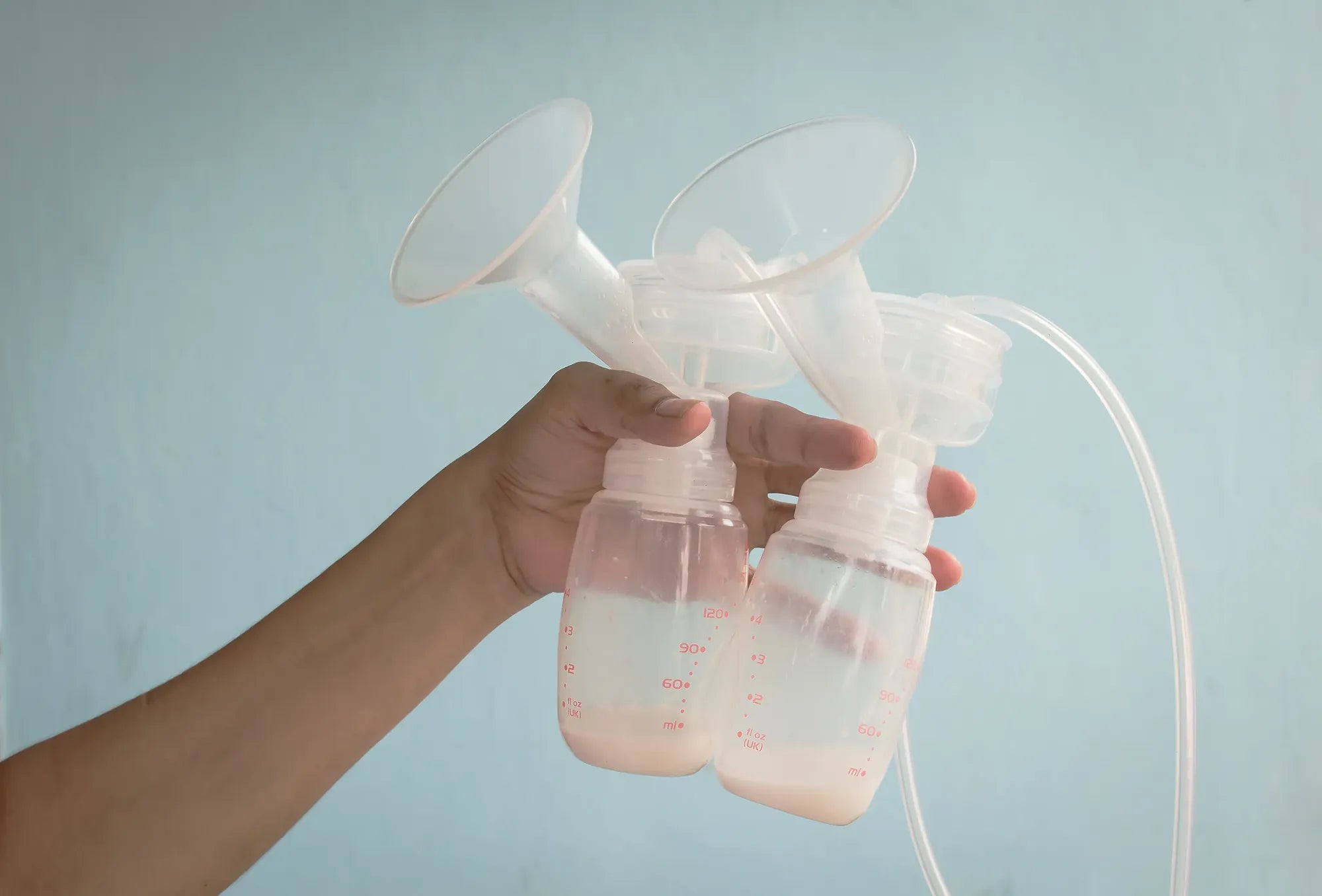
You stare at the bottles after a pumping session, wondering if the amount is "enough." This question—how much breast milk can you pump—is one of the most common and anxiety-inducing for breastfeeding parents. The answer is rarely a single number. This comprehensive guide will demystify pumping output, providing evidence-based data, realistic expectations, and practical strategies. You'll learn how factors like timing, equipment, and your baby's age create your unique normal, and how trusted tools from MomMed can support your journey toward confident and effective milk expression.
What Is a "Normal" Breast Milk Output? Setting Realistic Expectations
"Normal" pumping output spans a surprisingly wide spectrum. For a single pumping session, it's common to express anywhere from 0.5 ounces (15 mL) to 4 ounces (120 mL) total, and sometimes more, especially in the morning. This variation is completely typical and depends heavily on when you pump relative to a feeding.
A critical benchmark is the average intake of a exclusively breastfed baby. After the first month, babies typically consume about 25 to 35 ounces (750-1050 mL) per 24-hour period. However, your body produces milk on a supply-and-demand basis, so your total daily pumping output should be assessed over a full day, not per session.
Comparing your output to images of overflowing freezer stashes on social media is a recipe for stress. These represent a small fraction of experiences and are often the result of significant oversupply, which can come with its own challenges. The truest indicators of sufficient milk production are your baby's growth along their curve and an adequate number of wet and dirty diapers.
Ultimately, a "normal" output is the amount that meets your baby's needs, whether you're pumping exclusively, combining breastfeeding and pumping, or building a small stash for occasional separation. Focusing on effective milk removal and your baby's cues is far more valuable than fixating on ounces.
Key Factors That Influence How Much Milk You Can Pump
Your pumping output isn't random; it's influenced by a combination of physiological, mechanical, and environmental factors. Understanding these variables empowers you to optimize your routine and interpret your results accurately.
Your Baby's Age and Feeding Stage (The Supply & Demand Engine)
Milk production follows a distinct timeline. In the first 2-5 days postpartum, you produce colostrum—a thick, nutrient-dense fluid measured in teaspoons, not ounces. Pumping yields will be small but incredibly valuable.
As your milk "comes in" and transitions to mature milk (days 3-5 onward), volume increases. In the first month, your body is calibrating supply based on demand. Frequent, effective removal—either by your baby or your pump—is the primary driver for building and maintaining milk production.
By 4-6 weeks, supply typically regulates to match your baby's needs. Output per session may become more predictable. Remember, as your baby grows and their stomach capacity increases, the total daily volume they require plateaus; they simply consume more per feeding over fewer sessions.
Timing Matters: When You Pump Is Crucial
Your body follows circadian rhythms, with prolactin (the milk-making hormone) levels highest in the early morning hours. Consequently, most people experience their largest pumping output in the morning, often 1-3 hours after the first feed of the day.
Pumping between feedings, rather than immediately after, can yield more milk. If you pump right after a feed, you're collecting the leftover milk. Pumping an hour or so later allows some milk to re-accumulate. For exclusive pumpers or those building a stash, maintaining a consistent schedule that mimics a baby's feeding pattern (every 2-4 hours) is essential for signaling continuous demand.
Pump Technology and Fit: The Role of Your Equipment
The efficiency of your pump directly impacts output. A high-quality pump with adjustable suction and cycle settings can mimic a baby's nursing pattern more effectively, stimulating multiple let-downs. Worn-out parts—especially valves and membranes—are a leading cause of suddenly decreased output, as they fail to maintain proper suction.
Flange fit is paramount. A flange that is too large or too small can hinder milk flow, cause discomfort, and reduce output. The nipple should move freely in the tunnel without rubbing, and only a small amount of areola should be drawn in. MomMed pumps, like the S21 Double Wearable, come with multiple flange size options and are made from soft, BPA-free silicone to ensure a comfortable, effective seal for optimal milk removal.
Your Wellbeing: Stress, Hydration, and Nutrition
The let-down reflex (milk ejection reflex) is controlled by oxytocin, a hormone inhibited by stress and adrenaline. Creating a relaxed pumping environment—looking at photos/videos of your baby, using warmth, gentle breast massage—can facilitate let-down and improve output.
While you don't need to drink excessive fluids, dehydration can negatively affect supply. Aim for thirst-based drinking, with urine that is light yellow. Nutrition supports your overall energy; a balanced diet with adequate calories is important, but no single "superfood" dramatically increases supply. The cornerstone remains frequent, effective milk removal.
A Practical Guide: Estimating and Tracking Your Output
Moving from anxiety to actionable insight requires a systematic approach. Instead of judging each session in isolation, track your total output over 24-48 hours. This provides a more accurate picture of your production, smoothing out the natural highs and lows of individual sessions.
To estimate if your output aligns with your baby's needs, use the paced bottle-feeding method. This slow, responsive technique helps prevent overfeeding. A general rule is that babies need about 1-1.5 ounces of breast milk per hour of separation. For a 3-hour separation, a 3-4.5 ounce bottle is typically sufficient.
Consider using a simple log or a breastfeeding app. Record the time, duration, output per breast, and notes on your mood or any techniques used (like massage). This data can reveal patterns—like your highest-yield time of day—and provide concrete information if you need to consult a lactation consultant.
Remember, the goal of tracking is empowerment, not obsession. Use it as a diagnostic tool for a week or two to establish a baseline, not as a daily report card on your worth as a parent.
Troubleshooting: When Output Seems Lower Than Expected
A dip in output can be worrying, but it's often temporary and solvable. Methodically working through common issues can help you identify and address the root cause.
Is Your Pump Working Effectively?
Start with a mechanical check. Inspect all valves, membranes, and duckbills for tears, stiffness, or wear. These parts should be replaced regularly (often every 4-12 weeks, depending on use). Ensure all connections are tight and the bottle threads aren't cracked. For wearable pumps like the MomMed S21, confirm the unit is fully charged, as low battery can reduce suction power.
Re-evaluate your flange size. Your size can change over time, especially in the early postpartum weeks. Signs of poor fit include nipple blanching (turning white), pain during pumping, or large amounts of areola being pulled into the tunnel. MomMed offers a printable sizing guide and a range of flange inserts to help you achieve a perfect, comfortable fit.
Optimizing Your Pumping Routine
Incorporate hands-on pumping techniques. Gently massaging your breasts before and during pumping, and using breast compression while pumping, can help empty the breasts more thoroughly, which signals your body to make more milk.
Ensure your pump settings are optimized. Start in a fast, light "stimulation" mode to trigger let-down. Once milk flows, switch to a slower, deeper "expression" mode. The suction should be as high as is comfortable but never painful. Increasing frequency, even for a day or two ("power pumping"), can help boost supply by mimicking a cluster-feeding baby.
When to Seek Support: Lactation Consultants and Healthcare Providers
If you've checked equipment and routine without improvement, or if you have concerns about your baby's weight gain, seek professional support. An International Board Certified Lactation Consultant (IBCLC) can perform a weighted feed to assess transfer at the breast, evaluate your pump fit and technique in person, and develop a personalized plan.
Consult your healthcare provider to rule out underlying medical issues that can affect supply, such as hormonal imbalances (e.g., thyroid disorders, retained placenta), certain medications, or anatomical factors. Persistent pain, fever, or red, swollen areas on the breast may indicate mastitis, which requires prompt medical attention.
MomMed's Pumping Support: Designed for Comfort and Efficiency
The right equipment can transform your pumping experience from a chore to an integrated, manageable part of your day. MomMed designs products with the understanding that comfort and efficiency are intrinsically linked to consistent output.
The MomMed S21 Double Wearable Breast Pump exemplifies this philosophy. Its hospital-grade performance, with adjustable suction (1-9 levels) and multiple modes (Stimulation, Expression, Mixed), ensures effective milk removal tailored to your body's response. Being hands-free and ultra-quiet allows you to pump while working, caring for older children, or simply relaxing—reducing stress and potentially improving let-down.
Every component that touches your skin or milk, from the soft silicone flanges to the collection bottles, is made from BPA-free, food-grade materials, ensuring safety for your baby. By prioritizing both powerful performance and discreet comfort, MomMed pumps help you maintain the frequent, effective removal that is the foundation of healthy milk production, making it easier to achieve your personal feeding goals.
Understanding Output: Wearable vs. Traditional Pumps
A common question is whether wearable pumps are as effective as traditional plug-in or hospital-grade models. The answer lies in the pump's motor strength and your individual response. This comparison table highlights key considerations.
| Feature | Traditional Electric Pump (e.g., MomMed Swing) | Advanced Wearable Pump (e.g., MomMed S21) |
|---|---|---|
| Primary Use | Primary or frequent pumping at a stationary location. | Mobile, discreet pumping; ideal for on-the-go or returning to work. |
| Suction Strength | Typically strong, consistent hospital-grade suction. | Designed with hospital-grade motors for powerful, effective suction. |
| Impact on Output | Often excellent when used with correct fit and settings. | Can be comparable for many users; efficiency depends on proper fit and breast anatomy. |
| Convenience & Discretion | Lower; requires being tethered to an outlet or battery pack. | High; truly hands-free and fits inside a bra, allowing full mobility. |
| Potential Effect on Supply | Supports supply well with regular use. | Supports supply by enabling more consistent, stress-free pumping sessions. |
The most effective pump is the one you use consistently and comfortably. For many, the freedom of a wearable pump like the MomMed S21 reduces barriers to regular pumping, thereby supporting overall milk production more effectively than a powerful but inconvenient pump that sits unused.
Frequently Asked Questions (FAQs) About Pumping Output
1. How much milk should I expect to pump at one time?
Expect 0.5 to 4 ounces total per session, with significant variation based on time of day, proximity to a feeding, and your individual storage capacity. Morning sessions often yield the most.
2. Is it normal for each breast to produce different amounts?
Yes, it is very common. Most people have a "slacker boob" and a "super-producer." Differences of an ounce or more between sides are typical and not a cause for concern.
3. Can I increase my pumping output?
Yes, through several evidence-based strategies: ensure frequent and thorough milk removal (8-12 times per 24 hours), verify perfect pump flange fit, use hands-on pumping techniques, stay hydrated, and protect your sleep and relaxation as much as possible.
4. My pumped amount is less than what my baby seems to drink from a bottle. Is my supply low?
Not necessarily. Bottle-fed babies can easily overfeed because milk flows continuously. Use paced bottle-feeding to slow the flow. Your pumping output after a full feed is only the leftover milk, not your total capacity. Assess overall daily output and your baby's growth, not a single bottle's volume.
5. How does a wearable pump like the MomMed S21 compare for output?
Modern, hospital-grade wearable pumps are engineered for effective milk removal. While individual response varies, many users achieve output comparable to traditional pumps. The significant advantage is that the comfort, discretion, and mobility of a wearable like the S21 often lead to more consistent and relaxed pumping sessions, which is fundamental for maintaining supply.
Your Unique Journey, Supported
The question of how much breast milk can you pump finds its true answer not in a universal number, but in the unique rhythm established between you and your baby. Your normal is defined by your body's capacity, your baby's needs, and the realities of your daily life. By focusing on effective, frequent milk removal, responding to your baby's cues, and using reliable tools designed for comfort, you can navigate your feeding path with greater confidence and less stress.
MomMed is committed to supporting every step of this journey with innovative, mother-designed products that prioritize both performance and your wellbeing. Whether you need the discreet freedom of a wearable pump or the steady reliability of a traditional model, the right support can make all the difference. Shop the MomMed collection at mommed.com for all your breastfeeding and pregnancy needs, and empower your unique journey with confidence.