


Home
Pregnancy, Breastfeeding, and Pumping: The Ultimate Guide for Moms
How Long Can Fresh Pumped Breast Milk Be Left Out: A Comprehensive Guide for Moms
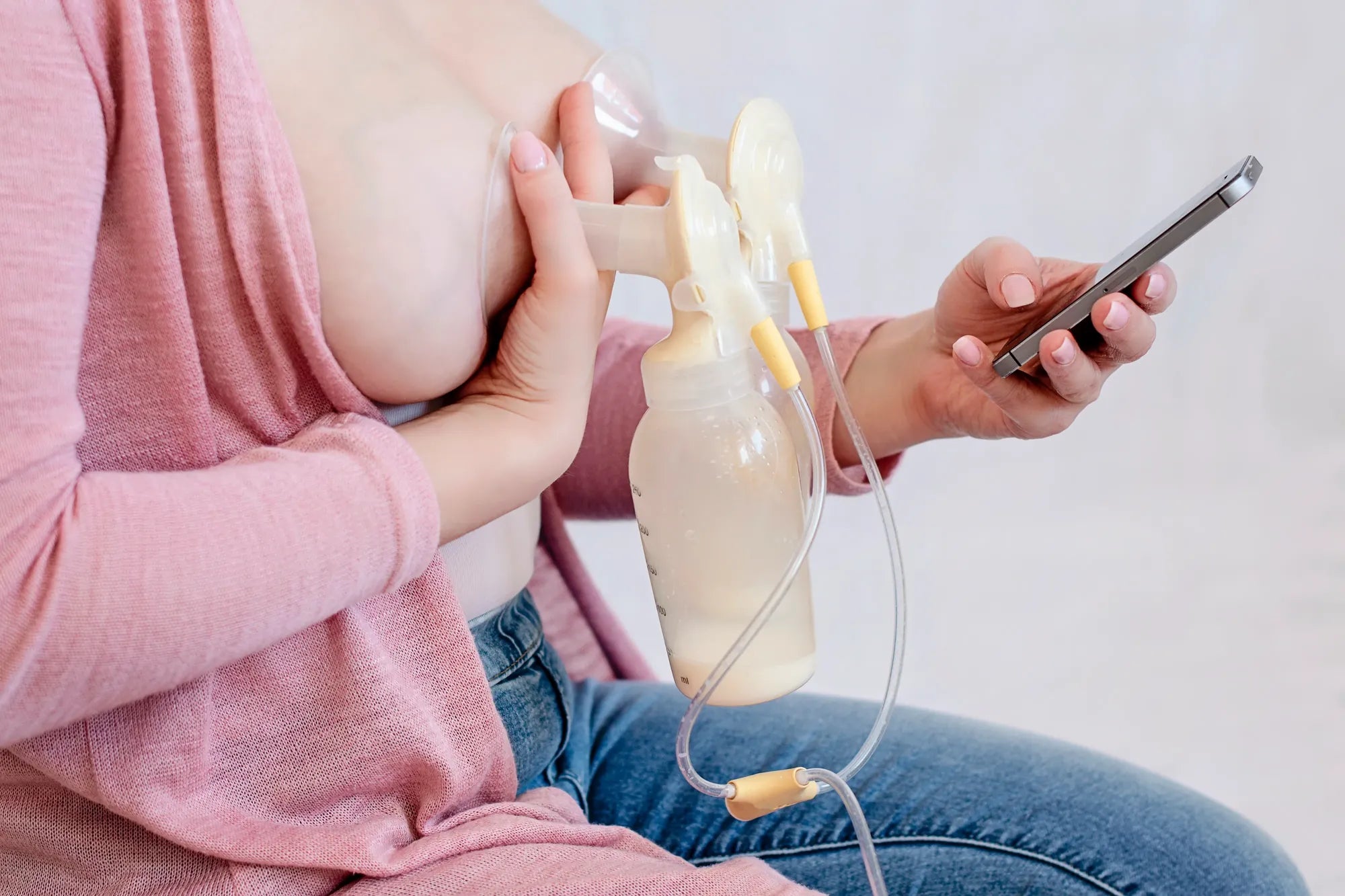
How Long Can Fresh Pumped Breast Milk Be Left Out: A Comprehensive Guide for Moms
You've just finished a pumping session, and the doorbell rings. Or your baby finally naps, and you need to step away. That bottle of liquid gold sits on the counter, and the question hits: How long can fresh pumped breast milk be left out? Knowing the precise answer is crucial for your baby's health and for preserving the irreplaceable antibodies and nutrients in your milk. This comprehensive guide delivers clear, data-driven storage rules, explains the science behind them, and provides practical strategies to integrate safe handling into your daily routine. As a trusted maternal and baby care brand specializing in wearable breast pumps and feeding solutions, MomMed is here to equip you with both reliable products and essential knowledge for a confident feeding journey.
The Golden Rules: Safe Storage Times for Freshly Pumped Milk
The cornerstone of breast milk storage is the "4-Hour Rule" for room temperature. Freshly expressed or pumped milk can safely remain at room temperature (up to 77°F or 25°C) for up to four hours. This is the benchmark recommended by the Centers for Disease Control and Prevention (CDC) and the Academy of Breastfeeding Medicine. It's designed as a conservative safety margin to prevent bacterial growth.
However, room temperature is a key variable. In a cooler environment (below 77°F), milk may be acceptable for slightly longer, but four hours remains the safest, most universally applicable guideline. Conversely, in a very warm room (above 77°F), the safe window shrinks significantly. The cleanliness of the pumping environment and handling also plays a role; milk expressed with meticulously washed hands and into sterilized containers will have a lower initial bacterial load.
It's vital to start the clock from the moment the milk is expressed, not from when you first notice it on the counter. If you're unsure how long it's been out, the safest principle is to discard it. This rule applies to milk that has never been refrigerated or frozen. The guidelines change once milk has been cooled or thawed, a distinction covered later in this guide.
Following these rules preserves the complex composition of your breast milk. It contains live cells, antibodies (like IgA), and probiotics that are sensitive to time and temperature. Proper storage ensures your baby receives the full immunological benefit, which is especially important for newborns and preterm infants.
Why Timing Matters: The Science Behind Bacterial Growth
Breast milk is not a sterile fluid; it naturally contains bacteria from your skin and your baby's mouth, along with beneficial probiotics. Its unique properties, including lactoferrin and lysozyme, actively inhibit the growth of harmful bacteria for a period. This is why it can be safely left out longer than formula, which lacks these protective factors.
However, these antibacterial properties are not indefinite. At room temperature, bacteria naturally present or introduced during pumping can begin to multiply. The "danger zone" for bacterial growth in food is between 40°F and 140°F (4°C and 60°C). Room temperature sits squarely in this zone, allowing microorganisms like Staphylococcus or E. coli to proliferate to potentially unsafe levels over hours.
The four-hour rule is built on kinetic studies of bacterial growth in breast milk under typical conditions. It provides a buffer to ensure milk is consumed before bacterial counts reach a level that could cause infant illness, such as gastroenteritis. For immunocompromised or premature infants, pediatricians often recommend even stricter timelines, sometimes suggesting refrigeration immediately after pumping.
Understanding this science underscores that storage guidelines are not arbitrary. They are evidence-based public health measures designed to prevent foodborne illness in the vulnerable infant population. Adhering to them minimizes risk while allowing the flexibility that pumping parents need.
Beyond Room Temperature: A Complete Storage Guideline Chart
Safe milk management extends beyond the countertop. Here is a complete, evidence-based summary of storage times for freshly pumped breast milk. These guidelines assume clean hands and sanitized pumping equipment were used during expression.
| Storage Location | Temperature | Safe Duration for Fresh Milk | Key Considerations |
|---|---|---|---|
| Room Temperature | Up to 77°F (25°C) | Up to 4 hours | Ideal to use within 2 hours. Discard if in a very warm room. |
| Insulated Cooler with Ice Packs | Consistently chilled | Up to 24 hours | Ice packs should surround containers. Keep cooler closed. |
| Refrigerator (Back, not door) | 39°F (4°C) or colder | Up to 4 days (96 hours) | Store in the coldest part. Use older milk first (FIFO). |
| Freezer (Standard kitchen freezer) | 0°F (-18°C) or colder | Up to 6 months (best within 3) | Use airtight containers. Thawed milk cannot be refrozen. |
| Deep Freezer | -4°F (-20°C) or colder | Up to 12 months | Ideal for long-term storage. Label clearly with date. |
The refrigerator is your best ally for short-term storage. Placing milk in the back of the fridge, where temperatures are most stable and coldest, maximizes its four-day shelf life. Avoid storing milk in the door, where temperature fluctuates with frequent opening.
For freezing, the "within 6 months" guideline is for optimal quality. While milk frozen at 0°F is safe beyond a year, nutritional quality—particularly vitamin C content—and fat integrity may gradually diminish. For the best quality, aim to use frozen milk within six months, and always practice first-in, first-out rotation.
Pro-Tip from MomMed: Starting with a Cold Pump
Efficiency from the moment of expression can maximize freshness. If you know your pumped milk will be stored immediately, consider this strategy: before using your MomMed wearable pump, you can chill the collection cups (not the motor or flanges) in the refrigerator for a short time. This is safe for our BPA-free, food-grade silicone and plastic components.
Starting with chilled containers can help lower the milk's temperature more rapidly upon expression, slightly extending its safety window. More importantly, it integrates the cooling step into your pumping session, making the immediate transfer to the fridge or a cooler seamless. This proactive approach is especially useful for pumping on the go or during a busy day.
How to Tell If Your Breast Milk Has Spoiled
Your senses are reliable tools. Always perform a visual and smell check before feeding stored milk to your baby. Fresh breast milk typically separates into a fatty cream layer on top and a thinner, milky layer on bottom. This is normal and mixes easily with gentle swirling.
Spoiled milk will exhibit clear warning signs: A distinctly sour or rancid odor, similar to spoiled cow's milk. This is different from the soapy or metallic smell caused by high levels of the enzyme lipase, which is safe but can be off-putting. Milk with high lipase still tastes sweet or bland, while spoiled milk will taste sour.
Visually, spoiled milk may have an unusual color or consistency that doesn't reintegrate with swirling. It may contain clumps or look curdled. If you see any floating particles or debris not present when you pumped (and assuming a clean container), it's best to discard.
The cardinal rule is "when in doubt, throw it out." The nutritional and emotional cost of wasting a few ounces of milk is far lower than the risk of feeding your baby spoiled milk. Trusting your instincts is a key part of safe feeding practices.
MomMed Makes Storage Simpler: From Pump to Fridge in Seconds
Safe storage begins with efficient, hygienic expression. MomMed's product design philosophy centers on simplifying this entire process. Our award-winning S21 Double Wearable Breast Pump features a closed-system design that prevents milk from backing into tubing, maintaining a cleaner pathway from breast to container.
The collection cups themselves are made from BPA-free, food-grade silicone and plastic that are safe for direct milk storage. After pumping, you can simply detach the cups from the flanges, seal them with their included storage lids, and place them directly in the refrigerator. This minimizes handling, reduces contamination risk, and saves you from washing additional bottles—a true time-saver for exhausted parents.
For moms building a freezer stash, the compatibility of MomMed collection bottles with standard bottle warmers and our easy-pour spouts makes transferring milk to freezer bags simple and spill-free. By integrating storage functionality into the pumping experience, we help you adhere to the golden storage rules effortlessly, ensuring your liquid gold retains its value from pump to feed.
Advanced Storage Scenarios and Common Dilemmas
Real-life often presents situations not covered by basic charts. Handling these correctly is key to safety and reducing waste.
Combining Milk from Different Sessions: Yes, you can combine milk pumped at different times within the same day. Crucially, cool the newly pumped milk in the refrigerator first for about an hour. Then, add it to the previously chilled milk. Combining warm milk with cold can raise the temperature of the stored batch, encouraging bacterial growth. Label the container with the date of the oldest milk.
Transporting Pumped Milk: An insulated cooler with frozen ice packs is essential. Ensure the ice packs are fully frozen and that the milk containers are nestled among them, not just placed on top. The goal is to keep the milk at refrigerator temperature (below 39°F/4°C) for up to 24 hours. Upon arrival, immediately transfer milk to a proper refrigerator or freezer.
Handling Power Outages: Keep the refrigerator and freezer doors closed as much as possible. A full freezer will hold its temperature for about 48 hours; a half-full freezer for about 24 hours. Refrigerated milk will remain safe for up to 4 hours if the door stays closed. If power is out longer, consider using ice to keep a cooler cold for essential bottles.
Frequently Asked Questions on Breast Milk Storage
1. Can I reheat a bottle of breast milk more than once?
No. It is not safe to reheat a bottle that your baby has already fed from. Saliva from your baby's mouth introduces bacteria into the milk, which can multiply rapidly when reheated. Warm only the amount you think your baby will take at one feeding. If they don't finish it, it should be discarded within 1-2 hours.
2. What if my house is consistently warmer than 77°F (25°C)?
In warmer ambient temperatures, the safe room-temperature storage window shortens. At temperatures above 77°F, milk should be refrigerated within 1-2 hours maximum. In very hot climates, it's often safest to refrigerate or cool milk immediately after pumping to eliminate any risk.
3. Does the "4-hour rule" apply to previously frozen, then thawed milk?
No. Thawed breast milk has a much shorter shelf life. Once fully thawed in the refrigerator, it should be used within 24 hours. If warmed to room temperature or placed in a bottle warmer, it should be fed to your baby within 1-2 hours and never refrozen.
4. I smell a soapy odor from my refrigerated milk. Is it spoiled?
Not necessarily. This is likely due to high lipase activity, a natural enzyme in your milk that breaks down fats and can create a soapy or metallic smell over time. The milk is safe, but some babies may refuse it. If this occurs, you can scald freshly expressed milk (heat to 180°F/82°C until small bubbles form, then quickly cool) before storing to deactivate the lipase.
5. How does using a MomMed wearable pump affect these storage times?
Using a MomMed pump does not alter the fundamental storage times—milk follows the same biological rules. However, the convenience and closed-system design of our wearable pumps like the S21 enable you to store milk faster and with less contamination risk. The ability to pump directly into a storable container means you can seal and chill milk in seconds, helping you stay well within the safest timeframes effortlessly.
Your Confident Path Forward in the Feeding Journey
Mastering breast milk storage empowers you with flexibility and peace of mind. The core tenets are clear: prioritize the 4-hour rule at room temperature, utilize your refrigerator for up to four days, and freeze for long-term security while aiming for use within six months. Always trust your senses to detect spoilage, and when uncertain, err on the side of caution. Your vigilance is the ultimate safeguard for your baby's health.
Equipping yourself with tools that align with these practices transforms routine into seamless habit. MomMed is committed to being your partner in this journey, offering innovative, comfortable, and reliable products like our ultra-quiet, award-winning S21 Wearable Pump that support every step—from effective expression to safe storage. We combine this with trustworthy, evidence-based guidance to help you nourish your baby with confidence.
Ready to simplify your pumping and storage routine? Explore the MomMed collection designed for modern moms. Shop our wearable breast pumps, convenient storage accessories, and full range of feeding and baby care essentials at mommed.com. Find the perfect tools to support your unique journey, giving you more time for what matters most—those precious moments with your little one.