


Home
Pregnancy, Breastfeeding, and Pumping: The Ultimate Guide for Moms
How Long After Pumping Do Breasts Refill: A Comprehensive Guide for Nursing Mothers
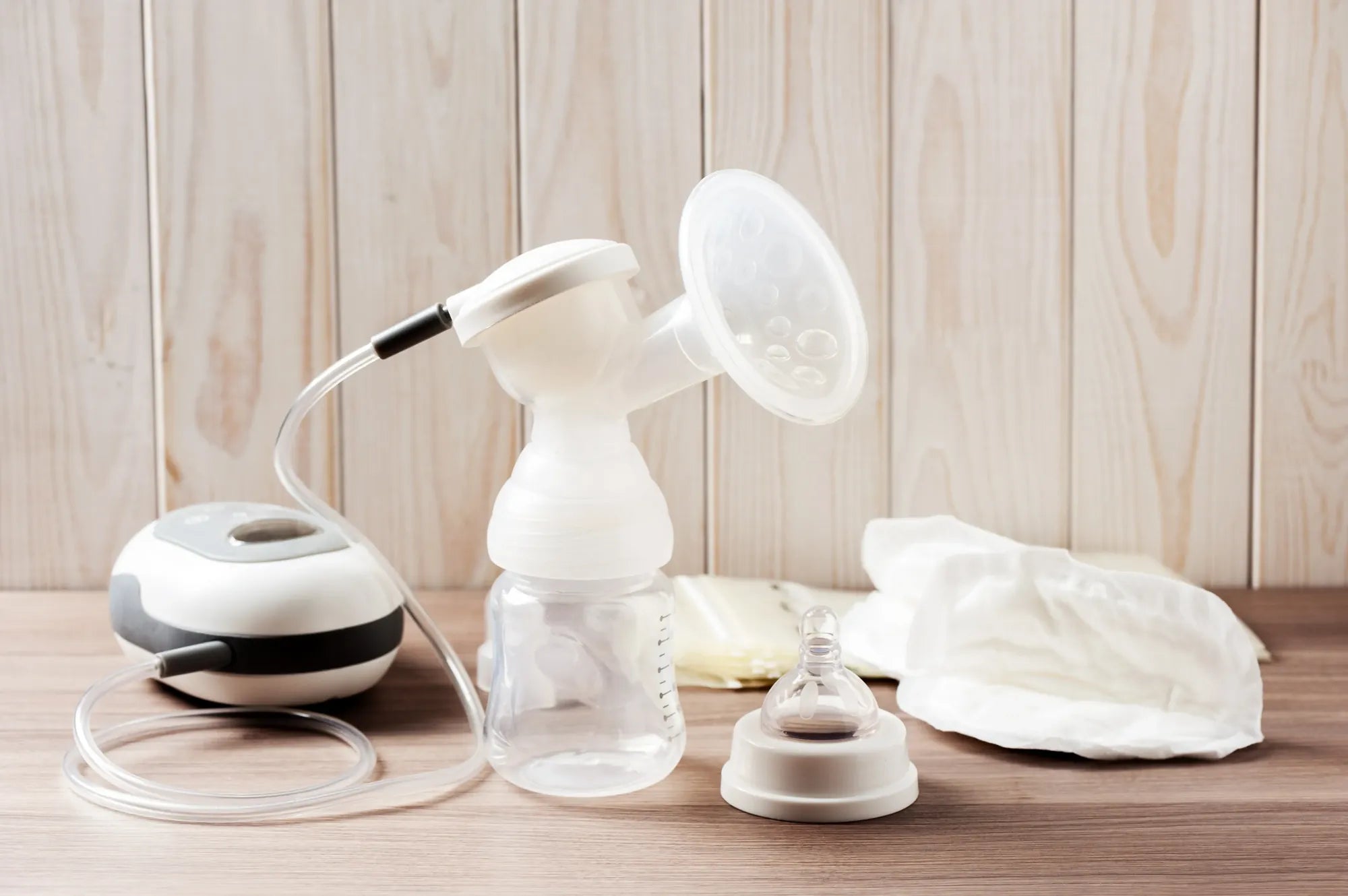
How Long After Pumping Do Breasts Refill: A Comprehensive Guide for Nursing Mothers
Understanding Your Milk Supply Cycle
If you're pumping breast milk, you've likely wondered about the timing of your body's replenishment. The process isn't like refilling an empty water bottle; it's a sophisticated, continuous biological system driven by supply and demand. Understanding how long after pumping your breasts refill requires moving beyond the simple 'empty/full' metaphor to grasp the dynamic nature of lactation.
Your body produces milk around the clock, with the rate influenced by how recently and thoroughly your breasts were emptied. This guide will demystify the timeline, explore the key physiological factors at play, and provide practical strategies to work in harmony with your body's natural rhythms. We'll cover everything from hormonal triggers to the impact of your pump, helping you build confidence in your feeding and pumping journey.
Every mother's experience is unique, and variations in 'refill' time are completely normal. By the end of this guide, you'll have a clear, factual understanding of what to expect and how to optimize your routine for both your well-being and your baby's nutritional needs.
The Science Behind Milk Production: It's Not Just Refilling
To understand how long after pumping do breasts refill, we must first explore the underlying physiology. Milk production operates on a feedback system primarily controlled by two hormones: prolactin and oxytocin. Prolactin, often called the 'milk-making hormone,' stimulates the alveolar cells in your breasts to create milk. Oxytocin triggers the 'let-down' reflex, which causes the tiny muscles around the alveoli to contract and push milk into the ducts.
Two critical concepts define your personal refill timeline: the rate of milk synthesis and your breast storage capacity. The rate of synthesis is how quickly your body produces milk after a feeding or pumping session. For most women, this rate is fastest when the breast is emptiest, slowing as the breast fills.
Storage capacity varies significantly among women and is not determined by breast size. It refers to the maximum volume of milk your breasts can hold comfortably between sessions. A mother with a larger storage capacity may not feel the need to pump as frequently as one with a smaller capacity, even if their total daily output is identical. This is why the question 'how long after pumping do breasts refill' has a highly individualized answer.
The body uses a clever local feedback mechanism called the Feedback Inhibitor of Lactation (FIL). As milk accumulates in the breast, the concentration of FIL increases, signaling the alveoli to slow down production. Effective, frequent removal of milk keeps FIL levels low, which signals your body to produce milk more rapidly. This is the core principle of 'supply and demand.'
Factors That Influence How Quickly Your Breasts "Refill"
Multiple variables interact to determine your specific milk production pace after pumping. Recognizing these factors empowers you to tailor your approach and set realistic expectations for your body's capabilities.
Your Baby's Age and Feeding Patterns
In the early postpartum weeks, your body is calibrating its milk factory. Frequent, effective milk removal—whether by your baby or a pump—is crucial for establishing a robust long-term supply. Newborns often cluster feed, which naturally stimulates a high rate of milk synthesis. As your baby grows and settles into a more predictable pattern, your body adapts, and the sensation of rapid refilling may change. For an exclusively pumping mother, mimicking a newborn's frequent feeding schedule with pumps is key during this establishment phase.
Your Body's Unique Physiology
Your hormonal profile and breast glandular tissue composition are as unique as your fingerprint. Some women have a very high rate of milk synthesis, feeling full again just 90 minutes after pumping. Others have a slower, steady synthesis rate but a larger storage capacity, allowing for longer comfortable intervals. Neither is superior; they simply require different management strategies. Understanding your own physiology helps you plan a pumping schedule that works for you, not against you.
Pumping Efficiency and Techniques
The equipment and method you use directly impact how thoroughly you drain your breast, which in turn signals future production. A proper flange fit is non-negotiable; ill-fitting flanges can leave milk behind and cause discomfort. Using a pump with adjustable, comfortable suction patterns that mimic a baby's natural rhythm can lead to more effective let-downs and drainage. This is where innovation matters. MomMed wearable breast pumps, for instance, are engineered with multiple stimulation and expression modes to help you find the most effective setting for a complete session, encouraging optimal refill signaling.
Nutrition, Hydration, and Rest
While milk removal is the primary driver of supply, your body needs fuel and resources to manufacture it. Significant caloric restriction, chronic dehydration, or extreme fatigue can negatively impact your milk production rate. Think of it as supporting the factory workers—they need adequate energy and materials to maintain peak output. Prioritizing nutrition, drinking to thirst, and grabbing rest when possible are supportive acts for your lactation, not indulgent ones.
A Practical Timeline: What to Expect After Pumping
While individual variation is vast, we can outline a general, evidence-based timeline based on common lactation research. Use this as a framework, not a rigid rulebook, for your own experience.
Immediately After a Pumping Session (0-1 Hour)
Right after a thorough pumping session, your breasts will feel softer and less full. However, milk synthesis never truly stops. In fact, research indicates that for many women, the rate of milk production begins to increase almost immediately after drainage. Your body is most hormonally responsive to further demand in this period, which is why techniques like 'power pumping' can be so effective for boosting supply.
The Active Synthesis Phase (1-3 Hours)
This is the core window where many mothers experience noticeable re-accumulation. For a mother with an average storage capacity and synthesis rate, milk will steadily collect. By the 2-3 hour mark, she may feel noticeably fuller, and this often aligns with a young infant's natural feeding interval. This phase answers the core question of how long after pumping do breasts refill for many—it's a gradual process reaching a comfortable fullness within a few hours.
Reaching Functional Capacity (3+ Hours)
As the breast approaches its comfortable storage capacity, the rate of synthesis typically slows due to the increasing concentration of the Feedback Inhibitor of Lactation (FIL). Going consistently longer than 4-5 hours between sessions, especially in the early months, can signal your body that less milk is needed, potentially leading to a decreased overall supply. For mothers aiming to maintain or increase supply, frequent removal within this 3-4 hour window is often recommended.
Maximizing Your Output: Tips for Effective Pumping
You can work with your body's physiology to optimize both output and comfort. Implementing these strategies can make your pumping routine more efficient and effective.
Pump Frequently and Consistently
Consistency is more important than marathon sessions. In the first 12 weeks, aiming for 8-12 pumping sessions in 24 hours (including one at night) helps establish a strong supply. The convenience of a wearable pump like the MomMed S21 can make this frequent schedule more sustainable, allowing you to pump while managing other tasks, reducing stress, and making consistency easier to achieve.
Ensure Complete Emptying
A session isn't done when the milk stops flowing in streams. Continue pumping for 2-5 minutes after the last drops to ensure thorough drainage. Utilize breast massage or hands-on pumping techniques before and during your session to help move milk. Using a pump with customizable settings, such as the MomMed Swing pump with its adjustable suction and cycle speeds, can help you find the perfect rhythm to encourage a complete let-down and effective drainage.
Incorporate Power Pumping
To mimic cluster feeding and boost supply, try power pumping. A common schedule is: pump for 20 minutes, rest for 10, pump for 10, rest for 10, pump for 10. Do this once a day for 3-5 days. The hands-free design of MomMed wearable pumps makes this intensive technique far more manageable, as you aren't confined to a chair.
Optimize Your Environment and Mindset
Stress can inhibit the oxytocin reflex. Create a relaxing pumping ritual: look at photos or videos of your baby, sip a warm drink, and use a quiet, comfortable pump. The ultra-quiet motors in MomMed pumps are designed for discretion, helping you relax whether you're at home, work, or in a shared space, which can positively impact let-down and output.
Comparison of Pumping Intervals and Expected Outcomes
This table illustrates how different pumping frequencies can influence your milk supply dynamics, assuming average physiology. Your personal experience may vary.
| Pumping Interval | Impact on Fullness Sensation | Likely Effect on Milk Synthesis Rate | Best For |
|---|---|---|---|
| Every 2-3 Hours | Breasts may feel moderately full at the start of each session. | Promotes a fast, sustained synthesis rate; signals high demand. | Establishing supply (0-12 weeks), increasing low supply, feeding a newborn. |
| Every 4-5 Hours | Breasts will feel quite full or engorged at the start of each session. | Maintains supply for many; synthesis may slow as breasts fill. | Maintaining an established supply with an older baby, mothers with larger storage capacity. |
| Greater than 5-6 Hours Regularly | Significant engorgement, potential discomfort or leakage. | Signals lower demand; may lead to a gradual decrease in overall supply over time. | Weaning, or mothers with a very large storage capacity (proceed with caution). |
| On-Demand / Variable Schedule | Varies based on last session. | Supply adjusts to the variable demand; can be less predictable. | Mothers who pump occasionally to relieve fullness or build a small stash. |
FAQ: Common Questions About Pumping and Milk Supply
Q: If I pump until nothing comes out, are my breasts truly empty?
A: Not in an absolute sense. 'Empty' in lactation terms means you've removed the available stored milk and significantly slowed the flow. Your body continues to produce milk at a basal rate. A truly 'empty' feeling is a soft, light breast, not necessarily one that yields zero drops after several minutes of pumping.
Q: Why do I sometimes get more milk an hour after pumping?
A>This is likely due to a second (or more powerful) let-down reflex. Stress, distraction, or a suboptimal setting during your first session can inhibit let-down. When you relax afterward, your oxytocin may kick in, releasing milk that was produced and stored in the alveoli but not effectively ejected during the pump session. It underscores the importance of a relaxed, comfortable pumping environment.
Q: How can I tell if my "refill rate" is sufficient for my baby?
A>Don't judge by feel alone. The best indicators are your baby's growth (following their curve on the growth chart) and output (at least 5-6 wet diapers and 3-4 soiled diapers per day for a young infant). If you're exclusively pumping, tracking total daily volume (aiming for 25-35 oz for a baby 1-6 months old) is a good guide. When in doubt, consult an IBCLC (International Board Certified Lactation Consultant).
Q: Does the type of breast pump affect how well my breasts are drained?
A>Absolutely. A pump that is comfortable, has adjustable settings, and fits you correctly will drain your breasts more effectively. Hospital-grade double electric pumps are typically the strongest. High-quality consumer pumps like MomMed's, which use BPA-free, food-grade silicone and offer multiple stimulation modes, are designed to efficiently mimic a baby's nursing pattern for effective drainage, directly influencing how your body regulates its refill rate.
Q: I have to go back to work. How can I maintain my supply with fewer pumping sessions?
A>Focus on maximizing output during the sessions you do have. Ensure you have a high-quality, efficient pump like a double electric or wearable model. Pump right before leaving your baby and immediately upon reunion. Stay hydrated and try to add one extra session on days off. Many moms find that using a comfortable, discreet wearable pump like the MomMed S21 helps them stick to their schedule at work without added stress.
Listening to Your Body and Your Baby
The journey to understanding how long after pumping do breasts refill is one of tuning into your body's unique signals while trusting the evidence of your baby's well-being. There is no universal timer that applies to every mother. Your personal timeline is a blend of your physiology, your baby's needs, and the efficiency of your routine.
View your pumping schedule not as a rigid mandate, but as a collaborative dialogue with your body. Effective milk removal with a reliable pump, consistent frequency tailored to your life, and a focus on your own comfort and health are the pillars of sustaining a healthy milk supply. Remember, variations in fullness and output from day to day and even hour to hour are completely normal.
As a trusted partner in the breastfeeding journey, MomMed is dedicated to supporting you with innovative, comfortable, and safe tools. From our award-winning S21 Wearable Pump for ultimate flexibility to our classic Swing Electric Pump for powerful performance, every product is designed with the nuances of milk production and mom's real life in mind. We use BPA-free, food-grade materials because your baby's safety and your peace of mind are paramount.
Arm yourself with knowledge, listen to your body's cues, and equip yourself with tools that make the process smoother. You are capable of navigating this journey with confidence. For pumps designed to support your body's natural rhythm and fit seamlessly into your life, shop the MomMed collection at mommed.com for all your breastfeeding and pregnancy needs.