


Home
Pregnancy, Breastfeeding, and Pumping: The Ultimate Guide for Moms
How Do You Pump and Store Breast Milk: A Comprehensive Guide for Modern Moms
How Do You Pump and Store Breast Milk: A Comprehensive Guide for Modern Moms
Learning how to pump and store breast milk is a fundamental skill for countless mothers navigating feeding, work, and life. Whether you're preparing to return to the office, building a freezer stash for emergencies, or sharing feeding duties with a partner, mastering this process provides invaluable flexibility and peace of mind. This guide will walk you through every step, from choosing your first pump to safely thawing your last frozen bag. We'll demystify the process with clear, data-driven advice, helping you establish a confident and efficient routine. As a trusted maternal and baby care brand specializing in innovative products like wearable breast pumps, MomMed is here to support you with reliable, comfortable tools for every stage of your journey.
Getting Started: Essential Pumping Gear and Preparation
Before your first session, gathering the right equipment is crucial for success and comfort. The cornerstone is, of course, your breast pump. Options range from hospital-grade rental pumps for establishing supply to personal-use electric pumps, and the increasingly popular hands-free wearable pumps. MomMed's award-winning S21 Double Wearable Breast Pump exemplifies this innovation, offering discreet, cordless pumping with multiple modes to mimic a baby's natural nursing pattern.
Beyond the pump itself, you'll need compatible collection bottles or bags, correctly sized breast shields (flanges), and valve/membrane parts. A pumping bra is a game-changer, allowing for hands-free operation. Create a dedicated, comfortable pumping station with a supportive chair, water bottle, snacks, and entertainment. Perhaps most critically, ensuring proper flange fit—where the nipple moves freely without rubbing the tunnel walls—is non-negotiable for comfort, efficient milk removal, and protecting your milk supply.
How to Assemble and Use Your Breast Pump Correctly
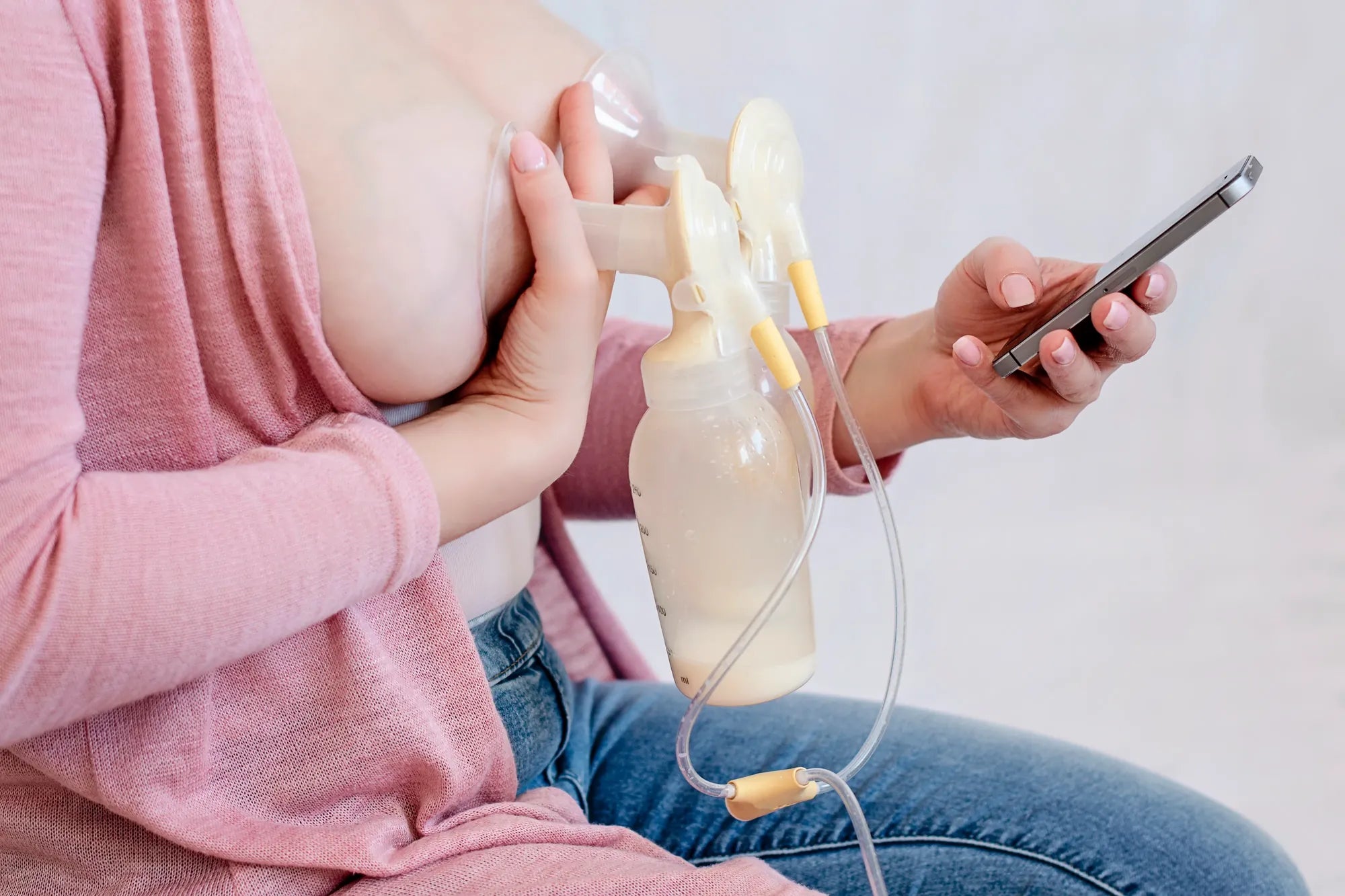
Correct assembly ensures optimal performance and hygiene. Start by washing your hands thoroughly. For a typical closed-system pump like MomMed's models, connect the tubing to the pump motor, attach the flange to the collection bottle, and ensure the duckbill valve or membrane is correctly seated. Place the flange centered over your nipple, ensuring a gentle seal.
Begin with the pump's stimulation or massage mode—a rapid, gentle suction designed to trigger your let-down reflex. After milk begins to flow (usually within 1-2 minutes), switch to expression mode, which has slower, deeper pulls. Adjust the suction to a level that is effective but never painful. Effective pumping should feel like a strong tug, not sharp pain. Sessions typically last 15-20 minutes per breast, or until milk flow significantly slows.
The Step-by-Step Pumping Process: Maximizing Output and Comfort
Establishing a consistent routine is key to maintaining your milk supply. If pumping exclusively, aim for 8-12 sessions per 24 hours, mimicking a newborn's feeding frequency. For moms pumping at work or to supplement nursing, pumping about 30 minutes to an hour after a morning feed often yields the most milk, as supply is typically highest in the early hours.
To maximize output, employ hands-on pumping techniques. Gently massage your breasts before and during the session, and use breast compression while pumping to help drain ducts fully. Stay hydrated and try to relax; looking at photos or videos of your baby can help stimulate oxytocin and improve let-down. Keep a consistent schedule, as regular removal of milk signals your body to continue production.
Mastering Milk Storage: Safety Guidelines and Best Practices
Safe storage is paramount to preserve the nutritional and immunological benefits of your breast milk. Guidelines vary based on storage temperature and container type. Always use clean, food-grade containers—specifically designed breast milk storage bags or BPA-free bottles. Leave some space at the top as milk expands when frozen.
The following table summarizes the latest evidence-based guidelines from organizations like the CDC and Academy of Breastfeeding Medicine, providing a clear, quick reference for safe storage times.
| Storage Location | Temperature | Freshly Expressed Milk | Thawed, Previously Frozen Milk | Notes |
|---|---|---|---|---|
| Room Temperature | Up to 77°F (25°C) | Up to 4 hours | 1-2 hours | Ideal to use within 2 hours. |
| Insulated Cooler | With ice packs | Up to 24 hours | Do not refreeze. | Keep ice packs in constant contact with containers. |
| Refrigerator | 39°F (4°C) or below | Up to 4 days | Up to 24 hours | Store in the back, not the door. |
| Freezer (separate door) | 0°F (-18°C) or below | Within 6 months is best; up to 12 months acceptable | Do not refreeze after thawing. | Use airtight bags, lay flat to freeze for space efficiency. |
| Deep Freezer | -4°F (-20°C) or below | Up to 12 months | Do not refreeze after thawing. | Label clearly with date and volume. |
To thaw, place frozen milk in the refrigerator overnight or hold the sealed container under warm running water. Never thaw or warm breast milk in a microwave, as it creates hot spots that can scald your baby and destroy valuable nutrients. Gently swirl (do not shake) the milk to mix the fat layers before feeding.
Labeling and Organizing Your Freezer Stash
An organized stash prevents waste. Immediately after pumping, label each container with the date and volume expressed. Use the "first in, first out" (FIFO) rule, placing newly frozen milk behind older milk. Freezing milk in small amounts (2-4 oz) avoids wasting precious liquid gold if your baby doesn't finish a larger bottle. Storage bags laid flat to freeze create uniform "bricks" that are easy to stack and store efficiently.
Maintaining Your Pump and Ensuring Optimal Hygiene
Proper pump maintenance protects your baby's health and ensures the device works effectively. After each use, disassemble all parts that come into contact with milk. Rinse immediately with cold water, then wash with warm, soapy water using a dedicated brush. Air-dry thoroughly on a clean towel or rack. For daily hygiene, sanitizing parts once a day is recommended, either by boiling, using steam bags, or following the manufacturer's guidelines.
Between sessions at work or on the go, you can store pump parts in a clean, sealed bag in the refrigerator, washing them thoroughly at the end of the day. Regularly inspect valves, membranes, and tubing for wear, cracks, or moisture. Worn parts—typically every 1-3 months depending on use—can drastically reduce suction and efficiency. MomMed pumps use BPA-free, food-grade silicone for all milk-contact parts, prioritizing baby safety and durability.
Troubleshooting Common Pumping Challenges
Encountering hurdles is normal. Low milk output can stem from infrequent sessions, improper flange fit, stress, or dehydration. Ensure you're pumping often enough, double-check your flange size, and practice relaxation techniques. Discomfort or pain usually indicates incorrect flange size, suction set too high, or needing lubrication. MomMed pumps feature multiple, adjustable suction levels and a comfortable silicone flange design to mitigate these issues.
Difficulty with let-down can be addressed by creating a calm routine, using warmth on the breasts beforehand, and utilizing the dedicated massage mode. For pumping on the go, wearable pumps like the MomMed S12 Single or S21 Double offer discreet, quiet operation without being tethered to an outlet, making it easier to maintain your schedule anywhere. If you experience persistent pain, redness, or fever, consult a healthcare provider to rule out conditions like mastitis or a plugged duct.
Frequently Asked Questions (FAQ)
Q1: Can I mix milk from different pumping sessions?
Yes, you can combine milk expressed on the same day. Cool the newly expressed milk in the refrigerator first, then add it to already chilled milk. The combined milk's storage time is based on the date of the oldest milk in the mixture.
Q2: How do I know if stored breast milk has gone bad?
Spoiled breast milk often has a distinctly sour or rancid smell, unlike the mild, soapy smell that can occur due to lipase enzyme activity (which is safe for baby). Visually, significant separation that doesn't mix with gentle swirling or any unusual color may indicate spoilage.
Q3: Is it okay to refreeze thawed breast milk?
No. Once breast milk is fully thawed (no ice crystals remaining), it should be used within 24 hours if stored in the refrigerator and should not be refrozen. Refreezing can degrade quality and increase bacterial risk.
Q4: Why does my milk smell or taste soapy after storage?
This is usually due to high lipase activity, a natural enzyme that breaks down fats. The milk is safe, but some babies may refuse it. If this occurs, you can scald freshly expressed milk (heat to 180°F until bubbles form at the edge, then quickly cool) before freezing to deactivate the enzyme.
Q5: How can I make pumping more comfortable and efficient?
Ensure perfect flange fit, use lubrication like coconut oil or lanolin, apply warmth before pumping, practice hands-on pumping with breast compression, and invest in a high-quality, adjustable pump. Wearable pumps can also increase comfort by allowing mobility and a more natural posture.
Empowering Your Unique Feeding Journey
Mastering how to pump and store breast milk equips you with the freedom to feed your baby on your terms, whether you're in the next room or across town. It's a skill that blends science with self-care, requiring patience and practice. Remember that every drop you provide is a gift of health, and every pumping session is an act of dedication. With the right knowledge and supportive tools, you can navigate this aspect of motherhood with confidence. For reliable, innovative products designed to make pumping more comfortable and integrated into your life, explore solutions tailored to your needs. Shop the MomMed collection at mommed.com for all your breastfeeding and pregnancy needs, from our award-winning wearable pumps to essential feeding gear.