


Home
Pregnancy, Breastfeeding, and Pumping: The Ultimate Guide for Moms
How Come You Lose Weight So Fast Pumping Breast Milk: The Science Explained
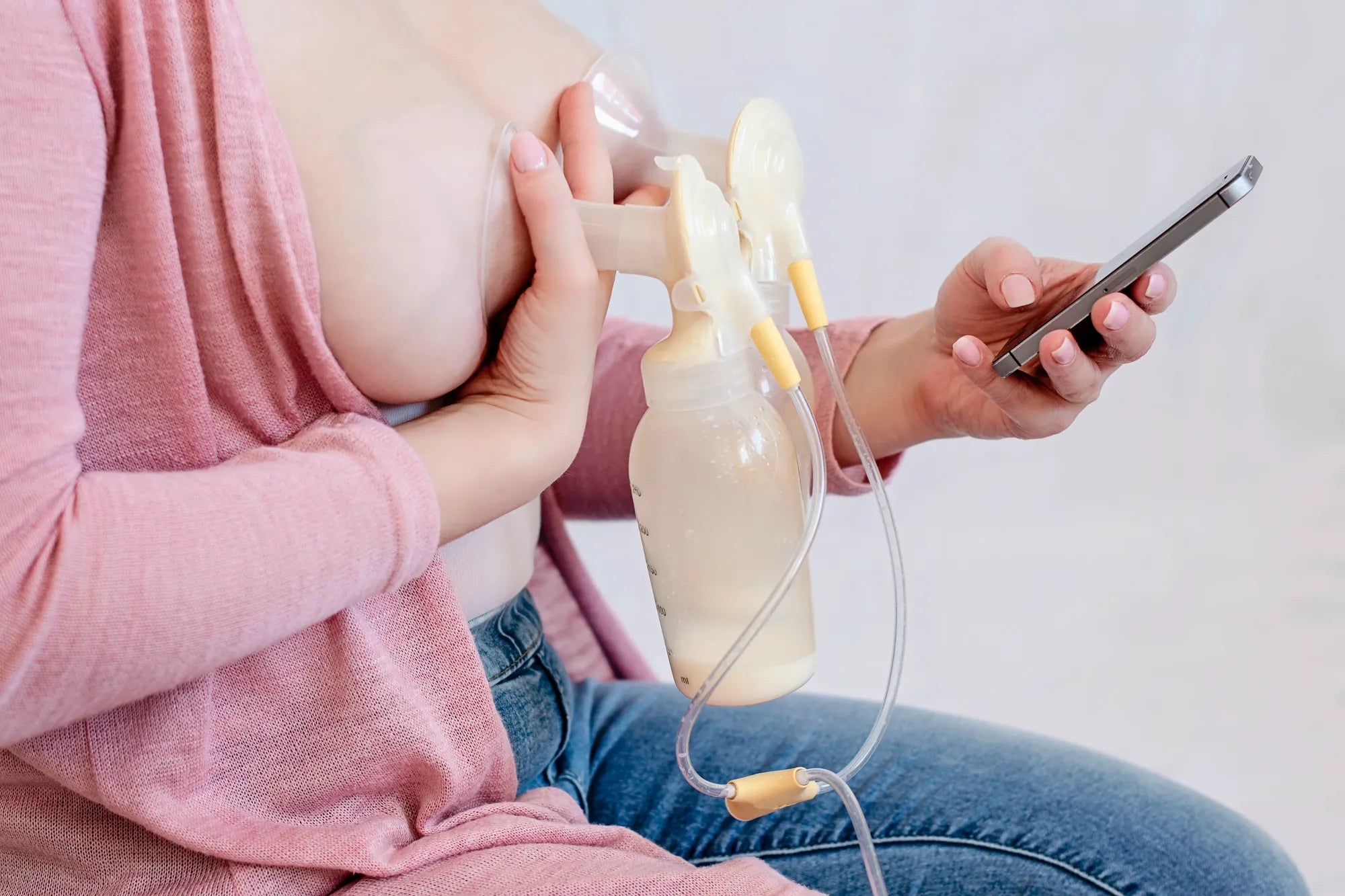
How Come You Lose Weight So Fast Pumping Breast Milk: The Science Explained
Many new mothers are surprised to find the scale moving downward more quickly than expected while pumping breast milk. This phenomenon isn't just anecdotal; it's rooted in specific biological processes. If you've wondered how come you lose weight so fast pumping breast milk, you're about to discover the compelling science and holistic factors behind it. This article will break down the metabolic mechanics, compare pumping to direct nursing, and provide actionable tips to support your health and milk supply safely. We'll move beyond simple calories to understand your body's remarkable postpartum adaptation.
The Science Behind the Burn: How Pumping Milk Aids Weight Loss
Producing breast milk is one of the most metabolically demanding tasks the human body undertakes. The process requires significant energy, drawing from your body's reserves. This creates a natural caloric deficit, which is the cornerstone of weight loss.
Lactation itself burns an estimated 300 to 500 extra calories per day. This is equivalent to running a 3-5 mile jog. When you pump, you are actively stimulating milk production, maintaining this elevated metabolic rate. Every ounce of milk expressed represents energy expended.
Beyond simple calorie burn, hormones play a crucial role. The hormone oxytocin, released during milk ejection (let-down), causes uterine contractions. These contractions help your uterus shrink back to its pre-pregnancy size more quickly, which directly reduces abdominal girth and weight.
Furthermore, the hormone prolactin, which governs milk production, influences metabolism and may promote the utilization of fat stores for energy. Pumping regularly signals your body to sustain high prolactin levels, keeping this metabolic engine running.
Pumping vs. Direct Nursing: Is There a Difference for Weight Loss?
This is a central question for exclusive pumpers or those who combine methods. From a pure physiological standpoint, the weight loss mechanism is fundamentally similar. Both activities stimulate milk synthesis and trigger the same hormonal responses.
However, subtle differences exist. Exclusive pumping often involves a more structured and measured schedule. A mother who pumps may be more aware of her exact output, which can correlate to a more consistent caloric expenditure. Direct nursing can be more demand-driven and variable.
Some argue that the physical act of holding and feeding a baby may burn a few extra calories. Conversely, the convenience of a wearable pump like the MomMed S21 can allow a pumping mother to be mobile and potentially engage in light household activities or walking during a session, potentially offsetting any minor difference.
The critical factor for weight loss support is consistent and effective milk removal. Whether by baby or pump, maintaining your milk supply ensures your body continues to invest significant energy into lactation. Therefore, both methods are effective pathways for leveraging postpartum metabolism for weight loss.
The Holistic Benefits of Pumping for Postpartum Recovery
Focusing solely on the scale misses the broader picture of how pumping contributes to overall postpartum well-being, which indirectly supports a healthy weight. Establishing a reliable pumping routine can create structure, which often leads to more regular eating patterns and better nutritional choices.
The ability to provide breast milk, even when apart from your baby, can offer significant mental and emotional benefits. This sense of accomplishment and connection can reduce stress and anxiety, which are known contributors to emotional eating and weight retention. Managing stress is a key, often overlooked, component of weight management.
Modern pumping technology empowers greater mobility. Using a discreet, wearable pump means you are not confined to a chair for 15-20 minutes multiple times a day. This freedom can combat sedentary habits, encourage light activity, and improve overall mood—all factors that create a healthier environment for sustainable weight loss.
Furthermore, the act of pumping allows other caregivers to participate in feeding. This can afford the mother more opportunities for restorative sleep or self-care, both of which are essential for hormonal balance and metabolic health. Well-supported mothers are better equipped to care for their own health.
Optimizing Your Nutrition: Fueling for Milk and Metabolism
While pumping increases calorie burn, proper nutrition is non-negotiable. Severely restricting calories can rapidly diminish your milk supply and leave you feeling depleted. The goal is to fuel the milk-making process intelligently.
Focus on nutrient-dense, whole foods. Prioritize lean proteins (chicken, fish, legumes), healthy fats (avocado, nuts, olive oil), complex carbohydrates (oats, quinoa, sweet potatoes), and a wide variety of fruits and vegetables. These foods provide sustained energy and the building blocks for high-quality milk.
Hydration is critical. Milk production is highly dependent on fluid intake. Dehydration can be mistaken for hunger and can slow metabolism. Aim to drink water consistently throughout the day, keeping a bottle nearby during pumping sessions.
Listen to your hunger cues. Your body will often signal its increased needs. Eating small, frequent meals and snacks can help maintain energy levels and blood sugar, preventing overeating later. Remember, you are nourishing two bodies—your recovery and your baby's growth depend on it.
Pumping for Success: Building an Efficient Routine
Consistency is key for both milk supply and the associated metabolic boost. Mimicking a baby's feeding pattern typically means pumping 8-12 times per 24 hours in the early months, including at least one session overnight when prolactin levels are highest.
Efficiency and comfort directly impact consistency. A pump that is effective, quiet, and comfortable makes adhering to a schedule much easier. The MomMed S21 Double Wearable Breast Pump, for example, features adjustable suction levels and a stimulation mode designed to efficiently trigger let-down, maximizing output per minute.
Proper flange fit is paramount. Ill-fitting flanges can reduce milk output, cause pain, and lead to issues like clogged ducts. This can disrupt your routine and, consequently, the metabolic consistency. MomMed pumps include multiple flange size options to ensure a correct, comfortable fit.
Track your sessions if it helps. Using a simple app or log can help you see patterns in your output and ensure you're pumping frequently enough to maintain a robust supply, thereby sustaining the elevated calorie expenditure that aids weight loss.
Incorporating Safe Movement and Activity
Physical activity, when cleared by your healthcare provider, synergizes with the calorie burn from pumping. Start gently with walking, postpartum yoga, or pelvic floor exercises. The goal is gradual reintroduction, not intense training.
Wearable pump technology is a game-changer here. A hands-free pump allows you to move freely during a session. You can take a walk, do light stretches, or engage in play with an older child, turning pumping time into active time.
Be mindful of your energy. The combined demands of newborn care, pumping, and movement are substantial. Prioritize rest and do not push to the point of exhaustion. Balance activity with recovery; both are essential for healthy, sustainable weight loss.
Wear a supportive bra, especially during exercise and pumping. Good support protects breast tissue and can help prevent issues like engorgement or mastitis, which could derail your pumping and wellness routine.
Critical Considerations and Realistic Expectations
It is vital to understand that weight loss speed varies dramatically from person to person. Genetics, pre-pregnancy weight, diet, sleep, stress, and overall health all play significant roles. Comparing your journey to others' is counterproductive.
Pumping should never be used as a primary weight loss tool. Over-pumping in an attempt to burn more calories can lead to a painful oversupply, increasing your risk of mastitis and creating an unsustainable cycle. Your pumping schedule should be based on your baby's needs or to maintain your supply if exclusively pumping.
Hormonal factors can delay weight loss for some. Prolactin, while aiding milk production, can also promote fat retention, particularly around the hips and thighs, as an evolutionary energy reserve for lactation. This is normal and often resolves as feeding frequency decreases.
Most importantly, rapid weight loss is not the goal. Losing more than 1-1.5 pounds per week can release toxins stored in fat into your bloodstream and potentially your milk. A slow, steady loss of 1 pound per week after the initial postpartum period is considered safe and sustainable for breastfeeding mothers.
Pumping and Weight Loss: Data Comparison
| Factor | Direct Nursing | Exclusive Pumping | Notes & Recommendations |
|---|---|---|---|
| Avg. Caloric Burn/Day | 300-500 kcal | 300-500 kcal | Core metabolic cost of lactation is identical. |
| Hormonal Impact | High oxytocin/prolactin | High oxytocin/prolactin | Pumping effectively triggers the same hormonal cascade. |
| Routine & Measurement | Baby-led, variable | Schedule-led, measurable | Pumping offers more structured data on output. |
| Mobility During Feeding | Limited (while nursing) | High with wearable pumps | Wearable pumps (e.g., MomMed S21) enable activity. |
| Risk of Oversupply for Weight Loss | Lower | Higher if over-pumping | Never pump beyond need to create a calorie deficit. |
| Key to Sustainable Weight Loss | Consistent feeding, good nutrition | Consistent schedule, good nutrition, proper flange fit | Foundation is the same for both methods. |
Frequently Asked Questions (FAQs)
If I pump more often, will I lose weight faster?
Not necessarily in a healthy way. Pumping more than your baby needs to create a larger calorie deficit can cause an oversupply, leading to engorgement, mastitis, and a very uncomfortable, unsustainable routine. Your pumping frequency should match your infant's feeding needs or your goal to maintain a full supply if exclusively pumping.
I'm pumping regularly but not losing weight. Is something wrong?
This is very common and likely not wrong. Many factors are at play: hormonal influences (prolactin promoting fat retention), sleep deprivation raising cortisol (a stress hormone that encourages belly fat storage), dietary choices, and your body's unique pace of recovery. Focus on non-scale victories like energy levels and milk output.
Are there specific times to pump for maximum weight loss benefit?
No. The metabolic benefit comes from the overall daily energy expenditure of making milk. However, pumping in the early morning (when prolactin is highest) can help you establish or maintain a robust supply, which ensures the sustained caloric burn. Consistency throughout the 24-hour period is more important than timing for weight loss.
Can the type of breast pump I use affect weight loss?
Indirectly, yes. An efficient, comfortable pump that you like to use helps you maintain a consistent routine, which maintains milk supply and the associated calorie burn. A wearable pump that allows mobility may also help you incorporate more light activity into your day. A poor-quality or painful pump can lead to skipped sessions and a drop in supply.
When should I be concerned about weight loss while pumping?
Consult your doctor or a lactation consultant if you are losing more than 1.5 pounds per week consistently after the first few postpartum weeks, if your milk supply suddenly drops, if you feel weak, dizzy, or obsessed with weight loss, or if you are severely restricting calories. Your health and your baby's nutrition are the top priorities.
Embracing a Balanced Postpartum Journey
The question of how come you lose weight so fast pumping breast milk reveals a beautiful intersection of biology and nurture. Pumping supports postpartum weight management through a significant, natural increase in energy expenditure and helpful hormonal activity. However, it is just one thread in the complex tapestry of your recovery.
View this period as a time to nourish and strengthen your body, not just shrink it. The ultimate benefit of pumping is providing for your baby in a way that fits your life. By using reliable, innovative tools, you can make the process more comfortable and efficient, freeing you to focus on well-being.
MomMed is committed to supporting this journey with products designed for real moms. From our award-winning, BPA-free S21 Wearable Pump that offers hospital-grade performance in a discreet design, to our accurately calibrated pregnancy tests and essential feeding gear, we provide solutions that prioritize your comfort, confidence, and connection with your baby.
Your body is doing extraordinary work. Honor it with patience, proper fuel, and the right support. Shop the MomMed collection at mommed.com for expertly designed breast pumps and accessories that help you navigate your feeding and postpartum wellness journey with greater ease and assurance.