


Home
Pregnancy, Breastfeeding, and Pumping: The Ultimate Guide for Moms
Do You Need to Clean Breast Pump After Every Use? Essential Insights for Safe Pumping
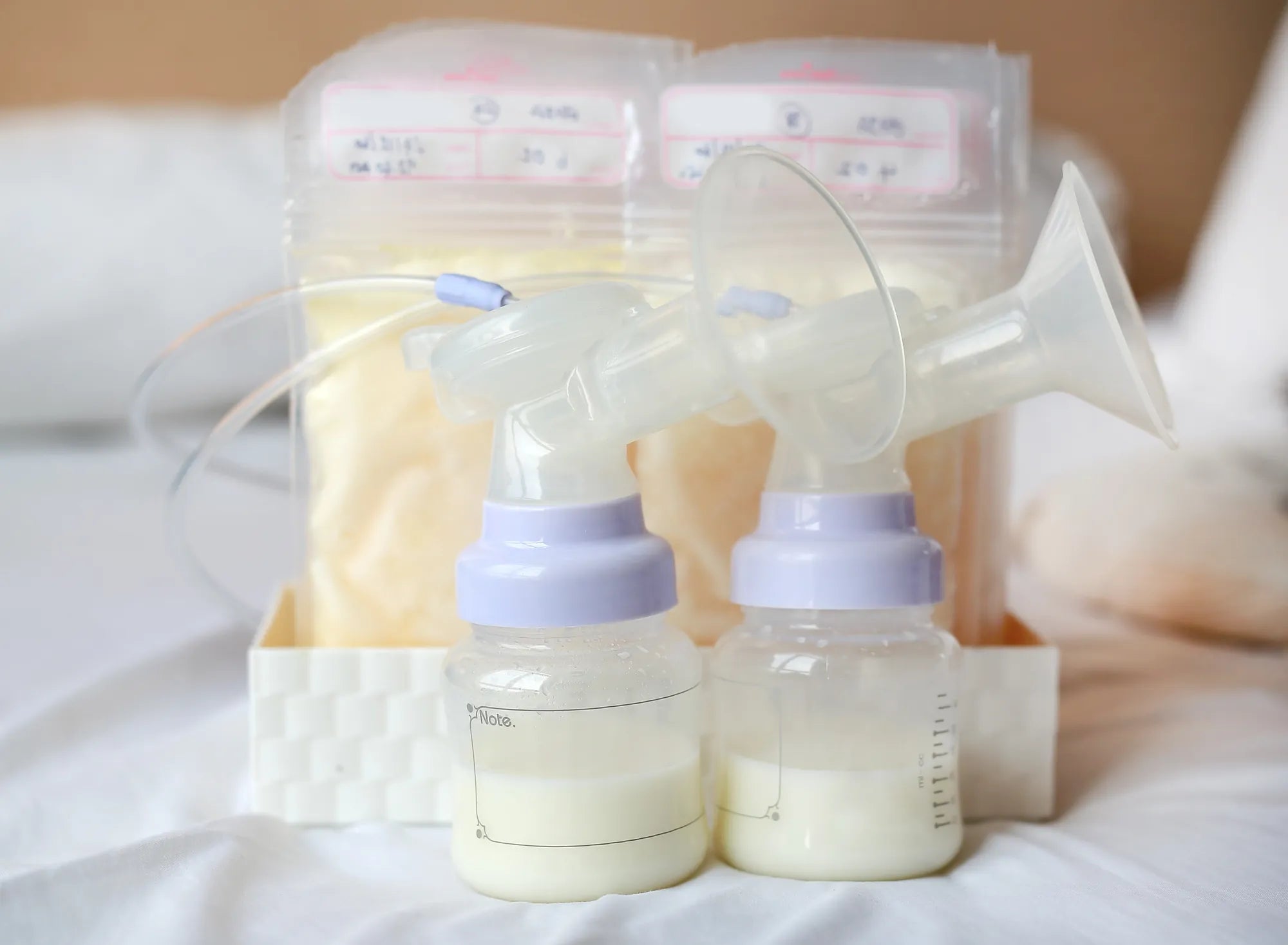
Do You Need to Clean Breast Pump After Every Use? Essential Insights for Safe Pumping
Introduction: The Breast Pump Cleaning Dilemma
Every pumping parent has faced the late-night or mid-day fatigue and wondered: "Do I really need to clean my breast pump after every single use?" It's a valid question born from exhaustion and the search for practicality. The answer, grounded in infant health and food safety, is a clear and essential yes. This guide provides the crucial insights and science-backed reasoning behind this recommendation, transforming a daunting chore into a manageable, confident routine. We'll explore not just the "why," but the "how," with practical steps and expert advice to protect your little one.
Understanding and implementing a proper cleaning routine is a fundamental part of the pumping journey. It safeguards your baby's health, ensures your hard-earned milk remains pure, and provides you with peace of mind. As a trusted partner in maternal and baby care, MomMed is here to offer clarity and support, combining reliable product design with essential education to empower your feeding experience.
Why Cleaning Frequency Matters: Safety First for Your Baby
The primary, non-negotiable reason for cleaning your breast pump parts after every use is to prevent the growth of harmful bacteria and mold. Breast milk is a nutrient-rich, biological fluid—perfect for nurturing your baby, but also an ideal medium for microbial growth. When milk residue is left on pump parts, it creates a breeding ground for pathogens.
Bacteria like *E. coli*, *Salmonella*, *Listeria*, and *Cronobacter* can multiply rapidly at room temperature. For a newborn or infant with a developing immune system, ingestion of these bacteria can lead to serious gastrointestinal illness, infection, and in rare cases, severe complications. Mold growth, which can appear as black, pink, or green spots, poses respiratory and health risks.
This isn't about creating unnecessary work; it's about applying the same rigorous food safety standards you would for any other item that comes into contact with your baby's nutrition. Every pumping session introduces new milk and potential environmental contaminants to the parts, resetting the clock on cleanliness. Therefore, the question "Do you need to clean breast pump after every use?" is fundamentally about proactive protection.
Consistent cleaning is your first and most effective line of defense. It removes the food source (milk fat and sugars) that microbes need to survive and proliferate. By establishing this habit, you are directly contributing to your infant's well-being, ensuring that every bottle of expressed milk is as safe as the milk provided directly from the breast.
The CDC & FDA Guidelines: What the Experts Say
To eliminate any ambiguity, leading public health authorities provide explicit guidance. The Centers for Disease Control and Prevention (CDC) and the Food and Drug Administration (FDA) are the definitive sources for breast pump safety protocols. Their recommendations are clear and consistent.
The CDC states: "Clean pump parts that touch breast milk after every use." This includes all components that come into contact with milk during expression: flanges (breast shields), valves, membranes, connectors, and milk collection bottles or bags. This guideline forms the gold standard for safe pumping practices for all infants.
The FDA echoes this, emphasizing that proper cleaning and sanitizing of pump parts are critical to preventing contamination. They classify breast pumps as medical devices, underscoring the importance of following manufacturer and health authority instructions for use and maintenance. These guidelines are not arbitrary; they are based on extensive research into infant health and infection prevention.
Adhering to these expert recommendations is the simplest way to ensure you are meeting the highest safety standard. It provides a clear, non-negotiable rule that removes guesswork: after each pumping session, all parts that contact milk must be cleaned. This foundational practice answers the core question with authority.
The Practical Cleaning Guide: Step-by-Step After Each Session
Knowing you need to clean is one thing; knowing how to do it efficiently is another. A systematic approach can make the process quicker and more effective. Here is a detailed, step-by-step protocol to follow after every single pumping session.
First, gather your supplies: dedicated brushes (one for bottles, one for flanges/valves), mild dish soap, a clean basin or bowl (used only for baby items), and a clean drying rack or paper towels. Never use the kitchen sink directly, as it can harbor germs. Having a dedicated caddy for these supplies can streamline your routine.
Step 1: Immediate Post-Pump Protocol
As soon as you finish pumping, pour the expressed milk into a storage container and place it in the refrigerator or freezer immediately. Do not let milk sit at room temperature. Next, promptly disassemble your pump. Separate every single part that came into contact with breast milk.
This includes detaching the flange from the valve and membrane, removing the backflow protector (if your pump has one), and taking the bottle off the connector. Leaving parts assembled allows milk to dry and cake in crevices, making cleaning more difficult and less effective. Speed is your ally in preventing bacterial growth during this transition.
Step 2: Rinsing and Washing Best Practices
Rinse all parts under cool or warm running water to remove initial milk residue. Avoid hot water first, as it can cause proteins in the milk to bind to the plastic. Then, wash the parts in a wash basin with hot water and mild dish soap. Use your dedicated brushes to scrub inside flanges, the interiors of bottles, and small valve pieces thoroughly.
Pay special attention to intricate areas like silicone valves and membranes, where milk can easily get trapped. After washing, rinse all parts completely under running water to remove all soap suds. Soap residue can contaminate milk and cause stomach upset for your baby. Finally, place the parts on a clean dish towel or drying rack to air-dry completely before the next use or storage.
Step 3: Sanitizing: When Is It Necessary?
It's important to distinguish between cleaning (washing with soap and water) and sanitizing (using high heat or chemicals to kill germs). The CDC recommends sanitizing pump parts at least once per day for extra protection, especially for infants under 3 months, premature babies, or those with compromised immune systems.
Sanitizing can be done by boiling parts in water for 5 minutes, using a steam sanitizer bag in the microwave, or using a countertop electric steam sterilizer. For healthy, full-term infants, daily sanitizing is a best practice but cleaning after every use remains the non-negotiable baseline. Always check your pump manufacturer's instructions, as some parts may not be heat-tolerant.
The MomMed Advantage: Designing for Easy Care
At MomMed, we believe that safety should not come at the cost of convenience. Our breast pump designs are engineered with the reality of a busy parent's life in mind, making the essential task of cleaning as straightforward as possible. This thoughtful design philosophy helps you consistently answer "yes" to the question, "Do you need to clean breast pump after every use?" without feeling overwhelmed.
Our product development focuses on intuitive assembly and minimal, easy-to-clean components. We understand that a complicated pump with many small parts can be a deterrent to proper hygiene. By simplifying the design, we reduce the time and effort required for disassembly and cleaning, supporting you in maintaining the safest practices.
Fewer Parts, Simpler Assembly
Take the MomMed S21 Double Wearable Breast Pump as an example. Its streamlined design features fewer separate components compared to many traditional pumps. The flanges, valves, and connectors are designed for quick snap-together assembly and easy takedown.
This intentional design minimizes hidden nooks and crannies where milk can hide. There are fewer tiny, easy-to-lose pieces to manage. This simplicity translates directly to a faster, more confident cleaning routine after each use, ensuring no component is overlooked.
BPA-Free & Dishwasher-Safe Components
All MomMed breast pumps are constructed from 100% BPA-free, food-grade materials. This ensures that even with frequent washing and exposure to heat, no harmful chemicals leach into your milk. Your baby's safety is paramount in our material selection.
For added convenience, key components of MomMed pumps, such as the flanges, bottles, and valves, are top-rack dishwasher-safe. Placing these parts on the top rack of your dishwasher (using a mild detergent) provides a thorough clean and high-temperature rinse. Always refer to your specific product manual for detailed instructions, but this feature offers a valuable time-saving option for thorough daily cleaning.
Common Scenarios & Expert Answers
Real-life pumping often presents specific situations that seem to blur the lines of the "after every use" rule. Here, we address these common scenarios with evidence-based guidance to help you navigate them safely.
"What If I'm Pumping for a Second Session Soon?"
This is a frequent question from parents pumping at work or managing cluster feeds. The CDC provides a specific, safe alternative for this scenario: the refrigerator method. You may store pump parts safely in the fridge between uses within 24 hours.
After pumping, quickly rinse the parts to remove visible milk, seal them in a clean zip-top bag or airtight container, and place them in the refrigerator. The cold temperature significantly slows bacterial growth. You can then use the same parts for your next session without washing. However, you must still wash them thoroughly with soap and water at the end of the day. This method is a practical compromise, not a replacement for daily cleaning.
Handling Power Units and External Tubing
A crucial point of relief: you do not need to clean the entire pump apparatus after every use. The pump motor, touchscreen controls, and external tubing (in a closed-system pump like all MomMed models) do not come into contact with breast milk.
For these components, occasional wiping with a disinfectant cloth or damp cloth is sufficient. Ensure no moisture enters the motor unit. If milk ever accidentally backs up into the tubing, it should be replaced immediately, as it cannot be adequately cleaned. Understanding what *doesn't* need washing simplifies your routine and focuses your effort on the critical parts.
Frequently Asked Questions (FAQ)
Q1: Can I just rinse my pump parts with hot water instead of washing with soap?
A: No. Rinsing with water alone, even hot water, does not remove the milk fats and proteins that bacteria feed on. Soap is essential for breaking down these lipids and removing them from the surface of the parts. Washing with soap and water is the minimum standard after every use.
Q2: How often should I replace pump parts like valves and membranes?
A: Silicone parts degrade with use, heat, and frequent cleaning. Worn valves and membranes can reduce pump suction and efficiency. A general rule is to inspect them regularly and replace them every 1-3 months, or sooner if they appear cracked, stretched, or lose elasticity. MomMed offers convenient replacement part kits to maintain optimal performance and hygiene.
Q3: Is it safe to use a communal or second-hand breast pump?
A: Only if it is a closed-system pump with a new, personal kit. The motor of a closed-system pump (like MomMed pumps) is designed to prevent milk from entering the tubing and motor. For any pump, you must always use brand-new, person-specific parts (flanges, valves, bottles, tubing). Never share or use previously owned parts that contact milk.
Q4: What if I forget to clean my pump parts right away?
A: Clean them as soon as you remember. If parts have been sitting assembled with milk residue for several hours at room temperature, a thorough wash may not be enough. In this case, after washing, you should sanitize the parts before their next use to ensure any potential bacterial growth is addressed.
Q5: Do wearable pump cups need the same cleaning frequency?
A> Absolutely. Whether using traditional flanges or the collection cups of a wearable pump like the MomMed S21, every surface that contacts milk must be cleaned after every single use. The same rules for disassembly, washing, and sanitizing apply fully to wearable pump components.
Cleaning Method Comparison Table
| Method | Process | Frequency Recommended | Best For | Notes |
|---|---|---|---|---|
| Hand Washing | Wash with hot, soapy water & brush; air dry. | After every use. | Daily routine; all pump parts. | The essential, non-negotiable baseline for safety. Use a dedicated basin. |
| Dishwasher (Top Rack) | Place parts on top rack; run cycle. | Can be used for the after-every-use clean. | Dishwasher-safe parts (check manual). | Provides high-temperature rinse. Convenient but may not scrub intricate parts as well as a brush. |
| Steam Sterilizing | Use microwave bag or electric sterilizer. | At least once per day. | Extra germ kill; infants under 3 months, preemies. | This is sanitizing, not a replacement for washing. Always wash with soap first. |
| Boiling | Submerge parts in rolling boil for 5 mins. | At least once per day. | When no other sanitizer is available. | Can degrade silicone parts faster. Ensure all parts are heat-safe. |
| Refrigerator Method | Rinse, seal in bag, store in fridge. | Between multiple pumps within 24 hours. | Workplace pumping; consecutive sessions. | A CDC-approved shortcut between sessions, NOT long-term storage. Wash with soap at day's end. |
Conclusion: Clean Routines for Peace of Mind
The evidence is clear and consistent. To ensure your baby's safety and the integrity of your liquid gold, you must clean your breast pump parts after every single use. This practice, mandated by CDC and FDA guidelines, is a simple yet powerful act of protection. It prevents the risk of bacterial and mold contamination that could harm your vulnerable infant.
While the routine requires dedication, it can be seamlessly integrated into your life with the right knowledge and tools. By following the step-by-step guide, utilizing safe shortcuts like the refrigerator method when appropriate, and choosing pumps designed for easy maintenance—like MomMed's range of wearable and electric pumps—you can uphold the highest standard of care without undue stress.
Remember, each time you diligently clean your pump, you are affirming your commitment to providing the safest, healthiest nutrition for your child. Let this routine become a cornerstone of your pumping journey, offering not just cleanliness, but confidence and peace of mind. Shop the MomMed collection at mommed.com for breast pumps and accessories designed to support your success, making every step—from latching to pumping to cleaning—more manageable and secure.