


Home
Pregnancy, Breastfeeding, and Pumping: The Ultimate Guide for Moms
Do I Need to Buy a Breast Pump Before Birth? A Comprehensive Guide
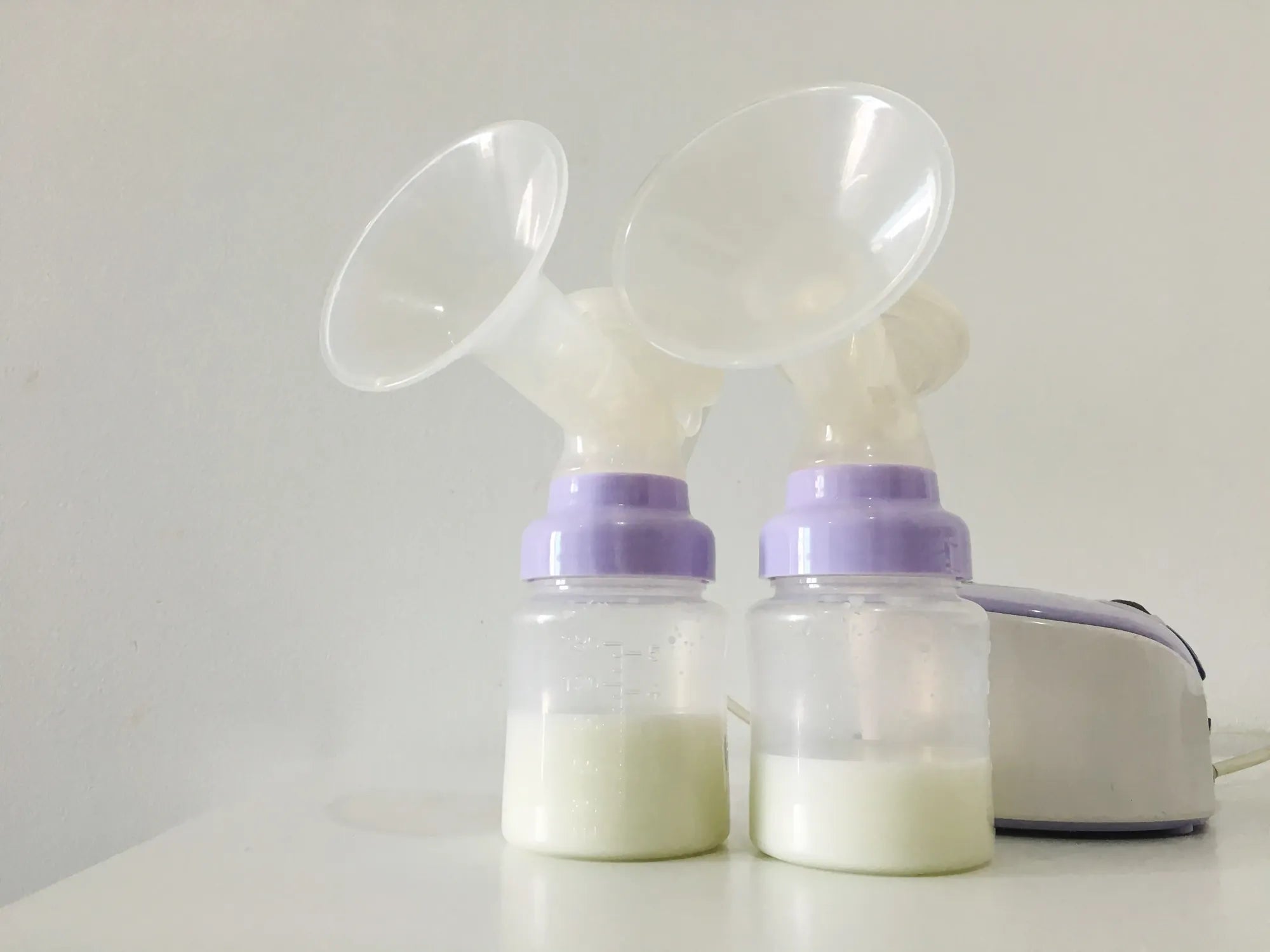
Do I Need to Buy a Breast Pump Before Birth? A Comprehensive Guide
Staring at a lengthy baby registry checklist, many expectant parents find themselves wondering about one particular item: the breast pump. Is it an essential purchase to make before the baby arrives, or is it something you can figure out later? The question, "Do I need to buy a breast pump before birth?" doesn't have a universal yes or no answer. This comprehensive guide will break down the key factors, from breastfeeding goals and insurance logistics to lifestyle needs, empowering you to make an informed, personalized decision. We'll explore the evidence, weigh the options, and help you navigate this important choice with clarity, drawing on insights from lactation experts and real-world parenting experiences.
Understanding the Multifaceted Role of a Breast Pump
A breast pump is far more than a tool for returning to work. Its functions are diverse and can be critical in establishing a successful and sustainable feeding relationship. Understanding these roles is the first step in determining if you need one ready before your baby is born.
Primarily, a pump is used to express milk. This serves several purposes: feeding your baby when you are apart, building and maintaining your milk supply, and relieving painful engorgement in the early postpartum days. For mothers whose babies have difficulty latching, a pump becomes an indispensable tool for providing breast milk while working on latch issues with a lactation consultant.
Furthermore, pumping allows for partner involvement. This can be invaluable for bonding and for giving the birthing parent crucial blocks of uninterrupted sleep. Having a stash of expressed milk also provides flexibility for appointments, emergencies, or simply a night out.
In specific medical scenarios, such as with premature infants in the NICU or for mothers with conditions like PCOS or diabetes that can impact supply, early and frequent pumping is often a medically recommended part of the care plan. In these cases, having a pump ready at birth is not just convenient—it's a necessity.
Key Factors to Consider Before Making a Pre-Birth Purchase
Your decision should be guided by a personal assessment of your anticipated needs and circumstances. Consider this your pre-purchase checklist.
Your Planned Feeding Goals
Are you aiming for exclusive breastfeeding, or do you plan to combine breast milk and formula? If exclusive breastfeeding is your goal, a pump provides a safety net for supply issues and allows for occasional bottles. For combination feeding, a pump helps you manage the balance between direct feeding and expressed milk.
Anticipated Return-to-Work Timeline
If you plan to return to a workplace outside the home within the first few months, a reliable, efficient pump is essential. Researching and securing this pump before birth alleviates last-minute stress. For those with longer leave or who work remotely, the urgency may be less, but the convenience factor remains.
Budget and Insurance Coverage
In the United States, the Affordable Care Act mandates that most insurance plans cover the cost of a breast pump. However, the timing of when you can order it and the models available vary significantly by provider. You must contact your insurance company to understand your specific benefit—this single step often answers the core purchase question.
Personal Comfort with Planning vs. Flexibility
Some parents derive immense comfort from being fully prepared, with every item checked off the list. Others prefer to wait and see how breastfeeding unfolds before investing in equipment. Neither approach is wrong; it's about knowing your own psychology and what will reduce your anxiety during the newborn phase.
The Case For: Benefits of Having a Pump Ready Before Baby Arrives
There are compelling, practical advantages to having your breast pump ready and waiting when you come home from the hospital.
Peace of Mind and Proactive Preparedness
The postpartum period is physically demanding and emotionally intense. Having a pump on hand means you're prepared for common challenges like severe engorgement, a sleepy baby who isn't nursing effectively, or unexpected medical advice to supplement. This preparedness can reduce anxiety, allowing you to focus on recovery and bonding.
Establishing and Protecting Your Milk Supply
For mothers at risk of low supply or those with babies in the NICU, initiating pumping within the first few hours after birth can be crucial for long-term milk production. A 2015 study in the Journal of Perinatology emphasized that early and frequent milk expression is key for mothers of very low-birth-weight infants. Having your own, familiar pump ready facilitates this critical process.
Facilitating Partner Involvement from Day One
Pumping allows a partner or other caregiver to feed the baby with breast milk. This involvement is powerful for bonding and provides the birthing parent with opportunities for longer stretches of restorative sleep, which is vital for recovery and mental health. It creates a shared feeding responsibility from the very beginning.
The Case Against: Reasons You Might Wait to Get a Breast Pump
Despite the advantages, valid reasons exist for postponing the purchase of a breast pump.
Navigating Insurance and "The Free Pump"
Many insurance plans will not allow you to order your covered pump until on or after your due date, or sometimes until the baby is born. Purchasing a pump before checking this could result in an unnecessary duplicate expense. Always investigate your insurance benefits thoroughly before spending your own money.
Uncertainty About Your Breastfeeding Journey
It is perfectly normal to be unsure if breastfeeding will work for you. If you are on the fence, waiting to see how the first few days of latching and feeding go can be a prudent financial decision. You can always purchase or rent a pump quickly if needed, often with next-day delivery.
The Hospital-Grade Rental Option
For short-term, powerful needs—such as exclusively pumping for a preemie or trying to boost a low supply—renting a hospital-grade pump from a pharmacy or medical supply store is an excellent solution. These pumps are more powerful and efficient for establishing supply but are often bulky for long-term use. Renting provides the power without the permanent purchase.
What to Look For: Choosing the Right Pump for Your Lifestyle
If you decide to procure a pump, selecting the right model is paramount. Your choice should align with your anticipated daily life. Modern pumps, like those from MomMed, prioritize mobility, comfort, and discretion.
Hands-Free, Wearable Design: This is the standout feature for active, multitasking moms. Wearable pumps fit inside your bra, allowing you to pump while making dinner, working, or caring for an older child. MomMed's award-winning S21 Double Wearable Breast Pump exemplifies this innovation, offering complete freedom of movement.
Adjustable Suction and Modes: Look for pumps with multiple stimulation and expression modes, along with adjustable suction levels. Comfort is key to effective pumping, and the ability to mimic a baby's natural nursing pattern can improve milk output and reduce discomfort.
Quiet Operation: A quiet motor is essential for discreet pumping at work, during nighttime sessions, or around a sleeping baby. It helps maintain privacy and minimizes disruptions.
Safety and Materials: Ensure all parts that contact breast milk are made from BPA-free, food-grade materials. MomMed uses medical-grade, food-contact silicone in all its pumps and accessories, ensuring the highest safety standard for your baby.
| Feature | Why It Matters | Ideal For |
|---|---|---|
| Wearable/Hybrid | Ultimate mobility and discretion | Working moms, parents of multiples, busy lifestyles |
| Double Electric | Efficiency; pumps both sides simultaneously | Maximizing output, saving time, maintaining supply |
| Closed System | Prevents milk and moisture from entering tubing/motor; more hygienic | All users, especially for pump sharing or renting |
| Battery Life | Determines cord-free usage time | Travel, commuting, use without a power outlet nearby |
Practical Timeline and Preparation Checklist
A phased approach takes the overwhelm out of preparation. Follow this timeline to stay organized and confident.
Second Trimester (Weeks 14-27)
Begin your research. Read reviews, compare features, and understand the different types of pumps (wearable, hospital-grade, manual). Contact your health insurance provider to learn exactly what pump model(s) they cover, the ordering process, and the eligible timing.
Early Third Trimester (Weeks 28-34)
If your insurance allows, place your order for your covered pump. If you are considering purchasing an additional pump for specific needs (like a wearable pump for extra flexibility), this is a good time to buy it. This ensures it arrives with plenty of time before your due date.
Before Your Due Date (Weeks 35-40)
Unbox your pump, wash all parts that contact milk according to the manufacturer's instructions, and sterilize them. Do a test run to understand the assembly, controls, and settings. Familiarity with your equipment in a calm moment is far easier than learning while sleep-deprived with a crying newborn.
Post-Birth: When to Start Pumping
For most mothers planning to primarily breastfeed, lactation consultants recommend waiting 3-4 weeks to introduce a bottle to avoid nipple confusion and to establish a good milk supply. However, pumping for relief from engorgement can start within the first few days. If you are exclusively pumping or have medical directives, you may start within hours of birth. Always consult with a lactation professional for personalized advice.
Frequently Asked Questions (FAQ)
Q: Will using a breast pump before birth induce labor?
A: Nipple stimulation can release oxytocin, which causes uterine contractions. While some natural induction methods involve gentle stimulation, using a breast pump for this purpose is not consistently reliable and carries risks, including the potential for overly strong contractions. It should only be considered under the explicit guidance of your doctor or midwife in a controlled, late-term context.
Q: Can I just use a hand pump instead of an electric one?
A: A manual (hand) pump is an excellent, inexpensive backup and is useful for occasional use or quick relief from engorgement. However, for regular pumping—especially to build or maintain a full milk supply—an electric pump is far more efficient and less physically taxing. Many moms have both: an electric pump for daily sessions and a manual pump for travel or emergencies.
Q: How do I ensure my pump flanges fit correctly?
A: Flange fit is critical for comfort and effective milk removal. The flange should surround your nipple without pulling areolar tissue into the tunnel. There should be a small gap (1-2mm) around the nipple during pumping. Most pumps come with standard 24mm or 27mm flanges, but many women need a different size. MomMed and other quality brands offer sizing guides and multiple flange sizes to ensure a proper, comfortable fit.
Q: Is it necessary to sterilize the pump before first use?
A: Yes. Before first use, you must sterilize all parts that will come into contact with breast milk (flanges, valves, membranes, bottles). This can typically be done via steam sterilizer, boiling in water for 5-10 minutes, or using sterilizing solution. After first use, thorough washing with hot, soapy water after each use is sufficient, with sterilization recommended once daily.
Q: What should I do if I'm not producing much milk when I pump?
A: First, ensure you have the correct flange size and that your pump is functioning properly. Pump output is also highly influenced by timing, hydration, stress, and fatigue. Try pumping in the morning when supply is often highest, look at pictures or videos of your baby, practice hands-on pumping (massaging breasts while pumping), and ensure you are hydrated and rested. If low output persists, consult an International Board Certified Lactation Consultant (IBCLC) to assess the issue.
Conclusion: Making Your Confident Choice
The decision to buy a breast pump before birth is a personal calculus of preparedness, practicality, and peace of mind. For those who value having tools ready for any scenario, particularly modern, hands-free solutions that fit into an active life, securing a pump like the MomMed S21 is a strategic investment in your feeding journey. It represents not just a piece of equipment, but the freedom to nourish your baby on your terms. Whether you obtain one through insurance or make a personal purchase, being informed transforms this from a confusing checklist item into a confident step toward empowered parenting. Trust your research, understand your options, and choose the path that brings you the most confidence as you prepare to welcome your baby.
Shop the MomMed collection at mommed.com for all your breastfeeding and pregnancy needs, from award-winning wearable pumps to essential baby care products, designed with your comfort and your baby's safety in mind.