


Home
Pregnancy, Breastfeeding, and Pumping: The Ultimate Guide for Moms
Do I Have to Wash Breast Pump After Each Use? Essential Hygiene Tips
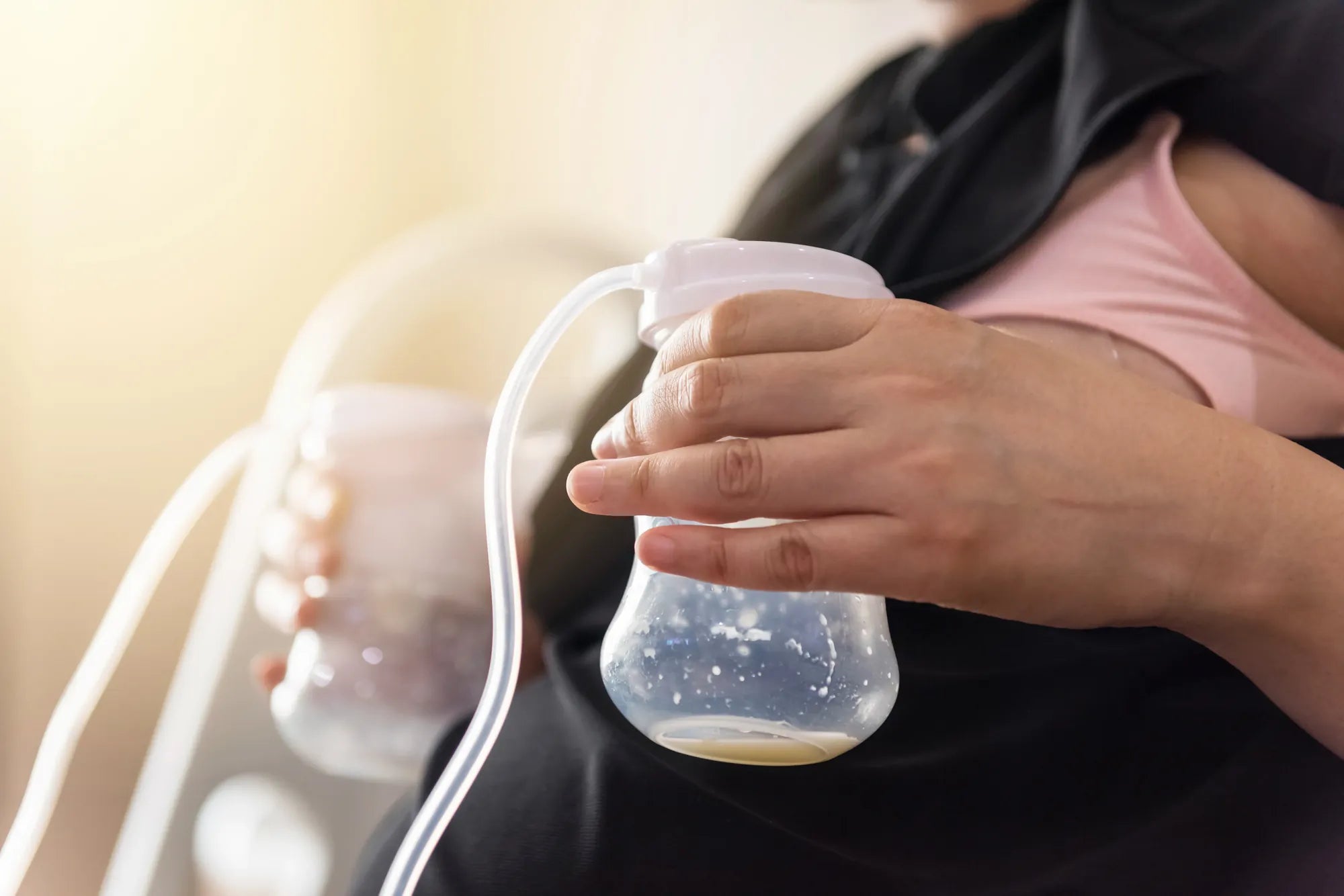
Do I Have to Wash Breast Pump After Each Use? Essential Hygiene Tips
You’ve just finished a pumping session, your baby is finally asleep, and the last thing you want to do is wash another set of bottle parts. The question pops into your tired mind: Do I have to wash my breast pump after each use? The short, crucial answer is yes—but understanding the why and how can transform this chore from a frustrating obligation into a simple, non-negotiable part of your routine that protects your baby’s health. This article provides clear, evidence-based guidance from top health organizations, debunks common myths, and offers practical hygiene tips to ensure your expressed milk is safe, giving you peace of mind as you navigate your breastfeeding and pumping journey.
Understanding the "Why": The Critical Risks of Improper Cleaning
Breast milk is a perfect food for your baby, but its nutrient-rich composition also makes it an ideal breeding ground for harmful bacteria and viruses. When milk residue is left on pump parts—flanges, valves, membranes, and bottles—it creates a warm, moist environment where pathogens can multiply rapidly.
Common bacteria that can contaminate poorly cleaned equipment include E. coli, Salmonella, and Listeria, which can cause serious gastrointestinal illness in infants. Furthermore, the fungus Candida albicans, which causes thrush (oral yeast infection), can easily be transferred between mother and baby via contaminated parts.
For the mother, the risks are equally significant. Bacteria introduced into the breast ducts via a dirty pump flange is a leading cause of mastitis, a painful breast infection often accompanied by fever and flu-like symptoms. Mastitis can severely disrupt milk supply and breastfeeding, sometimes requiring antibiotic treatment.
The science is clear: infant immune systems are still developing, especially in the first few months. Premature babies or those with underlying health conditions are at even greater risk. Proper cleaning isn't just about keeping parts looking clean; it's a fundamental safety practice that prevents the transfer of illness.
The Golden Rule: Official CDC & FDA Guidelines for Pump Cleaning
The Centers for Disease Control and Prevention (CDC) and the Food and Drug Administration (FDA) provide unambiguous guidelines for breast pump hygiene. Their central, non-negotiable recommendation is that all pump parts that come into contact with breast milk must be cleaned thoroughly after every single use.
This means every component that touches milk—flanges, valves, diaphragms, backflow protectors, milk collection bottles, and storage lids—requires attention. The guideline applies regardless of whether you pump every three hours or just once a day.
It's vital to distinguish between cleaning and sanitizing. Cleaning refers to washing with soap and water to remove milk residue and visible soil. Sanitizing is an extra step that further reduces germs to a minimal level, typically through boiling, steaming, or using a diluted bleach solution.
The CDC recommends cleaning after each use and sanitizing at least once daily, especially for infants under 3 months, premature infants, or those with a compromised immune system. For older, healthy infants, daily sanitizing may be less critical if cleaning is done meticulously, but it remains a best practice for optimal safety.
Your Step-by-Step Guide to Cleaning Pump Parts After Each Use
Step 1: Immediate Rinse & Complete Disassembly
As soon as possible after pumping, take your pump parts to a clean sink. Rinse each piece under cool running water to remove the bulk of the milk. Avoid using hot water initially, as it can cause the proteins in breast milk to coagulate and stick to the plastic.
Next, disassemble every single part according to your pump's manual. This includes separating valves from membranes, detaching flanges from bottles, and removing any small silicone pieces. Bacteria can hide in the tiniest crevices, so a complete teardown is essential.
Step 2: Washing with Soap & Warm Water
Wash the parts in a dedicated wash basin or bowl that is used only for cleaning infant feeding items—not directly in a kitchen sink, which can harbor food-borne germs. Use hot, soapy water and a clean brush designed for bottle and pump parts.
Scrub each component thoroughly, paying special attention to intricate areas like valve flaps and membrane edges. Use a mild, unscented dish soap. Rinse all parts completely under running water to ensure no soap residue remains, as this can cause stomach upset for your baby.
Step 3: Drying Properly to Prevent Mold
Place the clean parts on a clean paper towel or a dedicated dish rack in an area free from dust and kitchen contaminants. Allow them to air-dry completely before reassembling or storing.
Do not use a kitchen cloth or dish towel to dry the parts, as these can transfer germs. Ensure parts are fully dry before storage; trapped moisture in assembled parts can lead to mold growth, which poses a serious health hazard.
Step 4: Sanitizing: When and How to Do It
For daily sanitizing, you have several effective options. The easiest method is using microwave steam bags designed for baby bottles. You can also boil parts in a pot of water for 5 minutes, or use a solution of 1 tablespoon of unscented bleach per gallon of cool water, soaking for 2 minutes, followed by a thorough air-dry.
Remember, sanitizing is an addition to—not a replacement for—cleaning with soap and water. You must clean off all milk fat first; sanitizers cannot penetrate and eliminate germs hidden under a layer of grease.
Navigating Real-Life Scenarios: The Fridge Hack and On-the-Go Pumping
What is the "Fridge Hack"?
The "fridge hack" is a popular but unofficial practice where a mother places her fully assembled pump parts in a sealed container or plastic bag in the refrigerator between pumping sessions, rather than washing them after each use. The theory is that the cold temperature inhibits bacterial growth, allowing the parts to be reused for 24 hours before washing.
Is the Fridge Hack Safe? What the Experts Say
While many mothers report using this method without issue, it is important to note that the CDC does not endorse or recommend the fridge hack as a best practice. Refrigeration slows bacterial growth but does not stop it entirely. Harmful bacteria like Listeria can even grow at refrigerator temperatures.
The risk is considered higher for newborns, premature infants, or immunocompromised babies. If a mother chooses to use this method for convenience, it should be with the understanding that it carries some risk, should be limited to a 24-hour period for one set of parts, and requires strict personal hygiene.
Essential Tips for Cleaning When Away from Home
Pumping at work or on the go presents unique challenges. Plan ahead by packing multiple sets of clean parts in separate zip-top bags. For cleaning, you can use disposable pump wipes that are approved for cleaning food-contact surfaces, followed by a rinse with bottled or clean water.
Many workplaces have a kitchenette with a microwave; consider keeping a microwave steam sanitizer bag in your pumping bag for a quick, effective sanitizing cycle. Portable, UV-light sanitizing boxes are another option for drying and sanitizing parts without access to a sink.
How Pump Design Impacts Cleaning Ease and Safety
The design of your breast pump plays a significant role in how easy it is to maintain proper hygiene. Pumps with fewer, simpler parts are inherently easier to clean thoroughly. Complex assemblies with many small nooks and crannies can be difficult to disassemble and dry, increasing the risk of missing a spot where bacteria can grow.
Materials matter greatly. Components made from BPA-free, food-grade silicone are non-porous, meaning bacteria are less likely to adhere to the surface and are easier to wash away. This is a standard feature in quality pumps from trusted brands like MomMed, which prioritize baby safety.
Look for pumps that explicitly state their parts are dishwasher safe (top rack). This doesn't replace the need for immediate rinsing, but it allows for a convenient, high-temperature sanitizing cycle, reducing daily labor. A streamlined design directly supports compliance with the essential rule of cleaning after each use.
Comparison of Cleaning Methods: Effectiveness & Time Required
| Method | Process | Effectiveness (Germ Reduction) | Approx. Time | Best For |
|---|---|---|---|---|
| Hand Washing | Soap, warm water, brush, air dry | High (with proper technique) | 10-15 minutes | Daily cleaning after each use; accessible to all. |
| Dishwasher (Top Rack) | Hot water & drying cycle | Very High | 60-120 min cycle | Convenient sanitizing; requires dishwasher-safe parts. |
| Microwave Steam Bag | Steam generated in bag | Very High (Sanitizes) | 3-5 min + cooling | Quick daily sanitizing, especially at work or with limited time. |
| Boiling | Submerge in rolling boil for 5 min | Very High (Sanitizes) | 15-20 minutes | Thorough sanitizing without specialized equipment. |
| Bleach Soak (CDC Method) | Diluted bleach solution soak | Very High (Sanitizes) | 2 min soak + air dry | When other methods aren't available; effective disinfecting. |
| Pump Wipes | Wipe down all parts | Moderate (Cleans) | 2-3 minutes | Emergency cleaning on-the-go; must be rinsed if directed. |
Frequently Asked Questions (FAQ) on Breast Pump Hygiene
Q: Can I just rinse my pump with hot water instead of using soap?
A: No. Soap is essential. Breast milk contains fats that water alone cannot remove. These residual fats provide a food source for bacteria. You must use soap to emulsify and break down these fats for a truly clean surface.
Q: How often should I replace pump parts like valves and membranes?
A: Silicone and plastic parts degrade with use, heat, and cleaning. Inspect parts weekly. Replace valves, membranes, and duckbills every 1-3 months, or sooner if you notice cracks, tears, cloudiness, or a persistent loss of suction. Worn parts are harder to clean and can harbor bacteria.
Q: Do I need to clean the pump motor or the tubing?
A: No, unless milk has backed up into them. The tubing and motor should remain dry. If milk enters the tubing, it must be washed and dried thoroughly (check manual). Otherwise, keep tubes dry and store the motor unit according to instructions, wiping the surface with a disinfectant cloth as needed.
Q: Is a separate electric bottle sterilizer necessary?
A: Not strictly necessary, as boiling or steam bags are effective. However, an electric steam sterilizer can be a major time-saver and convenience tool, especially for busy parents. It provides consistent, high-temperature steam sanitizing with the push of a button, often including a drying function.
Q: What if I forget to wash my pump parts for a few hours?
A: Rinse them immediately in cool water to remove the bulk of the milk. Then, wash them especially thoroughly with hot, soapy water, scrubbing all parts. Following this, it is highly advisable to sanitize the parts before their next use to ensure any bacteria that may have started growing are eliminated.
Conclusion: Prioritizing Safety for Your Baby's Health
Consistently washing your breast pump after each use is one of the most important, non-negotiable practices in your feeding routine. It is a direct act of protection for your baby’s vulnerable immune system, guarding against infections, illness, and feeding disruptions. While it can feel like a tedious task, especially during night feeds or on hectic days, framing it as a critical component of your baby’s well-being can help solidify the habit.
Investing in a well-designed pump with fewer, dishwasher-safe parts made from high-quality, food-grade materials—like the MomMed S21 Wearable Breast Pump with its streamlined, easy-clean design—can significantly reduce the time and effort required, making compliance with safety guidelines much simpler. Your peace of mind is worth the effort. By adhering to these essential hygiene tips, you ensure that every drop of your liquid gold is delivered safely, allowing you to nourish your child with confidence.
Shop the MomMed collection at mommed.com for breast pumps and accessories designed with your convenience and your baby’s safety in mind, helping you maintain perfect hygiene with less stress.