


Home
Pregnancy, Breastfeeding, and Pumping: The Ultimate Guide for Moms
Can You Pump Your Breast While Pregnant? Exploring the Facts and Safety
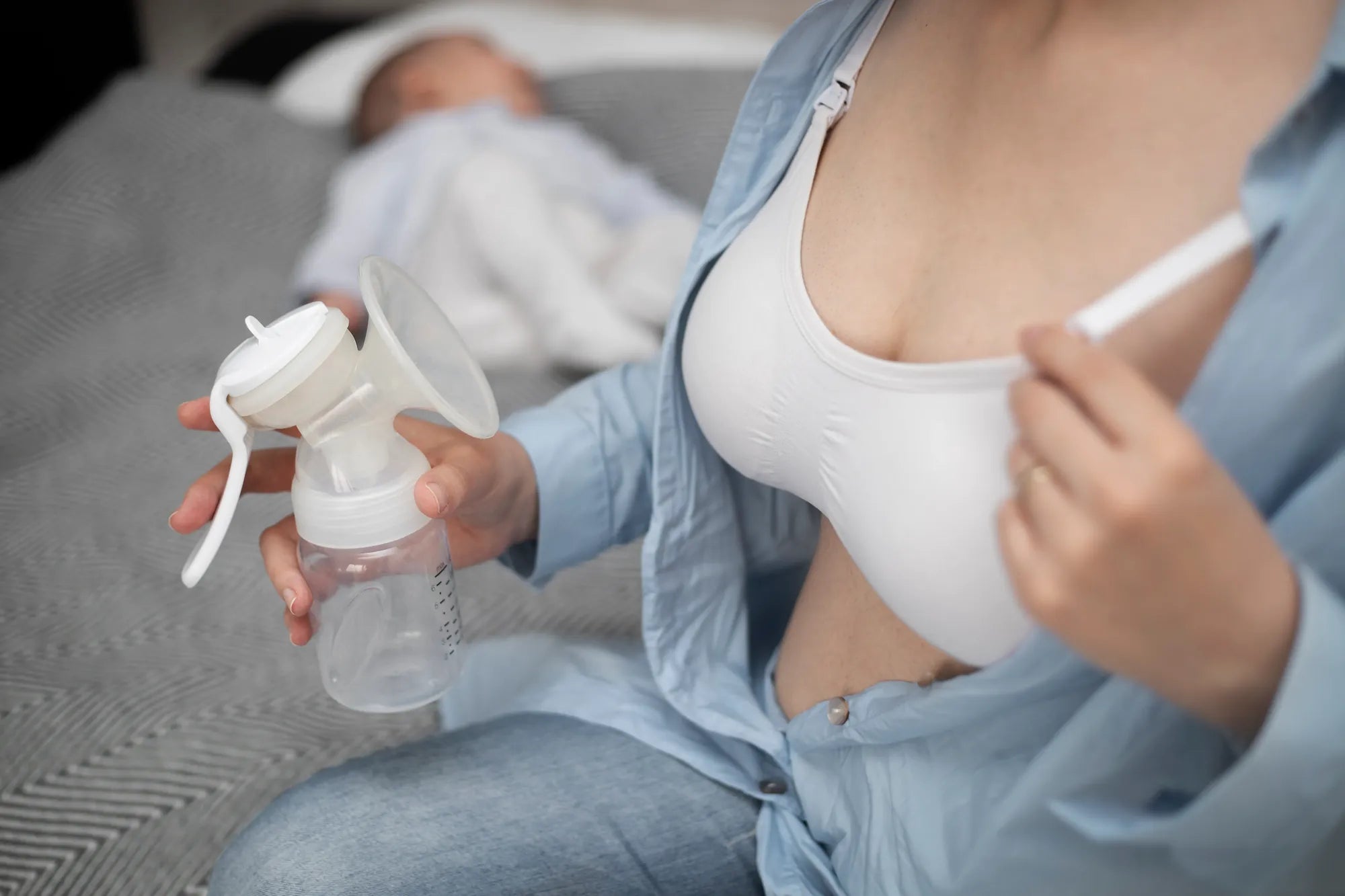
Can You Pump Your Breast While Pregnant? Exploring the Facts and Safety
Many expectant mothers wonder, can you pump your breast while pregnant? This question arises from curiosity, preparation, or sometimes medical necessity. Understanding the facts is crucial for maternal and fetal safety. This article provides a detailed, evidence-based exploration of pumping during pregnancy, separating medical guidance from common misconceptions, and offering practical preparation strategies for your postpartum breastfeeding journey.
Understanding Lactation Physiology During Pregnancy
Breast changes begin early in pregnancy, driven by hormones like estrogen, progesterone, and prolactin. These hormones stimulate the growth of milk-producing cells (alveoli) and ducts. By the second trimester, your body begins producing colostrum—the first, nutrient-rich "liquid gold" for your newborn.
Colostrum is thick, yellowish, and produced in small volumes perfectly suited to a newborn's tiny stomach. Full milk production, or lactogenesis II, is hormonally triggered by the delivery of the placenta, which causes a sharp drop in progesterone. This process typically occurs 2-5 days postpartum, known as when your milk "comes in."
Therefore, while some colostrum may be present and even leak during pregnancy, the breasts are not in full milk production mode. Pumping during this phase accesses the colostrum but does not signal the body to produce mature milk prematurely. The primary biological purpose of pregnancy-related breast changes is preparation for postpartum feeding, not ongoing milk removal.
Is It Safe to Pump While Pregnant? The Medical Consensus
The overwhelming medical and lactation consultant advice is clear: routine pumping during an uncomplicated, low-risk pregnancy is not recommended. This guidance is rooted in physiology and risk management, not caution.
The core concern is the hormone oxytocin. Nipple stimulation—whether from pumping, hand expression, or breastfeeding—triggers the release of oxytocin. This "love hormone" is responsible for milk ejection (the let-down reflex) but also causes uterine contractions. In the postpartum period, this helps the uterus shrink. During pregnancy, it raises the theoretical risk of inducing preterm labor or strong, uncomfortable Braxton Hicks contractions.
For most healthy pregnancies, occasional, gentle expression may not cause harm, but the potential risk outweighs any benefit for general preparation. The medical community errs on the side of caution, advising mothers to wait until after birth to begin regular pumping unless there is a specific, monitored medical reason to start earlier.
When Might Pumping During Pregnancy Be Medically Advised?
Under strict healthcare supervision, antenatal colostrum expression may be recommended in specific circumstances. This is not about building supply but about collecting precious colostrum for potential neonatal use.
Common scenarios include maternal health conditions like diabetes (gestational or pre-existing), which can sometimes delay lactogenesis or where baby may need early glucose management. It may also be advised if the baby is diagnosed with a condition like a cleft palate, where feeding challenges are anticipated, or if the mother has a history of low milk supply with a previous child.
This process, often called "colostrum harvesting," typically begins around 36-37 weeks of pregnancy, only after explicit instruction from a doctor or lactation consultant. It involves gentle hand expression for a few minutes once or twice a day to collect droplets into sterile syringes for freezing. The focus is on collection, not vigorous pumping to stimulate more production.
Potential Risks and Drawbacks of Unsupervised Pumping
Risk of Uterine Contractions and Preterm Labor
As established, oxytocin release is the primary risk. While a healthy term pregnancy may tolerate some stimulation, the concern is heightened in cases of a history of preterm labor, cervical insufficiency, multiple gestation, or other high-risk factors. Even strong Braxton Hicks contractions can be alarming and uncomfortable for the mother.
Ineffective for Building Long-Term Supply
Pumping during pregnancy does not effectively "prime" or increase your future milk supply. Milk production operates on a supply-and-demand system driven by postpartum hormonal shifts and frequent, effective milk removal. Antenatal pumping does not create the hormonal environment needed for sustained production and may lead to frustration if mothers expect different results.
Potential for Nipple Sensitivity and Discomfort
Pregnancy can make breasts and nipples extraordinarily tender. Using a breast pump, especially with incorrect flange size or high suction, can cause pain, soreness, and even damage to sensitive tissue, creating a negative association before the breastfeeding journey truly begins.
Third Trimester Preparation: What to Do Instead
Pregnancy is the ideal time to prepare knowledgeably and practically for postpartum feeding. Focus on these safe and highly effective activities.
Educate Yourself: Take a breastfeeding class, read reputable sources, and learn about latch, feeding cues, and normal newborn behavior. Knowledge reduces postpartum anxiety.
Assemble Your Gear: Research and acquire your breast pump. For example, the MomMed S21 Double Wearable Breast Pump features hospital-grade performance in a discreet, hands-free design. Use pregnancy to unbox, sterilize the BPA-free parts, read the manual, and understand the settings—without turning it on.
Create a Nursing/Pumping Station: Set up a comfortable chair with supplies like water, snacks, phone charger, and burp cloths. Having a dedicated, relaxing space ready can make early feeding sessions smoother.
Develop a Support Plan: Discuss feeding plans with your partner. Identify a local lactation consultant (IBCLC) and know how to access help after birth. Preparation is your best tool.
Choosing the Right Pump: Key Features for Postpartum Success
Selecting a pump during pregnancy ensures you're ready. Key features to consider include efficiency, comfort, and lifestyle compatibility. MomMed pumps are designed with these needs in mind.
| Feature | Why It Matters | How MomMed Pumps Deliver |
|---|---|---|
| Flange Fit & Comfort | Correct fit prevents pain, damage, and maximizes milk output. Many women need a size other than standard. | Kits include multiple flange sizes (19mm, 21mm, 24mm, 27mm) and soft, flexible silicone material for a comfortable seal. |
| Suction Customization | Mimicking a baby's natural suckling pattern (stimulation & expression modes) is key for efficient let-down and output. | Multiple modes and suction levels allow personalized, gentle settings that can be adjusted for comfort and effectiveness. |
| Portability & Discretion | Postpartum life is busy. A pump that allows mobility reduces stress and helps maintain pumping schedules. | The S21 wearable pump is cordless, fits inside a bra, and operates ultra-quietly, offering true hands-free convenience. |
| Ease of Cleaning | Simplified parts reduce the time burden of sterilization, a critical factor for sleep-deprived parents. | Designs prioritize fewer parts and dishwasher-safe (top rack) components where possible, made from food-grade silicone. |
Post-Birth Pumping: When and How to Start
Once your baby is born, the guidelines change. For most mothers, the goal is to establish a good milk supply with the baby first.
If breastfeeding directly, introducing a pump is often advised around 3-4 weeks postpartum, once feeding is well-established, to create a stash or allow others to feed. However, pumping may start immediately if baby is in the NICU, has latching difficulties, or if you are exclusively pumping.
Start with gentle settings. Use the pump after a morning feed or between feeds for 15-20 minutes. Consistency is more important than long sessions. Proper flange fit remains critical; your size may change postpartum, so reassess. A brand like MomMed provides clear sizing guides to help.
Remember, early output is small—often just drops of colostrum, then milliliters of transitional milk. This is normal. Your supply increases with frequent, effective removal.
Frequently Asked Questions (FAQ)
Can pumping induce labor?
Nipple stimulation releases oxytocin, which causes uterine contractions. While used intentionally in some natural labor induction methods at or past term, it is not recommended without medical supervision due to the risk of overly strong or premature contractions.
I'm leaking colostrum. Should I pump to save it?
No. Leaking is normal and not a signal to pump. If you have been medically advised to collect colostrum (e.g., for diabetes), your provider will teach you gentle hand expression techniques. Otherwise, simply use breast pads to manage leakage.
When is the absolute earliest safe time to pump?
For low-risk pregnancies, any expression before 36 weeks is generally discouraged. If recommended, colostrum harvesting typically starts at 36-37 weeks. For routine pumping to build a stash, the safe and appropriate time is after your baby is born and your mature milk has come in.
Will pumping now help me have more milk later?
No. Research does not support that antenatal pumping increases postpartum milk supply. Supply is established by the frequency and effectiveness of milk removal after birth, driven by postpartum hormonal changes.
How do I know what size flange I'll need?
Flange size is based on nipple diameter, not breast size. Measure your nipple (without areola) in millimeters. The flange tunnel should allow 1-3mm of space around the nipple when pumping. Most women need a size larger than the standard 24mm. MomMed pumps include a sizing guide and multiple flange options to help you find the perfect fit postpartum.
Are MomMed pumps suitable for exclusive pumping?
Yes. MomMed wearable pumps like the S21 offer hospital-grade suction levels and dual-mode technology designed for effective, frequent milk removal—the cornerstone of exclusive pumping. Their comfort and portability make the demanding schedule of exclusive pumping more manageable.
Empowering Your Journey with Informed Choices
The question of pumping during pregnancy highlights the proactive nature of modern mothers. While the answer for most is to wait, the period of waiting is rich with opportunity for education and preparation. By understanding the physiology, respecting the safety guidelines, and focusing on postpartum readiness, you can enter your breastfeeding journey with confidence and the right tools. Trusted, innovative products are designed to support you when the time is right, making the transition into motherhood a bit smoother.
Shop the MomMed collection at mommed.com for all your breastfeeding and pregnancy needs. From the award-winning S21 Wearable Pump to essential nursing accessories, equip yourself with comfortable, reliable gear for the journey ahead.