


Home
Pregnancy, Breastfeeding, and Pumping: The Ultimate Guide for Moms
Can You Pump Breast Milk Before Giving Birth? A Complete Guide to Antenatal Expression
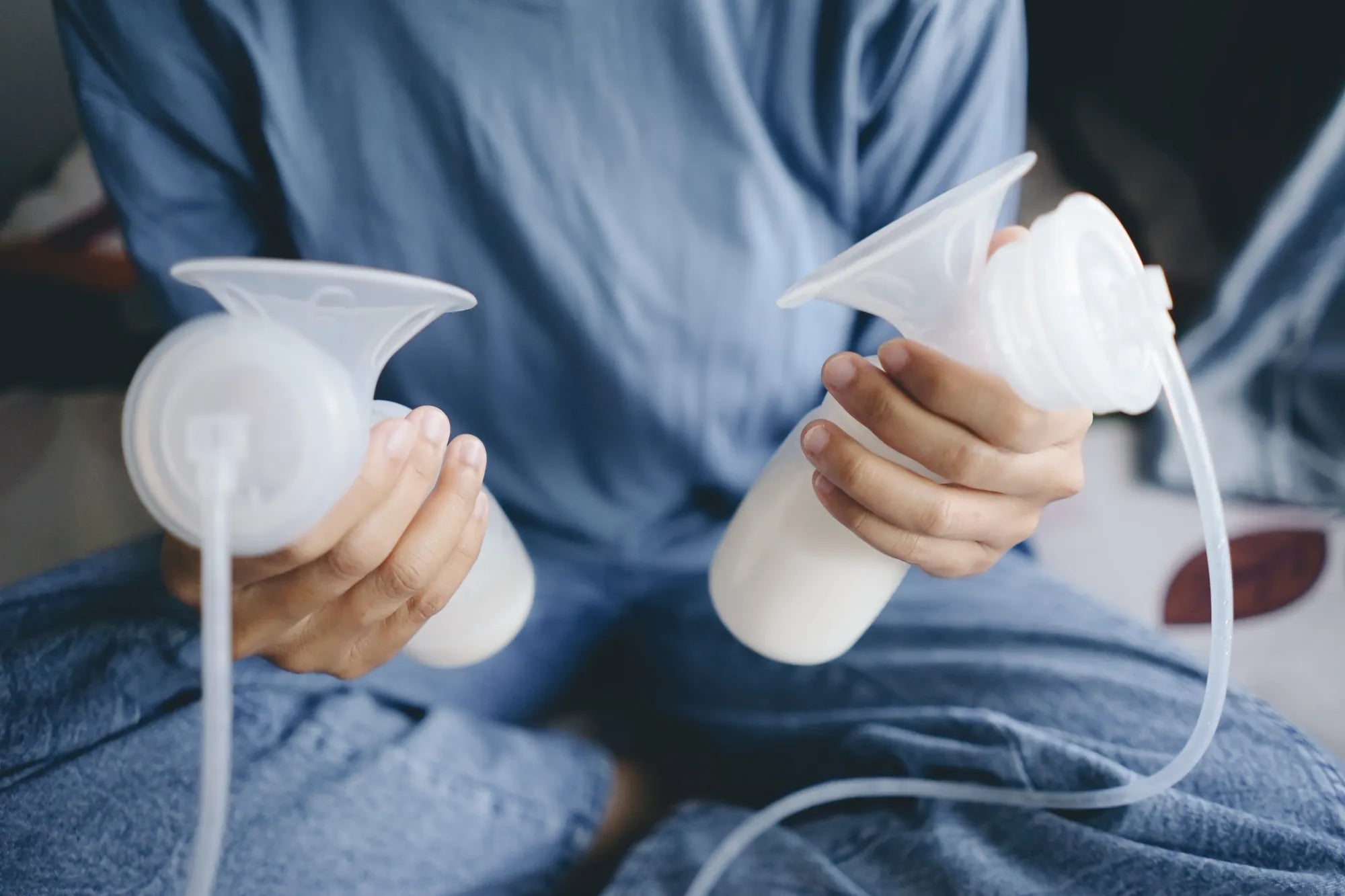
Can You Pump Breast Milk Before Giving Birth? A Complete Guide to Antenatal Expression
Introduction: Understanding Antenatal Expression of Colostrum
Many expectant parents wonder, can you pump breast milk before giving birth? The short answer is nuanced. While using an electric breast pump is generally not recommended before delivery, a specific, medically supervised practice called Antenatal Colostrum Harvesting (ACH) is a possibility for some. This article explores the realities, benefits, and crucial safety guidelines surrounding collecting your first milk, or colostrum, during late pregnancy.
This guide provides evidence-based information to help you have an informed conversation with your healthcare provider. We'll demystify the process, separate fact from fiction, and explain when and how this practice might be beneficial. Our goal is to empower you with knowledge, aligning with MomMed's mission to support moms and moms-to-be with reliable, practical information for their feeding journey.
Understanding your options can alleviate anxiety and help you prepare. Whether you're considering ACH for medical reasons or simply curious about the process, having accurate information is the first step. Let's delve into what antenatal expression truly entails and how it fits into your broader breastfeeding plan.
What is Antenatal Colostrum Harvesting (ACH)?
Antenatal Colostrum Harvesting (ACH) is the practice of gently hand-expressing and collecting colostrum during the final weeks of a healthy, term pregnancy, typically from 36-37 weeks gestation onward. It is a targeted, careful process, not about using a pump to induce labor or produce large volumes. The primary focus is on harvesting the small, precious amounts of "liquid gold" your body naturally begins to produce.
Colostrum is the first form of breast milk, produced during pregnancy and in the initial days after birth. It is thick, concentrated, and packed with antibodies, immune factors, and proteins designed to protect your newborn and support their immature digestive system. ACH allows you to collect this invaluable resource before your baby arrives.
It's critical to understand that ACH is not the same as using an electric or wearable breast pump, like the MomMed S21, before birth. Pumps are designed for the milk ejection reflex and volume of mature milk postpartum. Their suction can be unnecessarily strong for colostrum collection and may stimulate the uterus more than the gentle hand-expression technique recommended for ACH.
The process is about building confidence and a small, strategic stash. For mothers in certain situations, having a few milliliters of their own colostrum stored can be incredibly reassuring and clinically beneficial in the first critical days after birth.
Potential Benefits of Collecting Colostrum Before Birth
When undertaken with medical guidance, ACH offers several potential advantages. These benefits are often most significant for mothers and babies where early feeding challenges are anticipated. Research and clinical practice have highlighted key scenarios where ACH can be a valuable tool.
First, it provides a safety net of mother's own milk (MOM) for babies who may need supplementation. For infants of mothers with gestational diabetes, babies are at a higher risk of low blood sugar (hypoglycemia) after birth. Having colostrum ready to feed can help stabilize their glucose levels without resorting to formula. Similarly, for babies with known anatomical challenges like a cleft lip/palate, having colostrum available can aid in early feeding with specialized methods.
Second, ACH serves as an educational practice for the mother. Learning the hand-expression technique before you're sleep-deprived and caring for a newborn builds muscle memory and confidence. It familiarizes you with your breasts and the sensation of milk release, which can make the transition to postpartum breastfeeding or pumping smoother.
Finally, for mothers who have experienced low milk supply in a previous pregnancy or who have conditions like Polycystic Ovary Syndrome (PCOS) or breast hypoplasia, ACH can provide tangible proof that their body is producing colostrum. This psychological boost can be powerful, reducing anxiety about milk production before the baby even arrives.
Evidence-Based Scenarios for ACH Recommendation
Healthcare providers may discuss ACH in cases of: gestational diabetes, insulin-dependent diabetes, a history of poor lactation onset, babies with known congenital conditions affecting feeding, or when the mother is taking beta-blockers that can transiently affect milk production. It's a proactive, personalized strategy.
Important Considerations and When to Avoid It
ACH is a medical recommendation, not a routine practice for all pregnancies. The most critical rule is that it should only be started after explicit discussion and approval from your midwife, obstetrician, or lactation consultant, usually after 36-37 weeks in an uncomplicated pregnancy.
The primary risk associated with any form of nipple stimulation in pregnancy is the release of oxytocin, the hormone that causes uterine contractions. In a healthy, term pregnancy with no complications, gentle hand-expression is considered low risk. However, in certain situations, it is strongly contraindicated and must be avoided.
You should not attempt antenatal expression if you have: a history of preterm labor in the current or previous pregnancies, cervical insufficiency, a diagnosis of placenta previa or vasa previa, any bleeding in the third trimester, or if you are carrying multiples (twins, triplets) without direct medical supervision. These conditions increase the risk that uterine stimulation could trigger premature labor.
Even with approval, it's essential to monitor your body. Stop immediately and contact your provider if you experience any regular, painful contractions, cramping, vaginal bleeding, or if your waters break. The goal is a gentle, non-stimulating collection process that does not advance labor.
A Step-by-Step Guide to Safe Hand-Expression Before Birth
If your healthcare provider has given you the green light, following a safe, hygienic protocol is paramount. This step-by-step guide focuses on the hand-expression method, which is the standard for ACH.
Getting Prepared: Hygiene and Storage
Before you begin, gather your supplies. You will need: clean hands, a warm washcloth, sterile 1mL or 3mL oral syringes (without needles), a clean bowl or shot glass, labels, and a pen. Ensure your storage area in the freezer is ready. Hygiene is crucial because colostrum is a bodily fluid for your vulnerable newborn.
Wash your hands thoroughly. You may apply a warm compress to your breast for a few minutes to encourage let-down. Have your sterile syringe and collection container ready. Colostrum is collected in drops, not streams, so patience is key. Express directly into the clean container or, if drops are very small, directly into the tip of the syringe.
The Hand-Expression Technique
Position your thumb and forefinger in a "C" shape about 1-1.5 inches behind your nipple. Gently press straight back towards your chest wall. Then, compress your thumb and finger together (rolling them forward can help). Release and repeat rhythmically, rotating your fingers around the nipple to drain different ducts.
Aim for short sessions of 5-10 minutes per breast, once or twice a day. Do not force it or cause pain. You may only get a few drops per session, and some days you may get none—this is completely normal. The average total collection over a week might be just 5-10 mL, but every drop is valuable.
What About Using a Breast Pump?
This directly addresses the core question: can you pump breast milk before giving birth with an electric pump? The consensus among lactation experts is a clear no for routine antenatal collection. Electric and wearable pumps like the MomMed S21 are engineered for the robust milk supply and faster flow of postpartum feeding.
Their suction is stronger and designed to trigger a let-down reflex, which involves a significant oxytocin release. This level of stimulation is unnecessary for harvesting thick colostrum and poses a higher, uncontrolled risk of causing uterine contractions. The gentle, precise pressure of hand-expression is the safer, more effective tool for this specific prenatal task.
Bringing Your Colostrum to the Hospital: A Practical Plan
Once you have collected and frozen your colostrum, having a plan for the birth is essential. Label each syringe clearly with your name, date of expression, and time if collected on the same day. Freeze syringes flat, then store them upright in a sealed zip-top bag in the back of the freezer (not the door) to maintain a consistent temperature.
When you go to the hospital or birth center, transport your frozen colostrum in a cooler with ice packs. Inform your labor and delivery team immediately that you have brought antenatally expressed colostrum. Give it to the nursing staff so they can store it in their freezer or refrigerator.
Your stored colostrum can be used if your baby needs supplemental feeds: for low blood sugar, if latching is difficult in the first hours, or if you and baby are separated for any medical reason. It ensures your baby still receives the irreplaceable benefits of your own colostrum, supporting their immune system and gut health from the very first feed.
Antenatal Expression vs. Postpartum Pumping: A Comparison
Understanding the distinct differences between collecting milk before and after birth is crucial for safety and setting realistic expectations. The following table outlines the key contrasts.
| Aspect | Antenatal Colostrum Harvesting (ACH) | Postpartum Pumping (e.g., with MomMed Pump) |
|---|---|---|
| Primary Goal | Collect small amounts of colostrum for potential early supplementation. | Establish/maintain milk supply, feed baby, build a freezer stash. |
| Recommended Method | Gentle hand-expression only. | Electric breast pump (wearable or hospital-grade) or hand-expression. |
| Typical Volume | Drops to a few milliliters per session. | Ounces per session, increasing as supply establishes. |
| Key Safety Concern | Avoiding uterine over-stimulation and preterm labor. | Maintaining supply, preventing engorgement/mastitis, proper flange fit. |
| Ideal Time to Start | 36-37+ weeks with medical approval. | After birth, once breastfeeding is established (often 3-4 weeks), or immediately if medically indicated. |
| Role of Products | Sterile syringes for storage. | Breast pumps (like MomMed S21), milk storage bags, pumping bras. |
Frequently Asked Questions (FAQs)
Here are answers to some of the most common questions about pumping and expressing milk before birth.
Will expressing colostrum induce labor?
Gentle hand-expression, as directed for ACH after 36-37 weeks, is considered low risk for inducing labor in an uncomplicated pregnancy. However, the oxytocin release is why it requires medical approval. It should not be used as a method to try to start labor. Always stop if you feel regular contractions.
What if I can't express any colostrum before birth?
This is very common and does not predict your ability to produce milk after your baby is born. The hormonal cascade following placental delivery is the primary driver of milk production. An empty hand today says nothing about a full breast tomorrow. Do not be discouraged.
Is the colostrum I collect safe for my baby?
Yes, if collected and stored hygienically. Using sterile syringes, washing hands, and following proper freezing guidelines (use within 6 months in a deep freezer) ensures safety. It is far superior to donor milk or formula for your specific baby, as it contains antibodies tailored to your environment.
When should I start using my MomMed wearable pump after birth?
It's generally recommended to wait until your mature milk has "come in" and breastfeeding is well-established, usually around 3-4 weeks postpartum, before introducing regular pumping sessions. However, if you need to pump from day one due to separation or latch issues, consult a lactation consultant to ensure proper flange fit and technique to protect your supply and nipple health. MomMed pumps, like the S21, are designed for comfort and efficiency during your postpartum journey.
Can I use a Haakaa or manual pump for ACH?
It is not recommended. Silicone suction pumps like the Haakaa or even manual squeeze pumps create a constant vacuum that can stimulate the uterus more than intermittent hand-expression. The gold standard for safety and efficacy in ACH remains gentle hand-expression with your own fingers.
Conclusion: Empowering Your Feeding Journey with Knowledge
Exploring the question, can you pump breast milk before giving birth, leads us to the nuanced practice of Antenatal Colostrum Harvesting. It is a valuable, evidence-based tool for specific situations, but one that requires medical guidance, patience, and a focus on safety above all. Remember, the goal is not volume but the strategic collection of your powerful first milk.
Your postpartum pumping journey, supported by comfortable, innovative products like the award-winning MomMed S21 Double Wearable Breast Pump, will begin when the time is right—after your baby arrives and your body signals it's ready for volume. Until then, focus on gathering knowledge, having open conversations with your care team, and trusting in your body's innate ability to nourish your child.
Whether you harvest colostrum or not, you are preparing to feed your baby with care and intention. Arm yourself with accurate information, seek support, and know that resources and reliable products are available to help you every step of the way.
Shop the MomMed collection at mommed.com for all your breastfeeding and pregnancy needs. From early detection with our pregnancy test kits to comfortable, discreet pumping with our wearable pumps, we're here to support you from conception through your feeding journey.